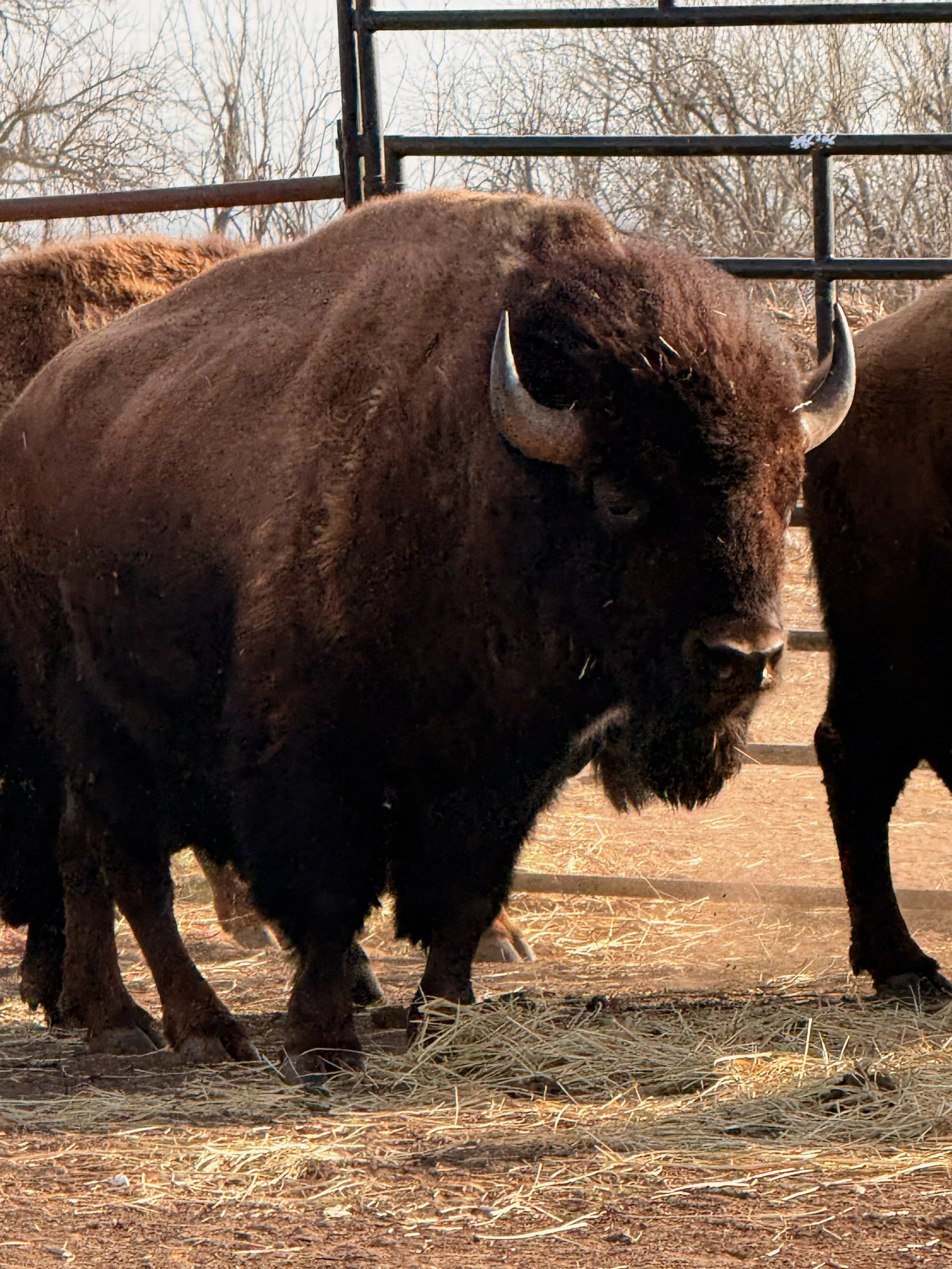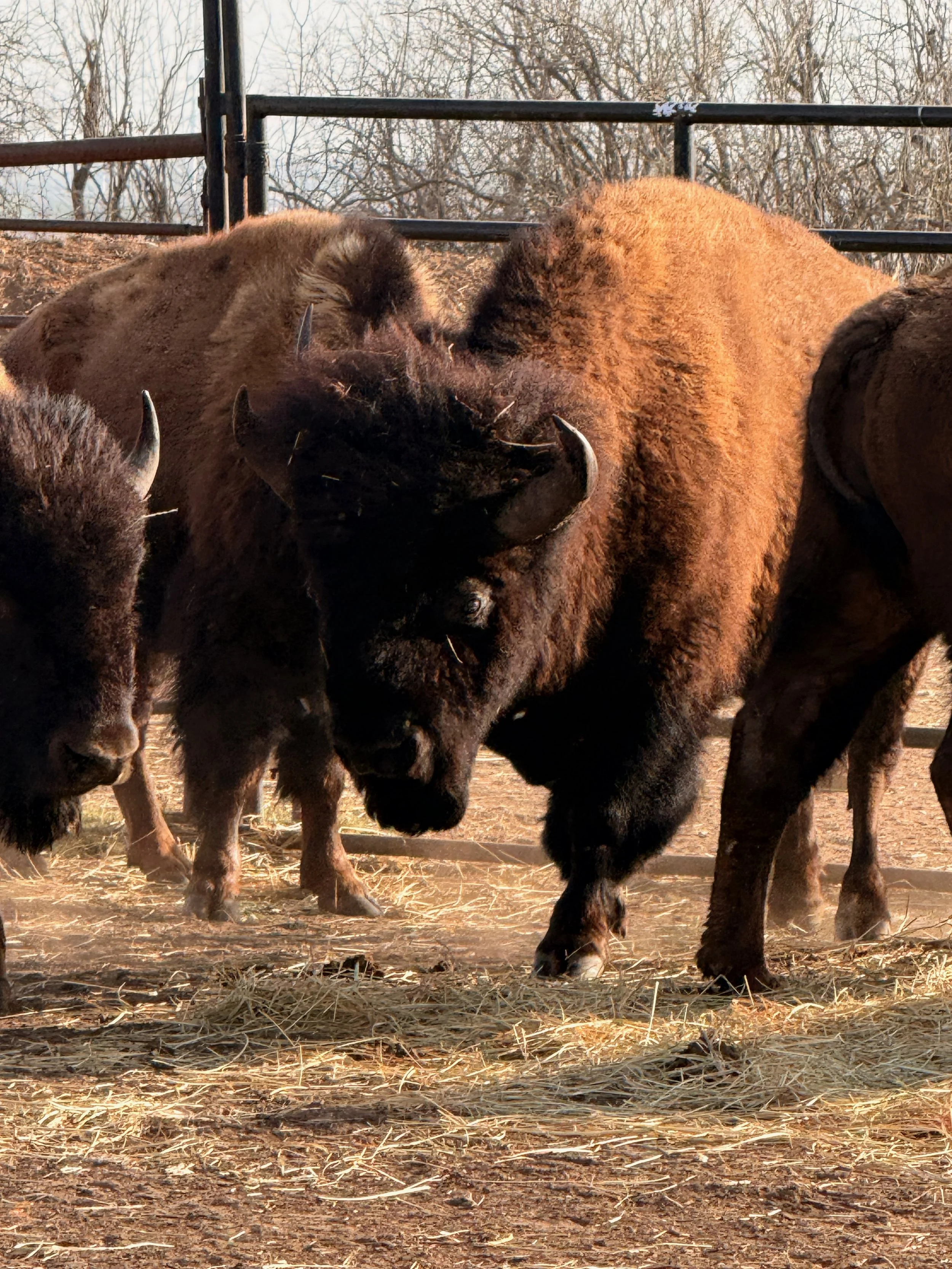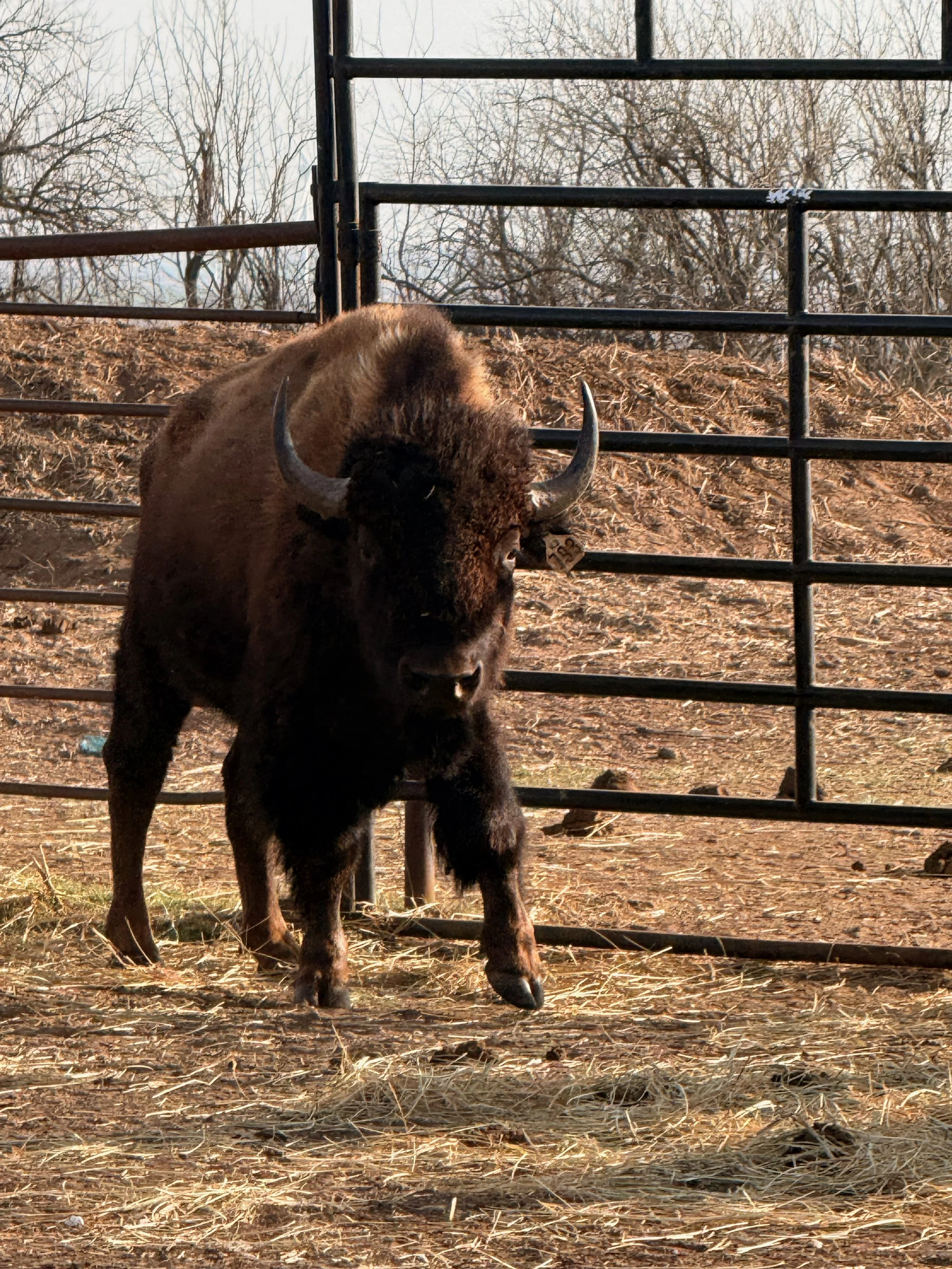
Cheyenne and Arapaho Tribes host Annual Buffalo Roundup in Concho, OK
Summary:
Executive Director Dawn Sherman attended the Cheyenne and Arapaho Tribes’ annual Buffalo roundup in Concho, OK, where she participated as a member of the InterTribal Buffalo Council representing the Delaware Tribe of Indians of Bartlesville. Invited by herd manager and ITBC Regional Director Randy Hawk, she observed and engaged in herd management practices, including health checks and research efforts. The experience highlighted both the practical realities of caring for Buffalo and the deep cultural connection communities maintain with them. The roundup also served as a space for shared knowledge, intertribal collaboration, and continued learning.
5 Key Points:
Intertribal Collaboration
Multiple tribes gathered for the roundup, reinforcing shared responsibility and partnership in Buffalo stewardship.Hands-On Herd Management
Activities included health checks, sorting, and monitoring herd development and genetics.Balancing Wildness and Care
While Buffalo are wild, limited land and fencing require ongoing human interaction and support.Learning and Knowledge Sharing
Attendees exchanged knowledge across generations, with opportunities to observe research like an E. bovis study.Cultural Connection and Respect
The roundup reflected a deep relationship with Buffalo, with participants engaging respectfully, calmly, and recognizing them as relatives.
Read longer story below:
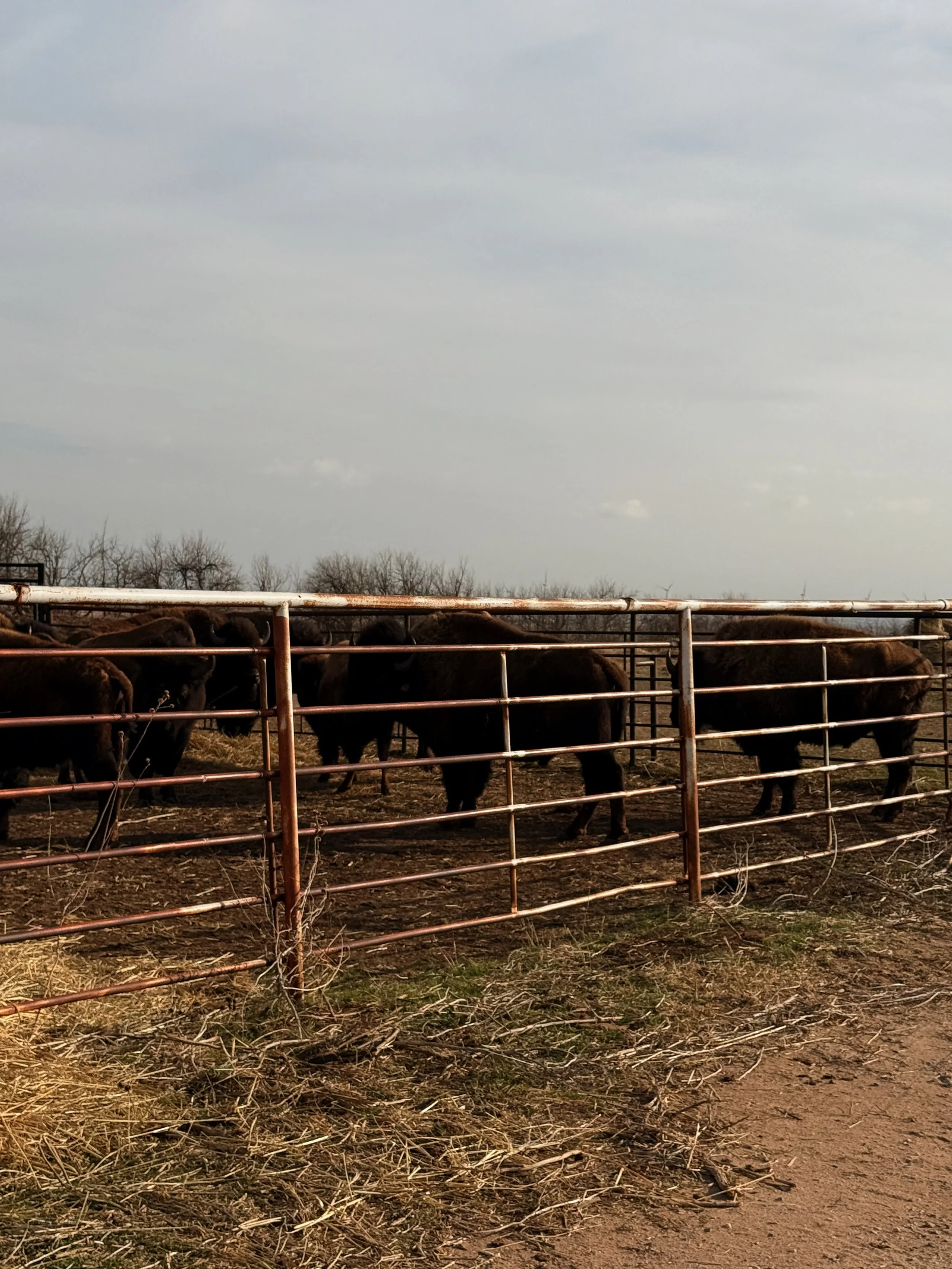
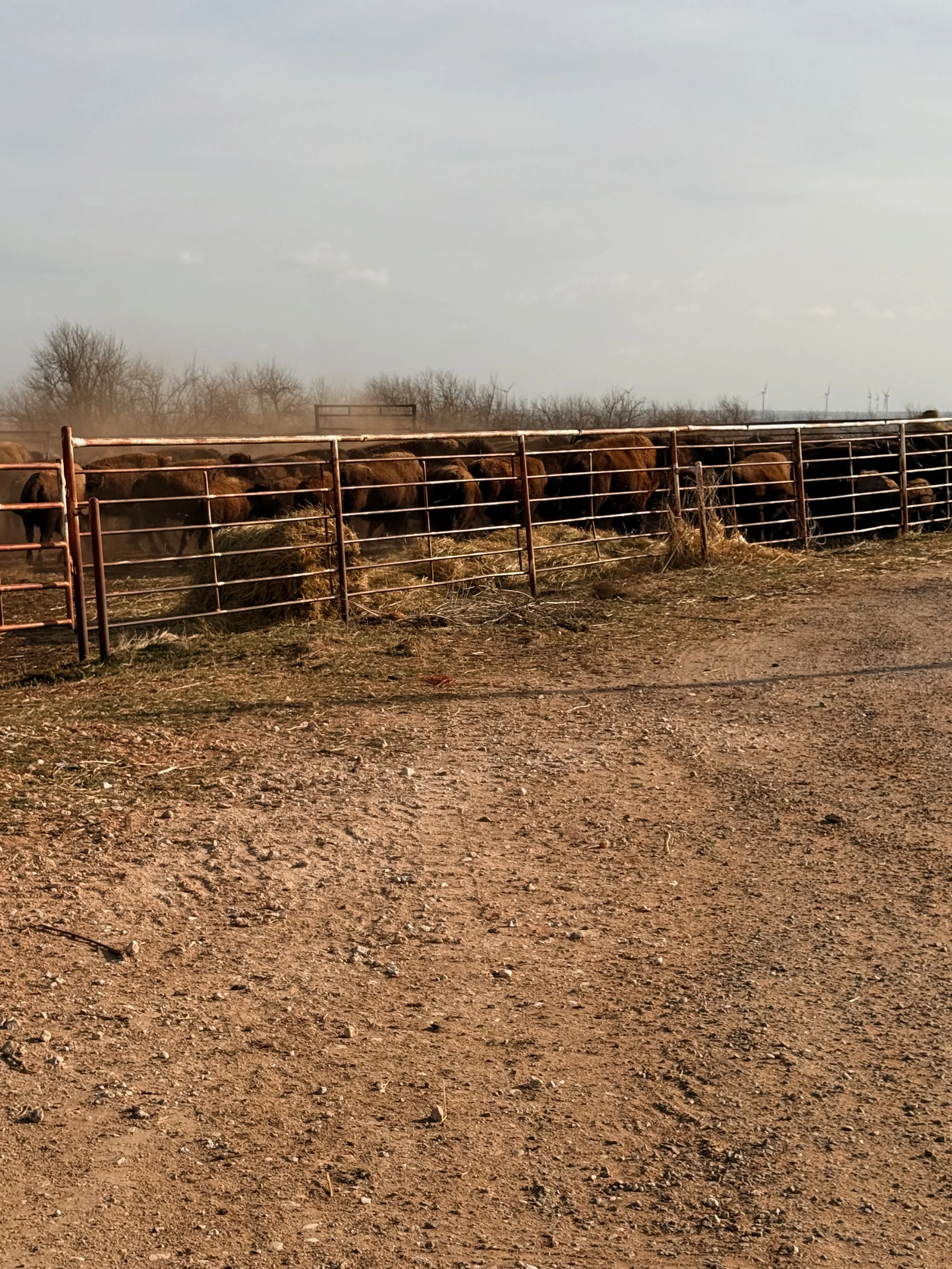
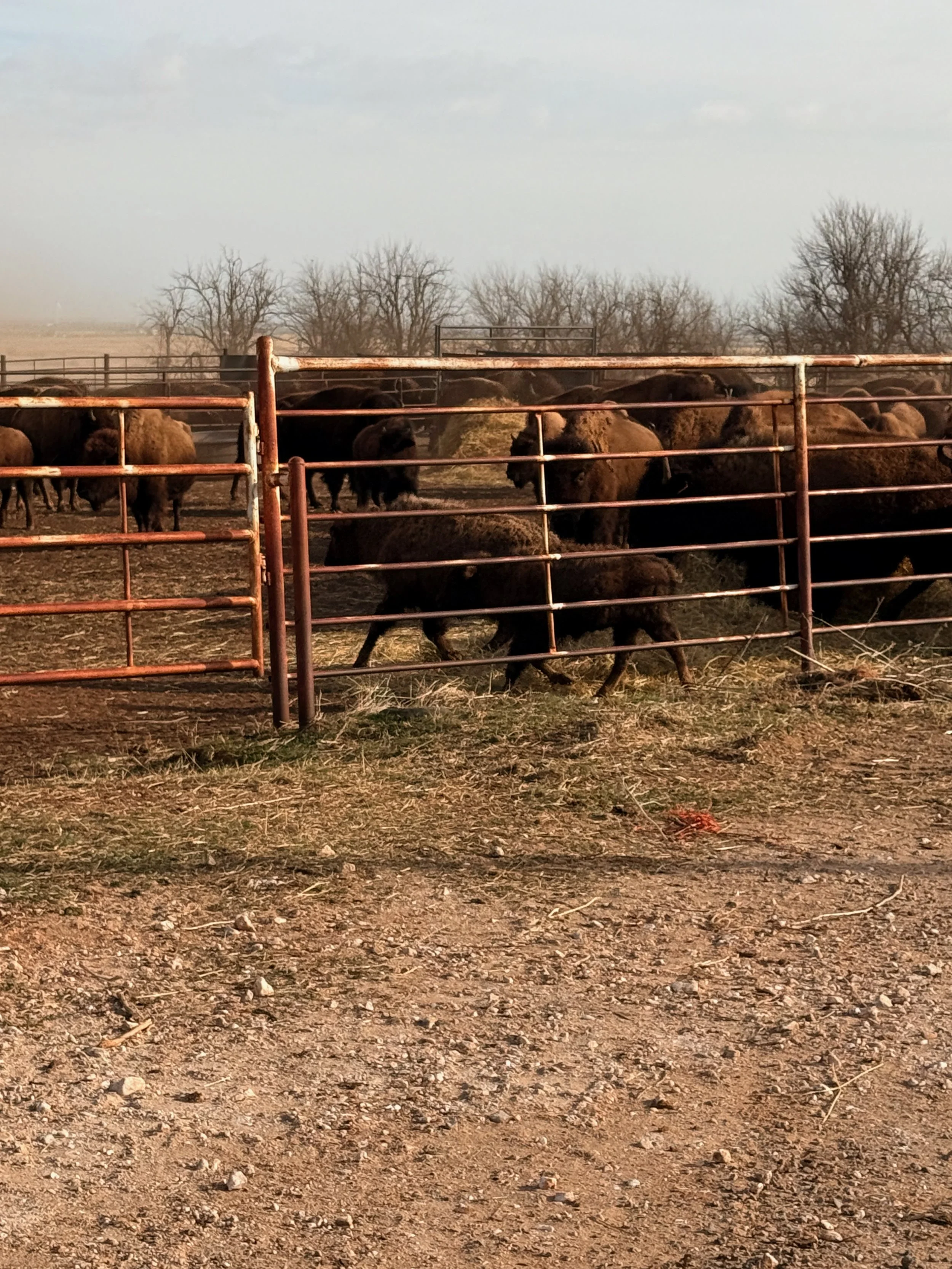
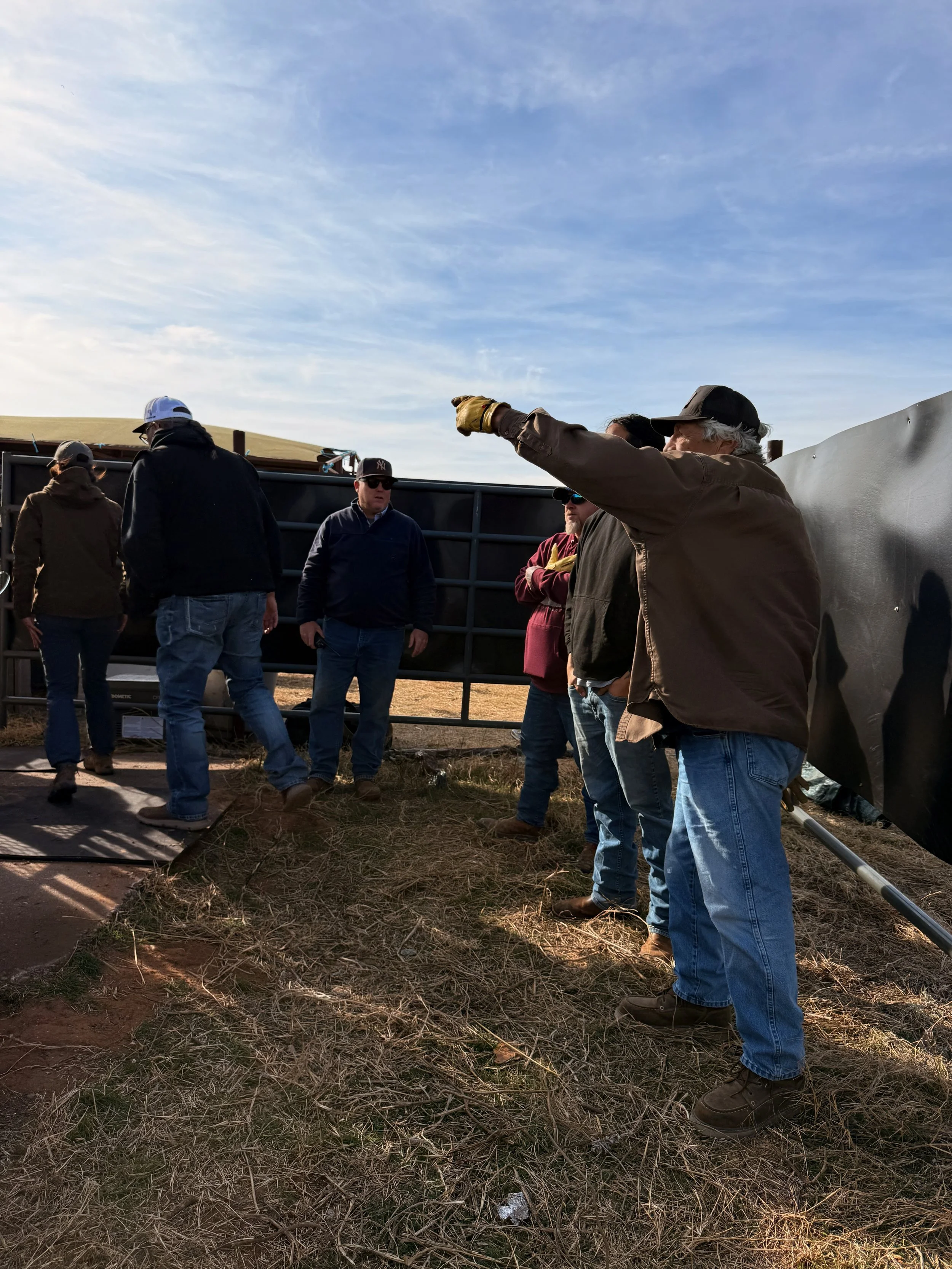
This month, Executive Director Dawn Sherman joined the Cheyenne and Arapaho Tribes in Concho, OK for their annual Buffalo roundup.
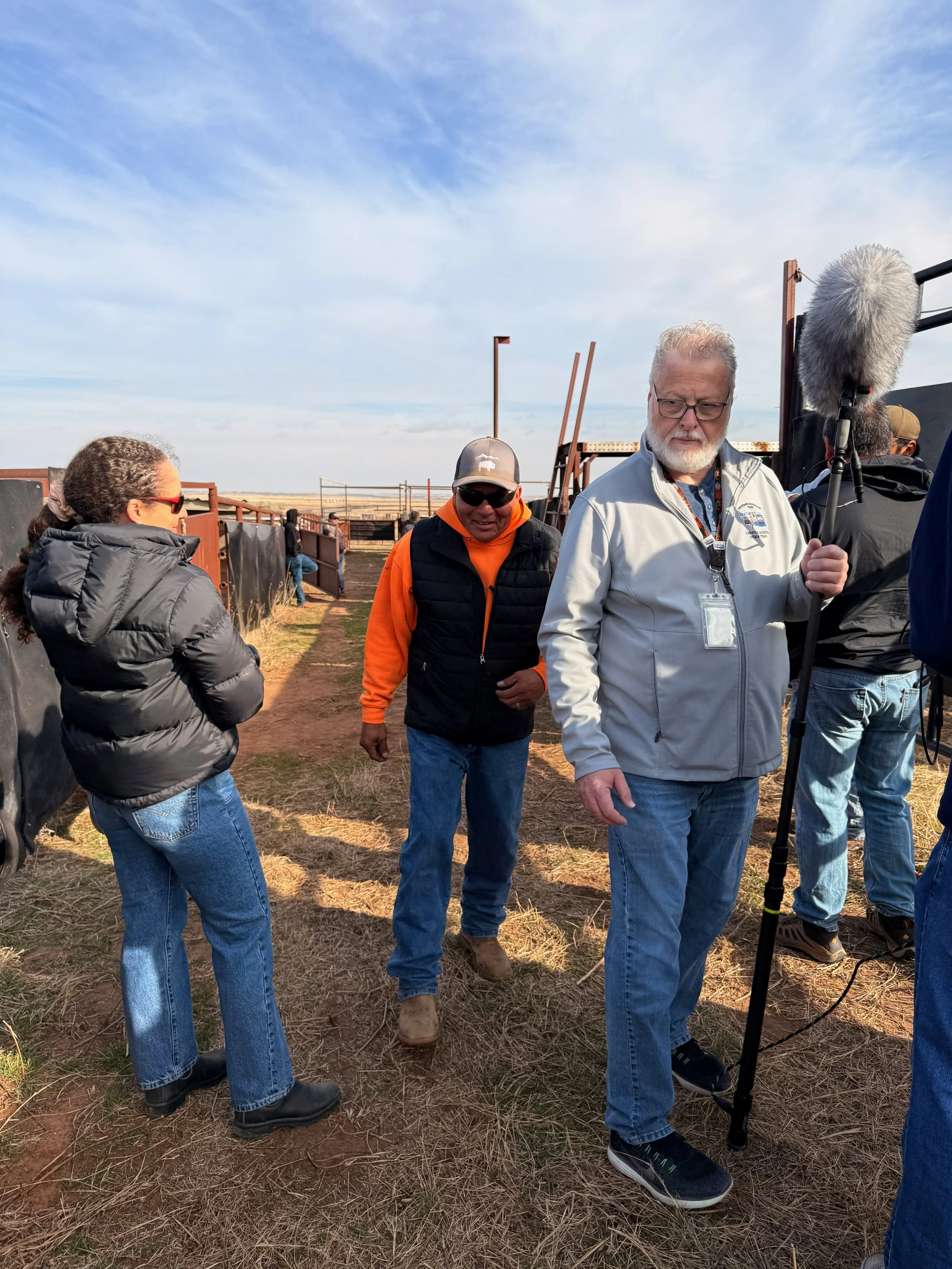
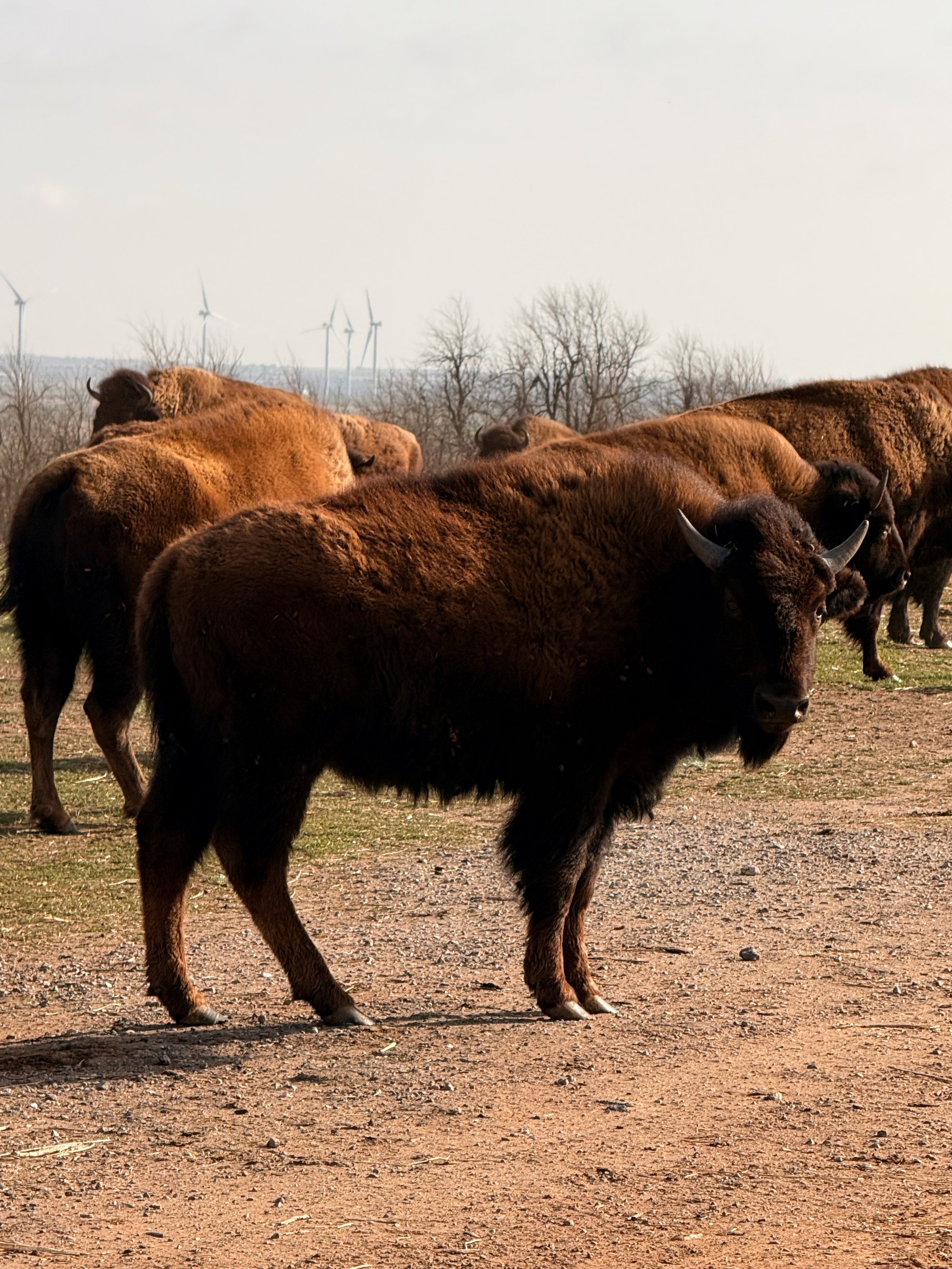
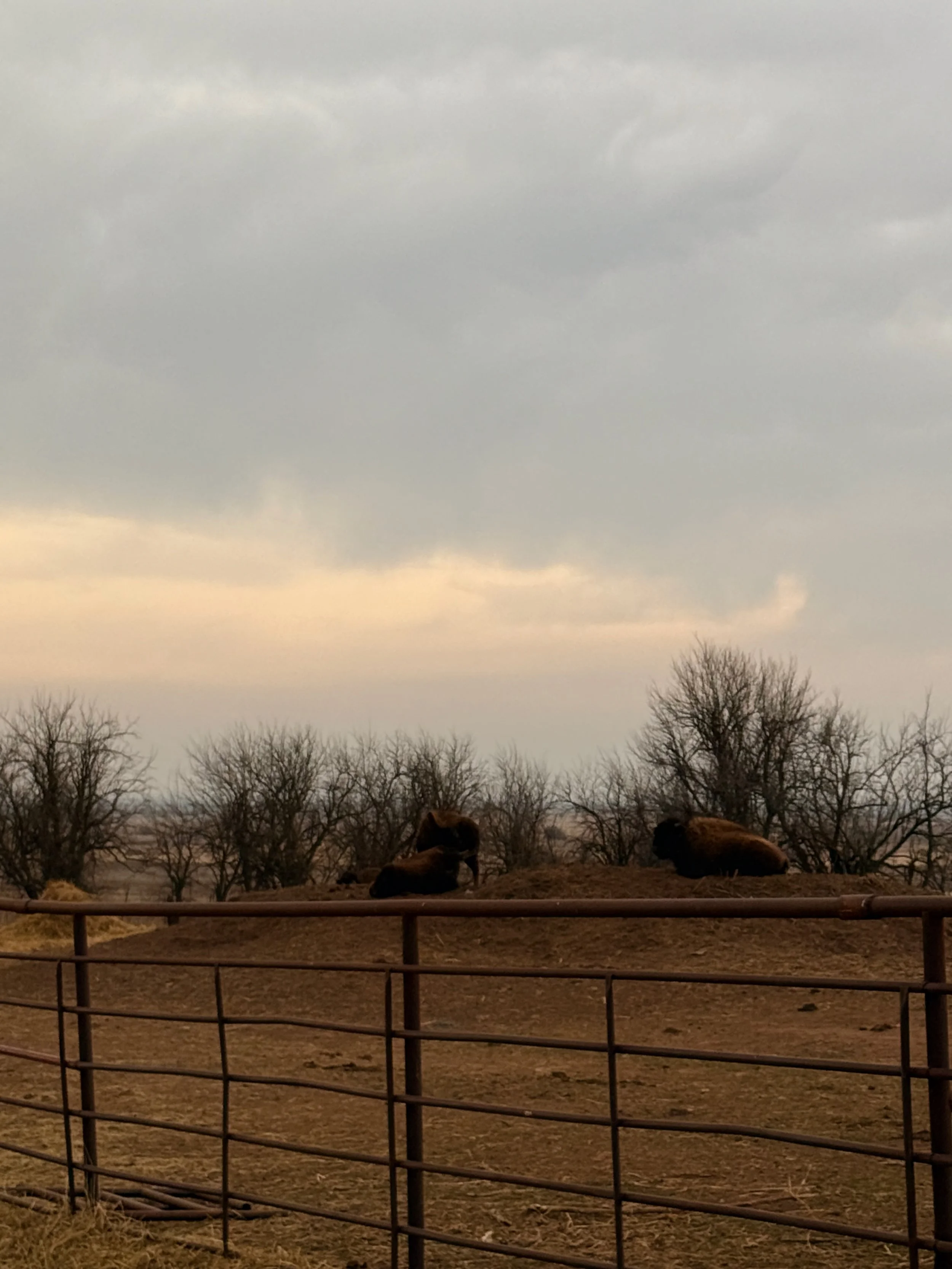
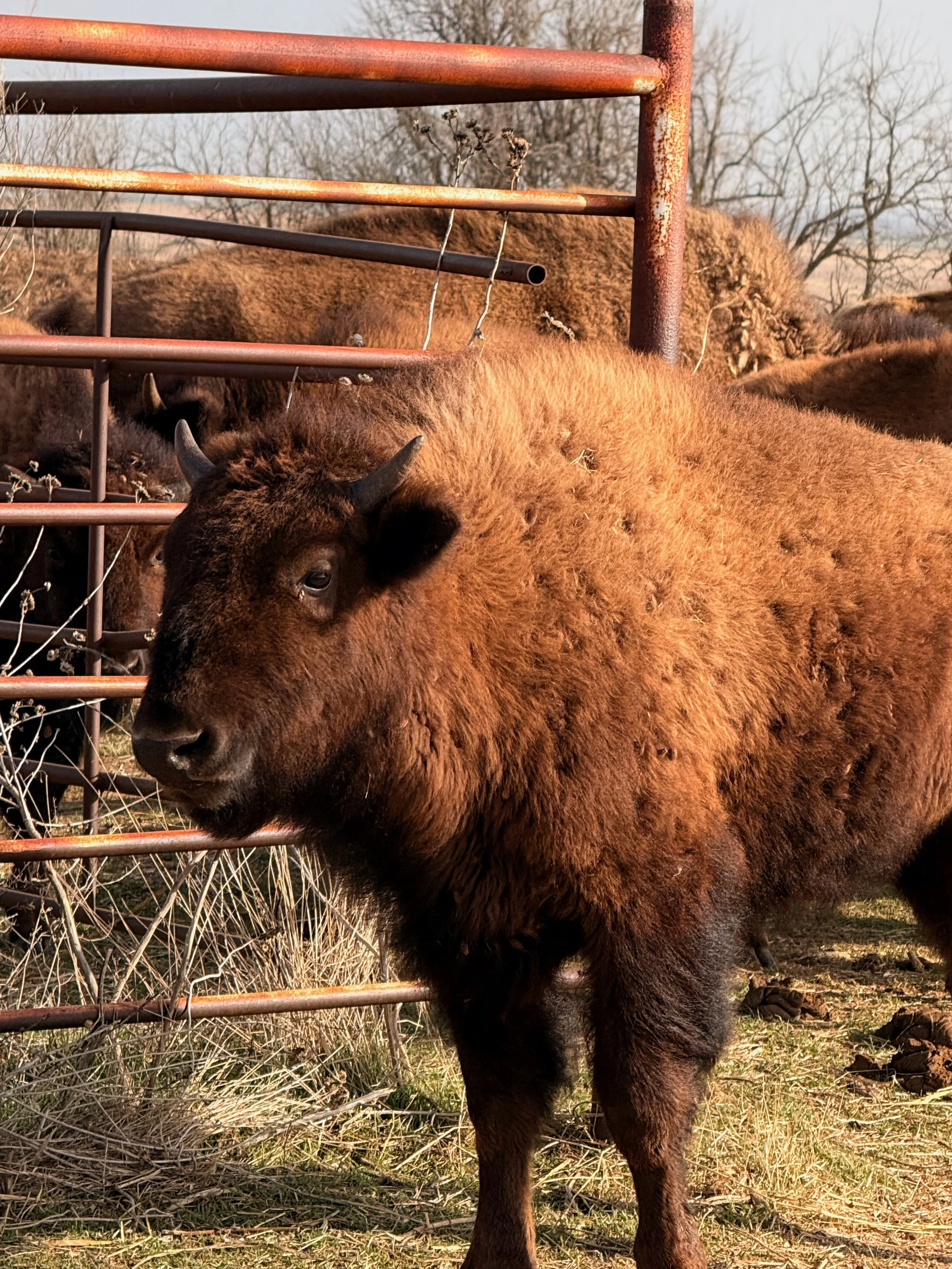
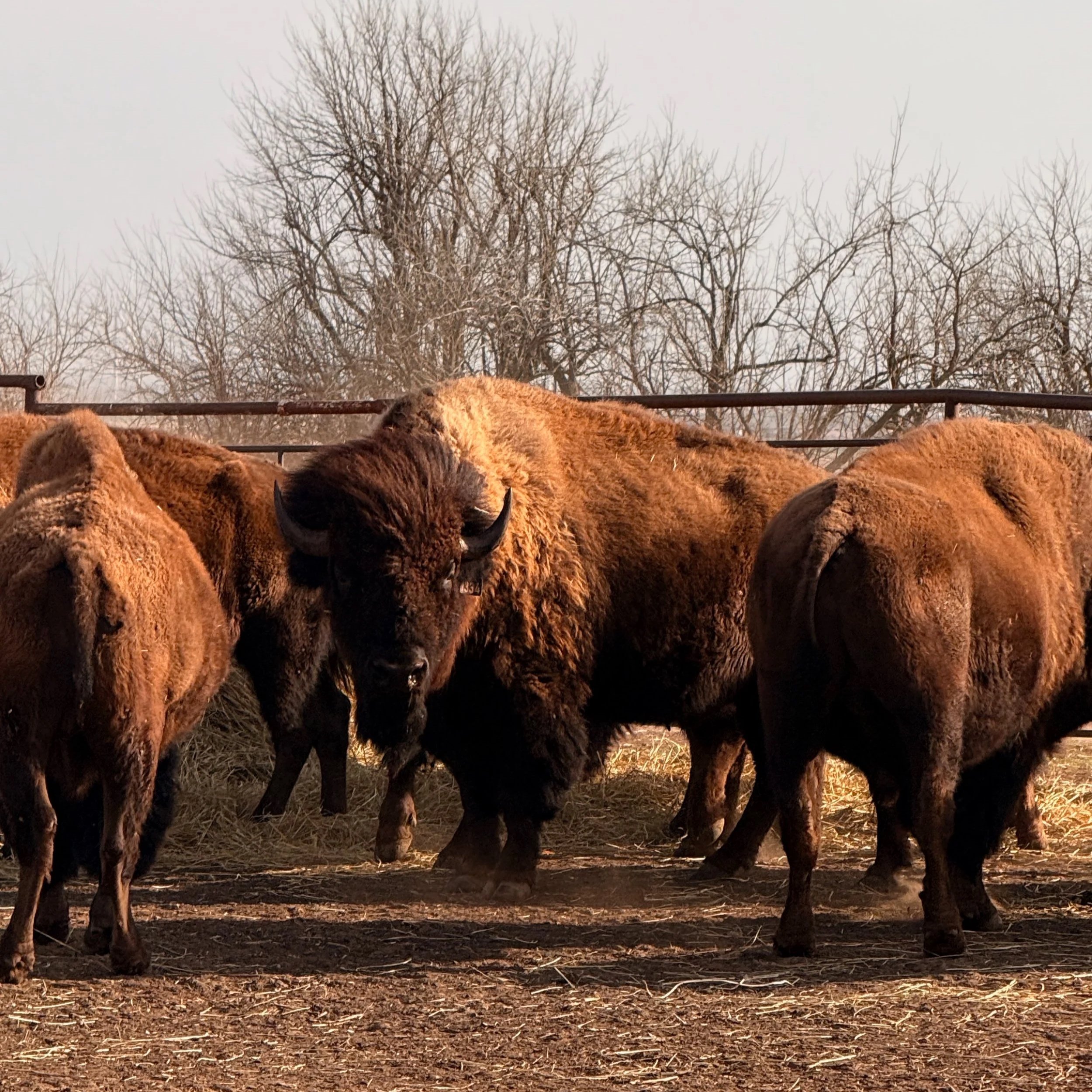
Invited by herd manager and InterTribal Buffalo Council Regional Director Randy Hawk, she represented the Delaware Tribe of Indians of Bartlesville in her role as a member of the InterTribal Buffalo Council. The herd of approximately 200 Buffalo spans 5,000 acres. Dawn shared that the roundup process ran smoothly and that she appreciated learning from the crew and others in attendance.
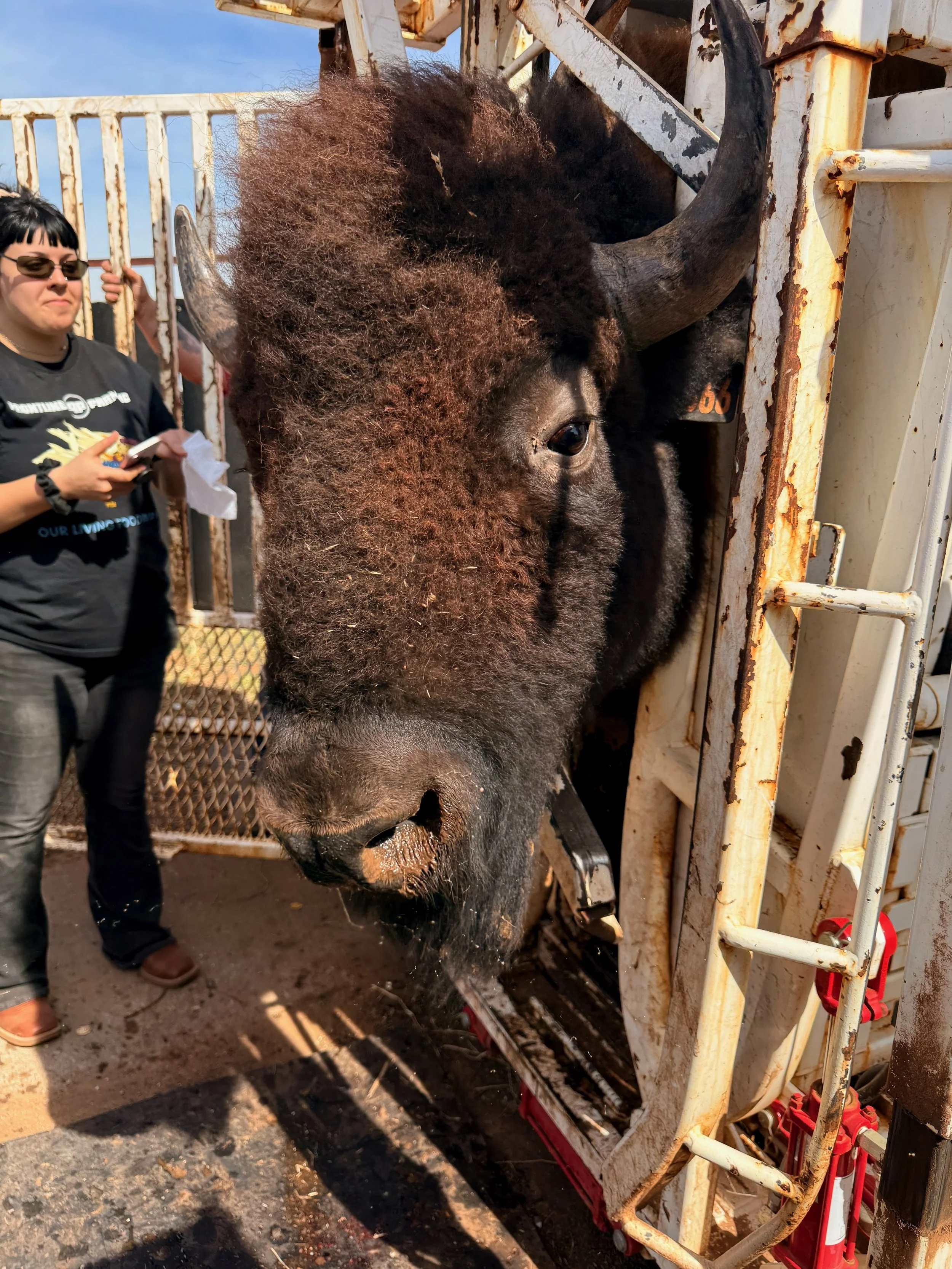
One of the things Dawn pointed out is that because “there just isn’t enough land to leave them untended,” the reality of working with Buffalo is that there will always be some level of interaction and a need for fencing.
“Even though they are wild animals, there is always a connection,” she said. “You can’t just put them out there and walk away. They eventually need support.”
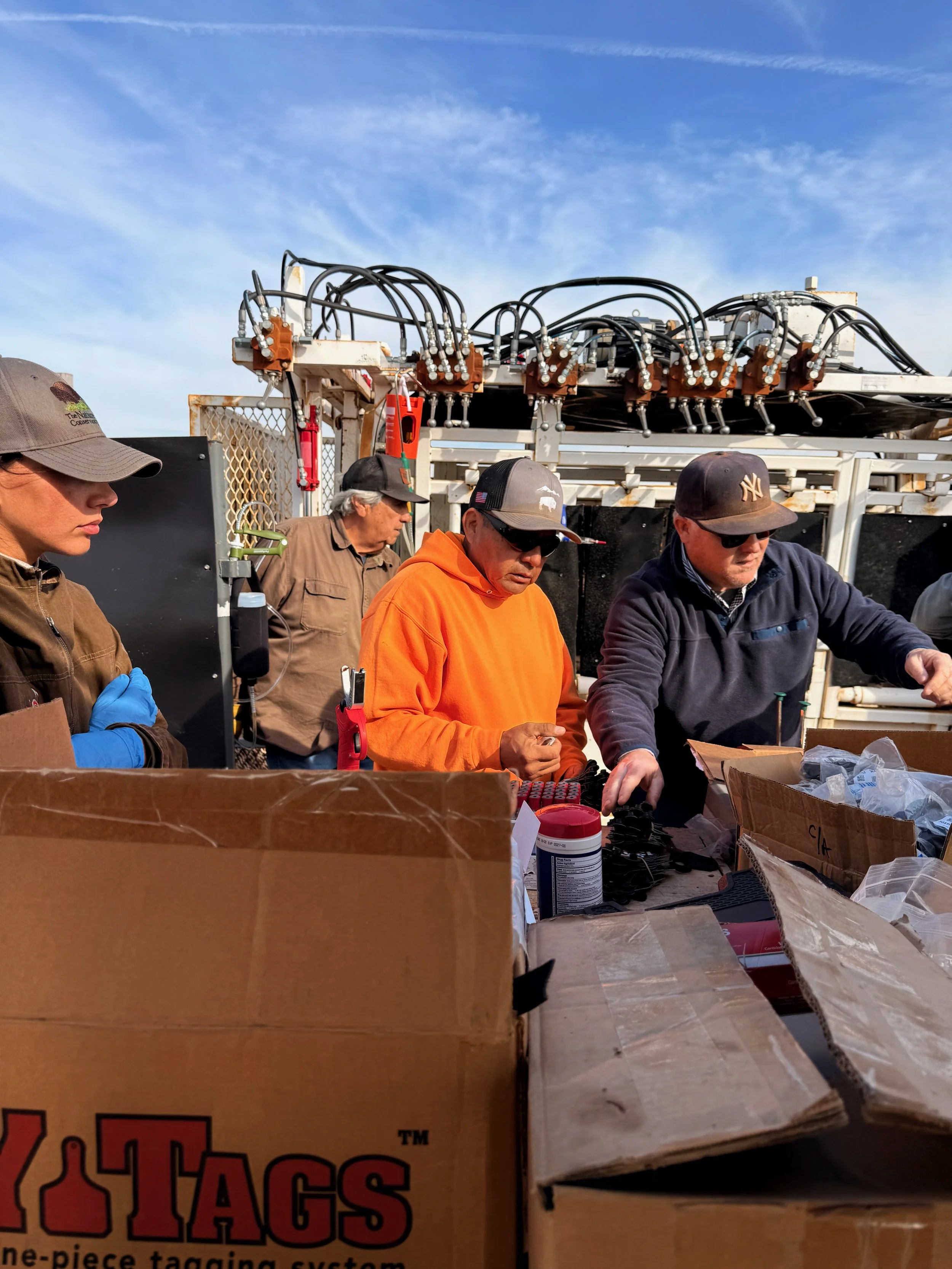
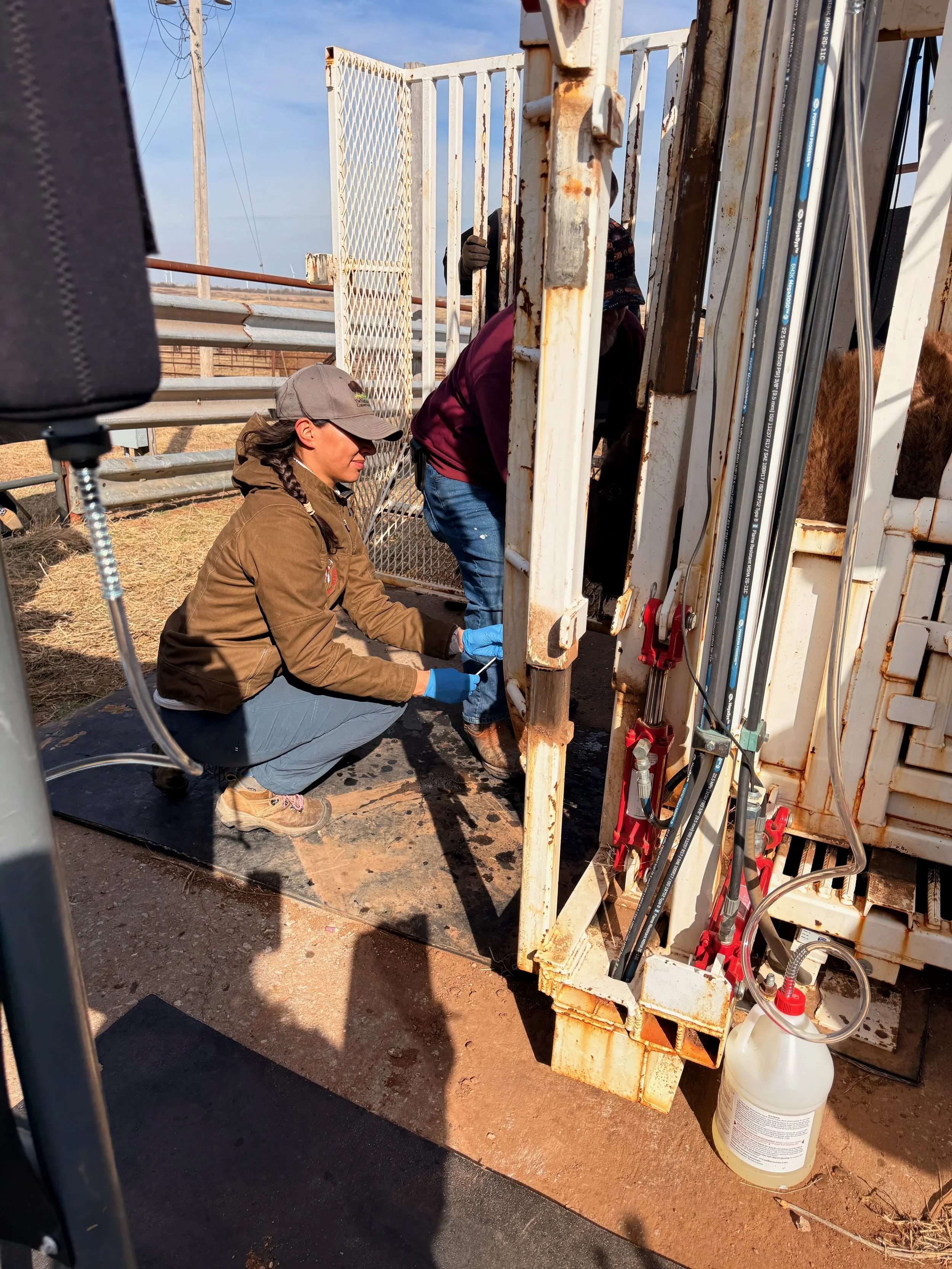
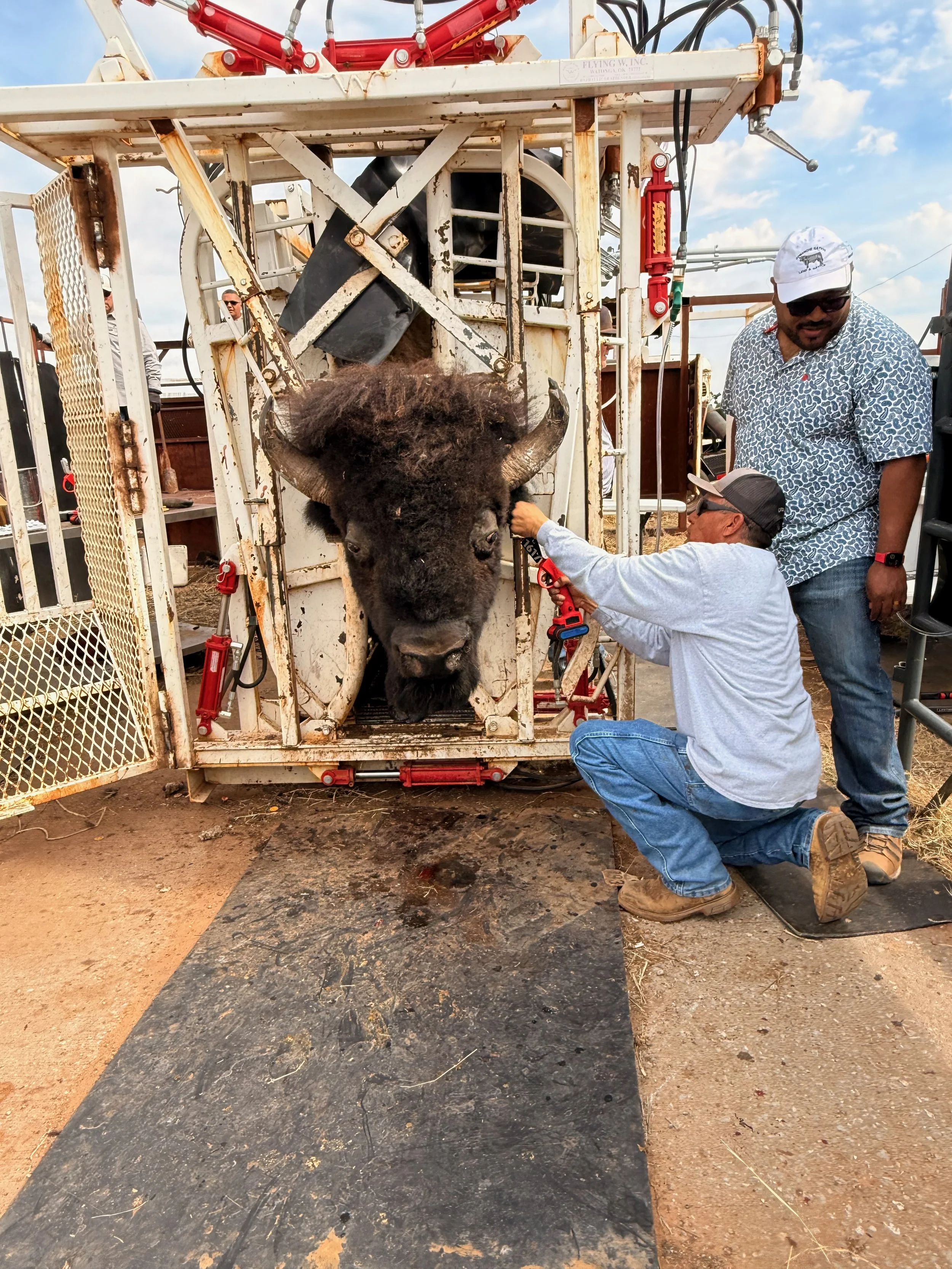
That’s why events like herd roundups are critical — they allow for health checks and sorting, while helping monitor development and maintain strong genetics. Mikiya Reuther, Wildlife Biologist with ITBC, was also conducting an E. bovis study, and Dawn was able to gain hands-on experience observing her work.
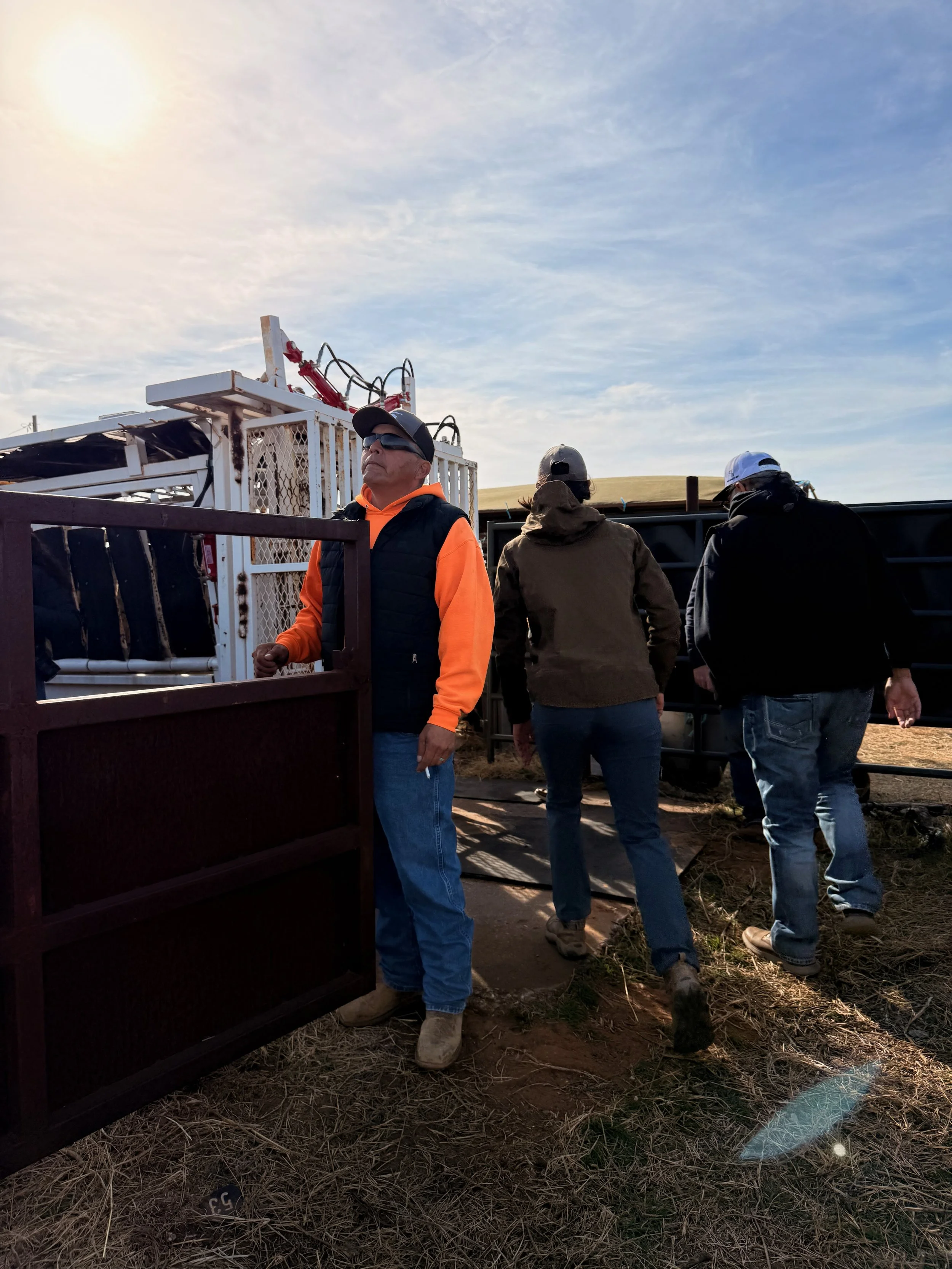
But these roundups are about more than herd management — they are also about connection. Many tribes were represented, including elders, delegates, and matriarchs, reflecting the matriarchal nature of Buffalo. Attendees came from surrounding communities to learn, and some have taken part in these roundups for years.
“I just keep learning more about how to tend to Buffalo through their processes from events like this,” Dawn said. “You are always learning from them.”
Dawn observed attendees approaching the Buffalo as relatives — speaking to them, looking into their eyes, and handling them with care and respect. The gathering included shared meals, prayer before the work began, and an exchange of knowledge across generations.
“It takes more than one person to return Buffalo to Native lands, lives, and economies,” she said. “It’s communities like those at this roundup, partnerships, and learning from each other that bring Buffalo back. The Buffalo are teaching us as much as we are teaching each other. We all have the same goal.”