
Our Rancher Partners: Ed Iron Cloud III
For generations, Buffalo sustained the Oglala Lakota — providing food, shelter, clothing, and a way of life rooted in relationship. That connection never disappeared. It’s still here. Still active.
Today, many of our rancher partners steward cultural herds as they carry forward knowledge, responsibility, and connection. They work with the Buffalo to teach, to feed their communities, and to pass down what isn’t written in books. Harvests are led with intention, so the next generation understands both the responsibility and the relationship.
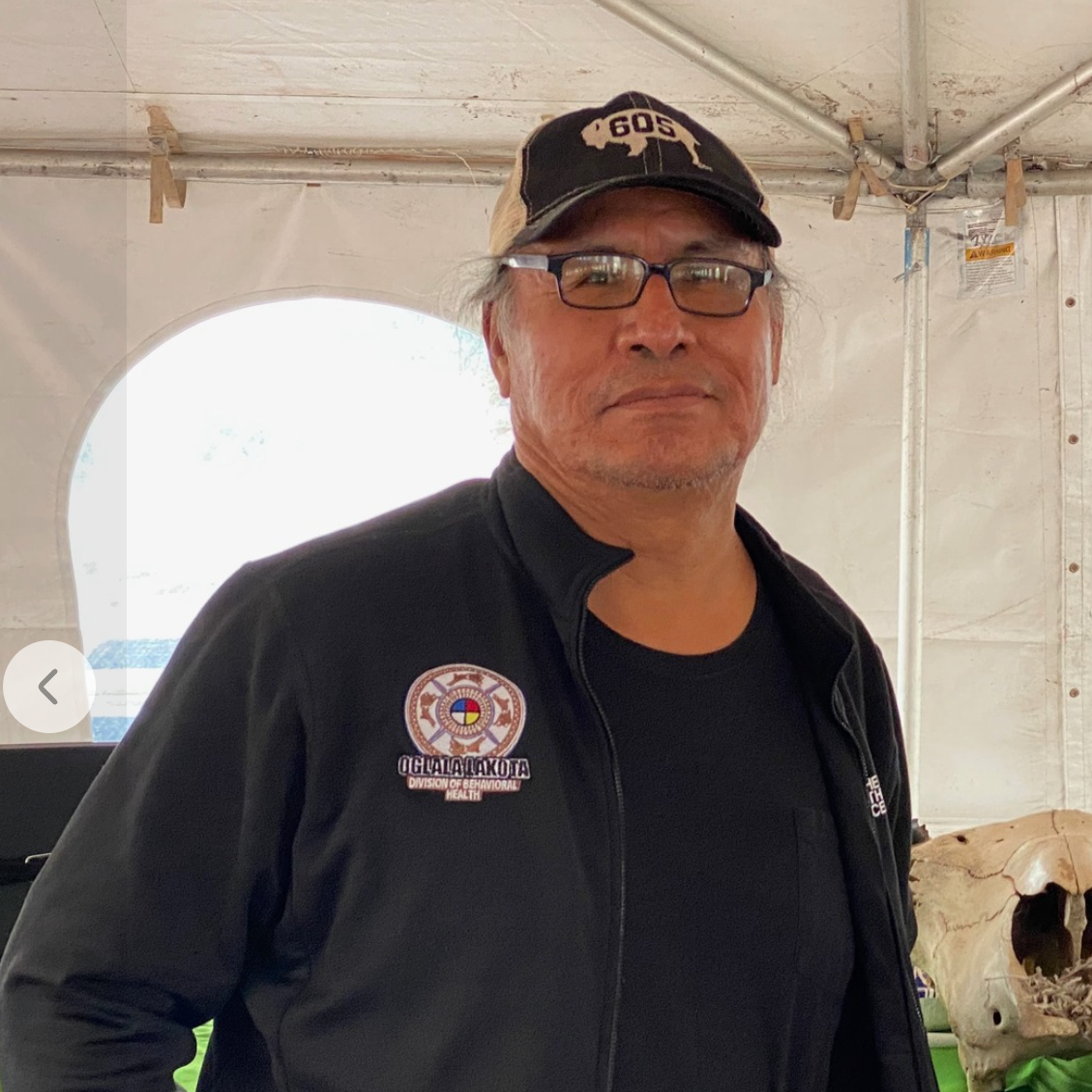
On the Pine Ridge Reservation, Edward Iron Cloud III (Oglala Lakota) continues that work through the Knife Chief Buffalo Nation Society, a Tanka Fund partner.
At Knife Chief, the Buffalo are relatives — teachers, providers, and a living connection to Lakota lifeways.
“Our relatives live in a pasture near Porcupine,” Ed shared. “The Buffalo that are in our care — and who care for us — give us sustenance and blessings.”
The work is intergenerational, rooted in restoring kinship with the Buffalo Nation so future generations can remain strong — in health, in spirit, and in identity. Ceremonies like Sundance, Wicasa Thuni, and Isnati Awicalowanpi continue with the Buffalo at their center, just as they have for generations.
That relationship is guided by teachings such as respect for the plants, the animals, the water, and each other and by knowledge that connects land and sky. Lakota Star Knowledge reflects how the Buffalo move with seasonal cycles, following patterns aligned with the constellations, reminding us that this relationship extends beyond what we can see on the ground.
At Knife Chief, harvest begins with prayer and is carried out with respect. The food that comes from it means something.
“The Buffalo is going to give its life, and we are going to eat the animal, gain strength, and continue to live because we have food,” Ed said. “With everything, there is spirit to it — the land, air, water, and the animals. We acknowledge that and honor it.”
Ed doesn’t describe himself as a rancher.
“I consider myself a caretaker. We aren’t taking care of them — they are taking care of us.”
Seeing Buffalo return to the land continues to shape him.
“It rejuvenates me. It’s a healing aspect.”
That restoration is ongoing — not just bringing Buffalo back, but strengthening a relationship that has always been there.