A Place That Holds Memory: Reflections from the Tribal Nations Buffalo Grazing School
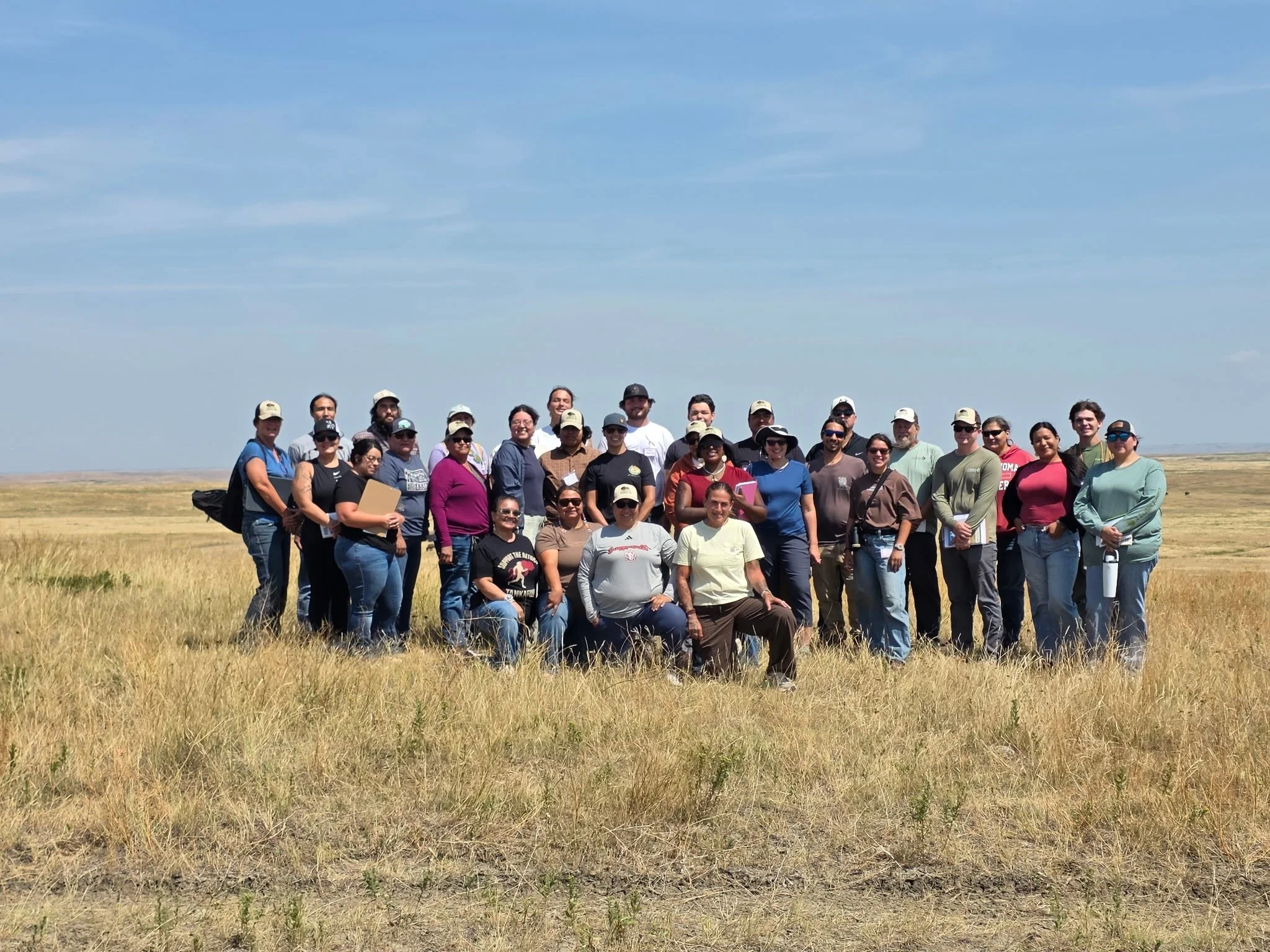
Thirty Tribal herd managers and Indigenous Buffalo ranchers gathered on Cheyenne River land for three days of learning rooted in grazing science, Indigenous knowledge and a relationship with Buffalo that has endured for generations.
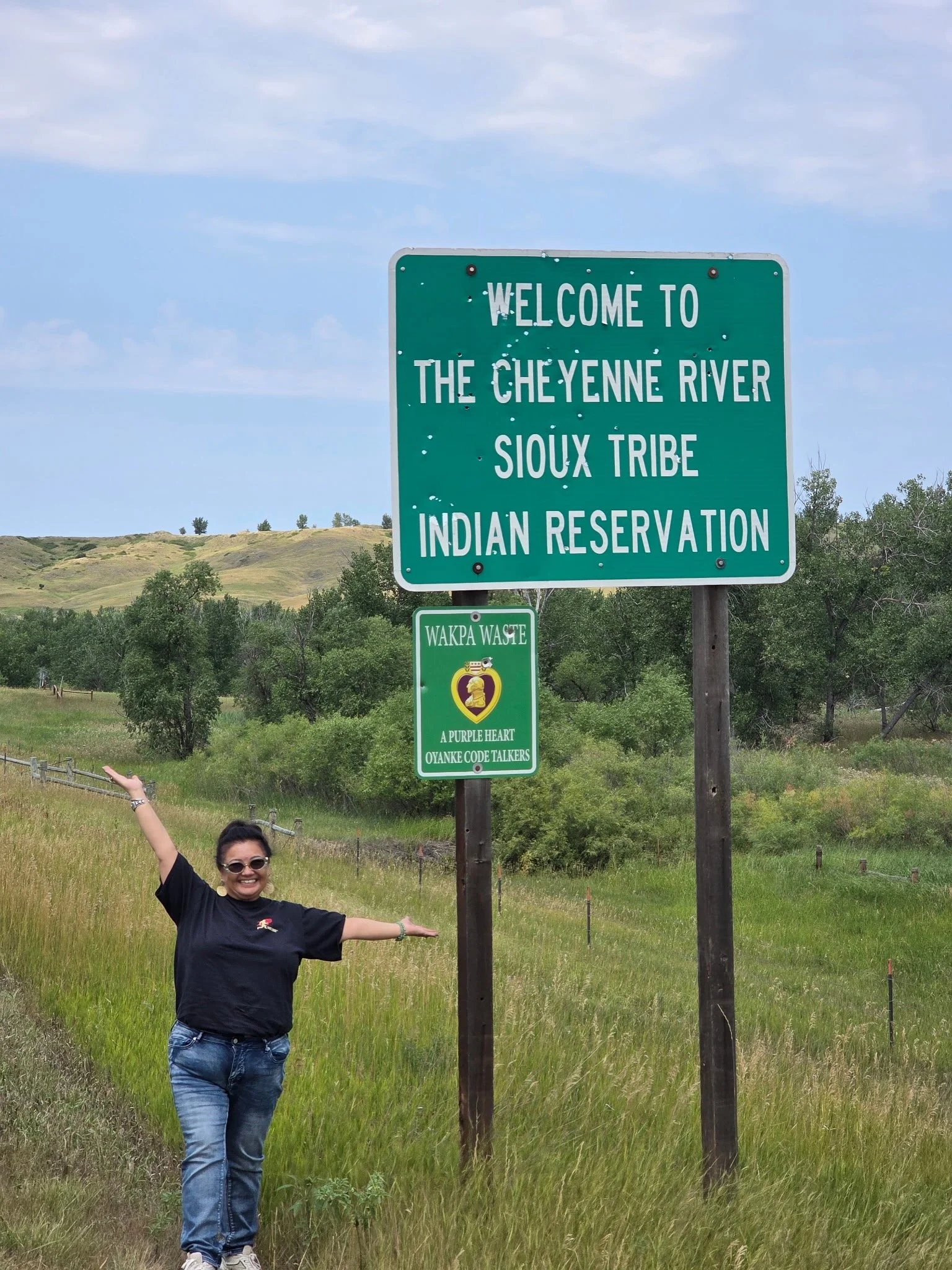
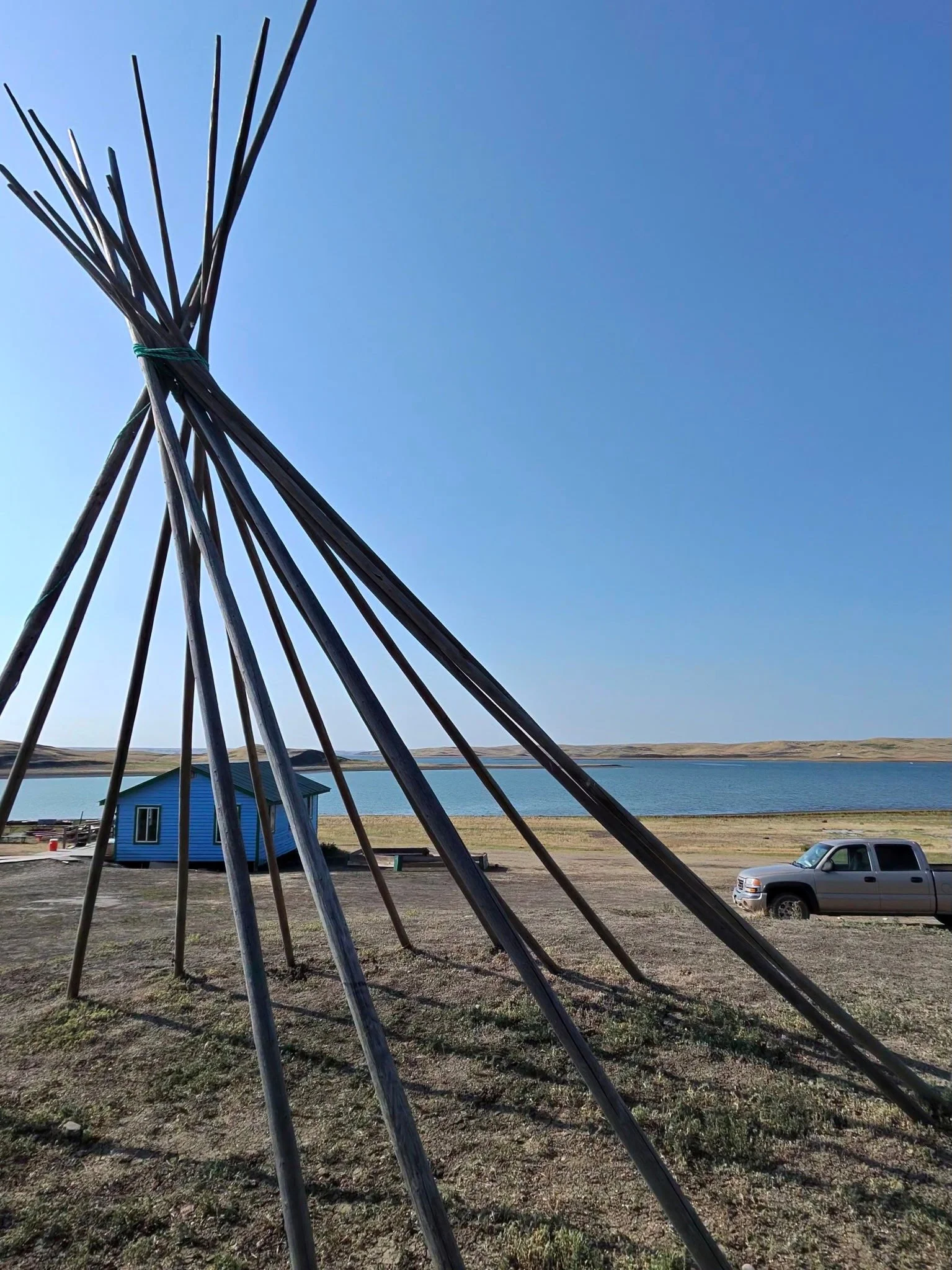
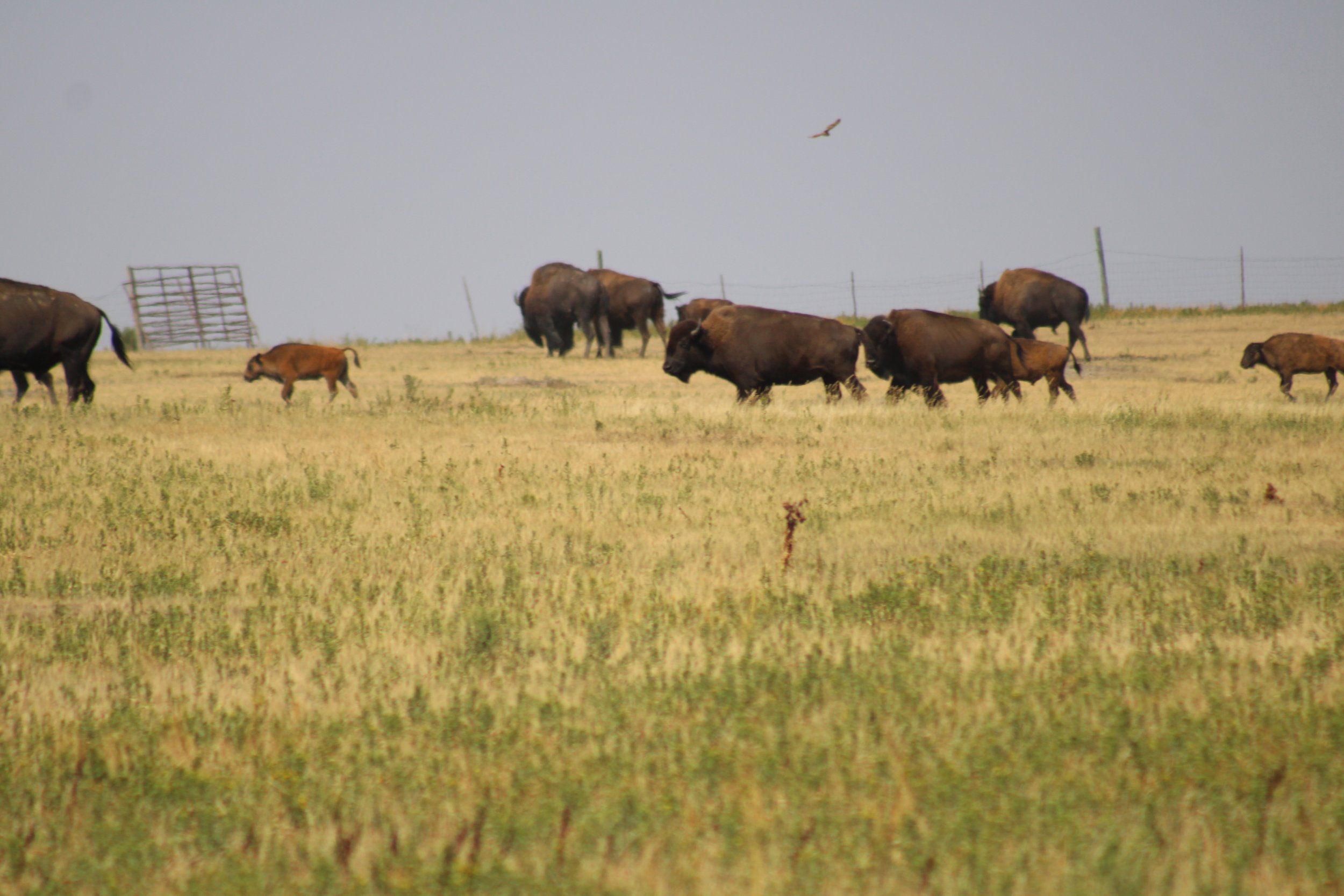
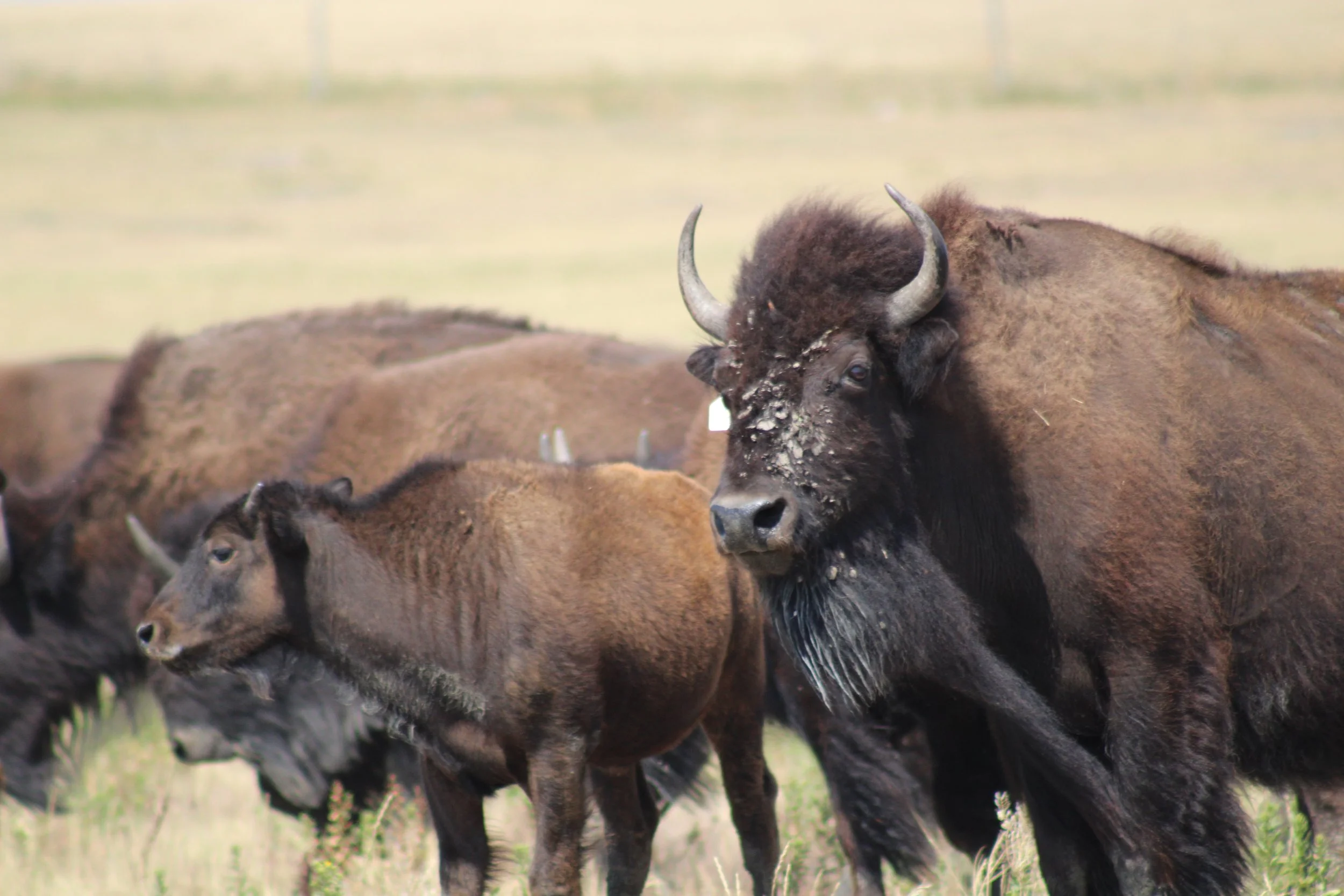
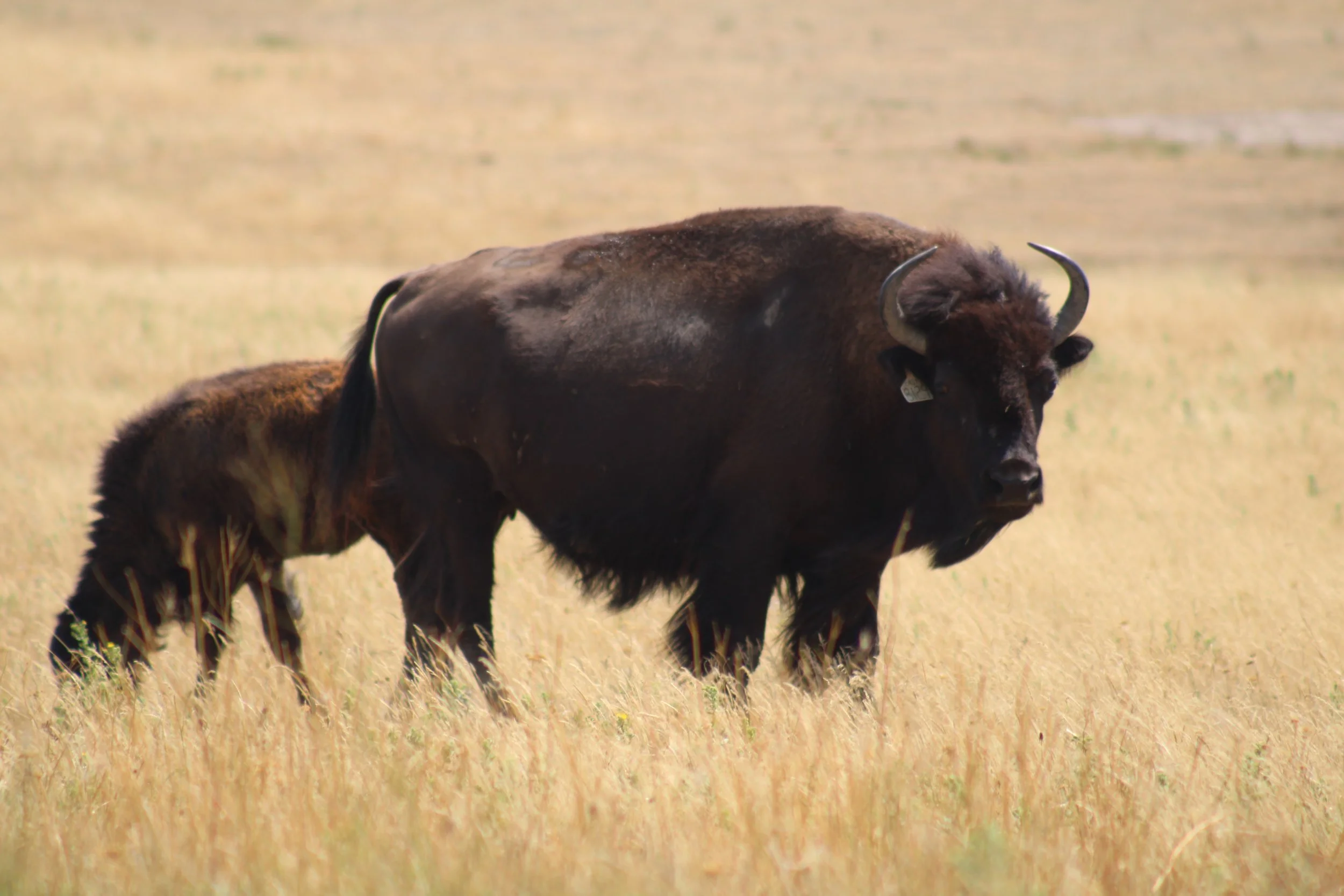
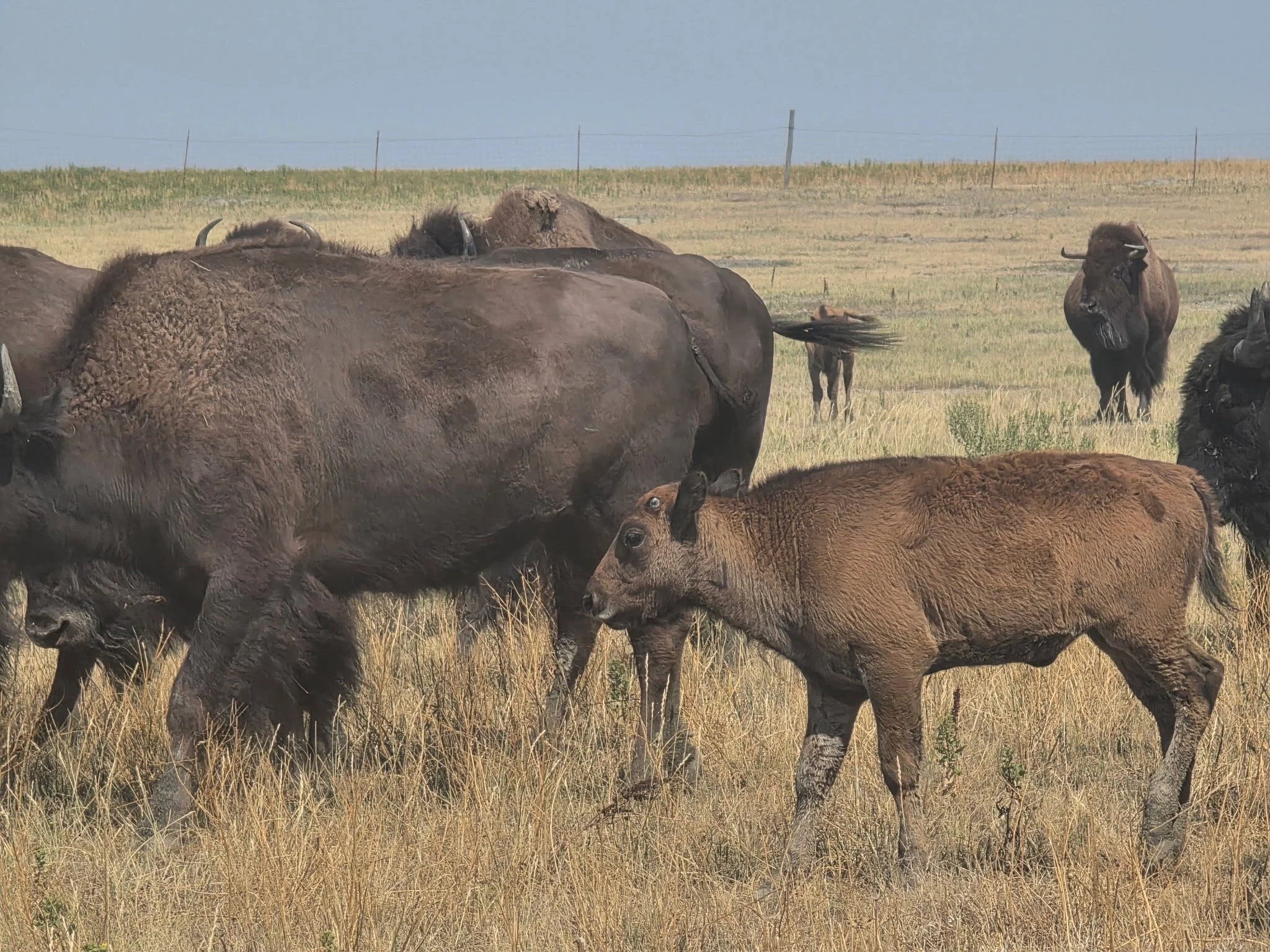
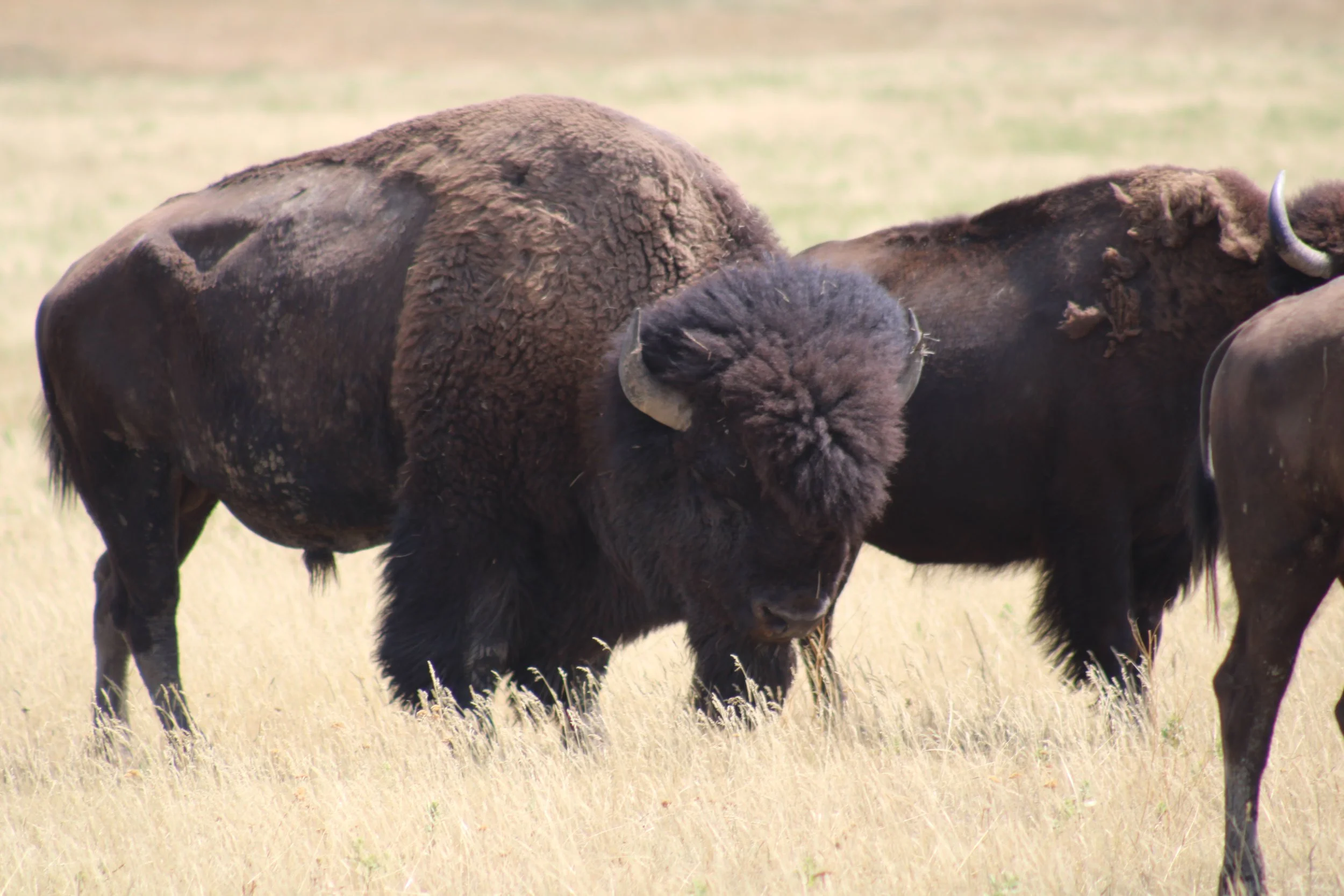
The road into Cheyenne River Sioux Tribe territory opens up the way few roads do anymore. The land spreads wide in every direction, and if you let yourself be still for a moment, you understand something without anyone having to explain it. This is a place that holds memory. And out here, the relatives are coming home.
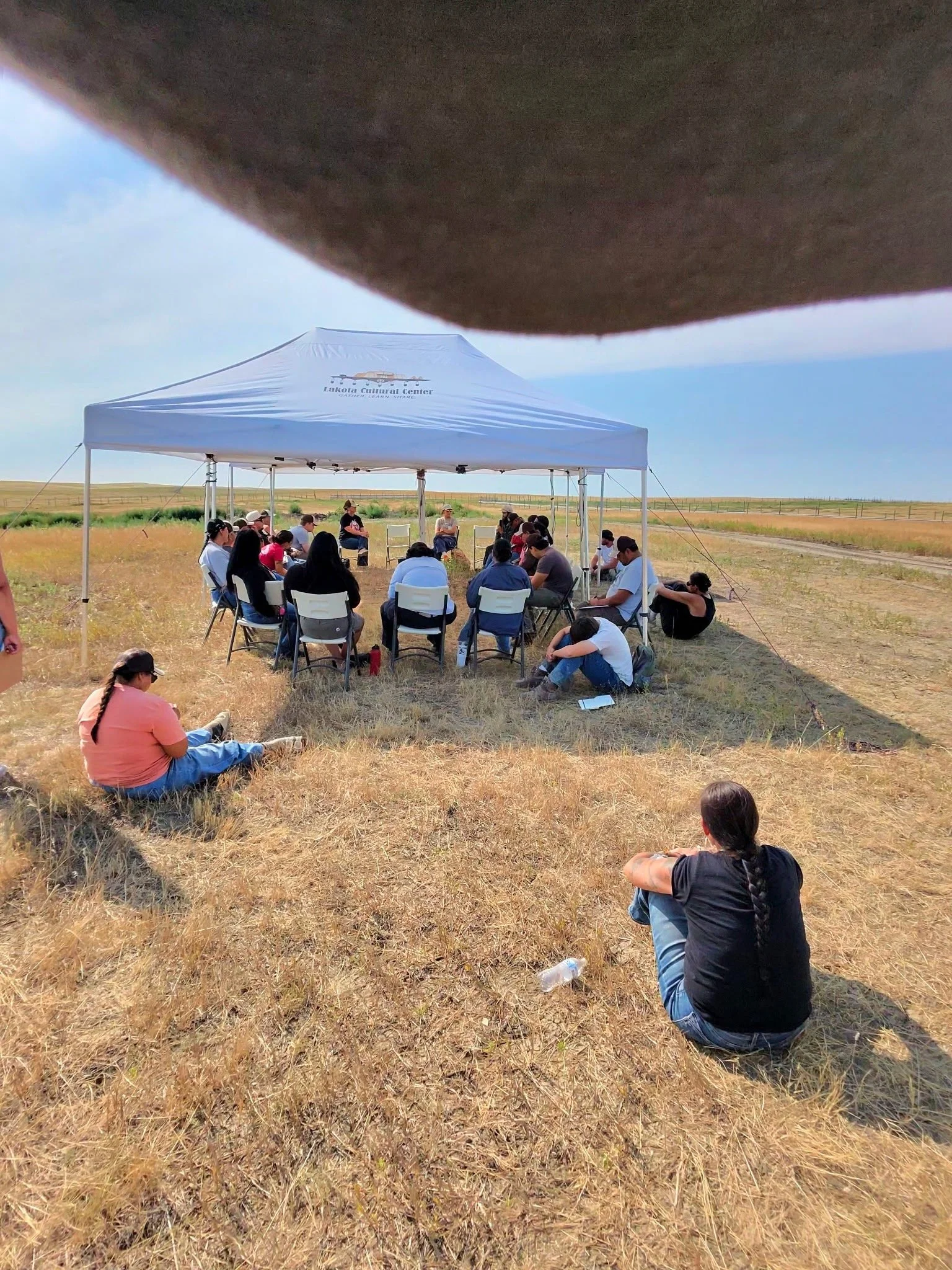
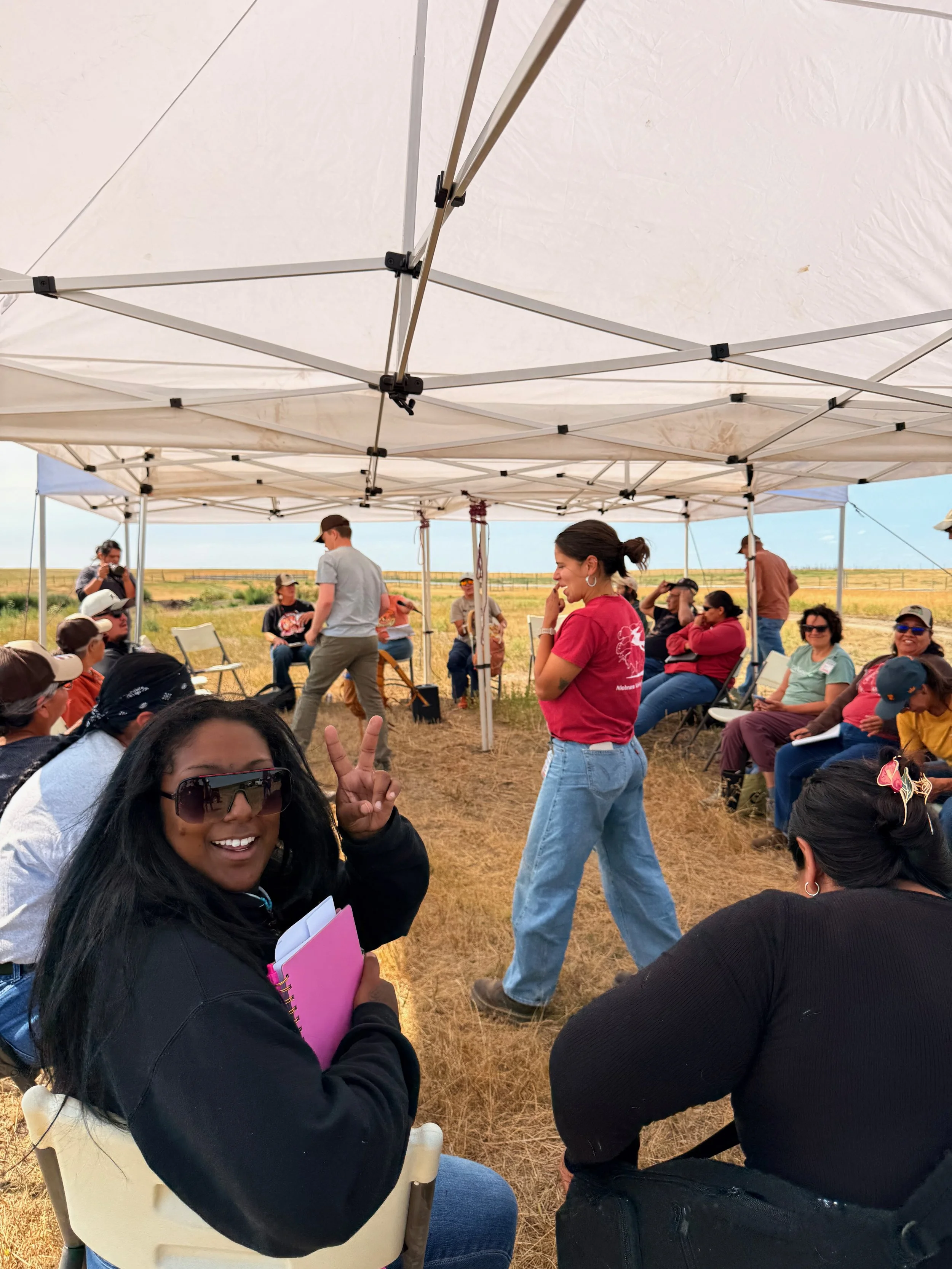
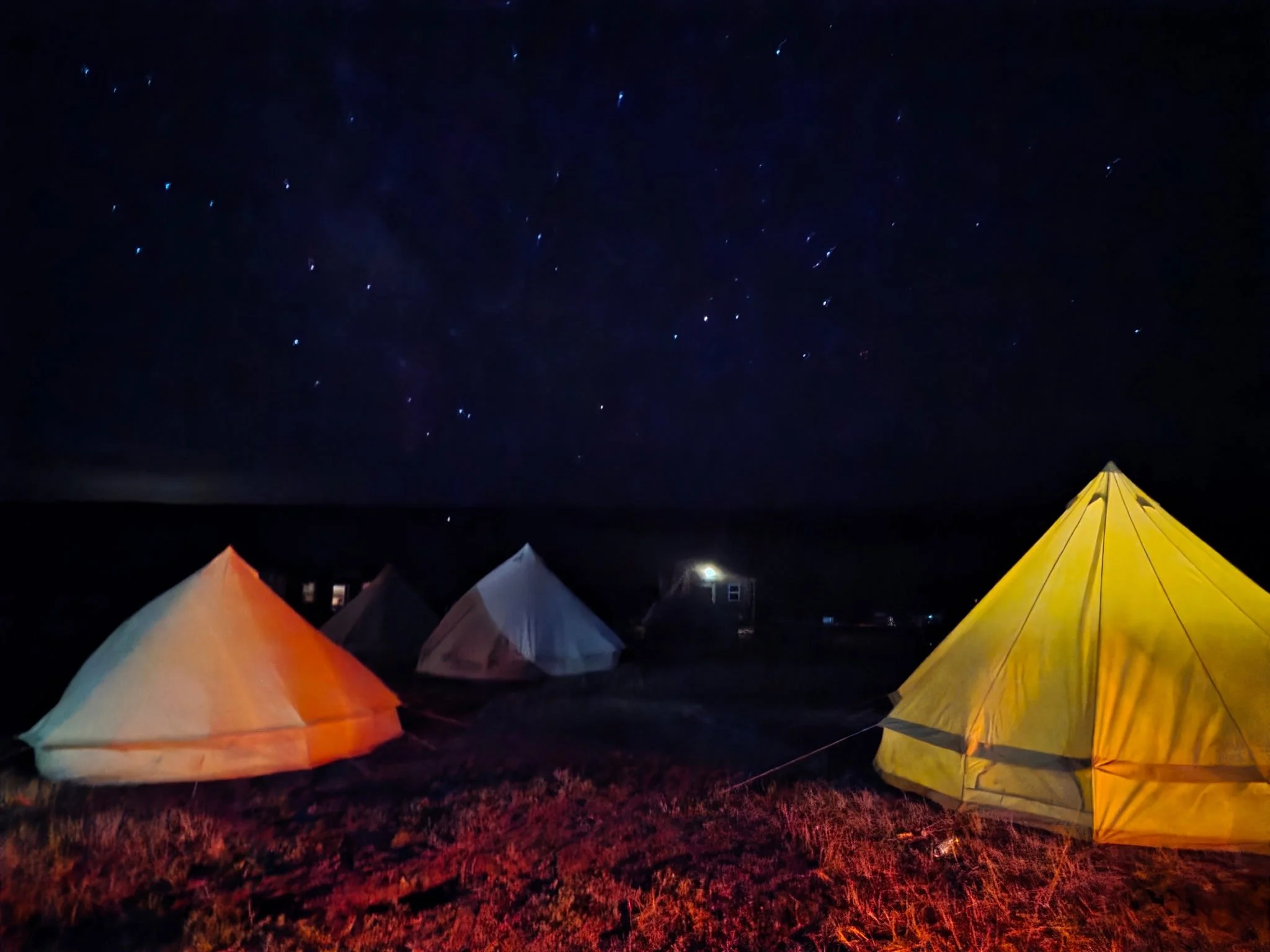
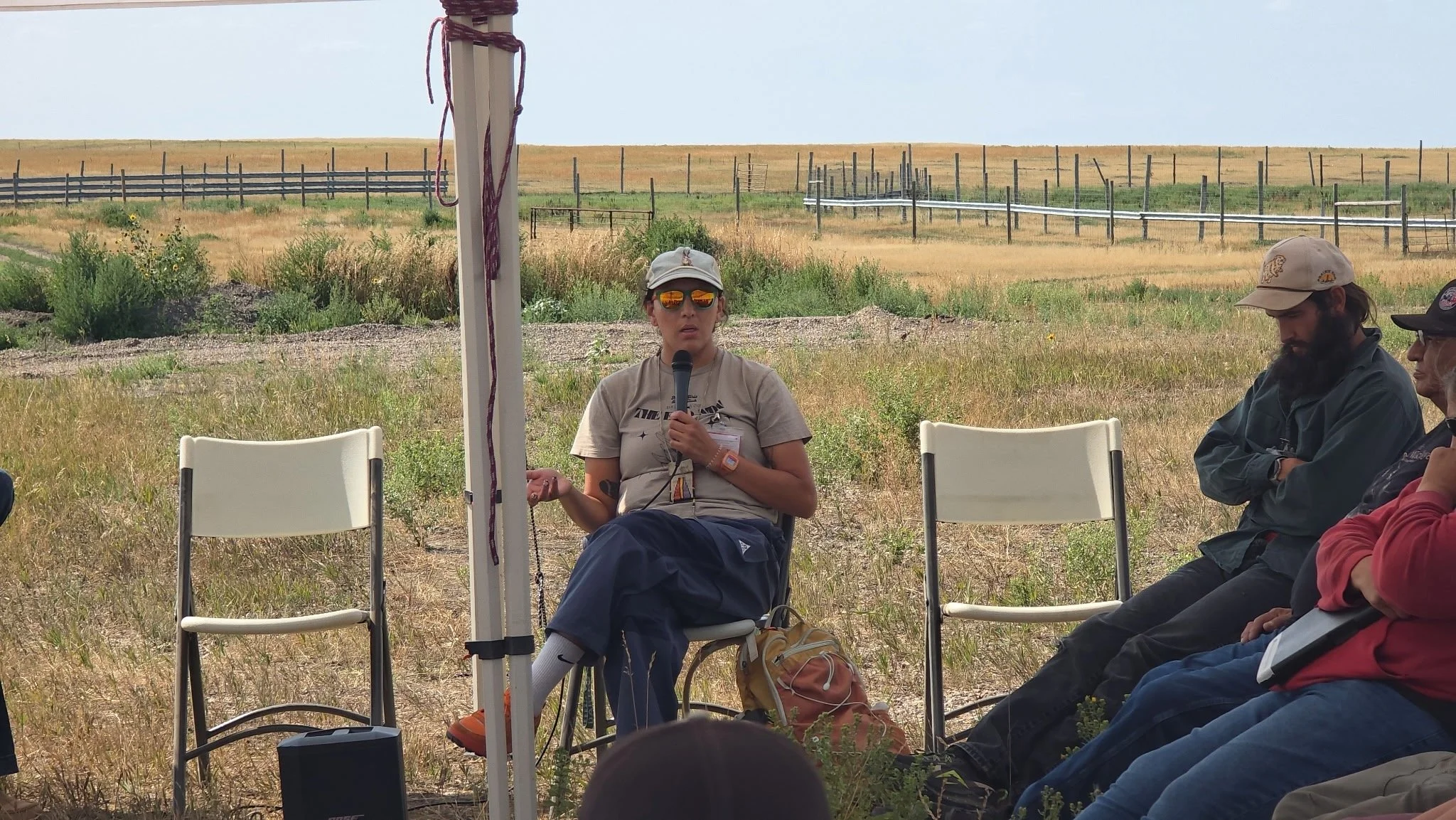
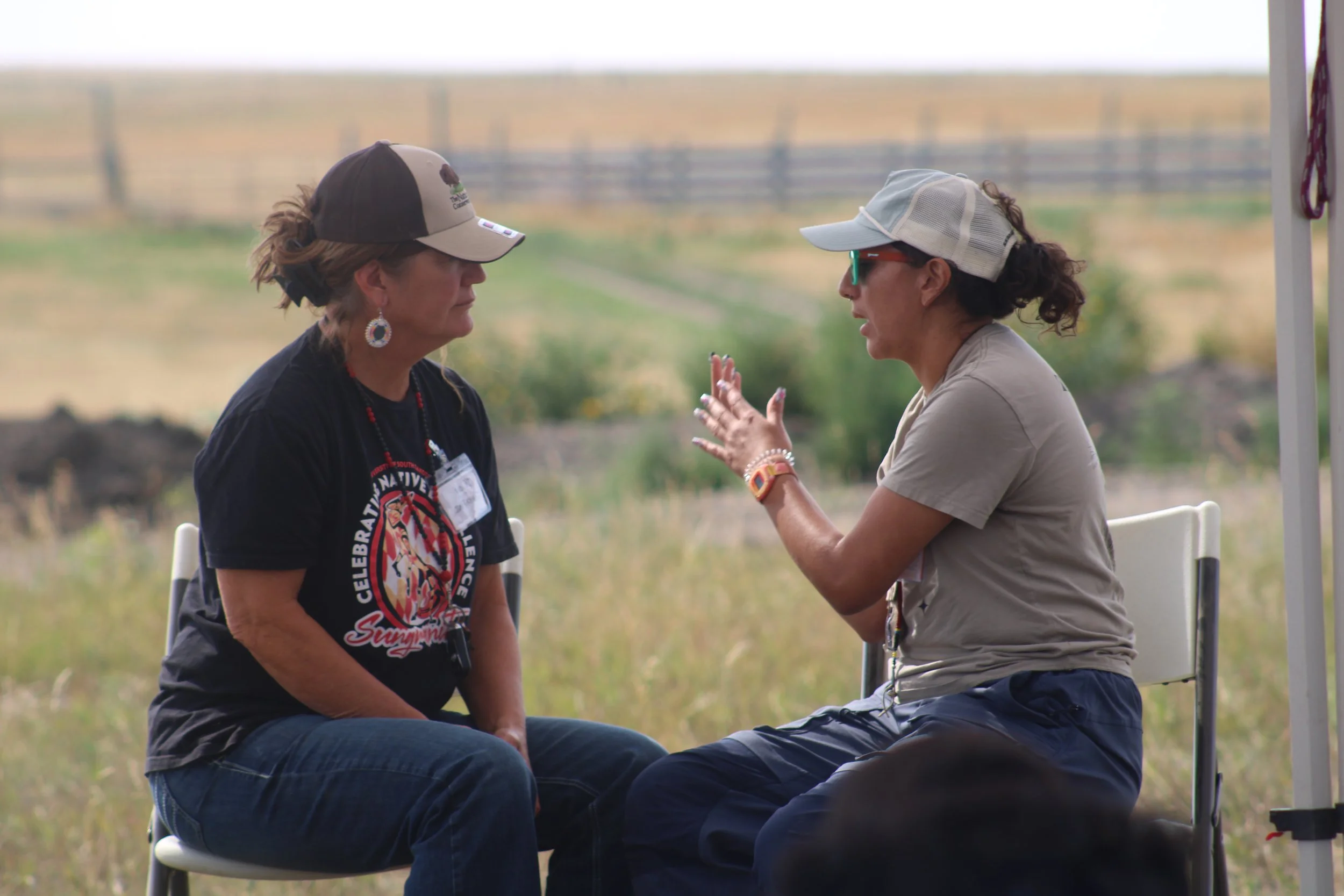
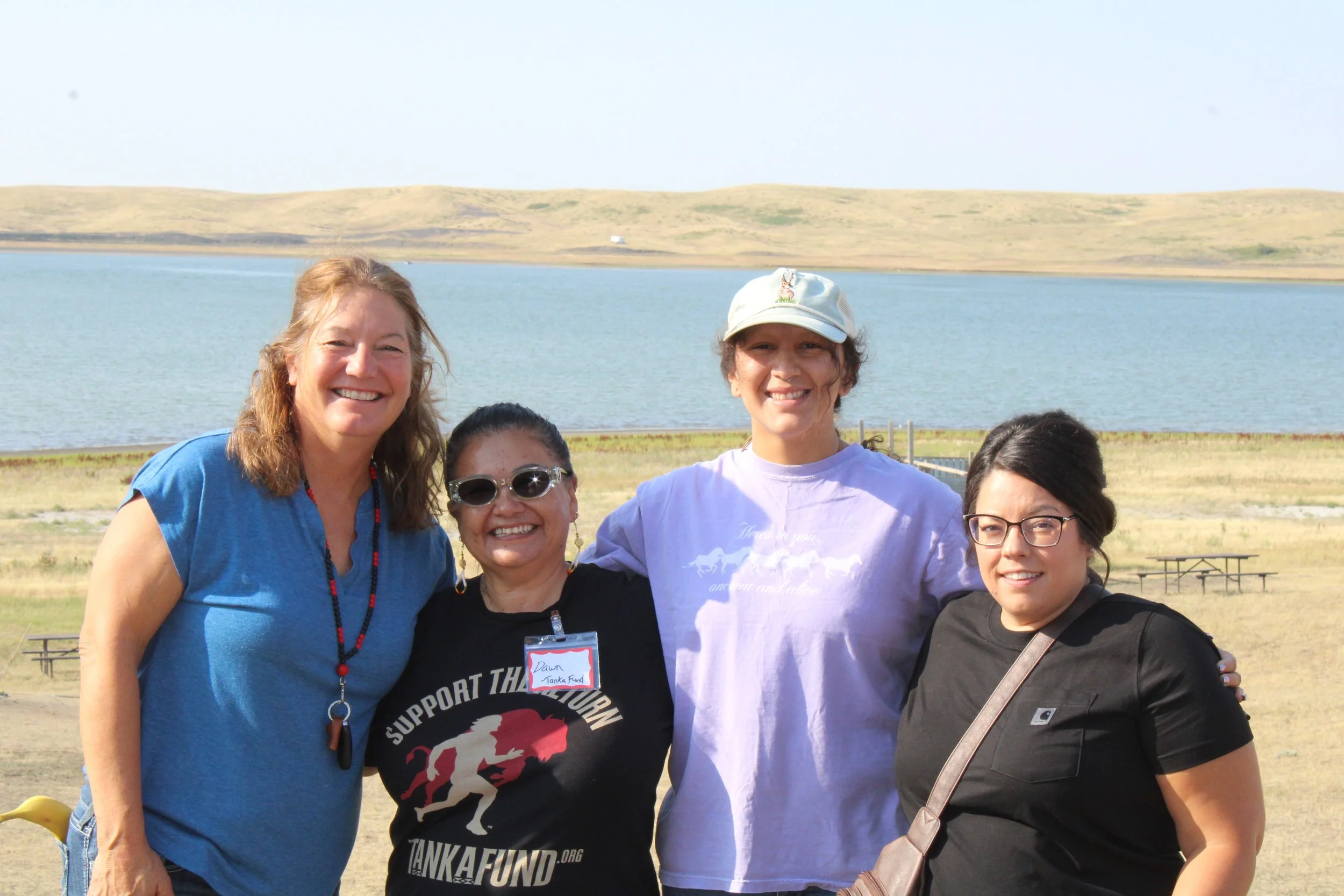
In early August 2026, Tanka Fund joined the Cheyenne River Sioux Tribe Buffalo Authority Corporation, the Intertribal Buffalo Council, The Nature Conservancy, the World Wildlife Fund, KGLC, and the Buffalo Nations Grasslands Alliance to produce the Tribal Nations Buffalo Grazing School at YMCA Camp Leslie Marrowbone. Thirty participants, drawn from Tribal herd managers and Indigenous Buffalo ranchers across the region, gathered for three days of instruction, field work, and conversation that went far deeper than any curriculum can capture on paper.
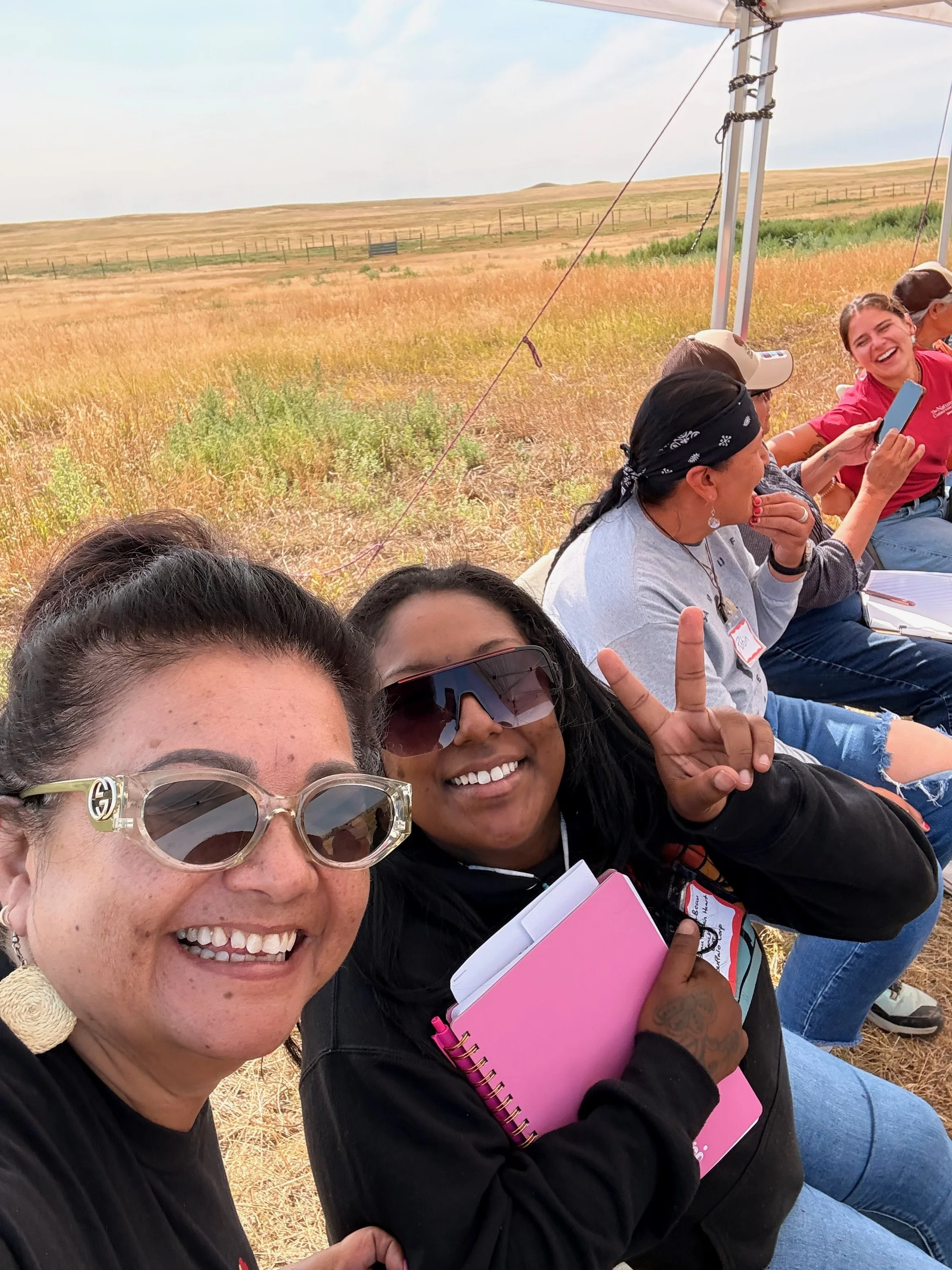
At Tanka Fund, we have spent enough time in rooms full of well-intentioned people talking about Native land and Native futures to know the difference between a conference and a gathering. This was a gathering.
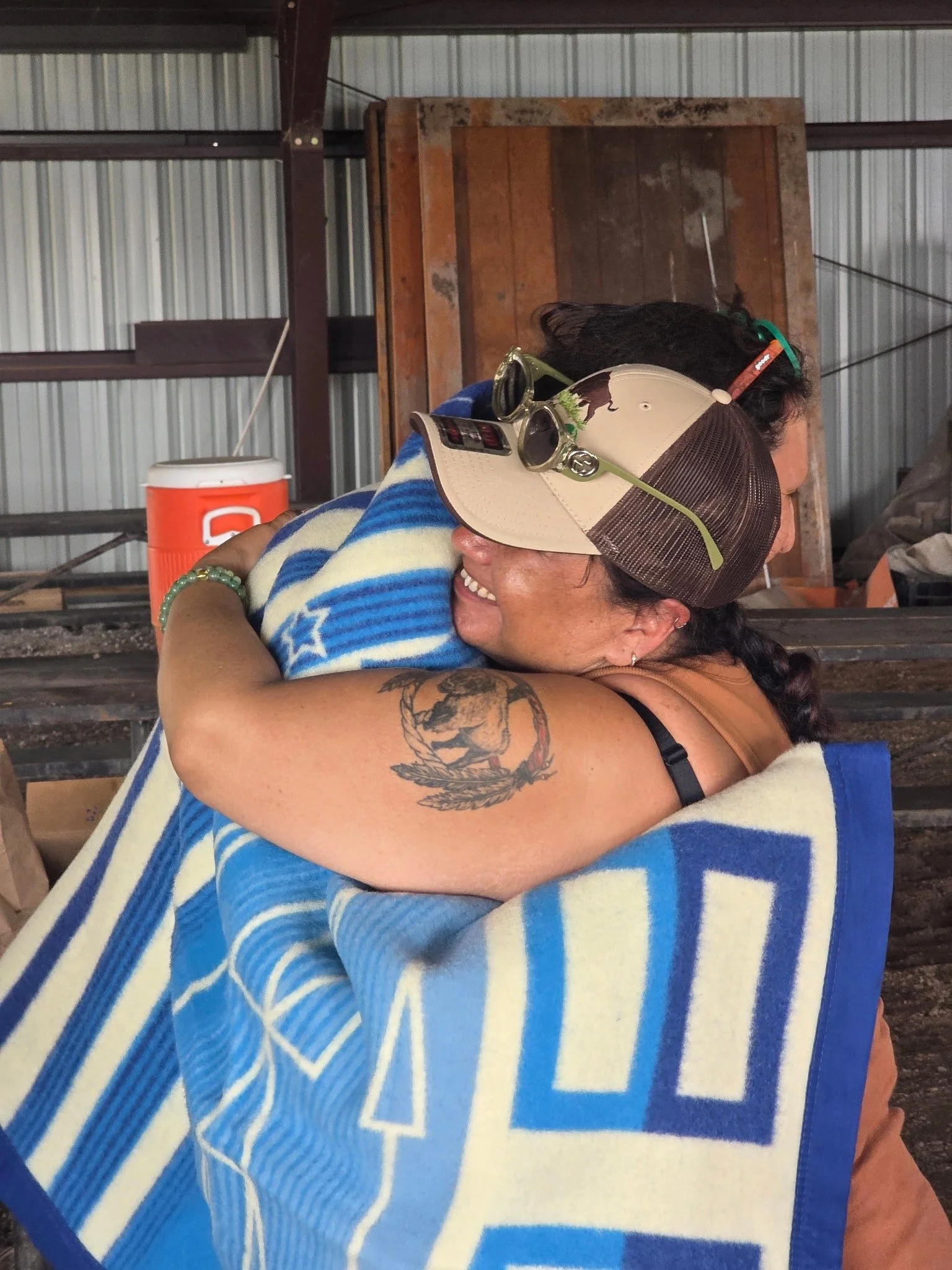
From the moment Ivan Looking Horse opened each day in prayer, to the evenings spent at picnic tables sharing meals and honest conversation, the school reminded everyone present of something essential: that the relationship between our people and the Buffalo is not a historical footnote. It is alive, and it is being rebuilt right now, one herd manager and one rancher at a time.
Learning From the Land
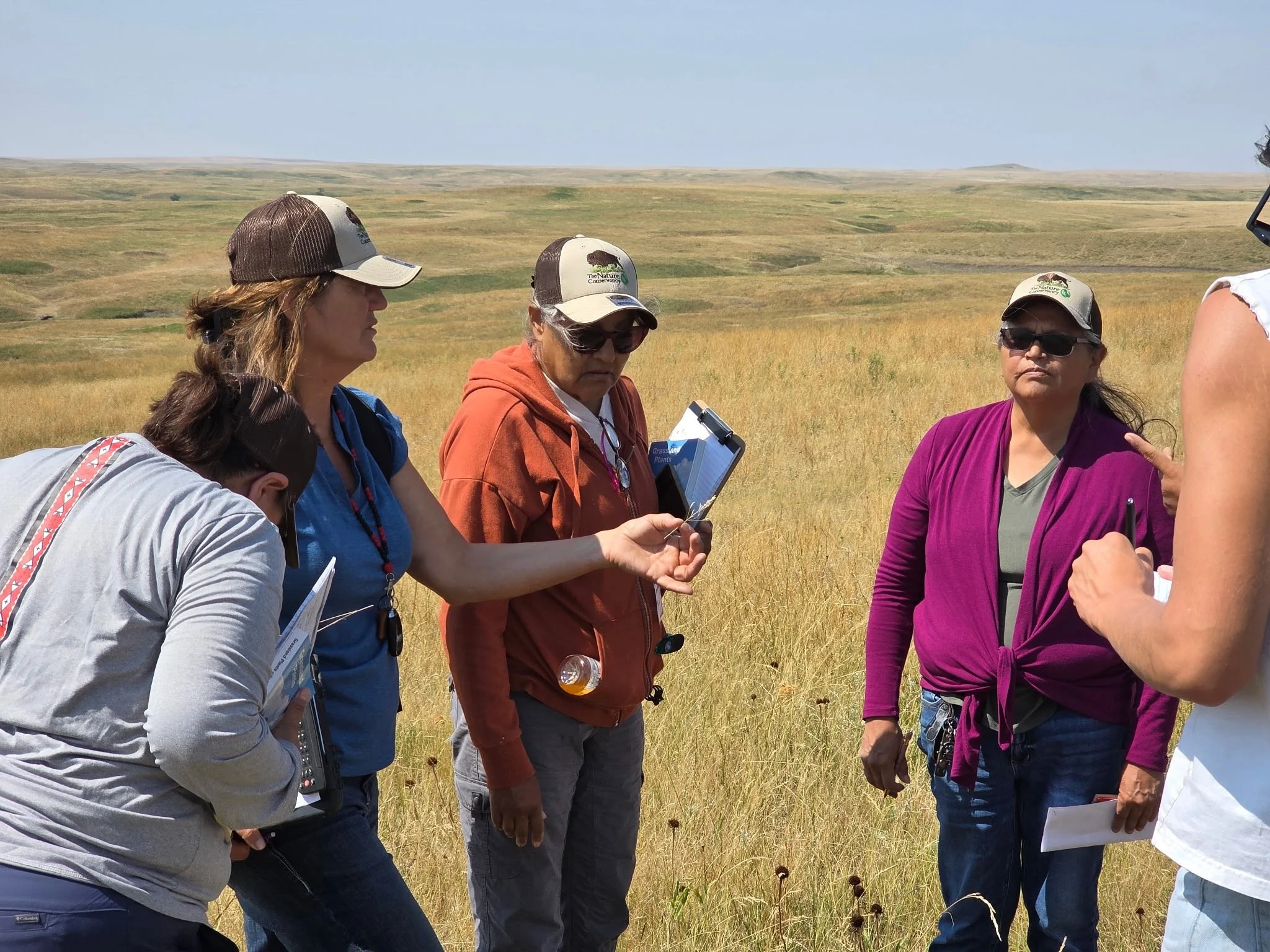
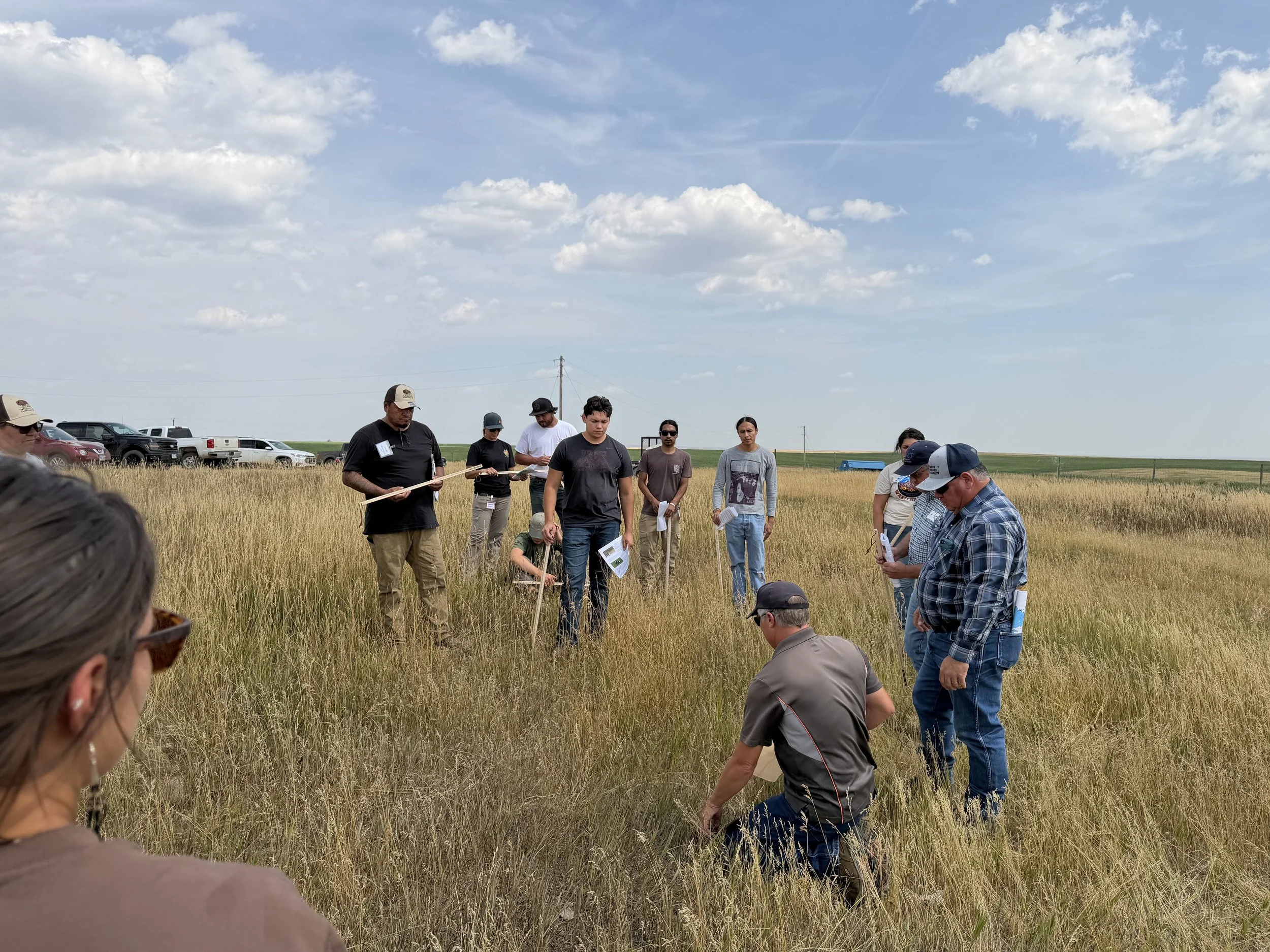
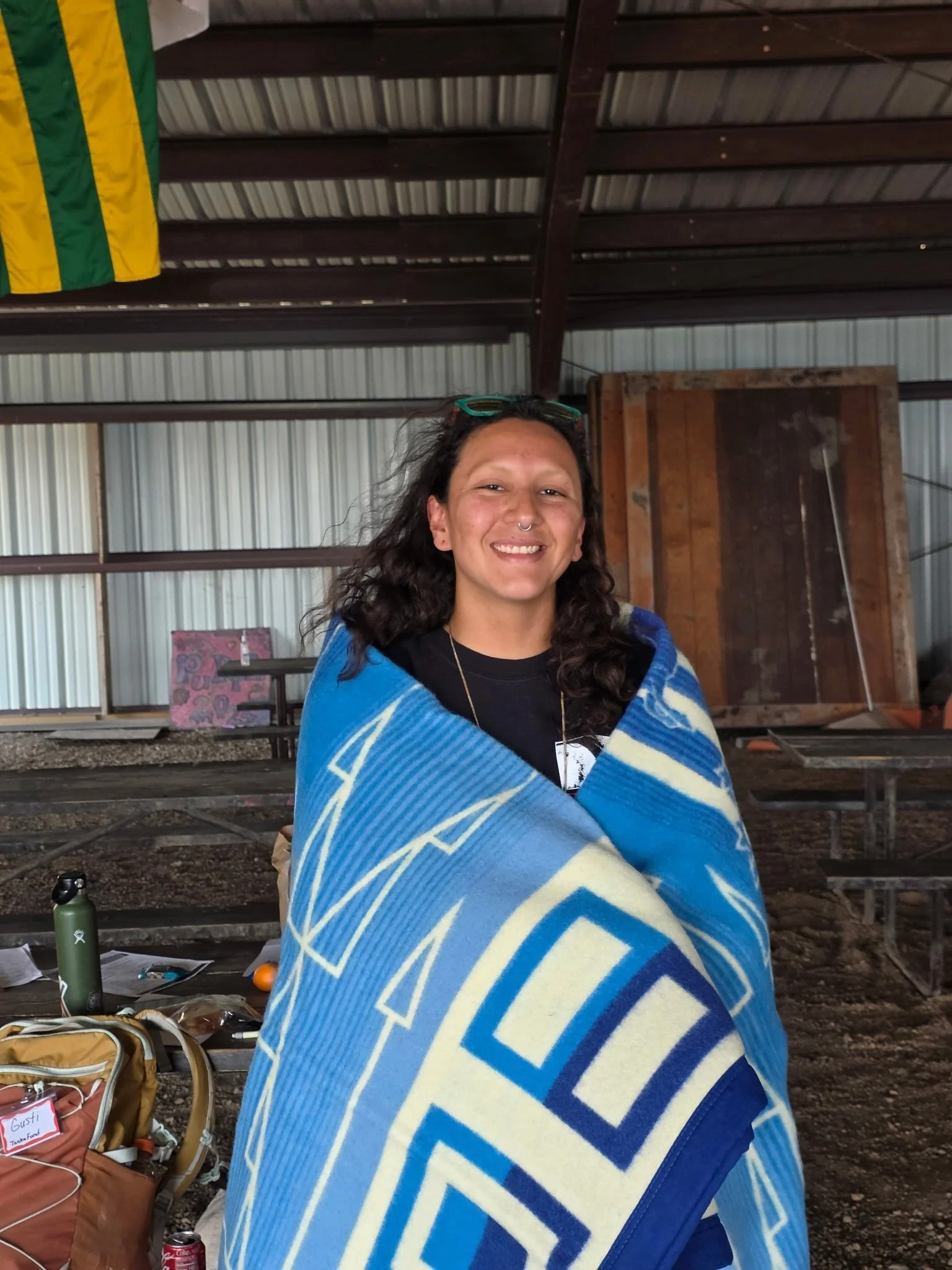
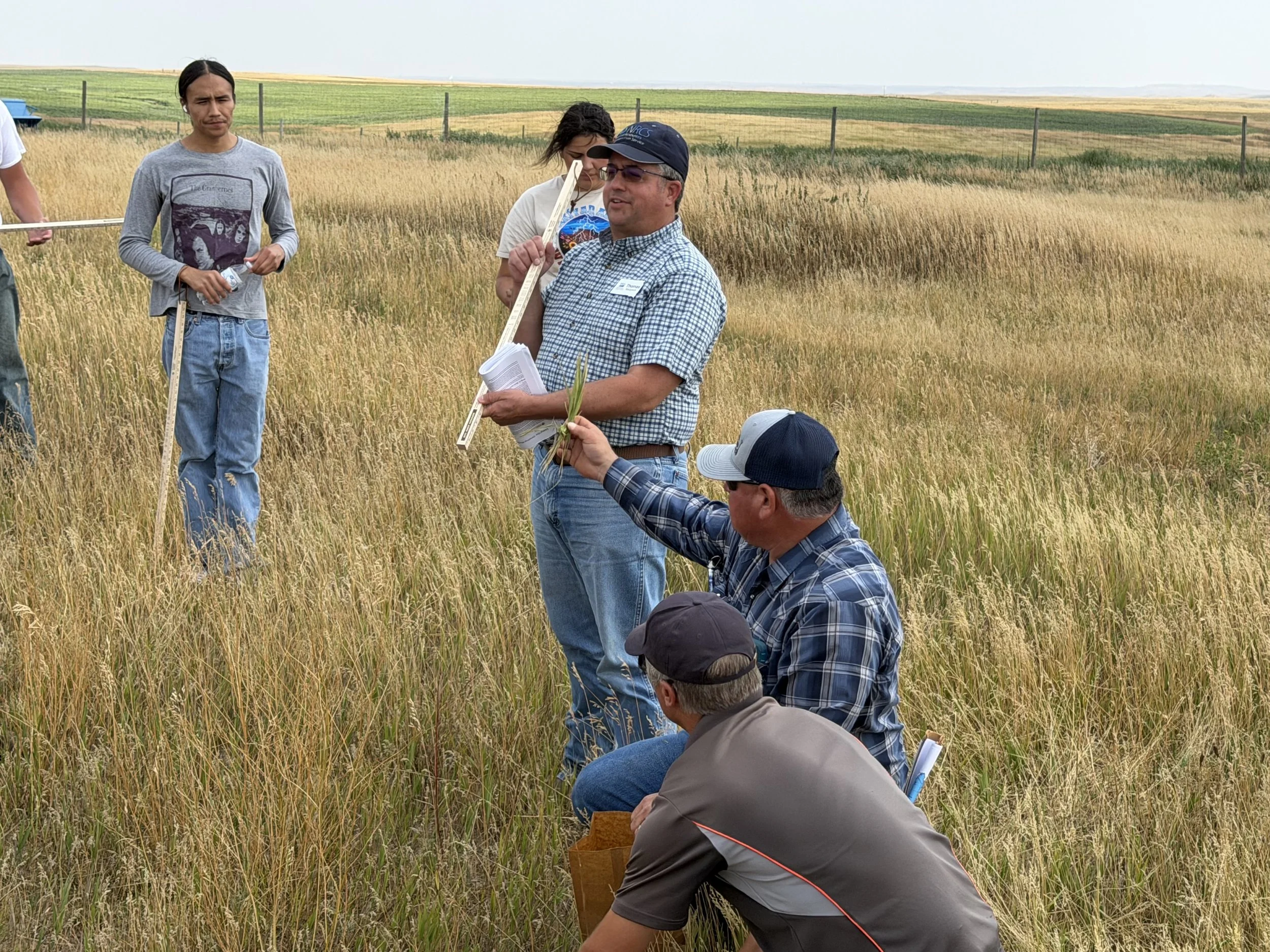
The curriculum covered the full scope of what it takes to manage a Buffalo herd in the modern era without losing the cultural integrity that makes the work meaningful in the first place. Participants worked through grazing science and biodiversity stewardship in the field. They learned plant identification and ethnobotany, walking the land at Blackfoot alongside instructors Chalmers Combellick, Trudy Ecoffey, Gusti Rattling Hawk, and Summer Afraid of Hawk. They dug into soil health monitoring, carrying capacity, overgrazing prevention, and the increasingly urgent topic of prescribed fire and patch burn grazing.
The agenda also included sessions on indigenized Buffalo management planning, grazing through drought, data collection and data sovereignty, and a full partner support roundtable on the final day. The Lakota Cultural Center brought food sovereignty into the conversation. Nothing was left out.
Walking the Red Road
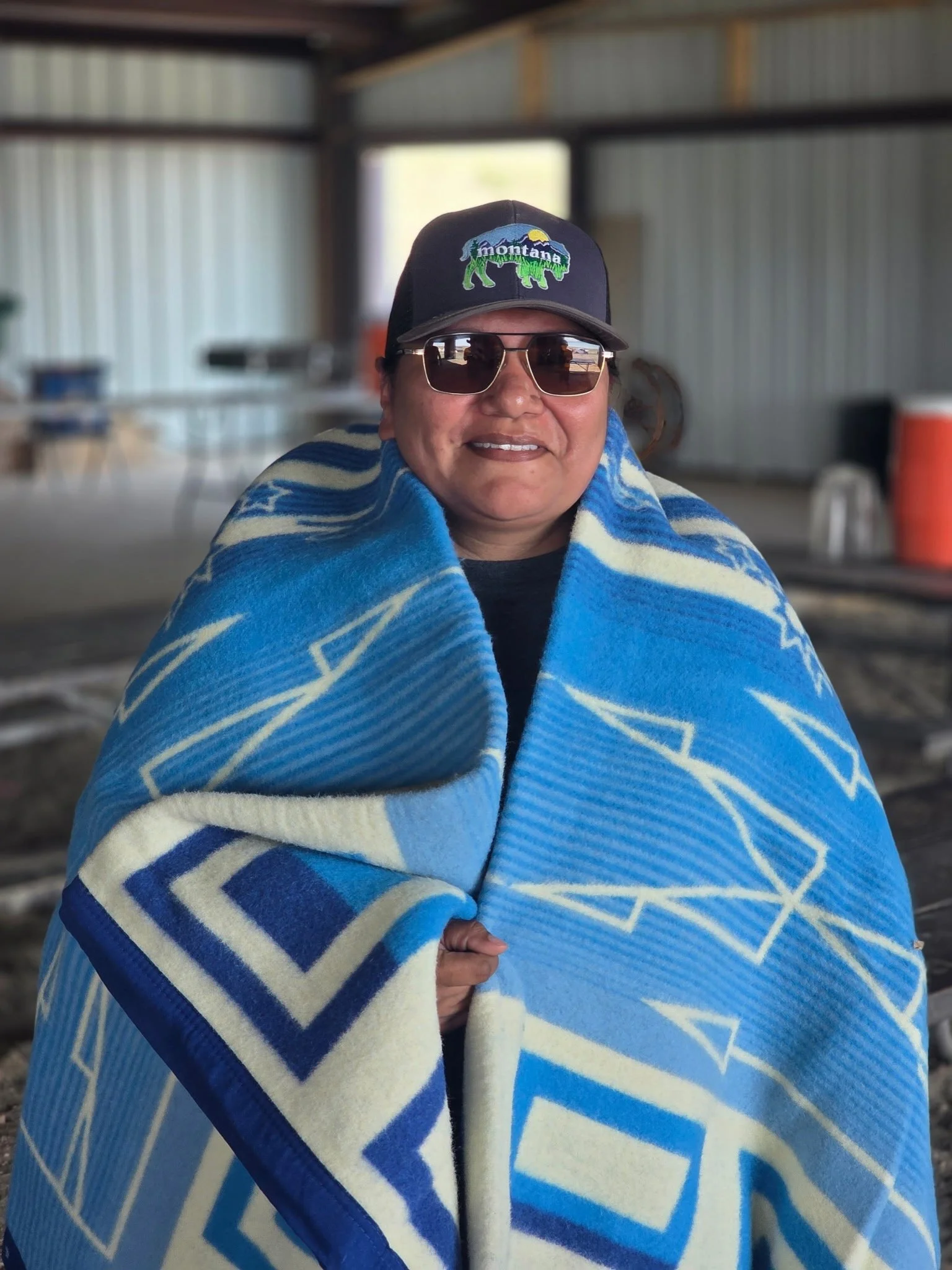
On the final morning of the school, we sat down with Jesse Brown, a Lakota from Standing Rock Nation, who grew up in the Bullhead area of South Dakota and has spent more than twenty-five years working his uncle's Buffalo ranch just east of where he was raised. Working alongside his uncle Ron, the relationship with the herd had changed him long before he ever walked into a classroom setting.
"Once I got to working with him and figuring out the differences and seeing how much more respect you need to have for the animal, it just kind of grows a bond."
Jesse came to the school after his uncle Ron forwarded him the flyer. He almost did not come.
"I kind of looked into it a little bit," Jesse told us. "I'm kind of used to working by myself out there, so I was a little intimidated. But then I was really interested in the cultural aspect of it and some of the detailed stuff we were going to be going over."
What he found exceeded what he expected. Jesse had questions at home that kept hitting walls: detailed questions about the land, the soil, the grass, the invasive species quietly crowding out the native plants that Buffalo depend on. At the school, those questions found answers. And the answers opened new ones, which is exactly what good teaching does.
"Mainly just to walk in the Red Road, you know, so it's opened a lot of doors for me."
Jesse came to the school at a meaningful moment in his own life. He spoke about reconnecting with his spirituality, going to sweat, and participating in Sundance for the first time this year. He is considering school in the fall, something in the field, because he wants to build on what he and his uncle have already started. The school gave him language for things he already knew and tools for things he was still figuring out.
When we asked whether the experience had sparked the continuing education he had already been sitting with, his answer was immediate: yes. He talked about his uncle getting older and wanting to see him rest more, about the next generation needing to carry this forward, about wanting to make sure the land and the Buffalo benefit from everything he is learning. This is what succession and sovereignty look like when they are working.
"It's really inspiring," Jesse said of the animals. "Awesome to see healthy animals come in and leave healthy."
That sentence is, in its own way, the entire mission of Tanka Fund.
The Road Ahead
The Tribal Nations Buffalo Grazing School is not a one-time event. The work it represents is this: returning Buffalo to Native lands in a way that is ecologically sound, culturally grounded, and economically viable for Tribal families. That is a long-term commitment, and Tanka Fund is proud to be part of a coalition of partners who understand it.
There is real momentum here. Across Cheyenne River, Standing Rock, and beyond, ranchers like Jesse are doing the work, asking better questions, building networks, and bringing their whole selves into a practice that their ancestors carried for thousands of years before disruption. The grazing school exists to make sure that knowledge does not have to be rebuilt from scratch by each new generation. It can be passed forward deliberately, person to person, in the field and around the table.
Jesse said it best when we asked whether he would recommend this experience to others.
"Absolutely," he said. "It's a gathering. Meet locals in the area who are like-minded people doing the same things. It's definitely something that's going to benefit all of us in the long run, as Indigenous Native people. A good way to come together in a good, happy, healthy way."
That is what Tanka Fund showed up to support in August 2026 on Cheyenne River land. And if the next one is held out Jesse's way, near Standing Rock, we will be there.