The fight for our Buffalo relatives continues
Summary
More than a century after Buffalo were nearly wiped out, Indigenous communities and partners are still working to restore and protect Buffalo relatives. During the Bison 250 events in Washington, D.C., Tanka Fund joined a historic coalition to educate policymakers, strengthen partnerships, and advocate for Buffalo restoration and Native communities.
5 Key Points
Buffalo slaughter devastated Plains Nations
Tens of millions of Buffalo were killed in the late 1800s, disrupting Indigenous food systems, economies, and cultural lifeways.The Buffalo skull image remains symbolic
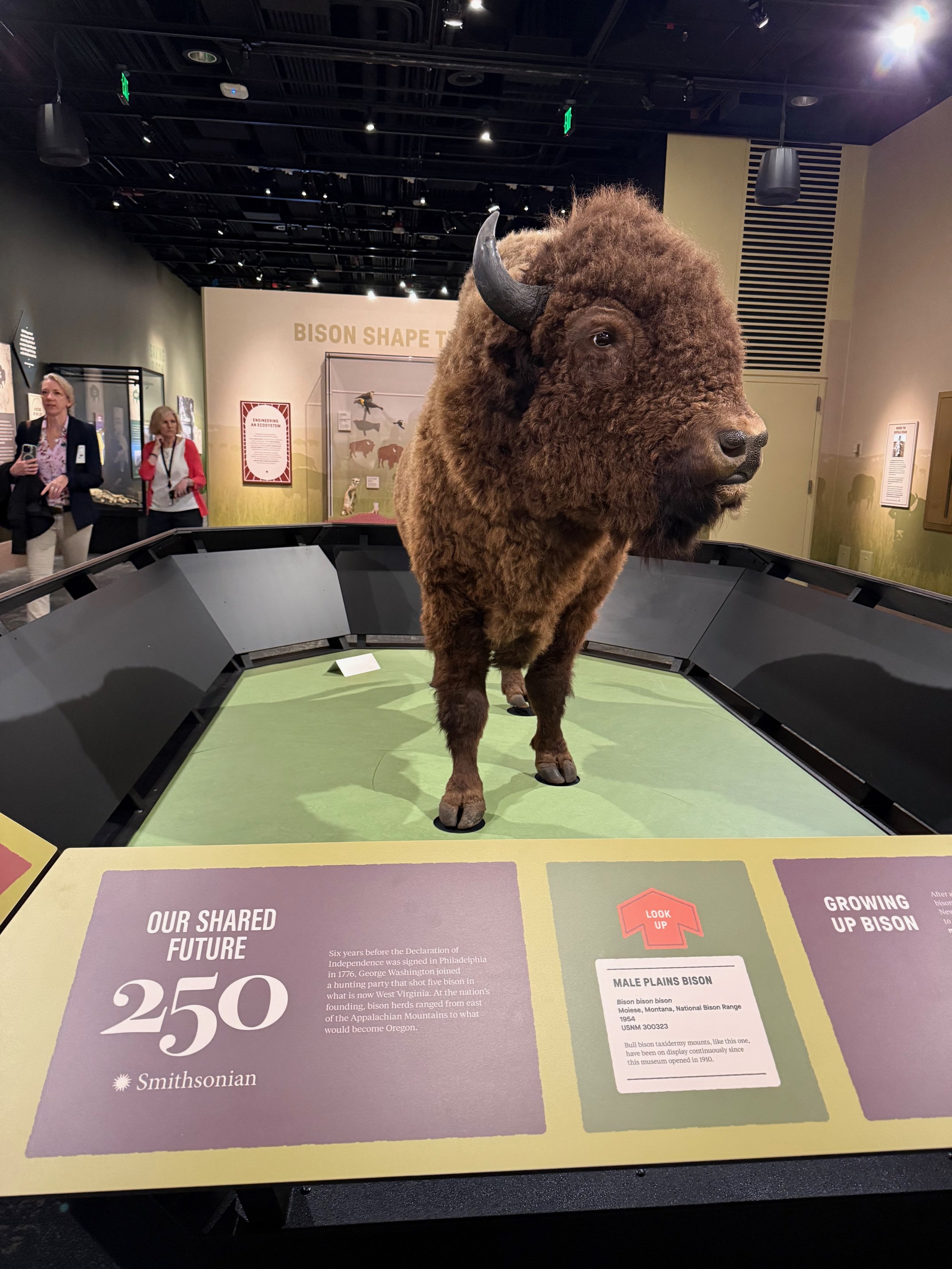
The Smithsonian display serves as a reminder of both historical loss and the ongoing work of restoration.Tanka Fund joined the Bison 250 coalition
Tanka Fund partnered with organizations like the Smithsonian, WWF, and InterTribal Buffalo Council to advocate for Buffalo restoration.Tanka Fund centered Native community voices
The organization highlighted what Buffalo restoration means for Native communities and ranchers doing the work daily.Collaboration was the biggest takeaway
Leaders emphasized the power of organizations coming together to build solutions and support Buffalo relatives collectively.
Read longer story below.
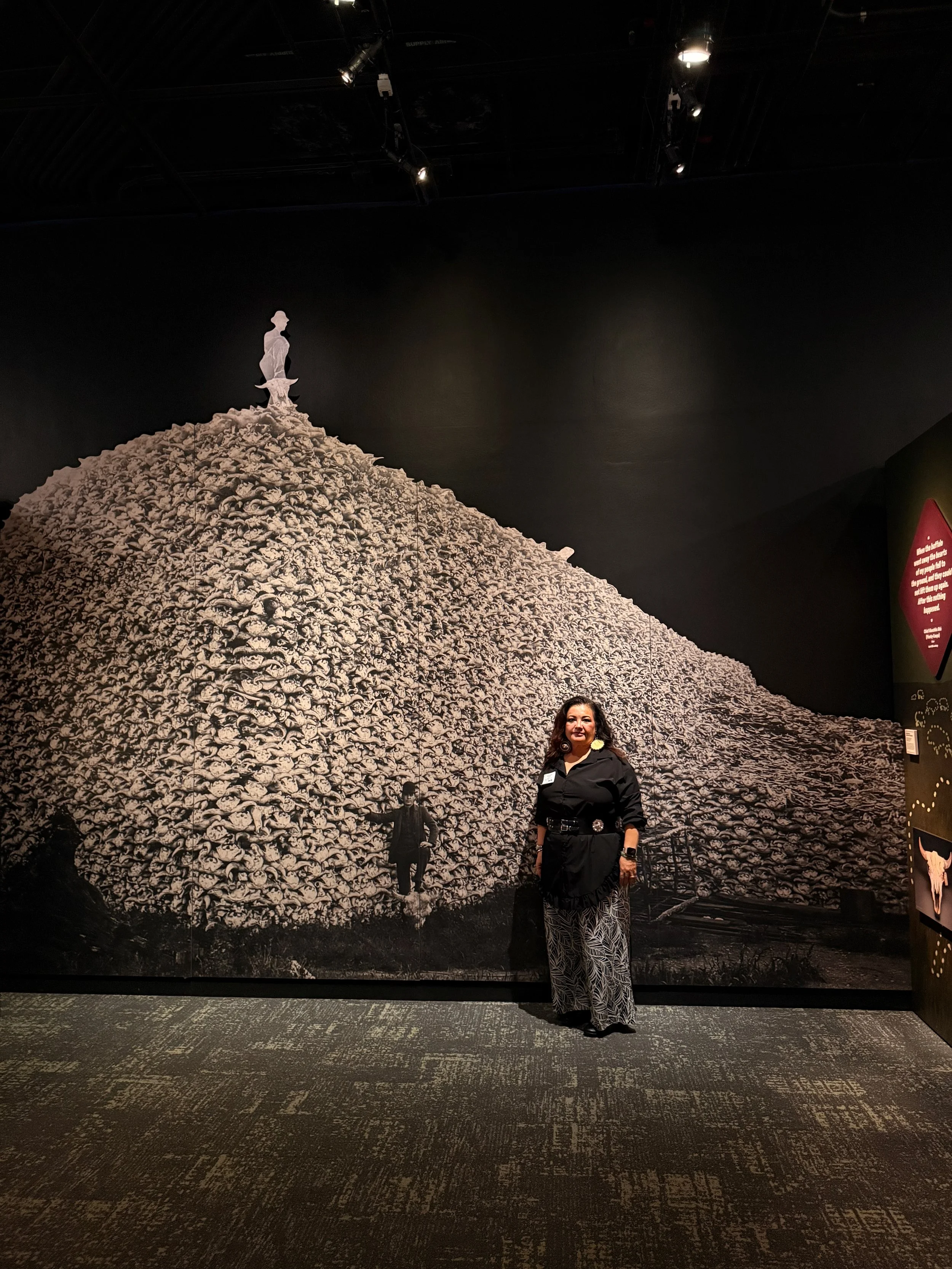
It’s been over a century since this photo was taken, and we are still fighting for our Buffalo relatives today.
The towering Buffalo skulls capture the aftermath of near eradication in the late 1800s, when tens of millions of Buffalo were killed through commercial hide hunting. This destruction of Buffalo disrupted the food systems, economies, and cultural practices of Plains Nations — a reality reflected in the chilling, military objective, “Kill every Buffalo you can! Every Buffalo dead is an Indian gone.”
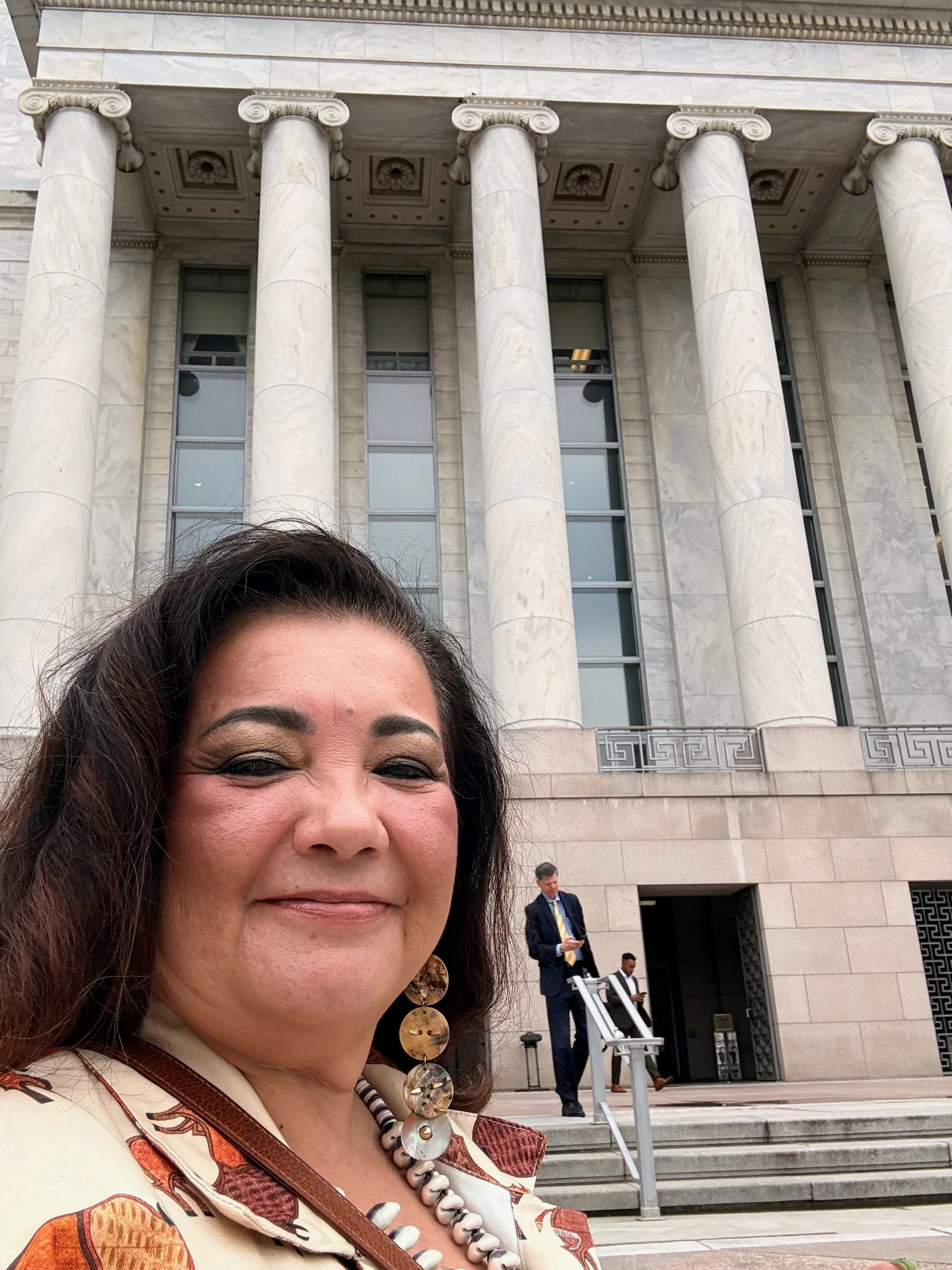
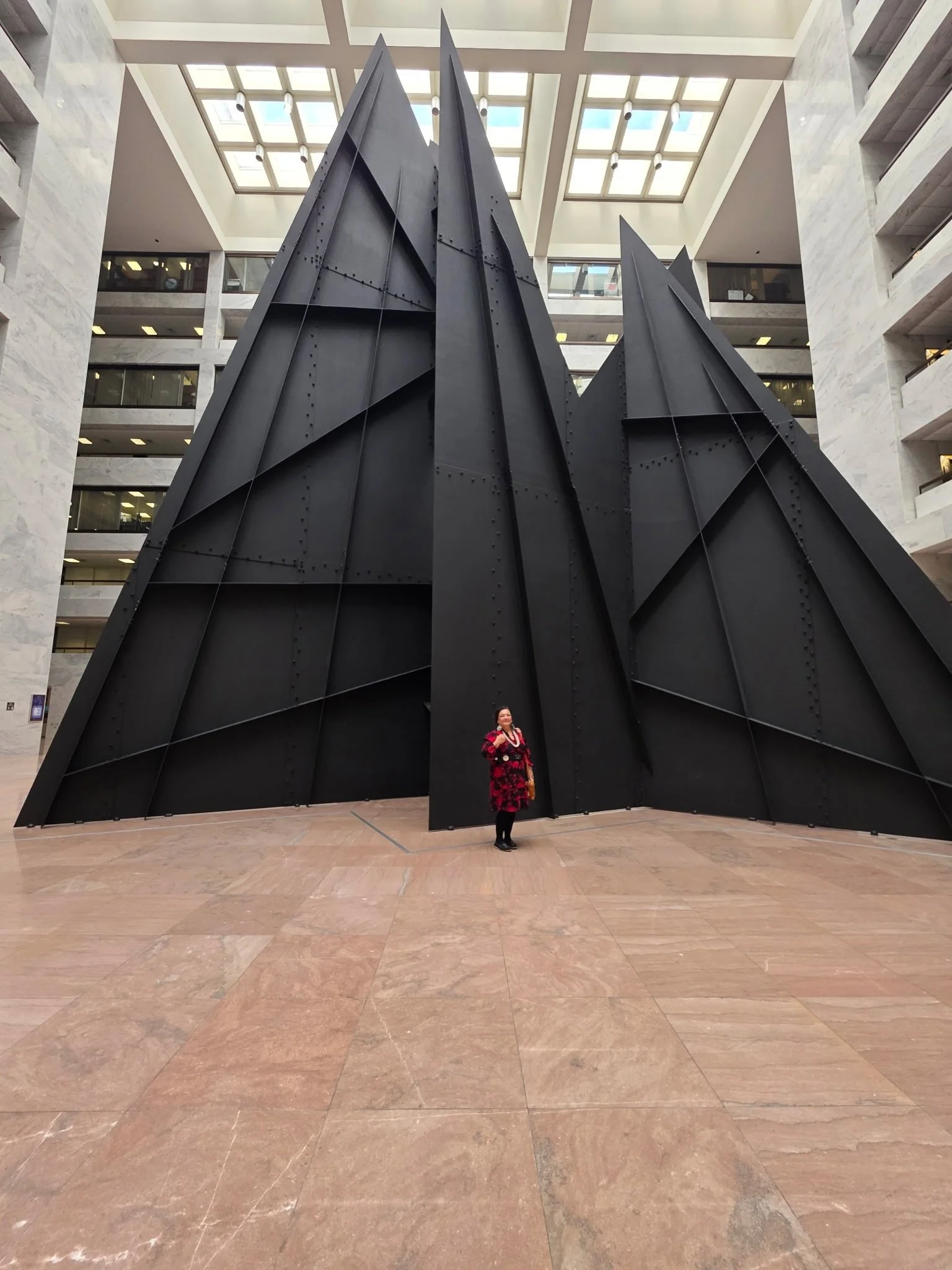
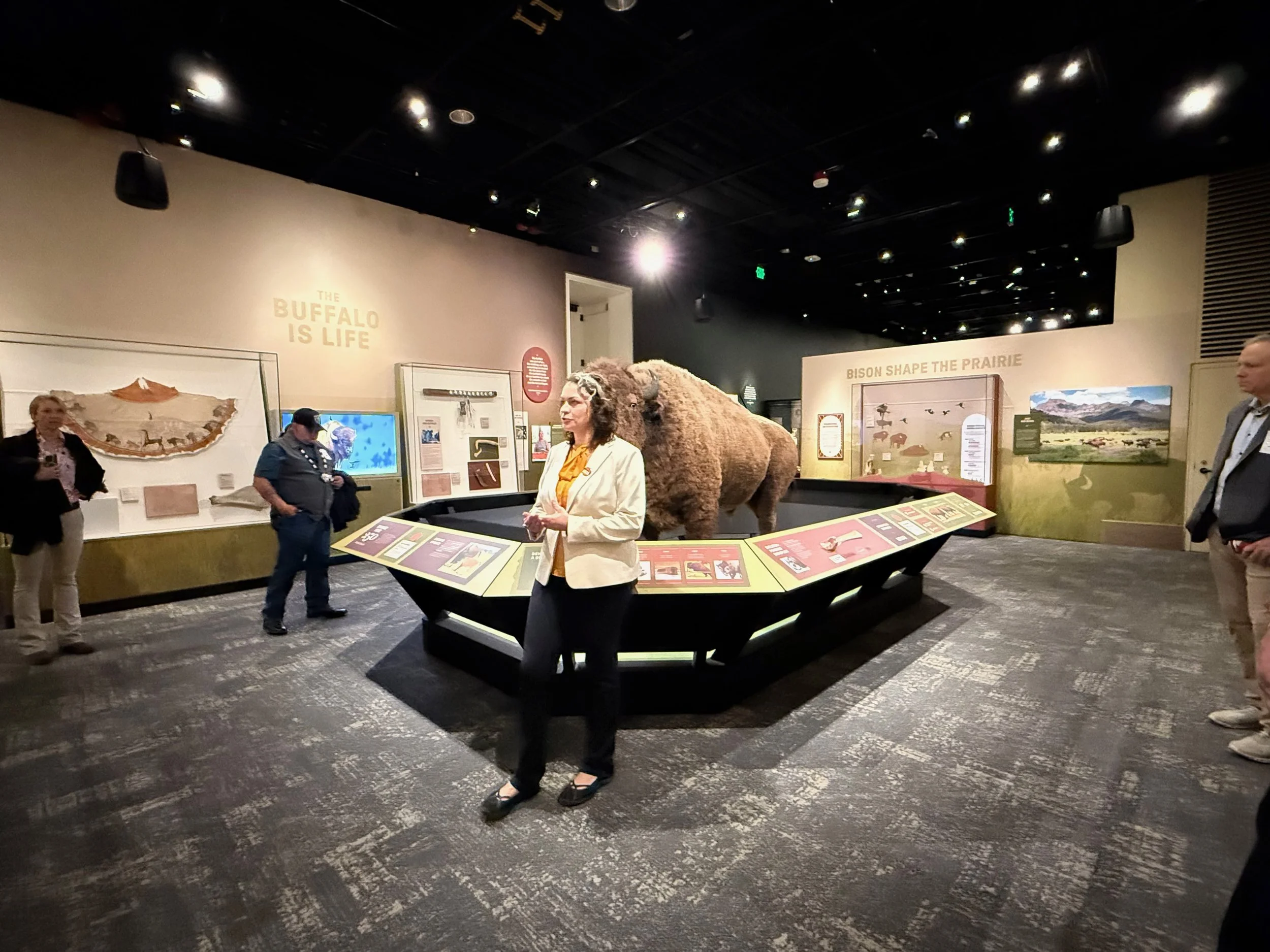
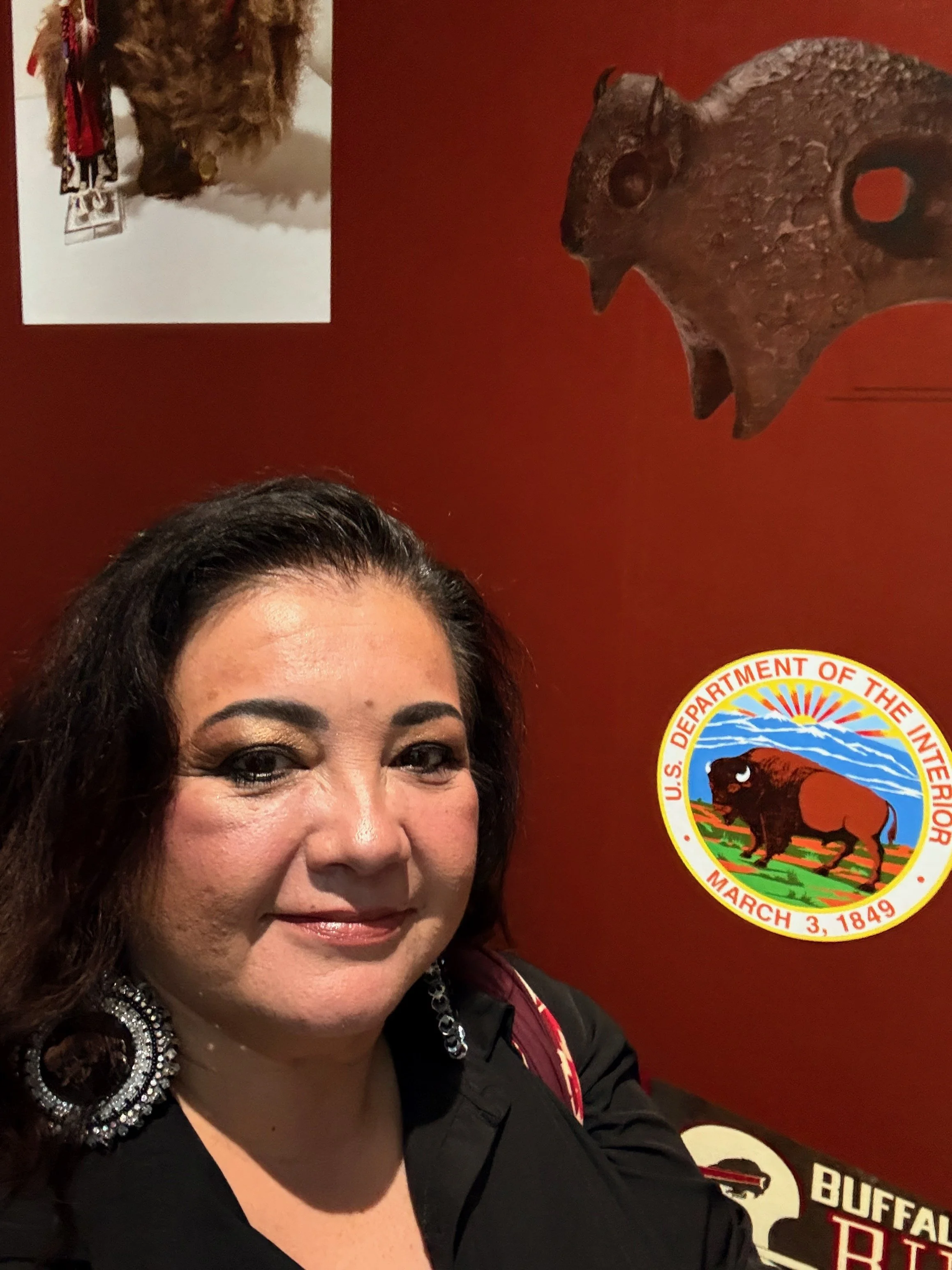
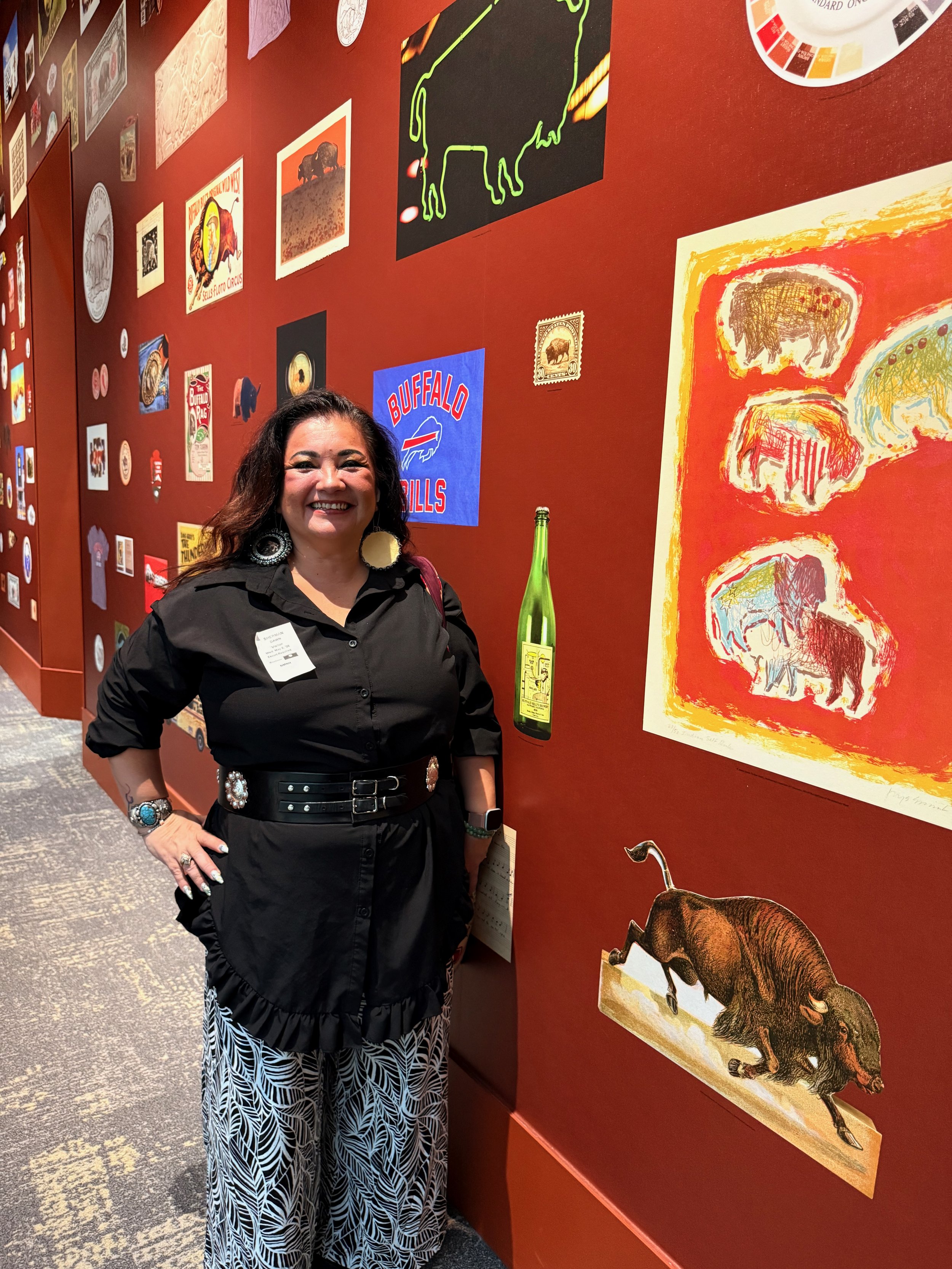
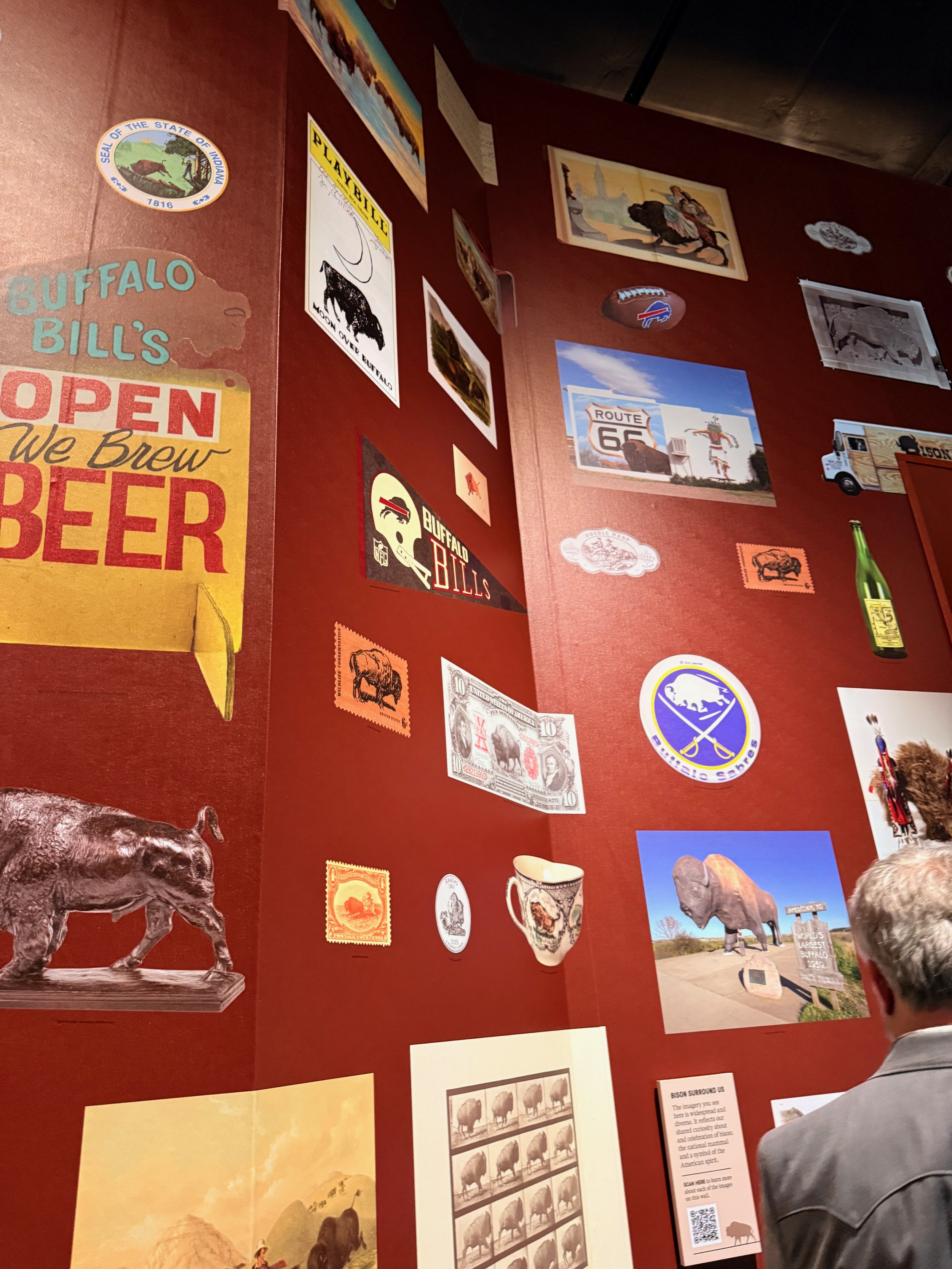
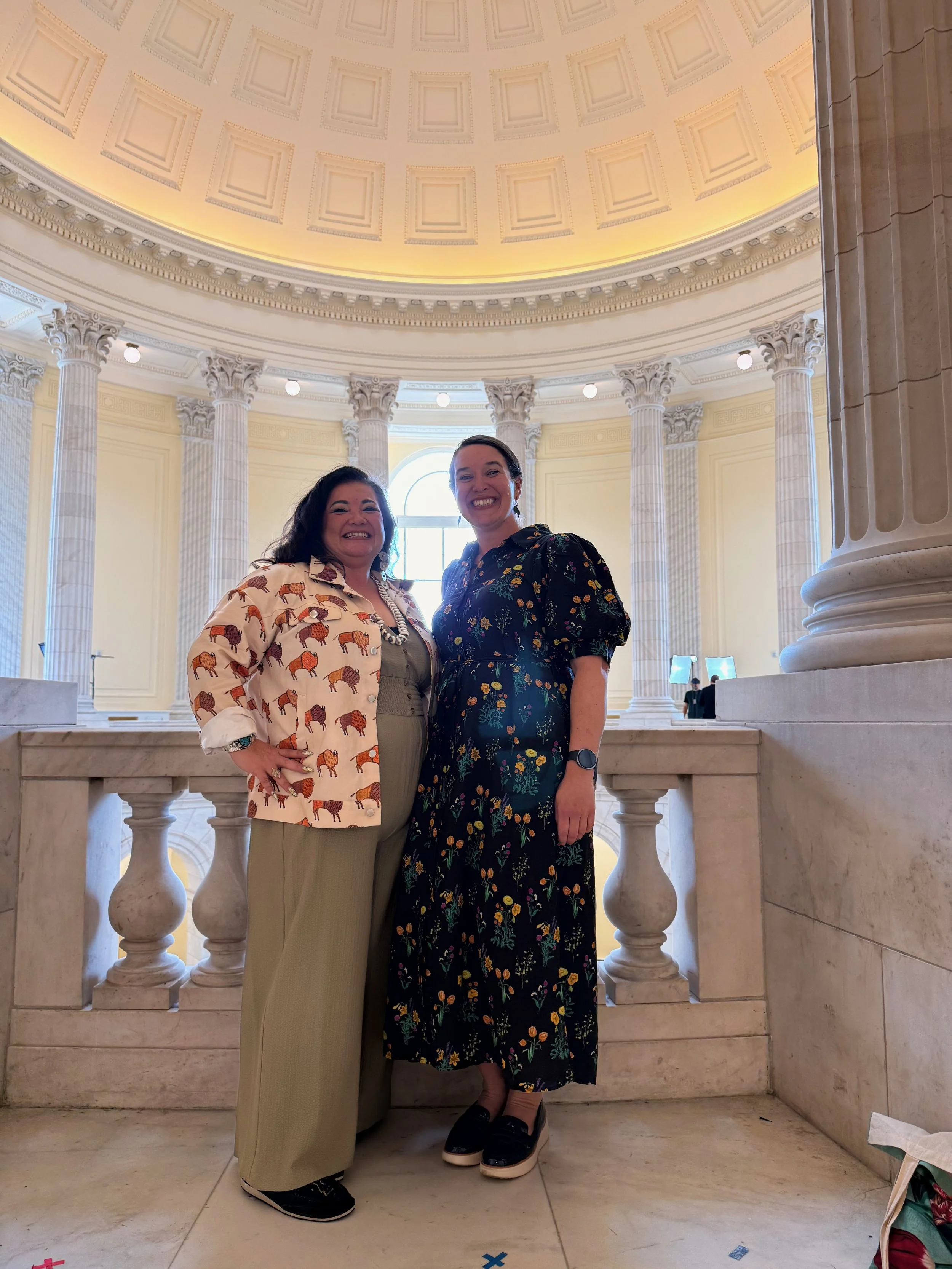
The eerily iconic, larger-than-life version of this image that Tanka Fund Executive Director Dawn Sherman stands before at the Smithsonian during Bison 250 events this month in Washington, D.C. is a reminder that the story of Buffalo continues through championing their restoration and return.
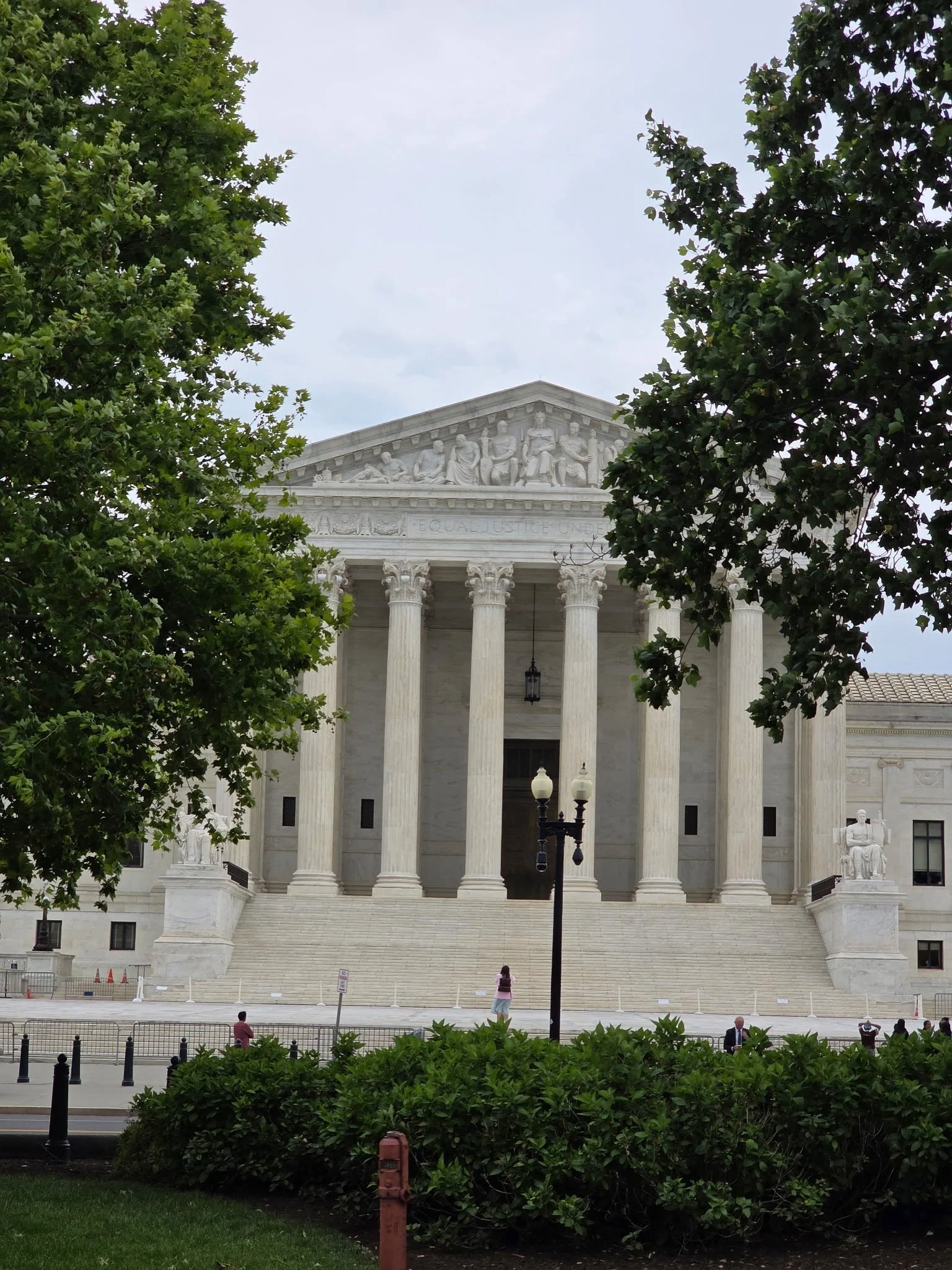
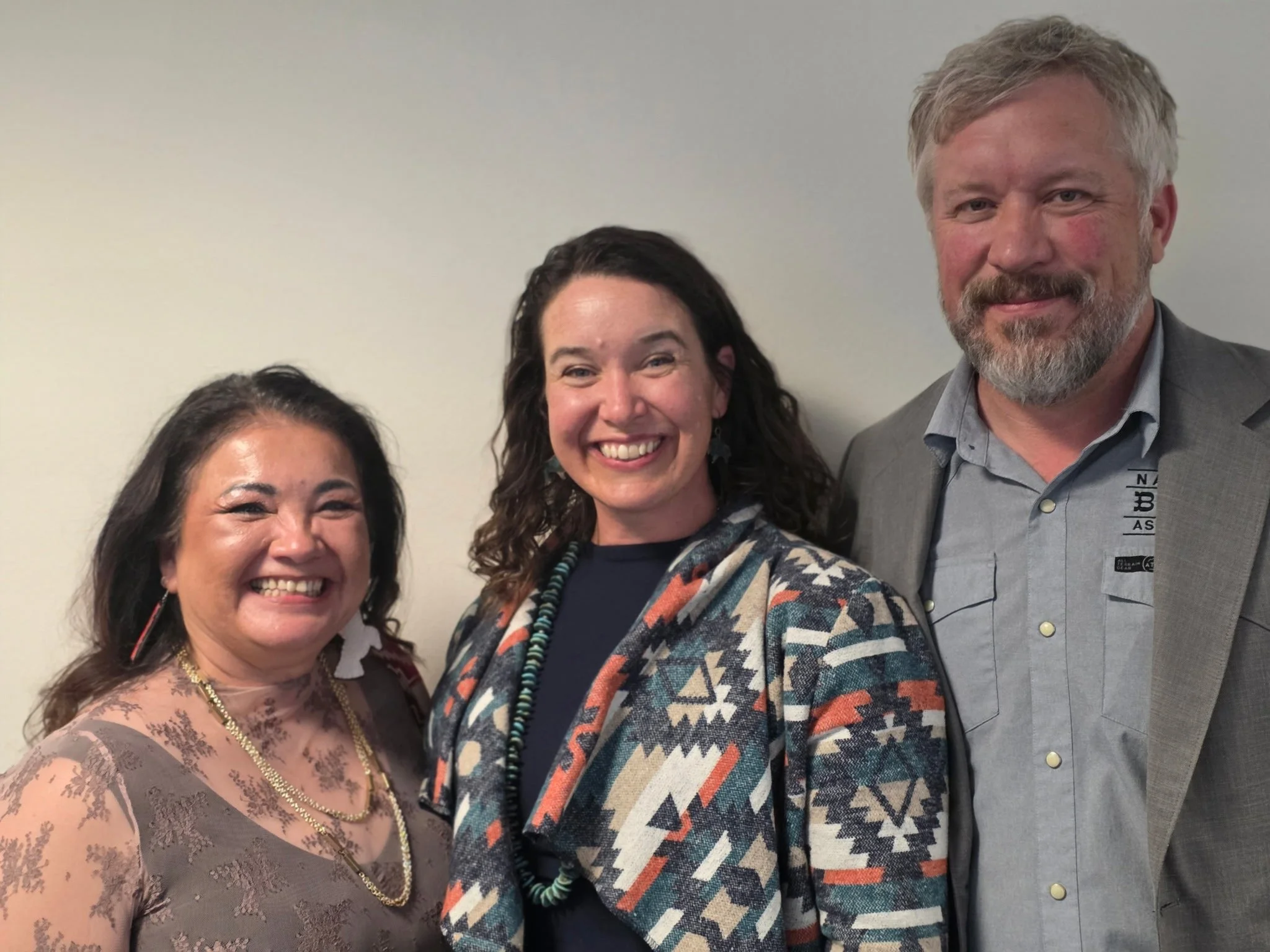
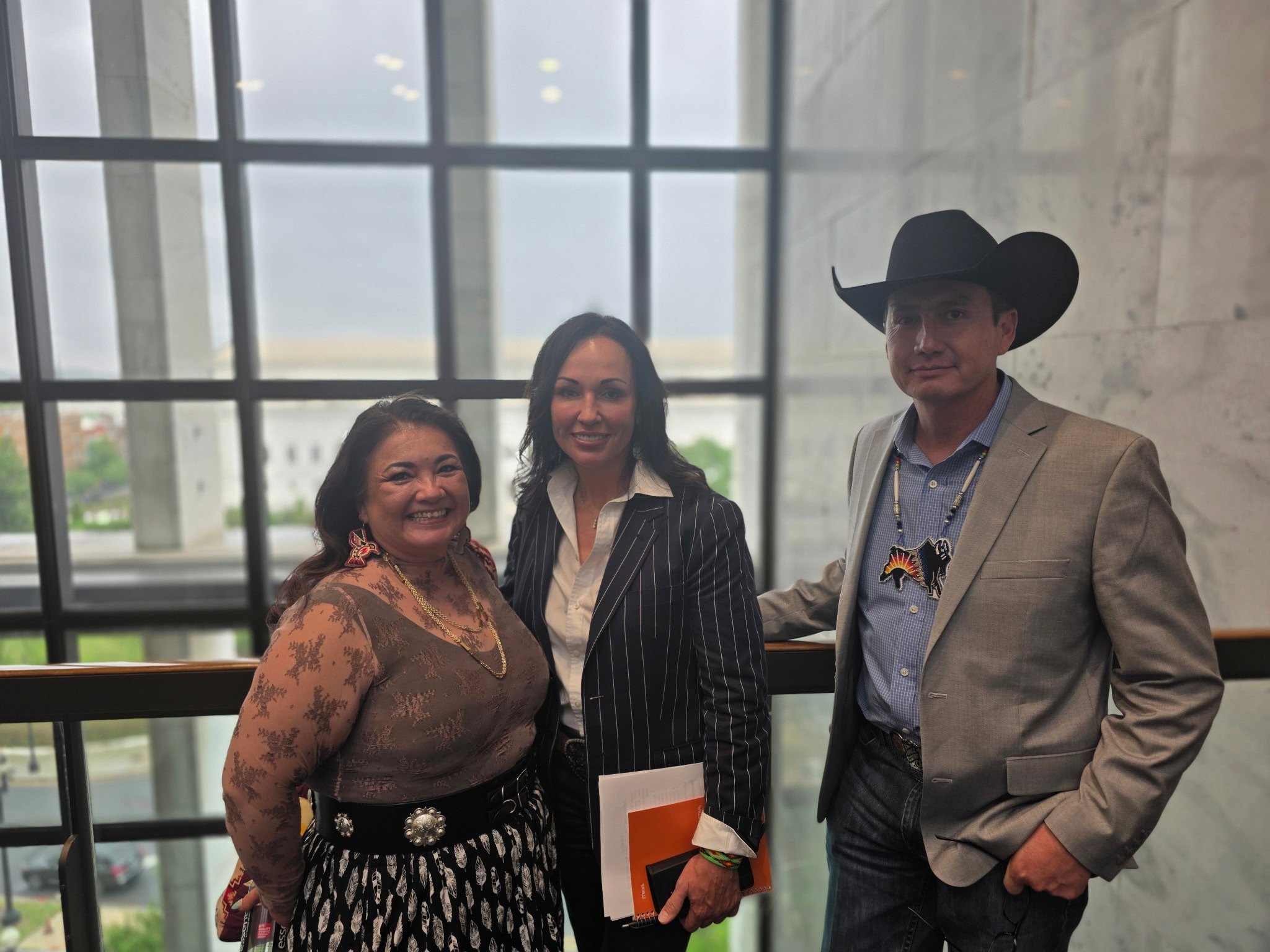
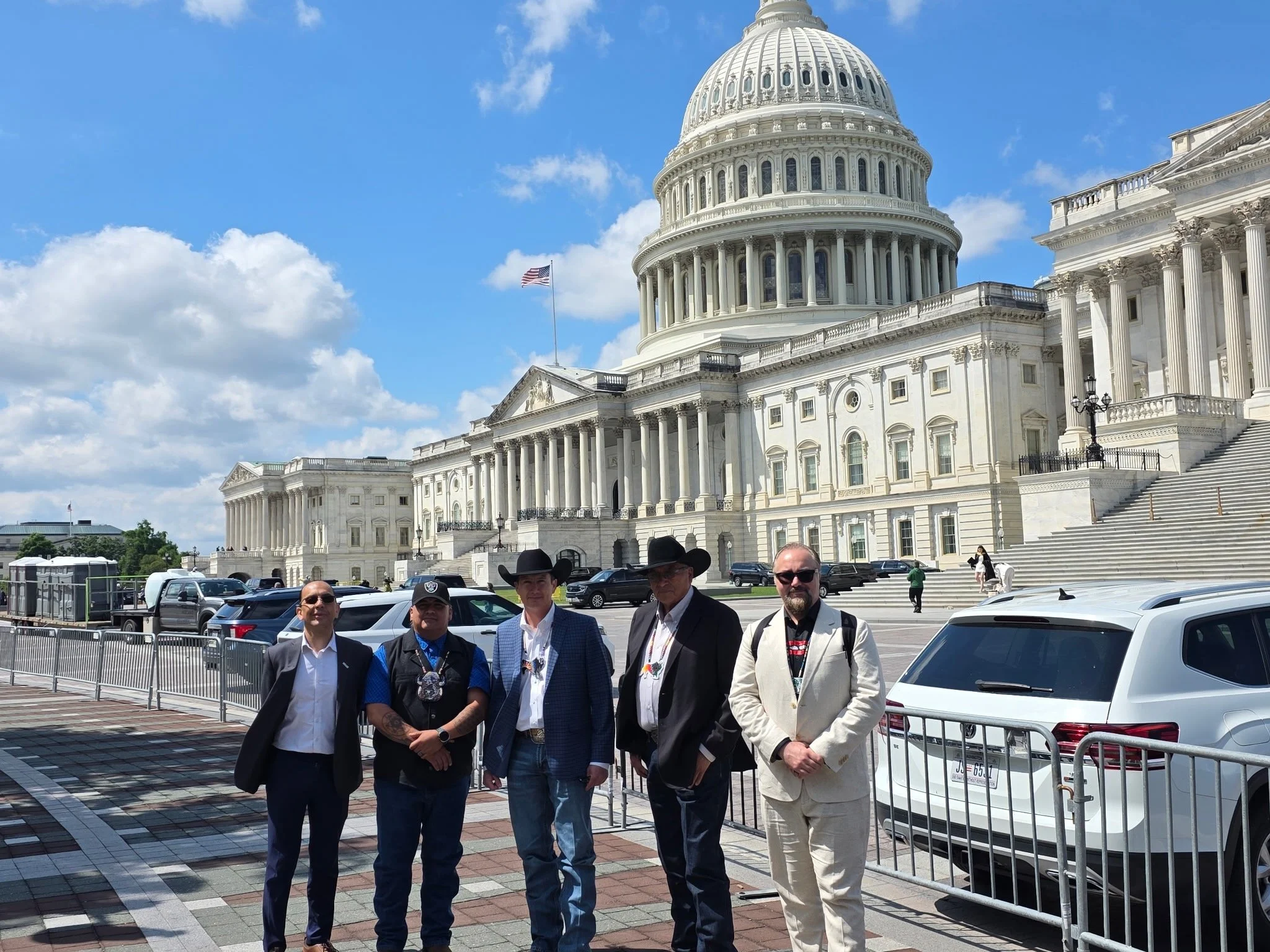
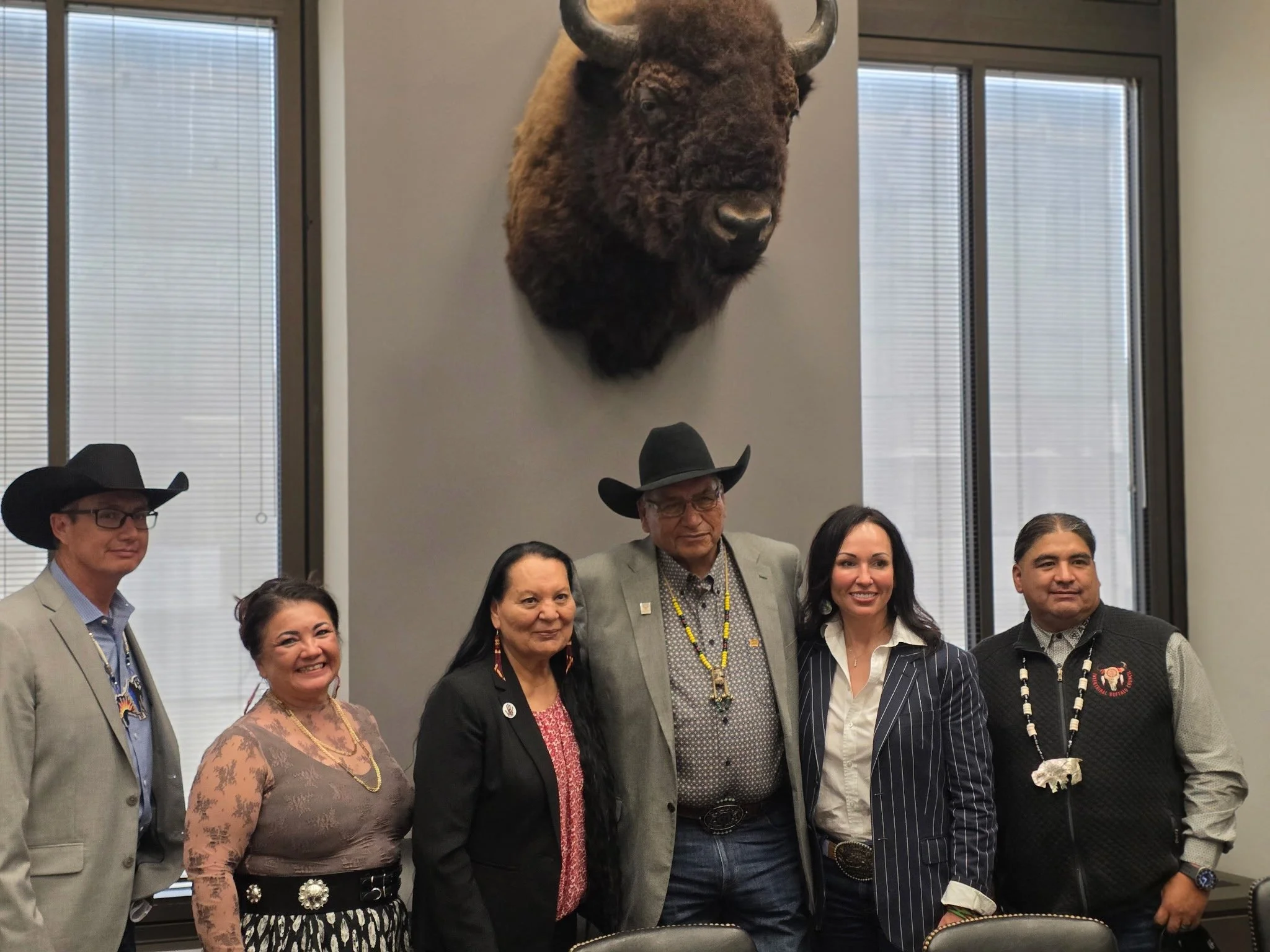
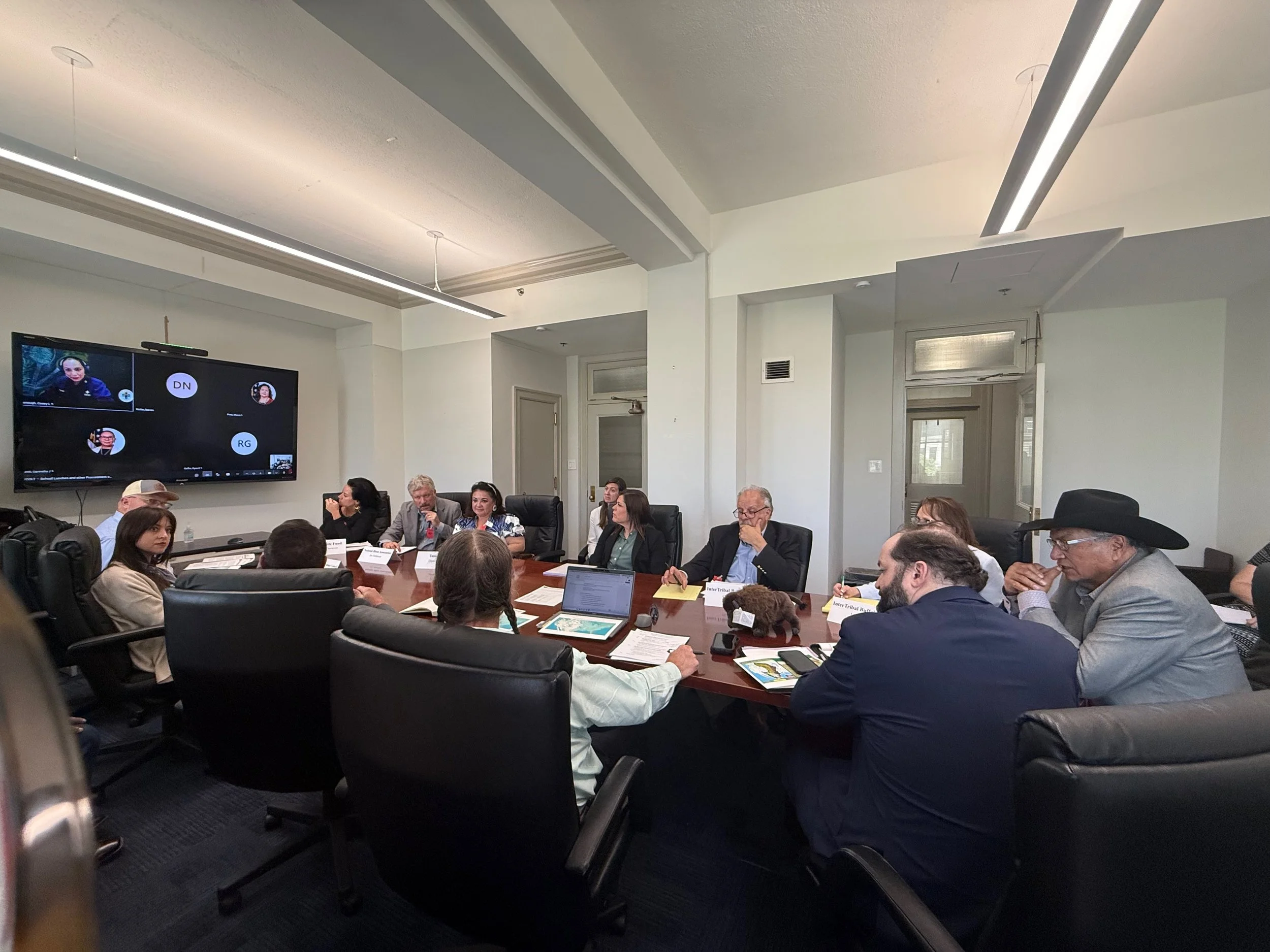
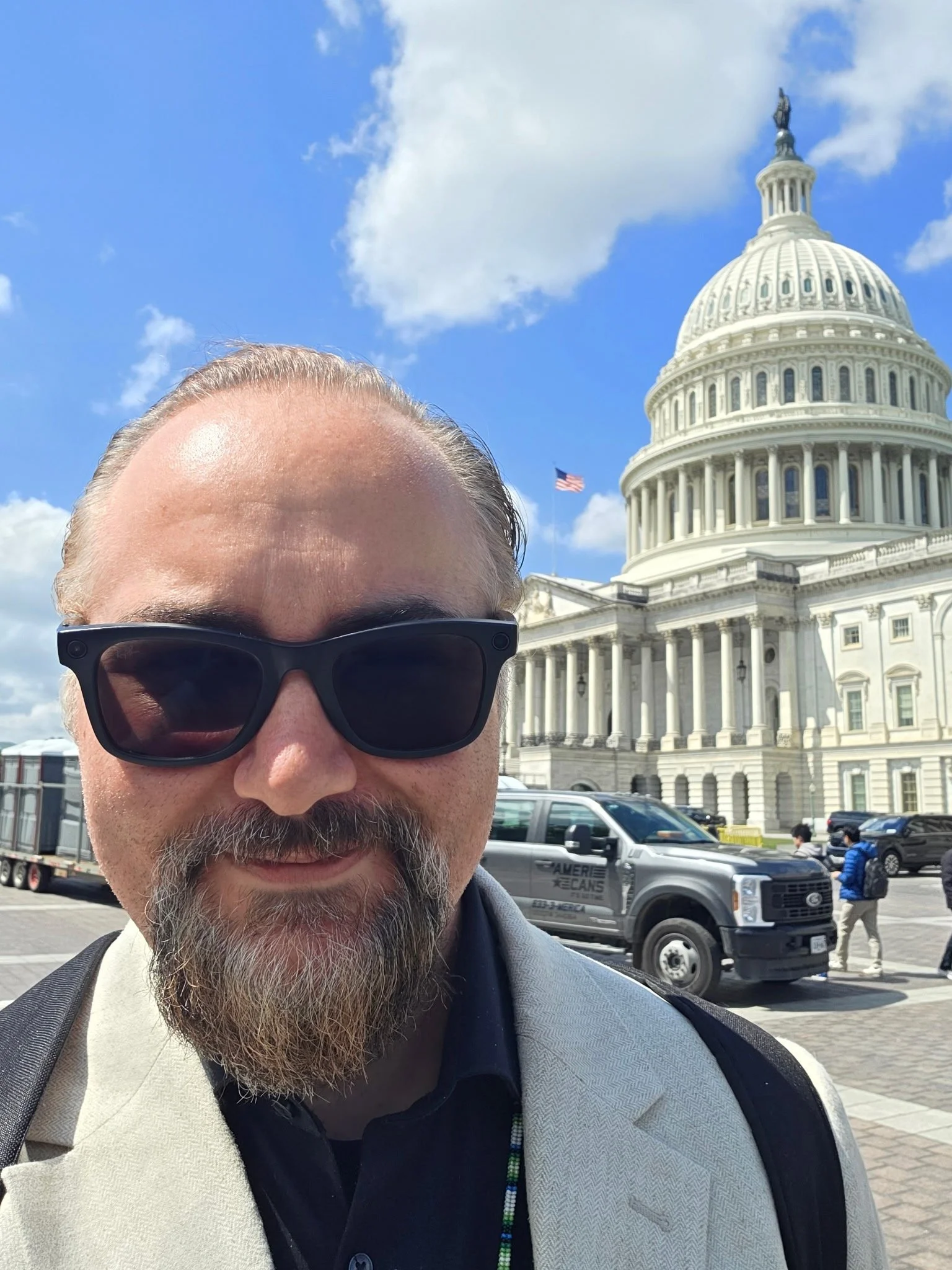
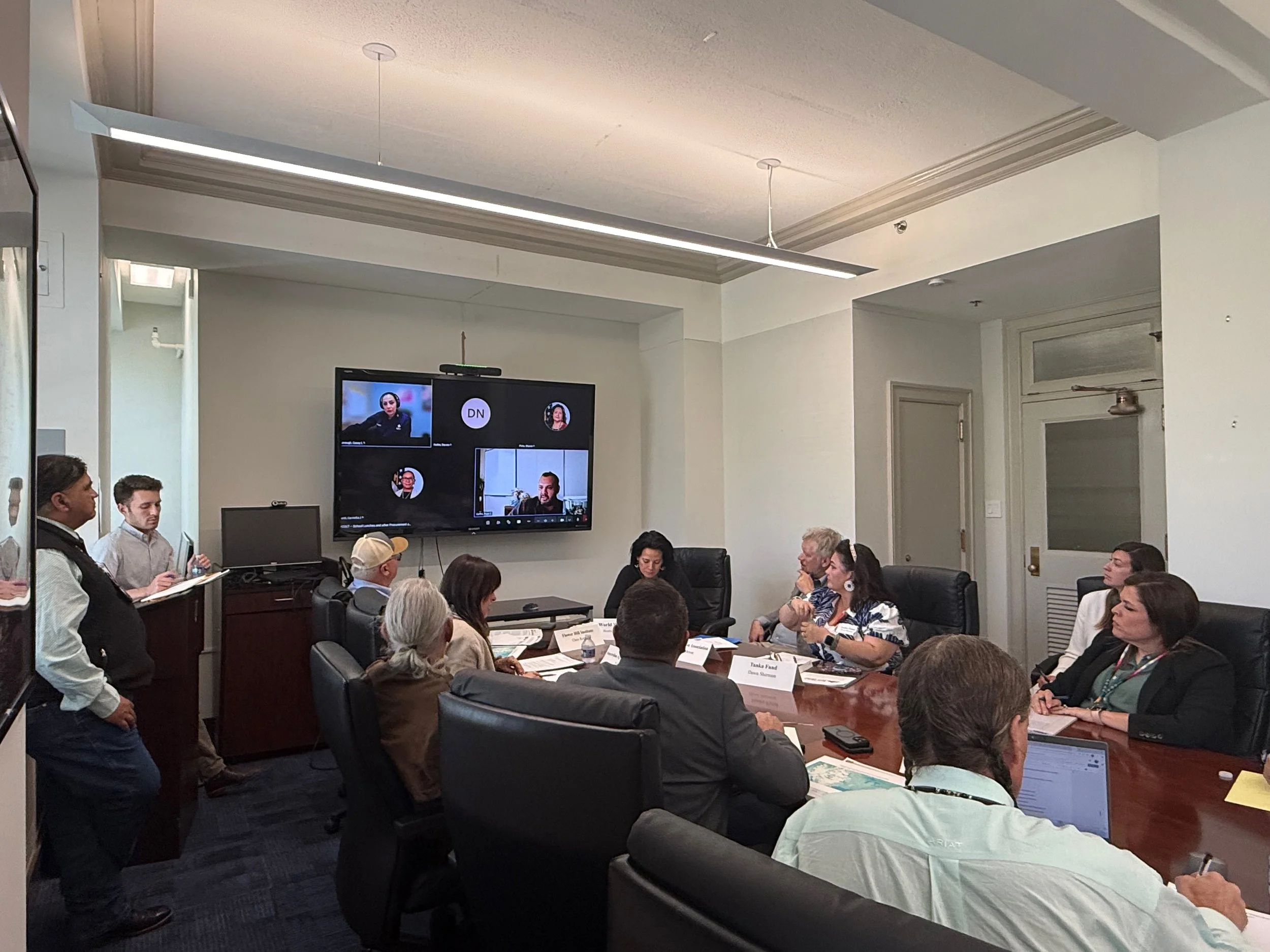
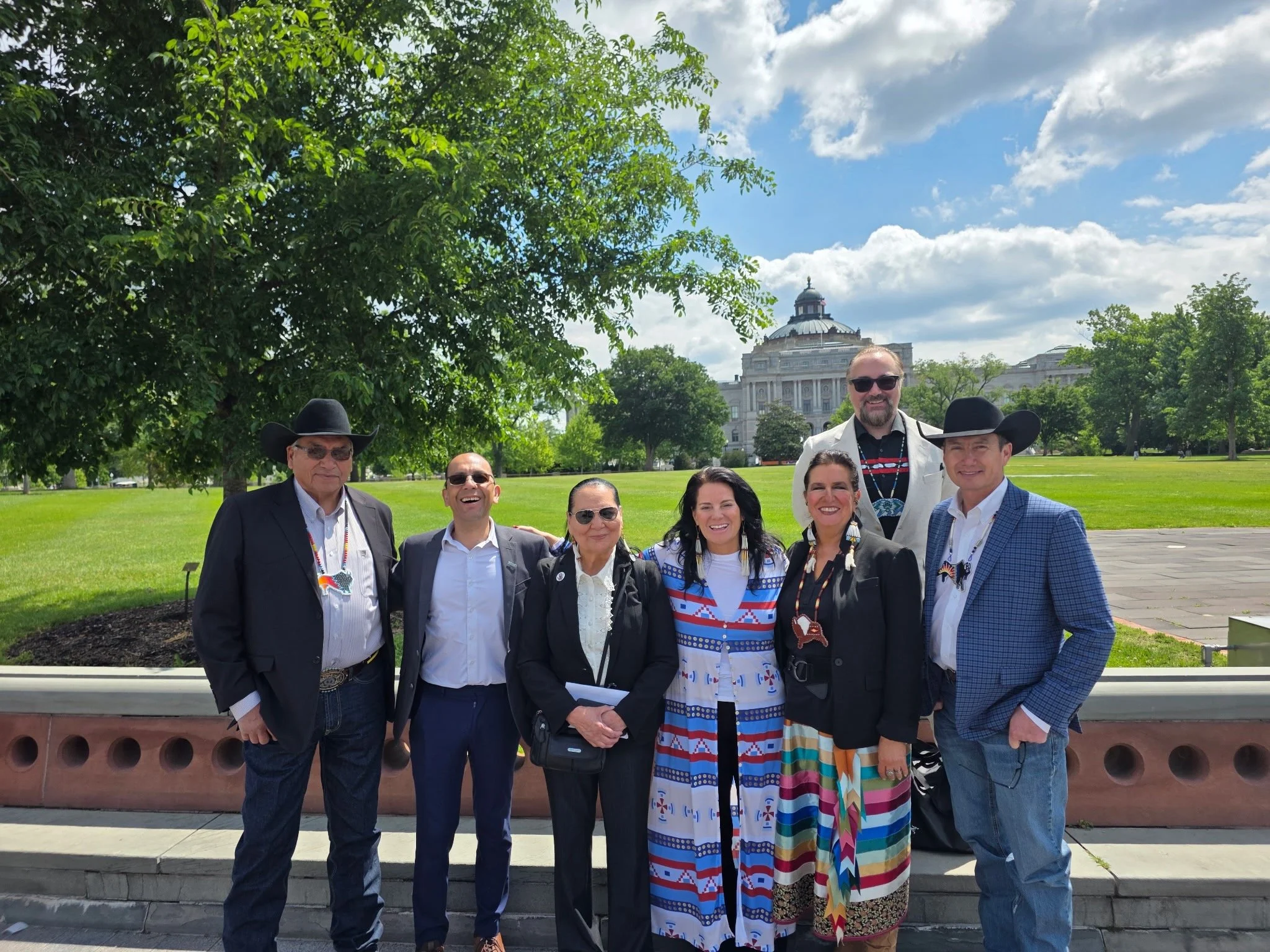
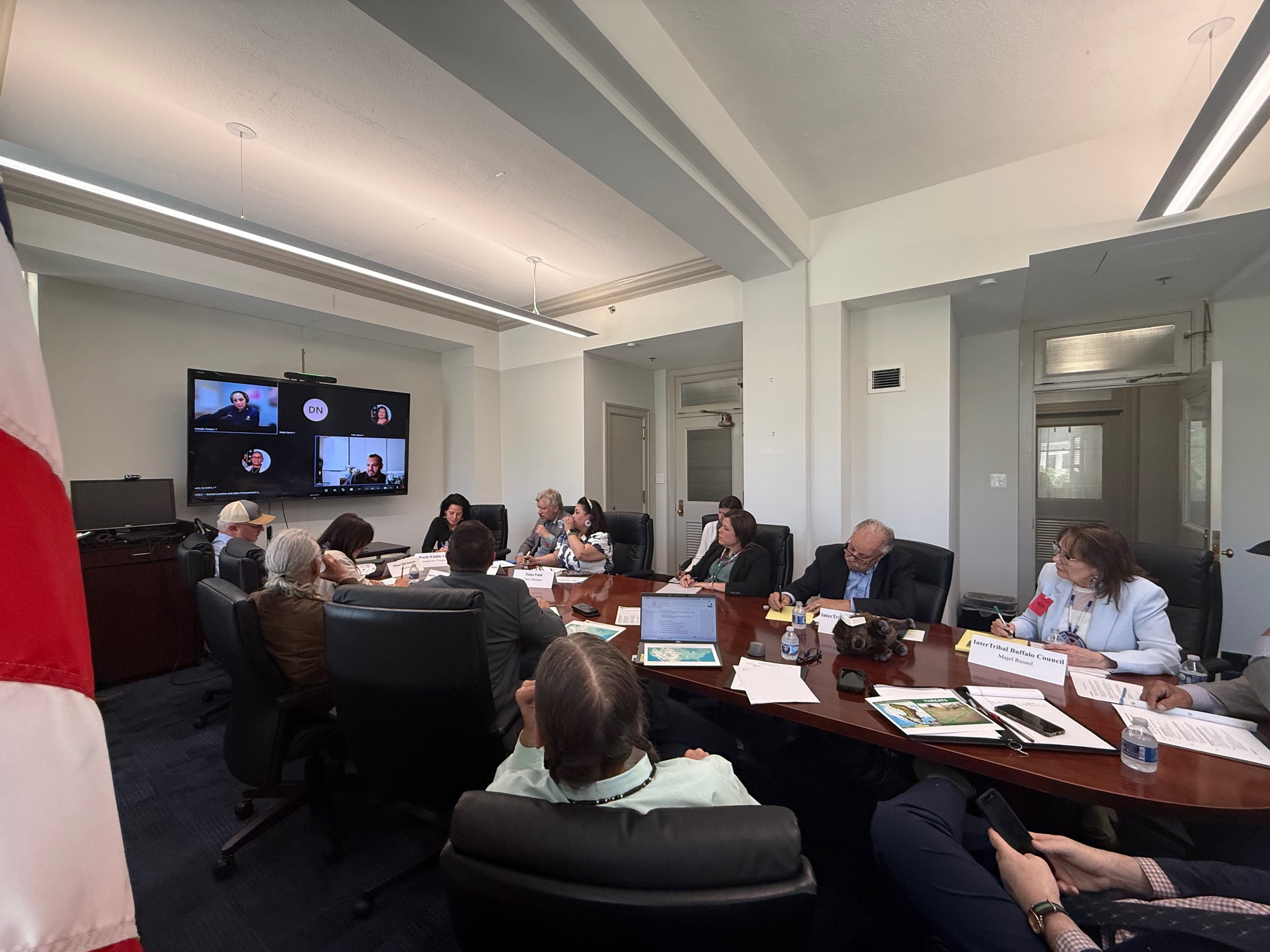
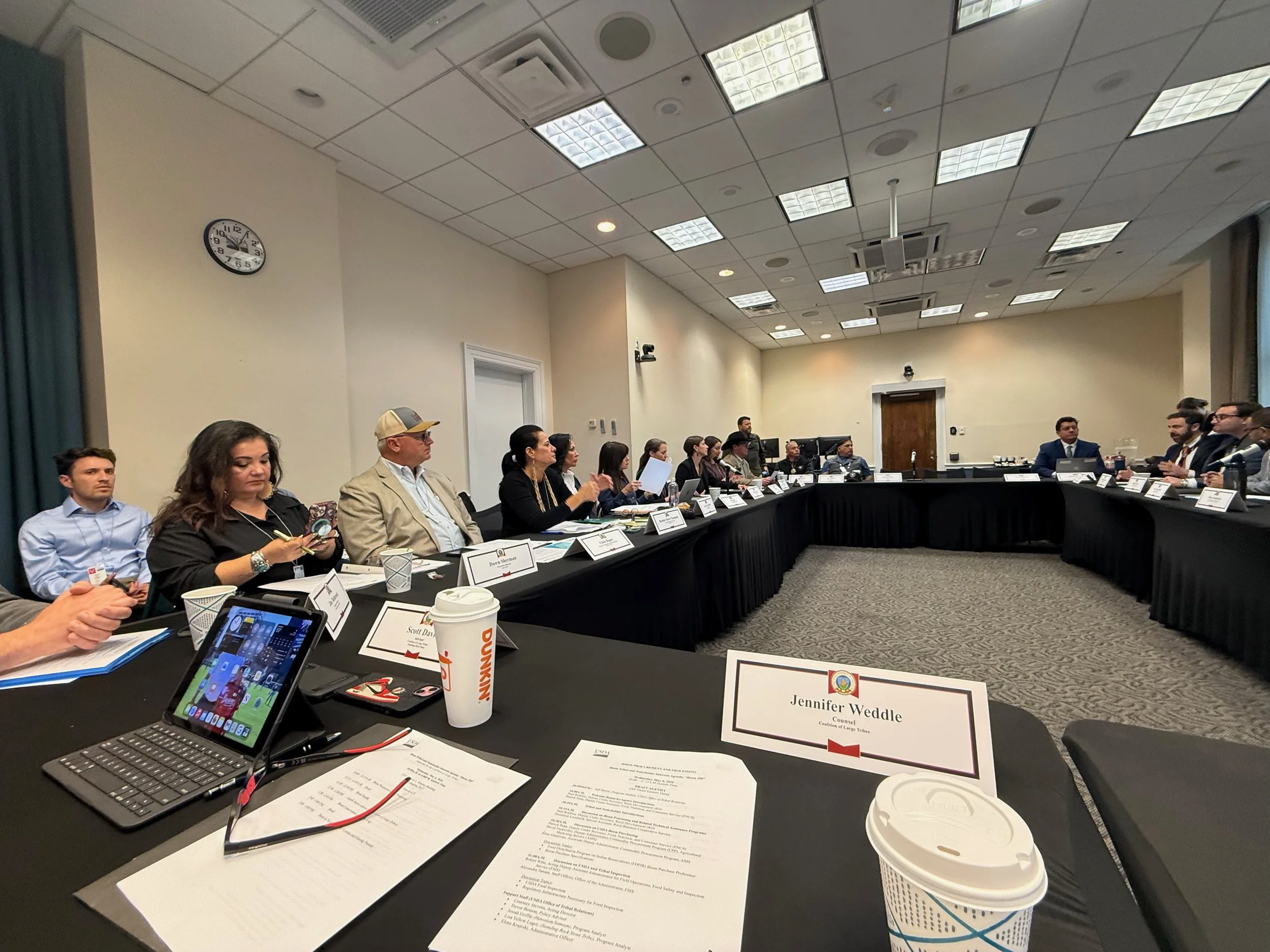
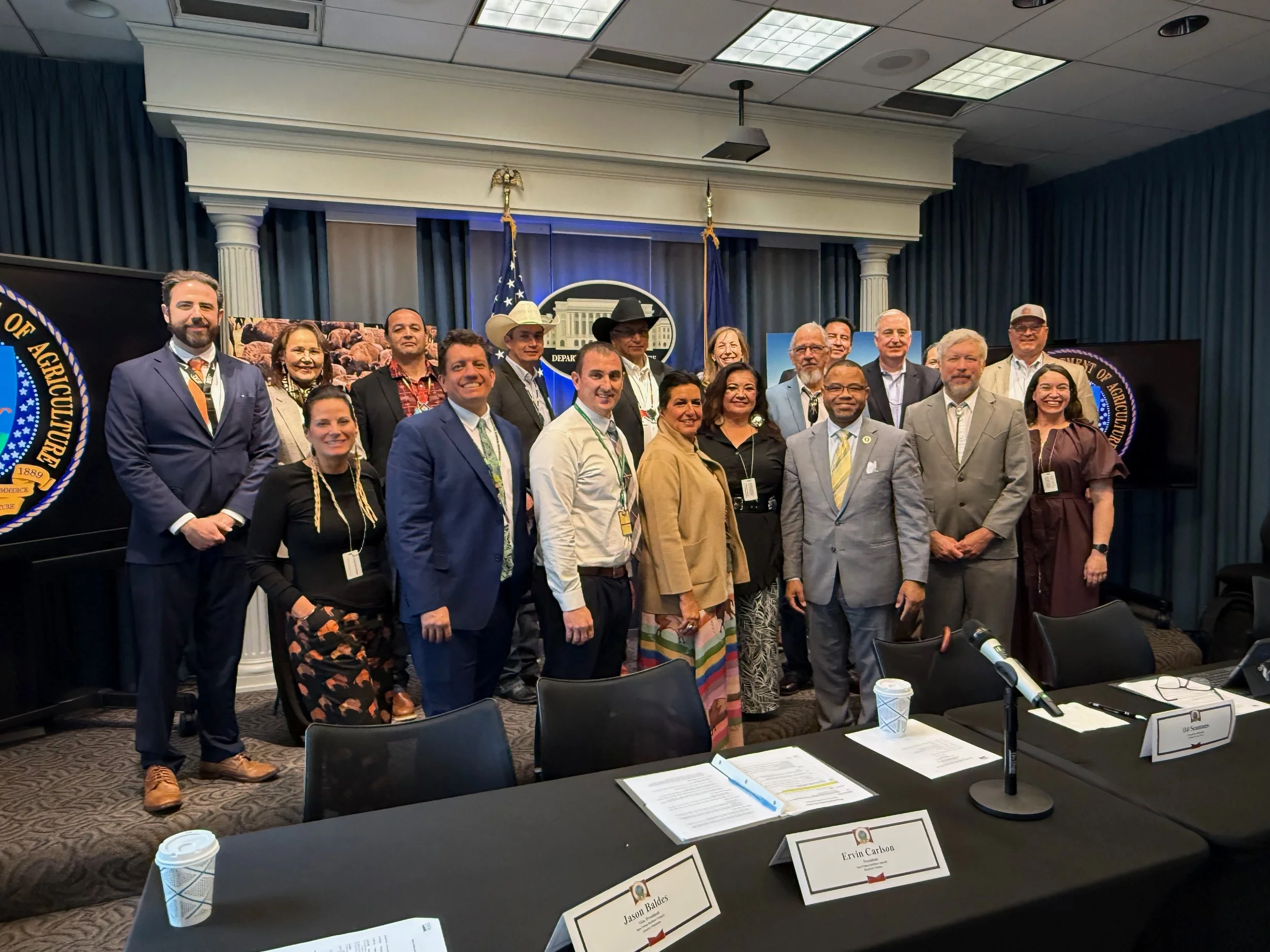
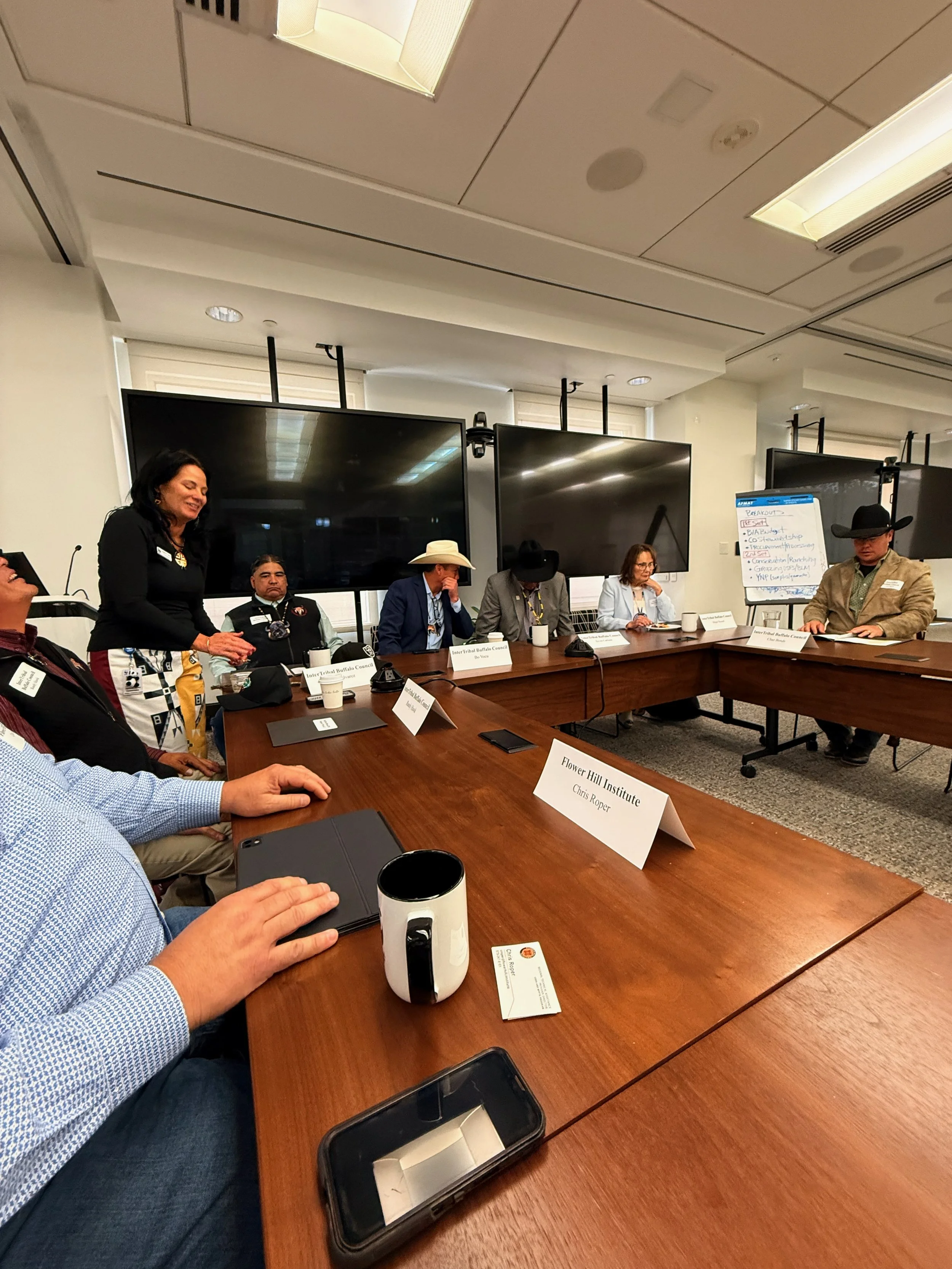
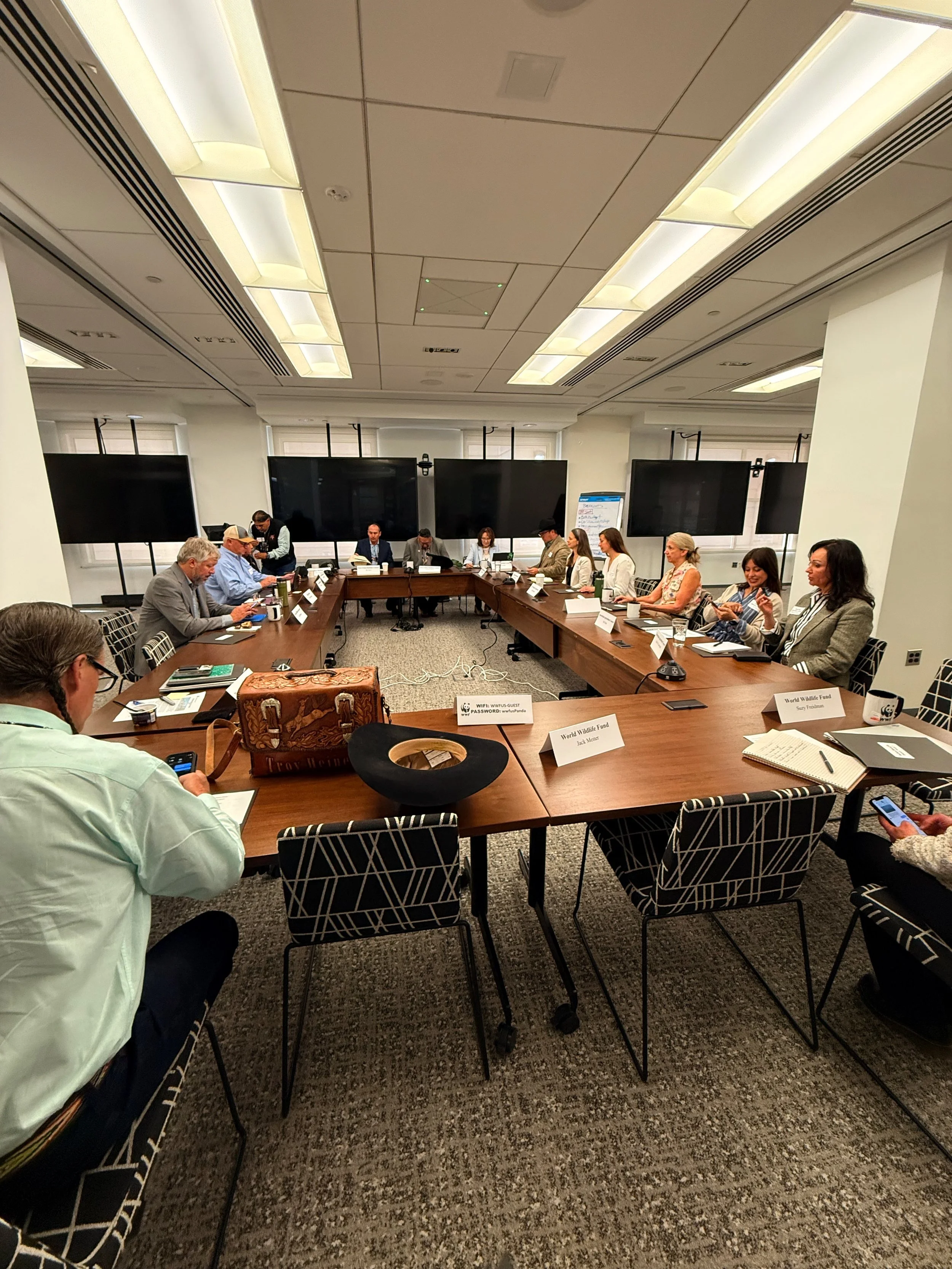
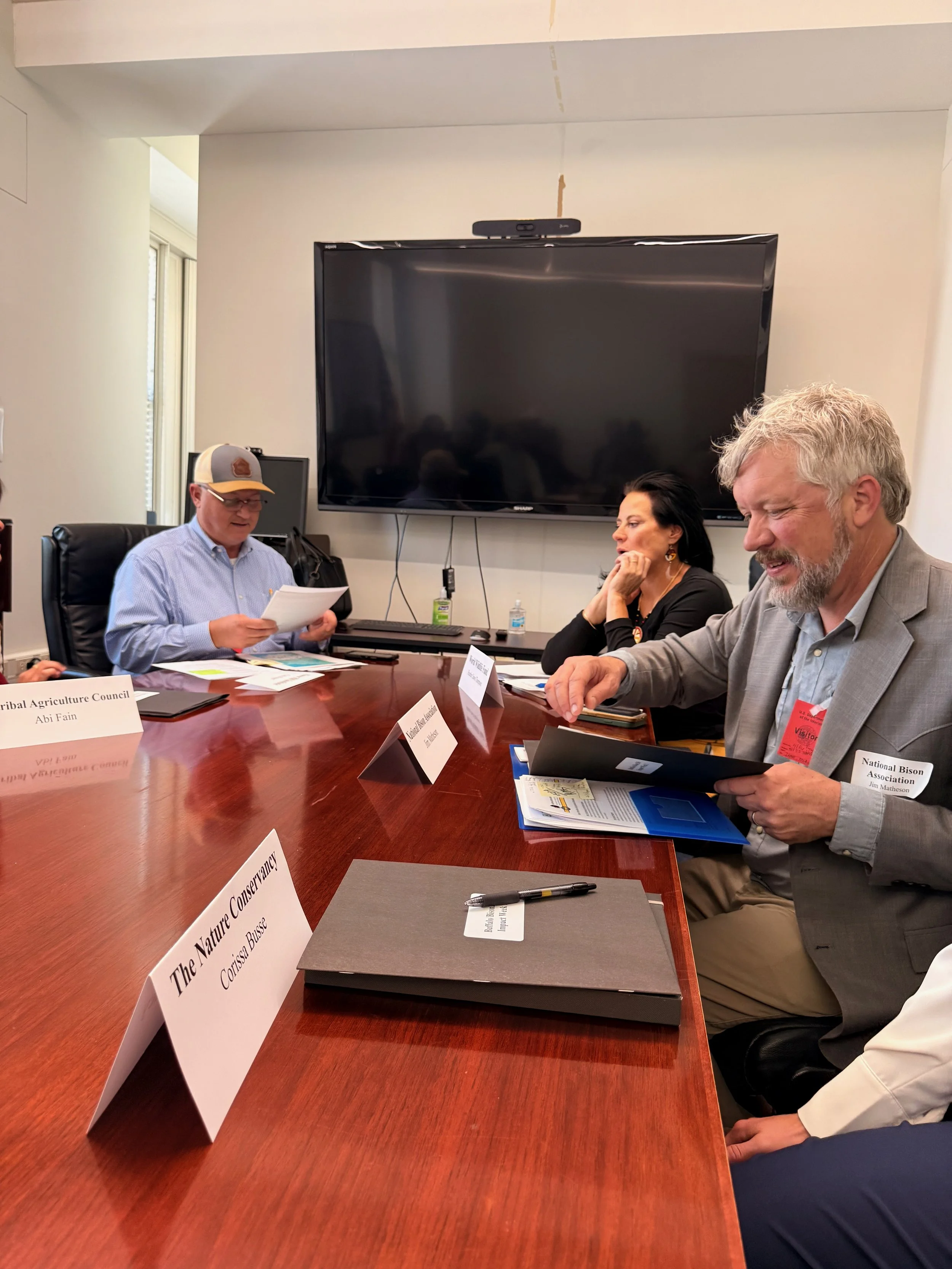
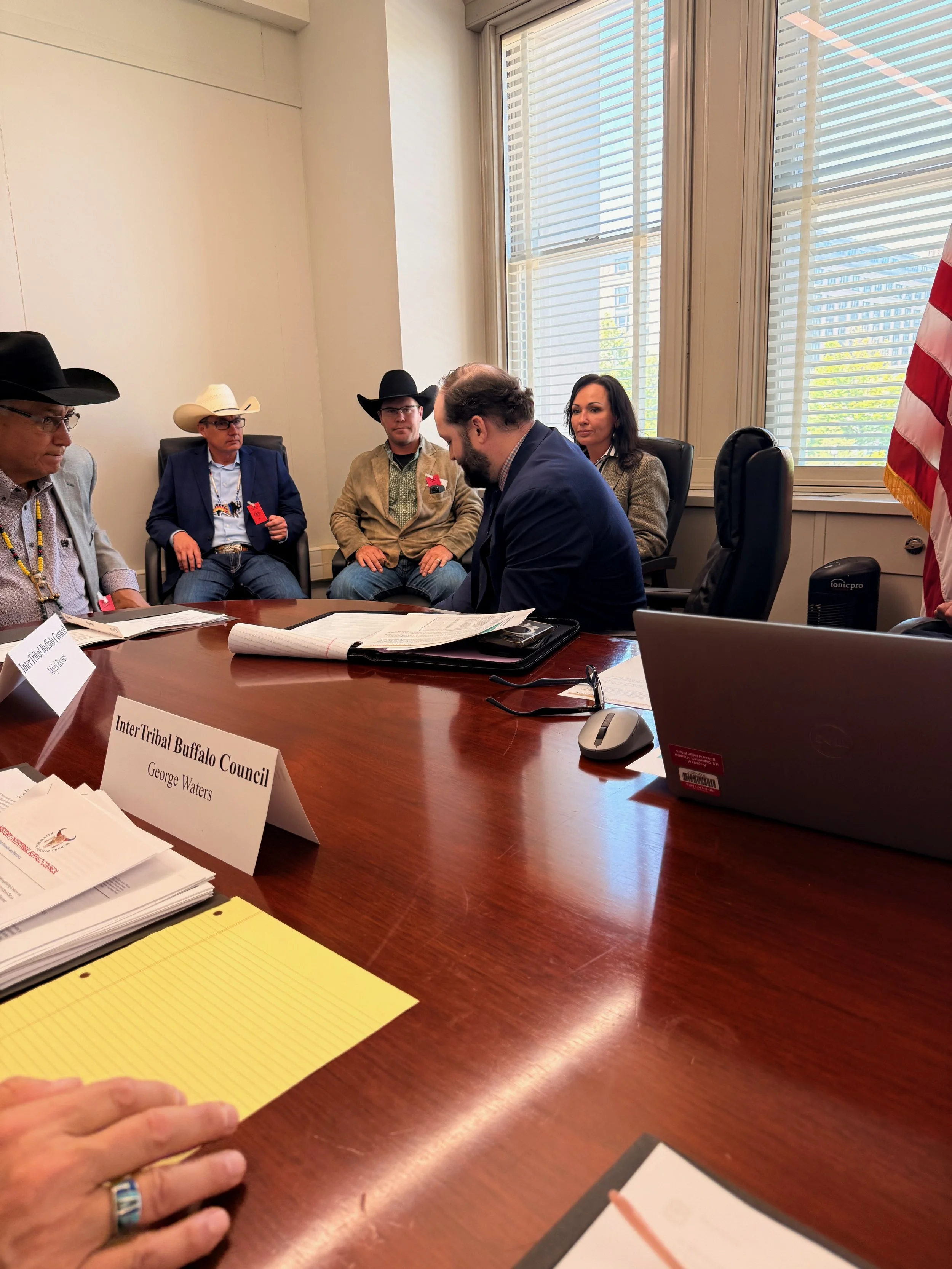
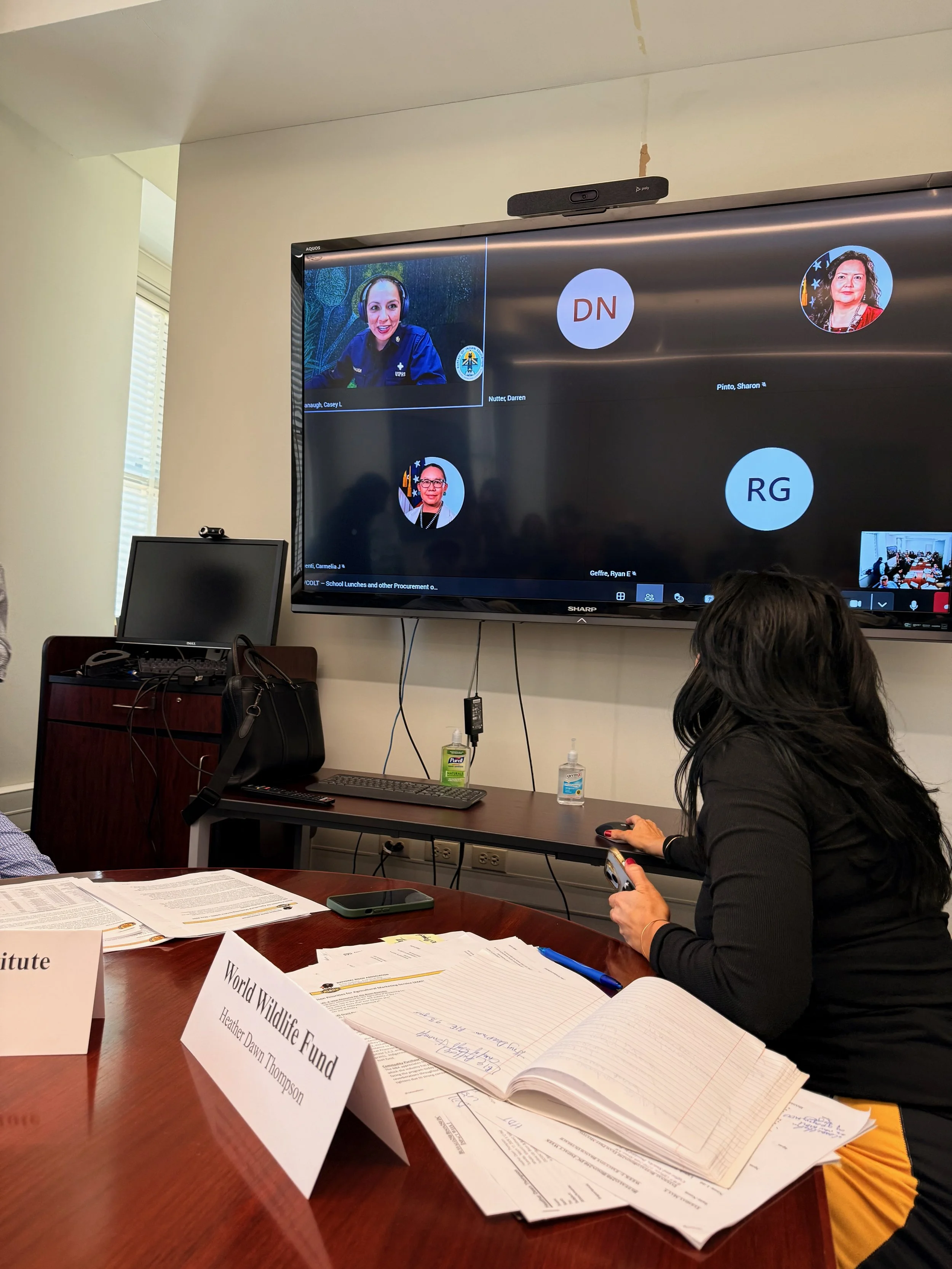
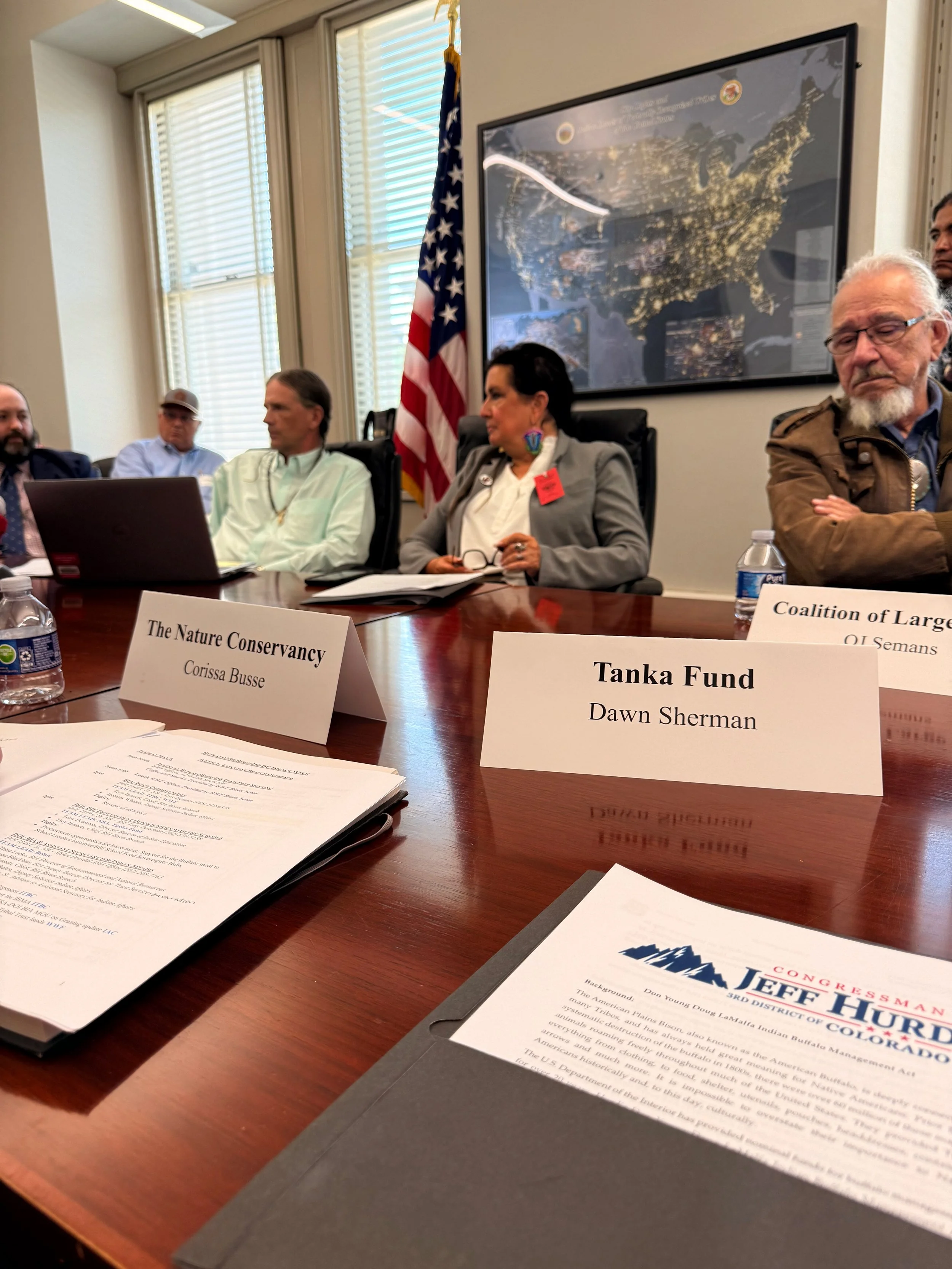
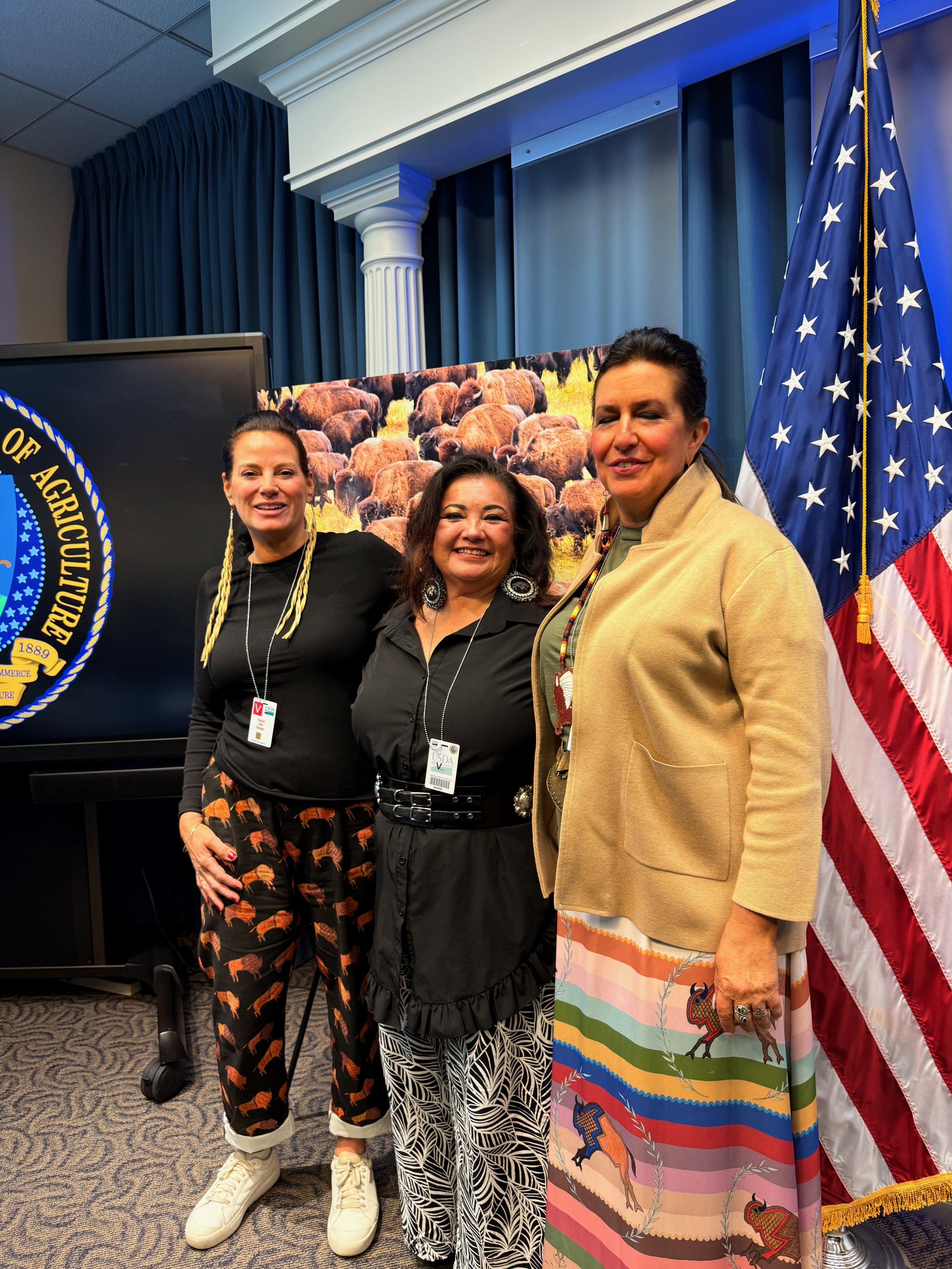
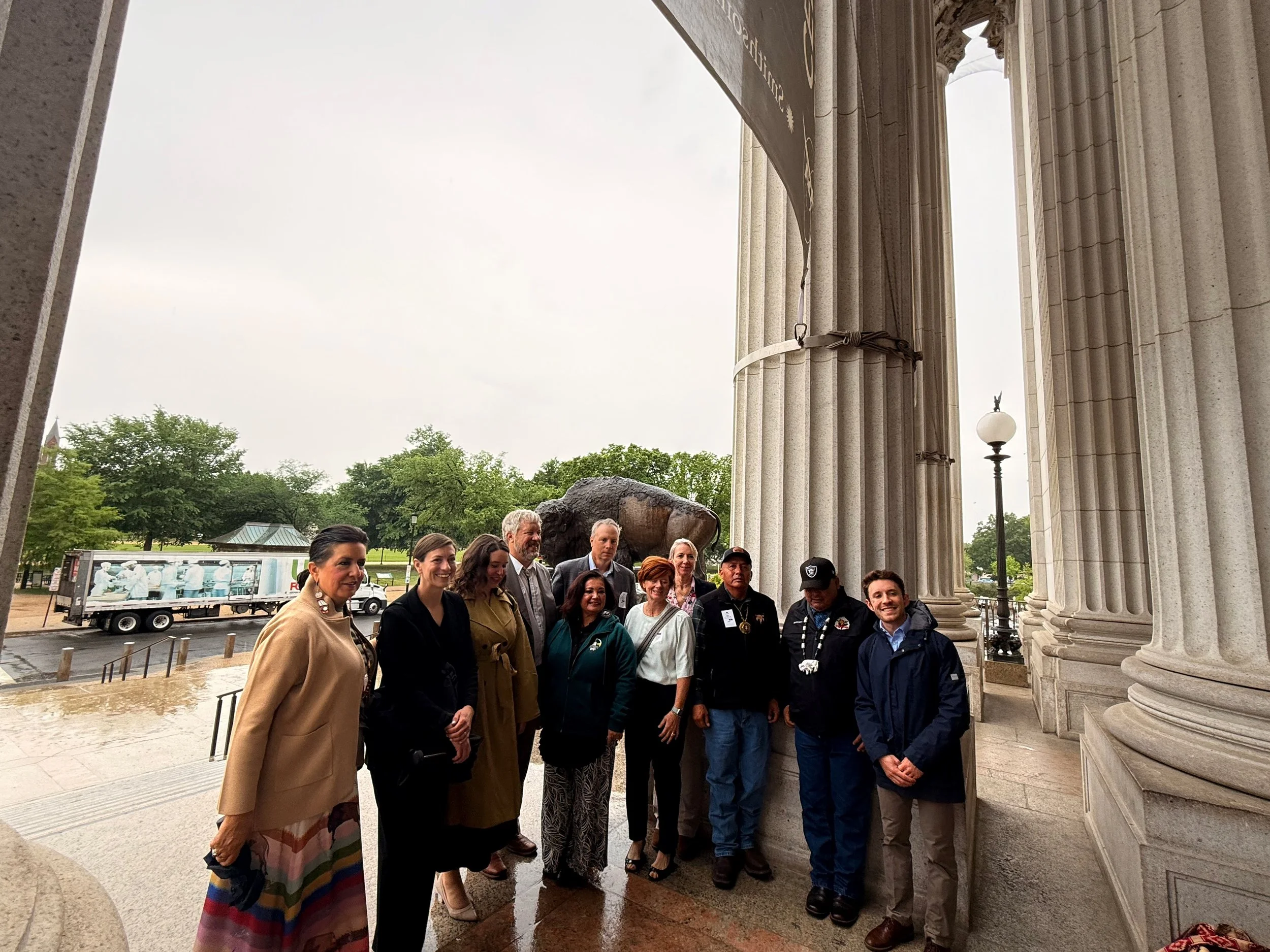
Our Tanka Fund leadership and partners participated in two weeks of community education and outreach during the Bison 250 proceedings in our nation’s capital, joining a historic, first-of-its-kind coalition that included the World Wildlife Fund, The Nature Conservancy, Flower Hill Institute, InterTribal Buffalo Council, Intertribal Agriculture Council, Coalition of Large Tribes, the National Bison Association and the Smithsonian. We rallied around a single shared purpose: ensuring that the people shaping federal policy understand what the Buffalo means and what its continued restoration requires.
As an Indigenous, female-led organization, Tanka Fund Executive Director Dawn Sherman shared the impact and urgency of our work for Buffalo restoration but also expressed that our participation was an education for our organization.
“We were there to support and strengthen the connections between all partners at the table — from grass to plate,” she said. “While we may serve in different roles at separate entities, we are stronger together, united in the work of supporting our communities and our relative, the Buffalo.”
Each organization brought a different lens to that work. Some with deep legislative relationships, herd management expertise or conservation infrastructure. Tanka Fund brought the story of what Buffalo restoration means on the ground, in Native communities, and for the ranchers who are doing this work every day.
“What made Bison 250 historic was not just who was in the room,” Phillip Gaudon, Marketing Director, added. “It was that all of them were in the room together, moving in the same direction, at a moment when that kind of unified presence could actually matter.”
Dawn remarked that the information was extensive and overflowing but felt the support from all the partners there. She said everyone was able to fill in the spaces and build each other up as a cohesive group to address obstacles and bring solutions — not just problems. The collective was well received from all the departments.
“Seeing a collaborative front was amazing,” she said. “This is what true collaboration and community looks like for our relatives.