Tanka Fund hosts first Buffalo Healing Day at annual Makoce Convergence
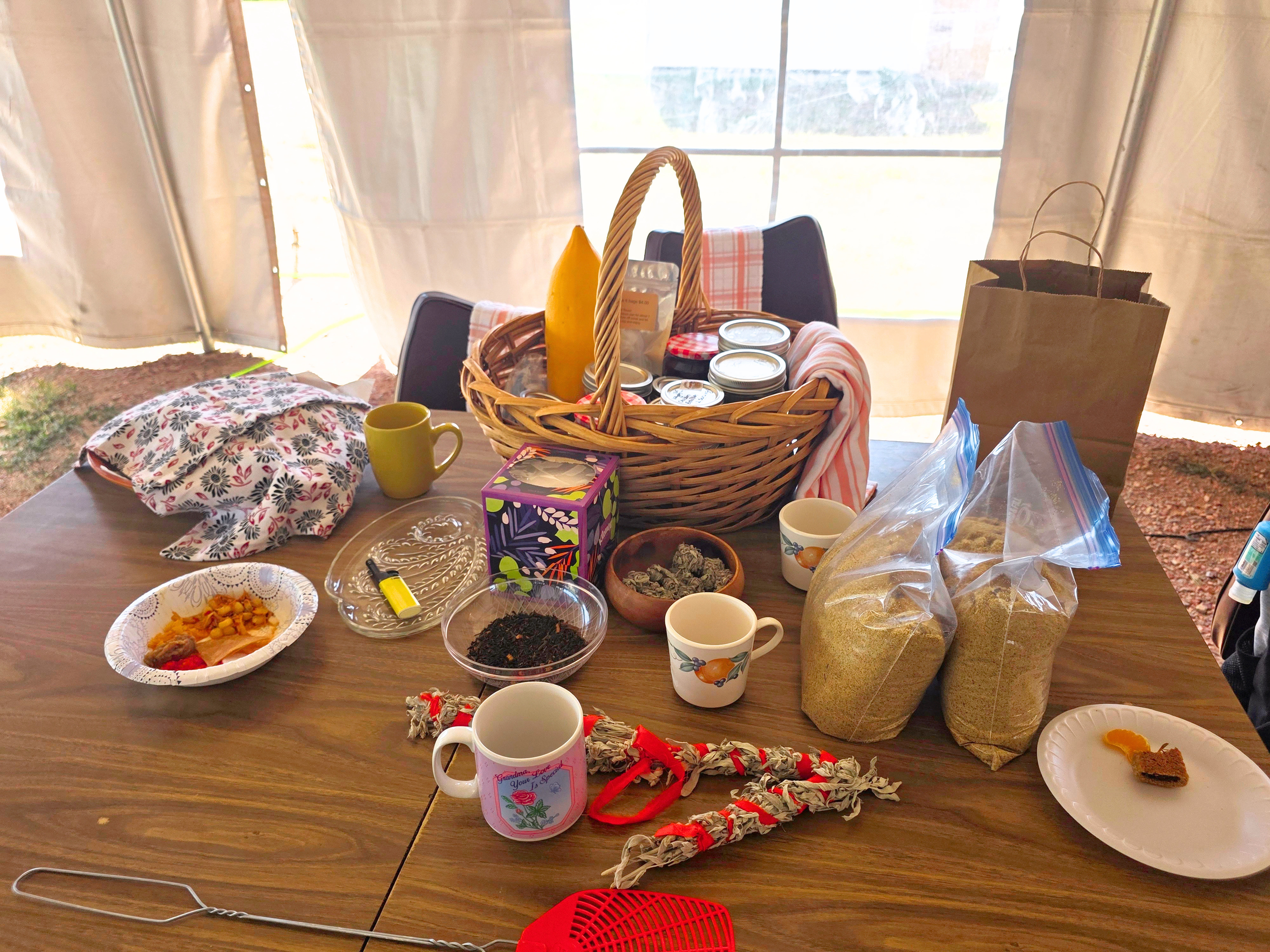
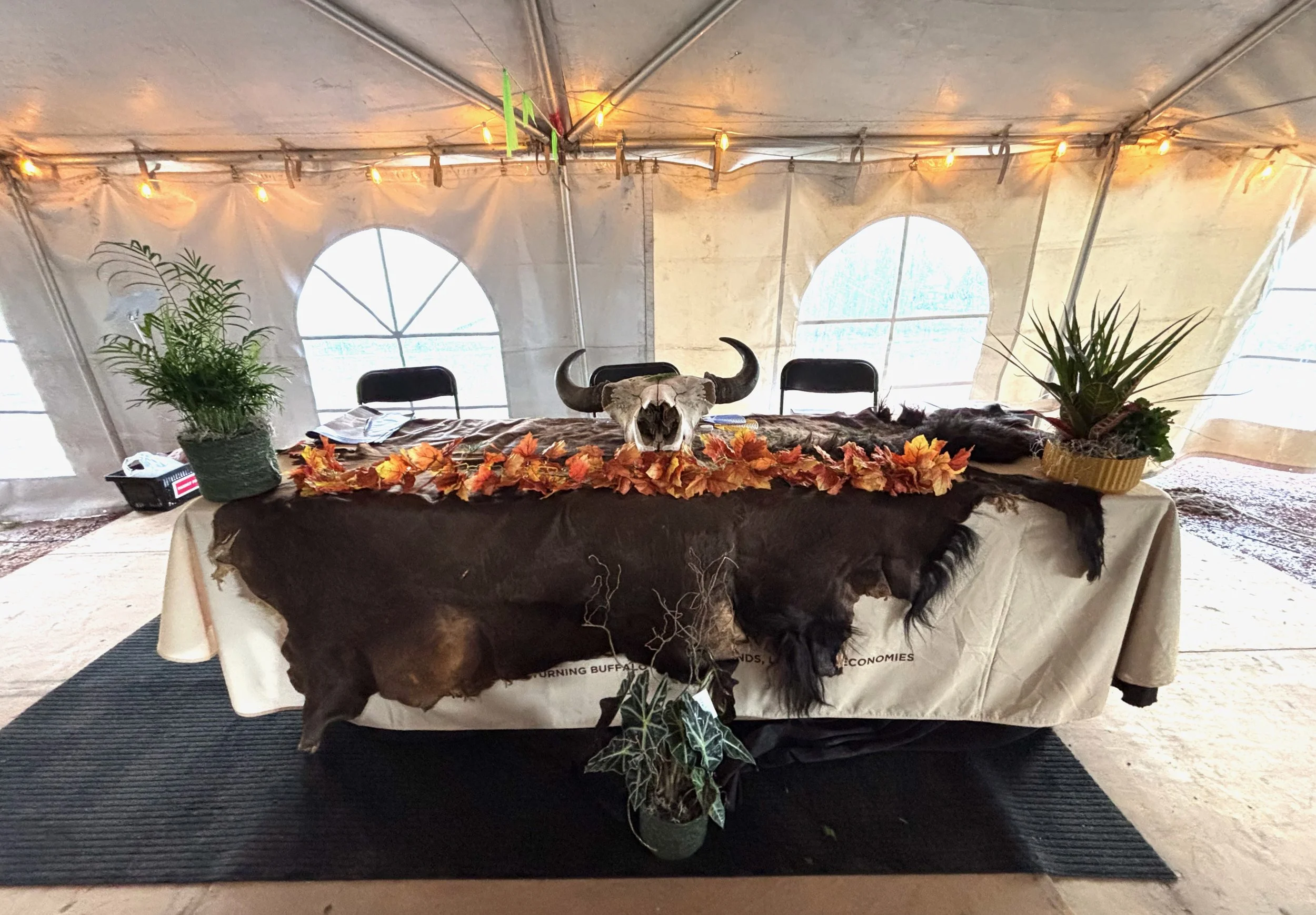
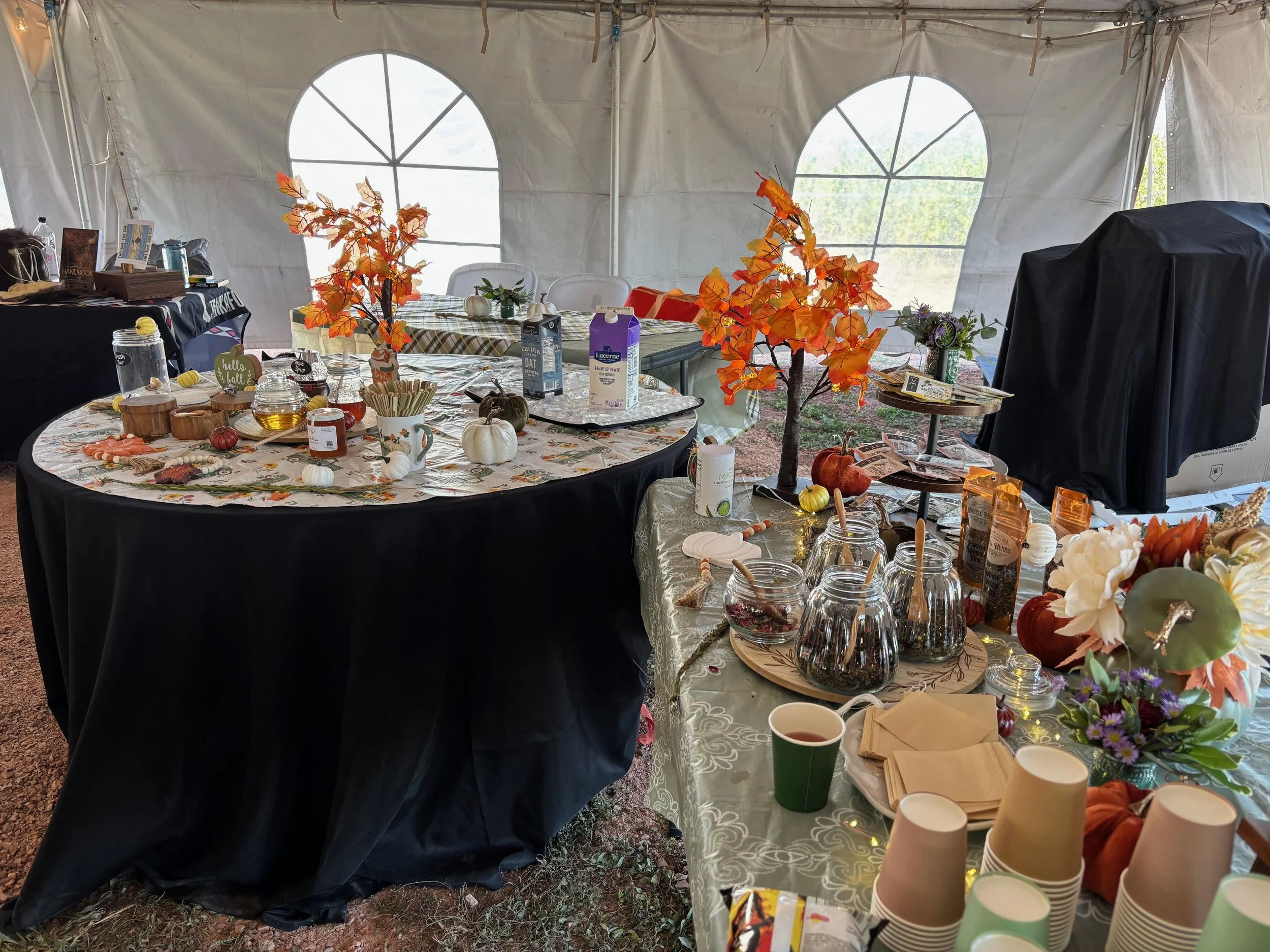
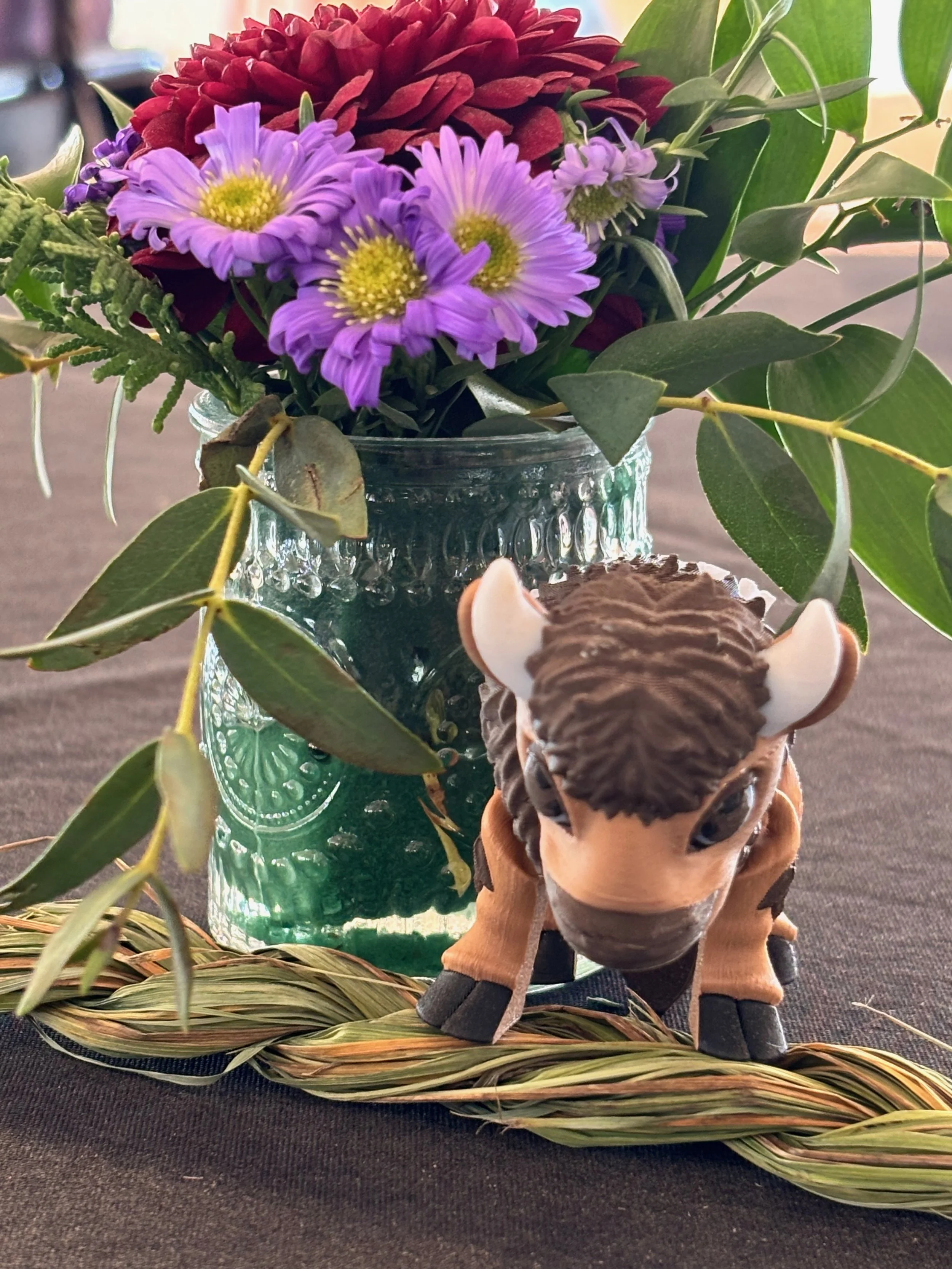
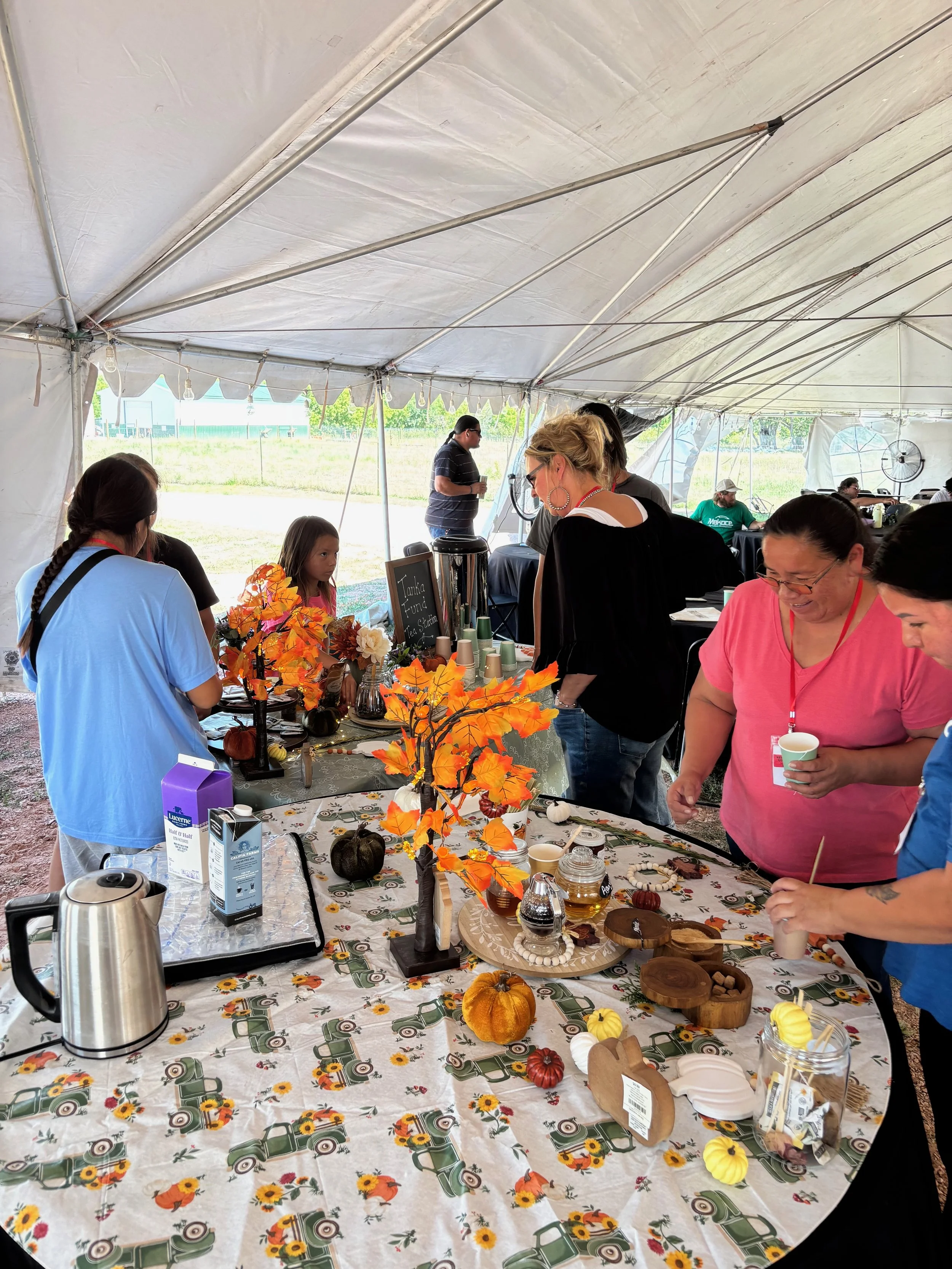
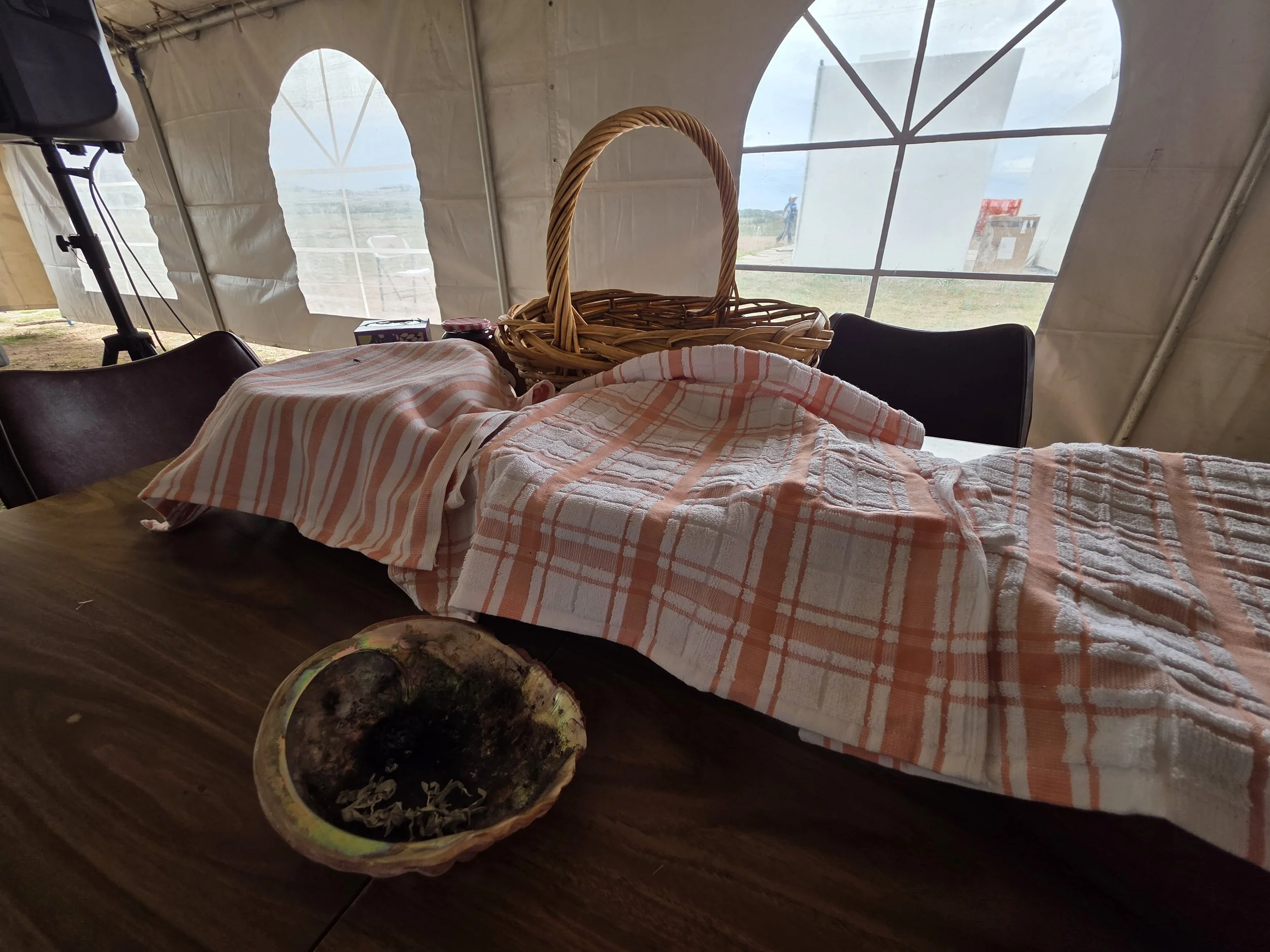
On the table sat sage, a kitchen towel, a cozy basket of jams and pickled goods, one box of tissues, and a few favorite mugs.
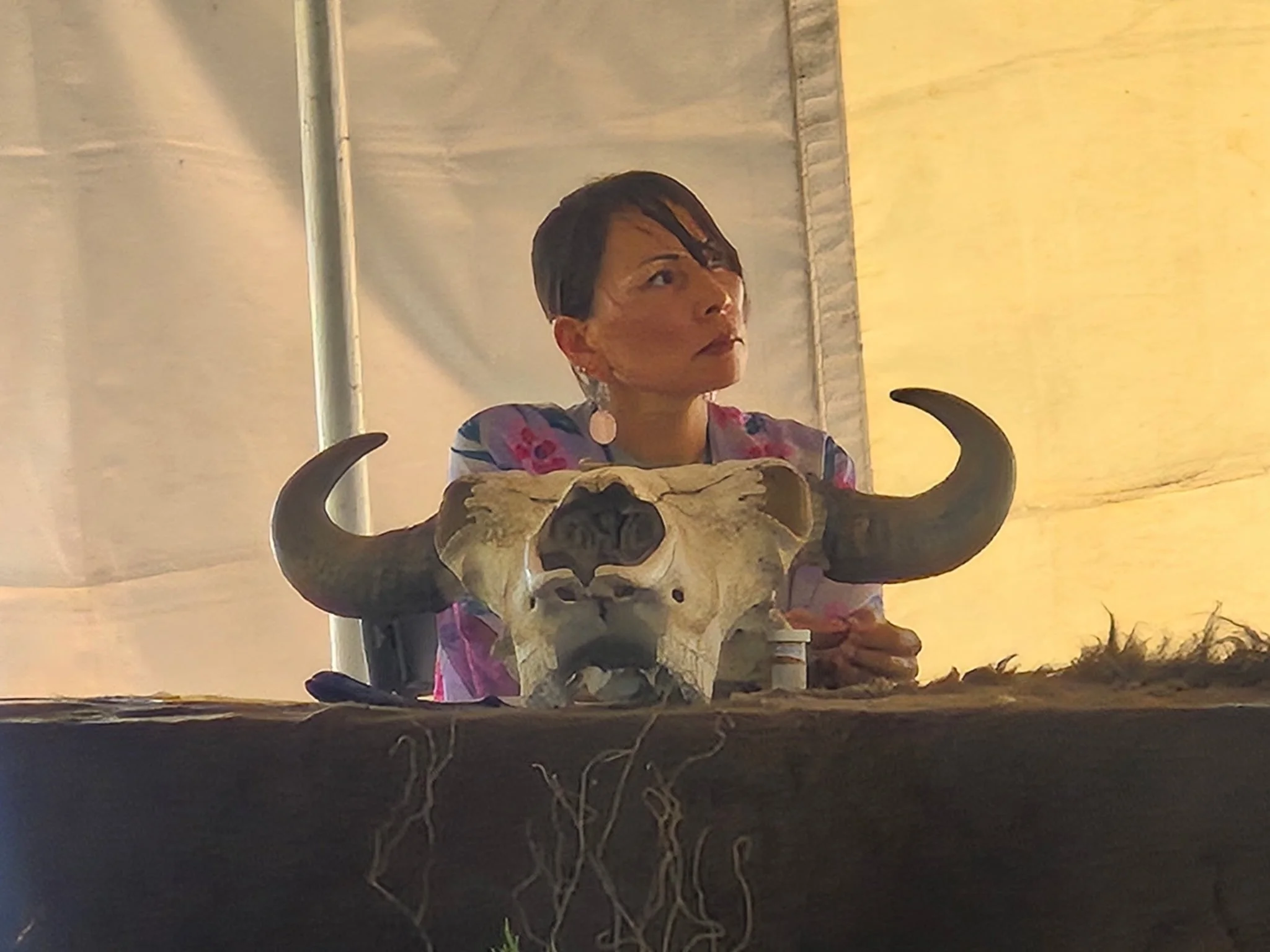
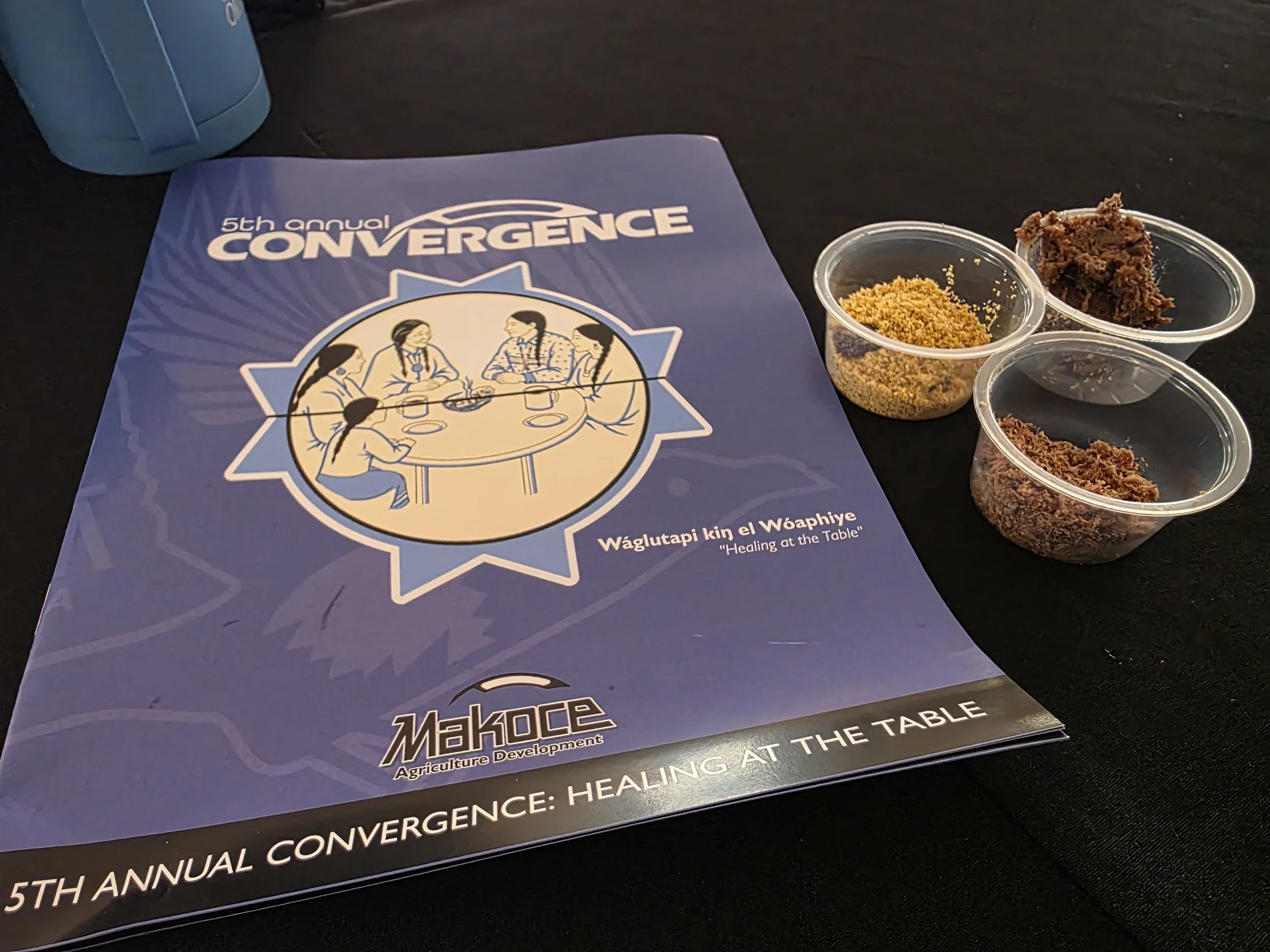
Over the course of four days, this table represented what a grandmother’s table would look like in homes across many Native communities. It was a talking point for the Makoce Agriculture Development’s 5th Annual Convergence: Healing at the Table. Many attendees remarked how comforting the display was and felt the nostalgia of their own family memories. It was the same table that held wooden bowls of wasna, a culturally sacred dish of Buffalo and berries (usually chokecherries) that has been a staple of Lakota ceremonies and gatherings for generations.
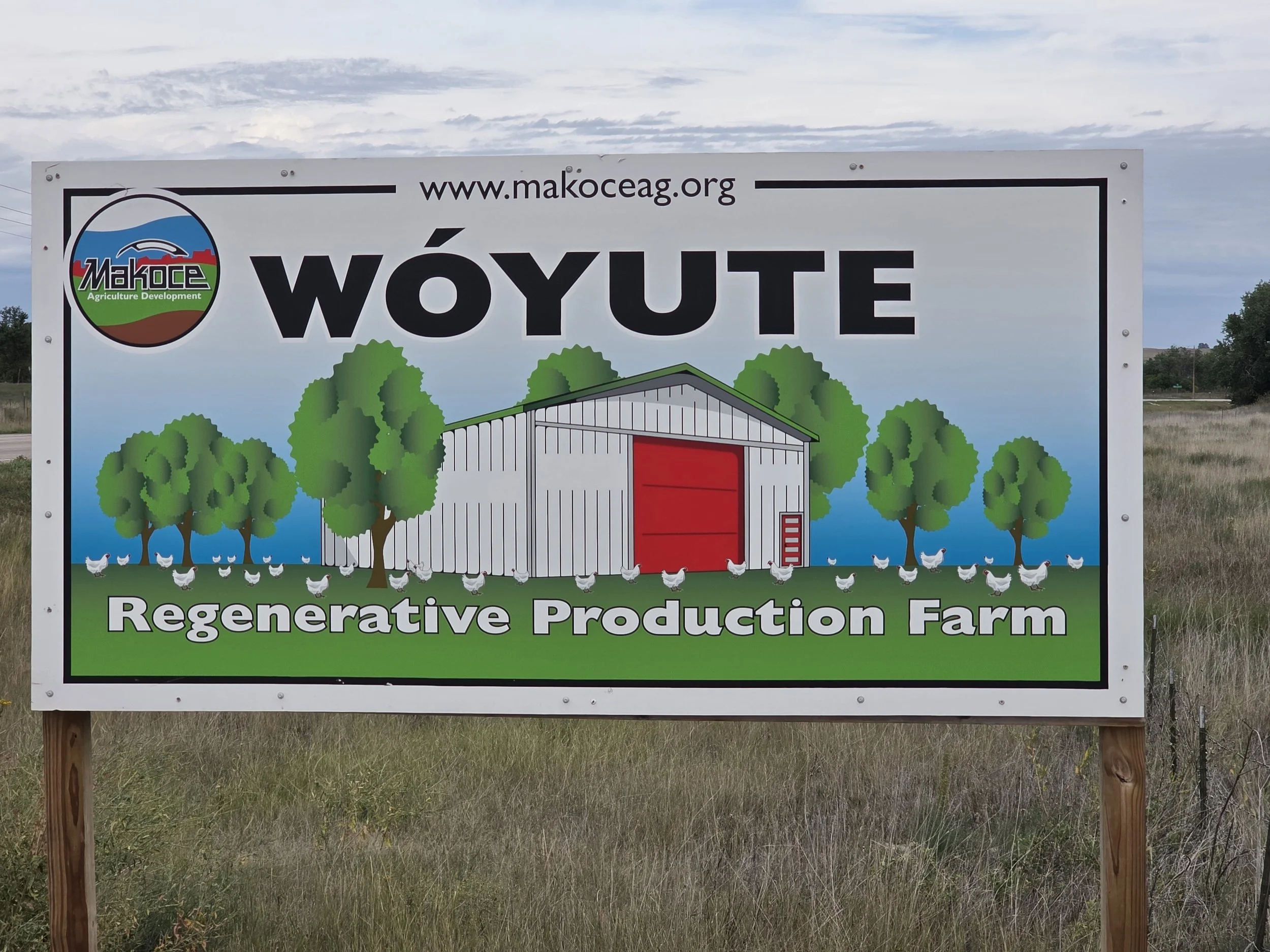
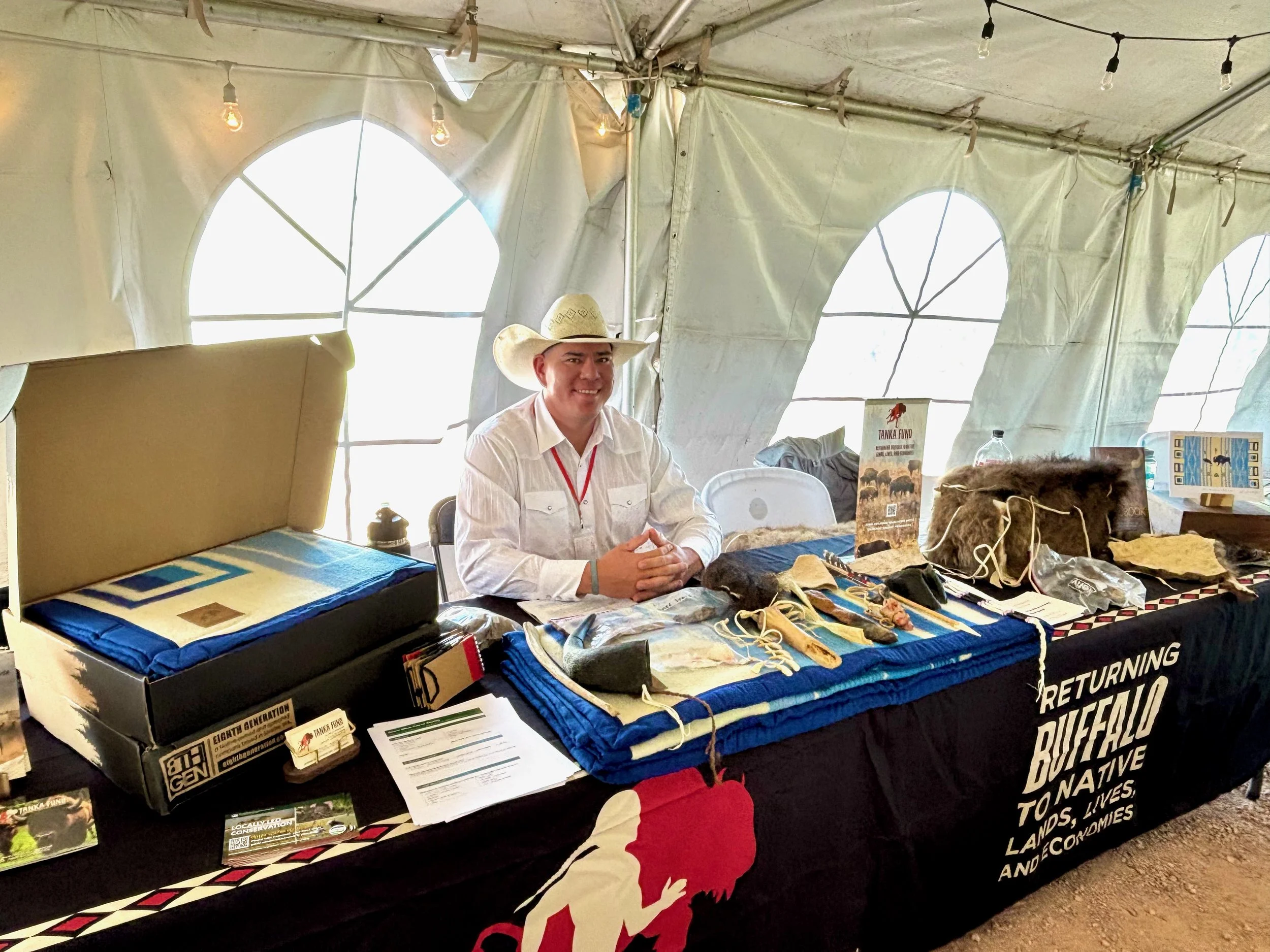
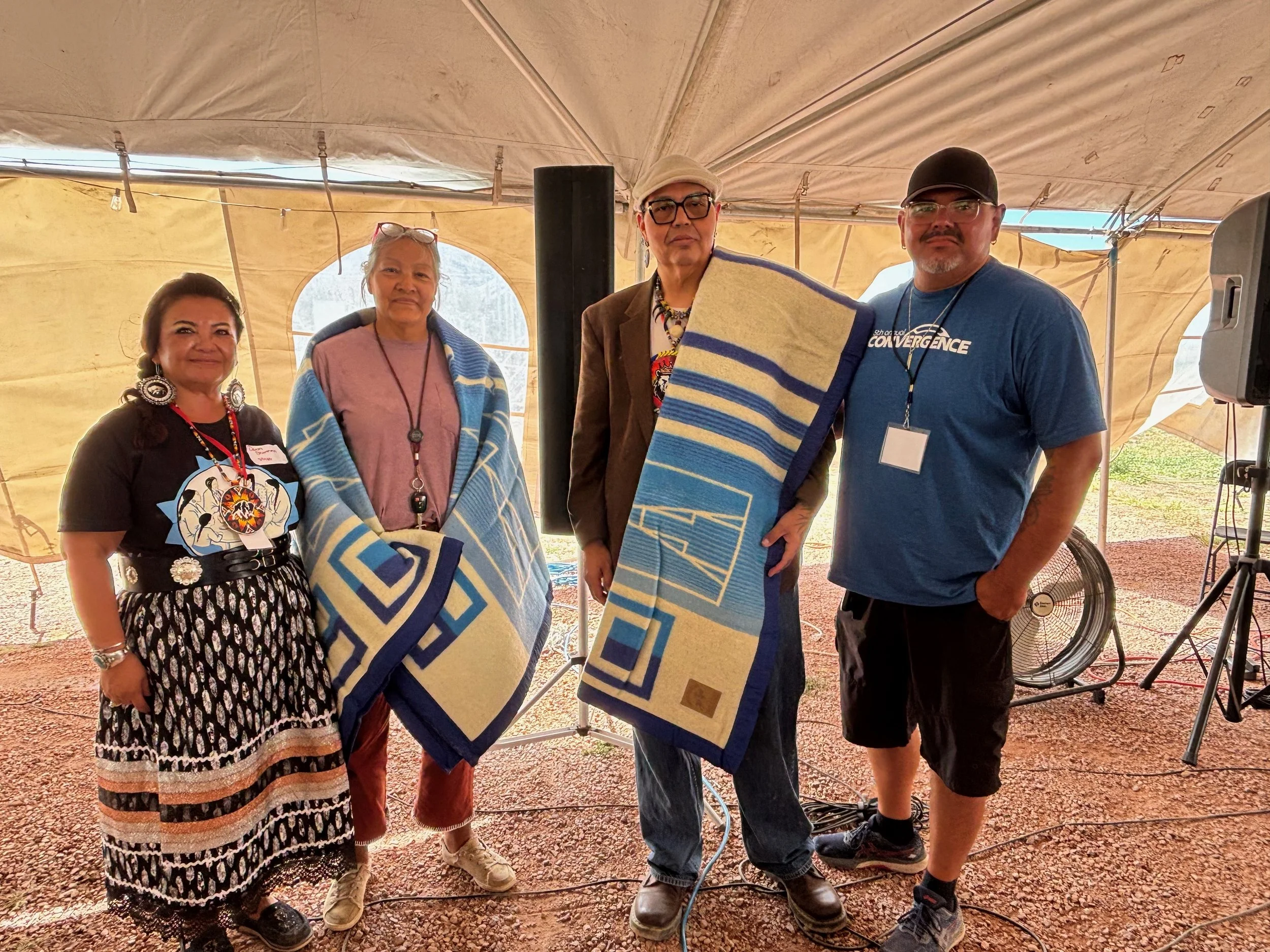
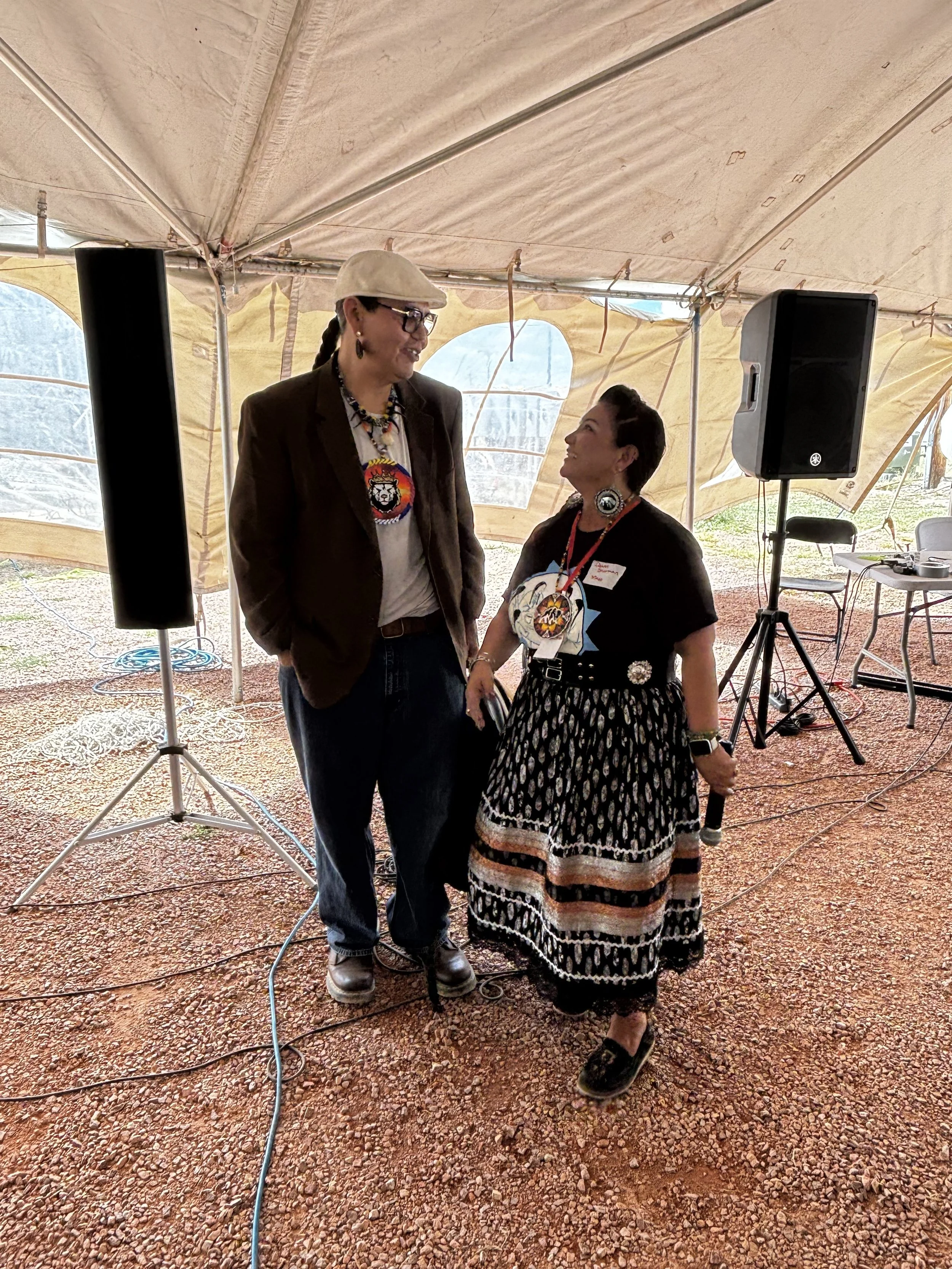
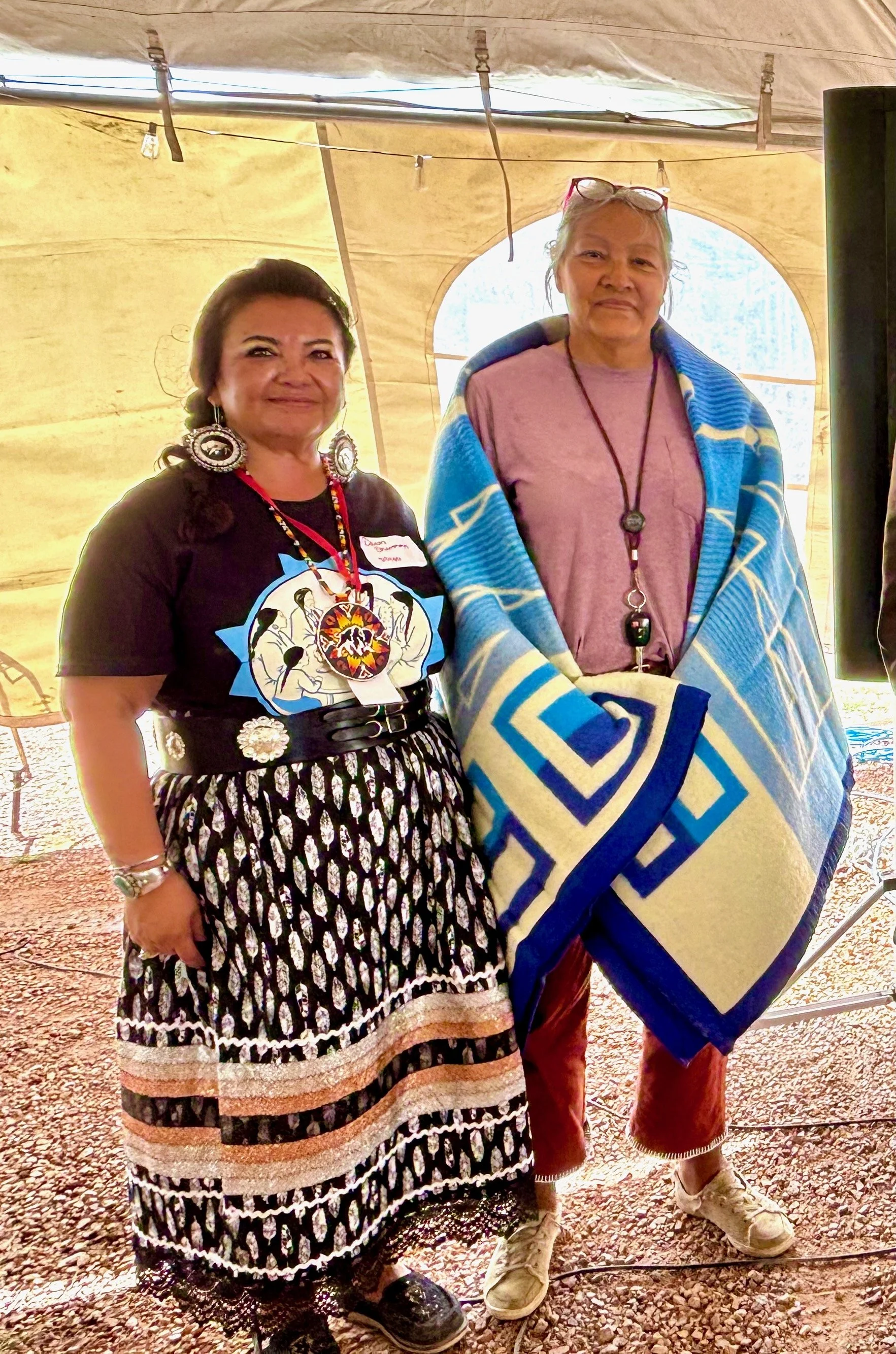
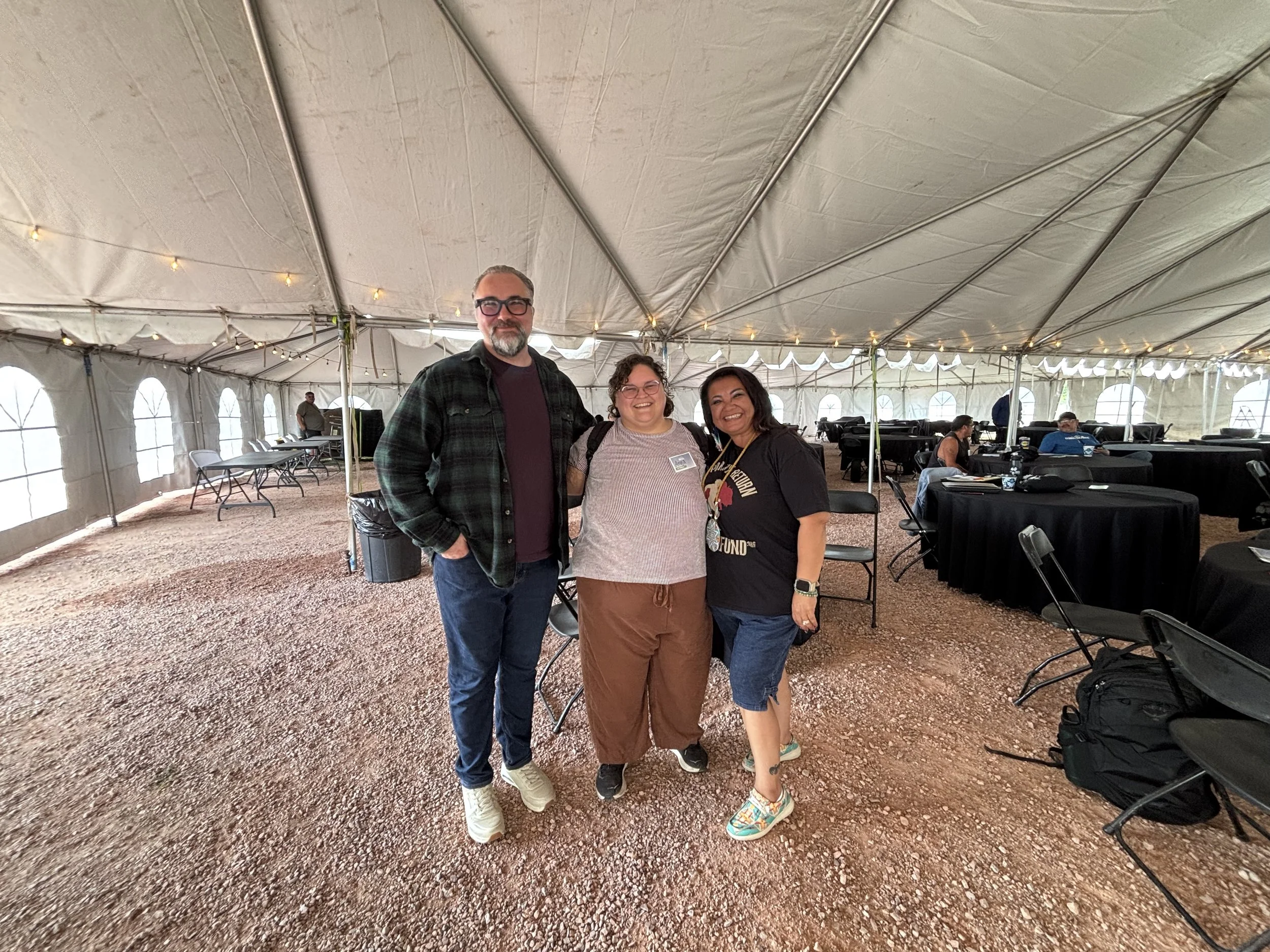
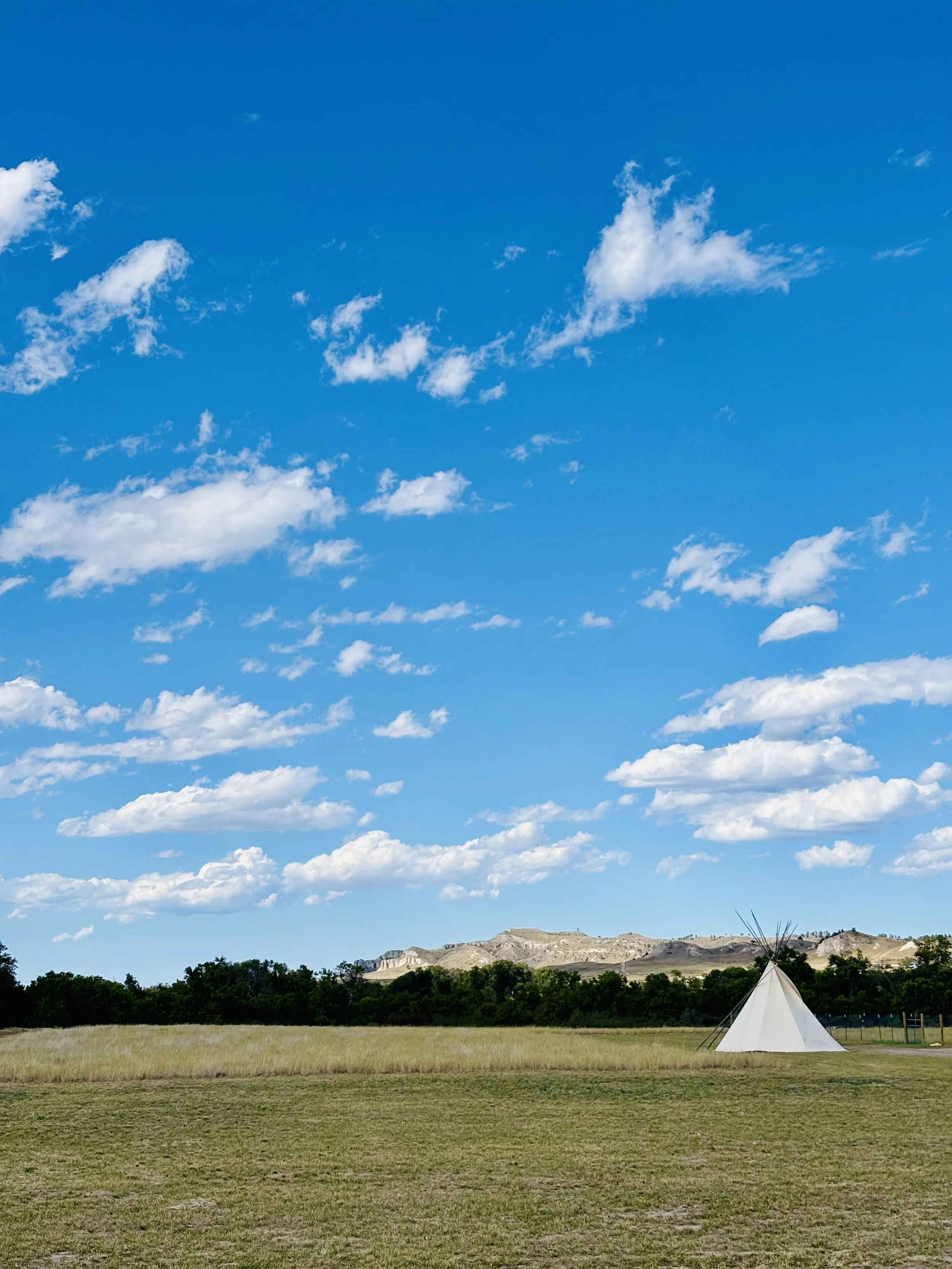
Tanka Fund hosted Buffalo Healing Day, located at Woyute Regenerative Production Farm in Porcupine, South Dakota, and focused on how Buffalo is an integral part of connection and healing at the table. For us at Tanka Fund, it was also a homecoming.
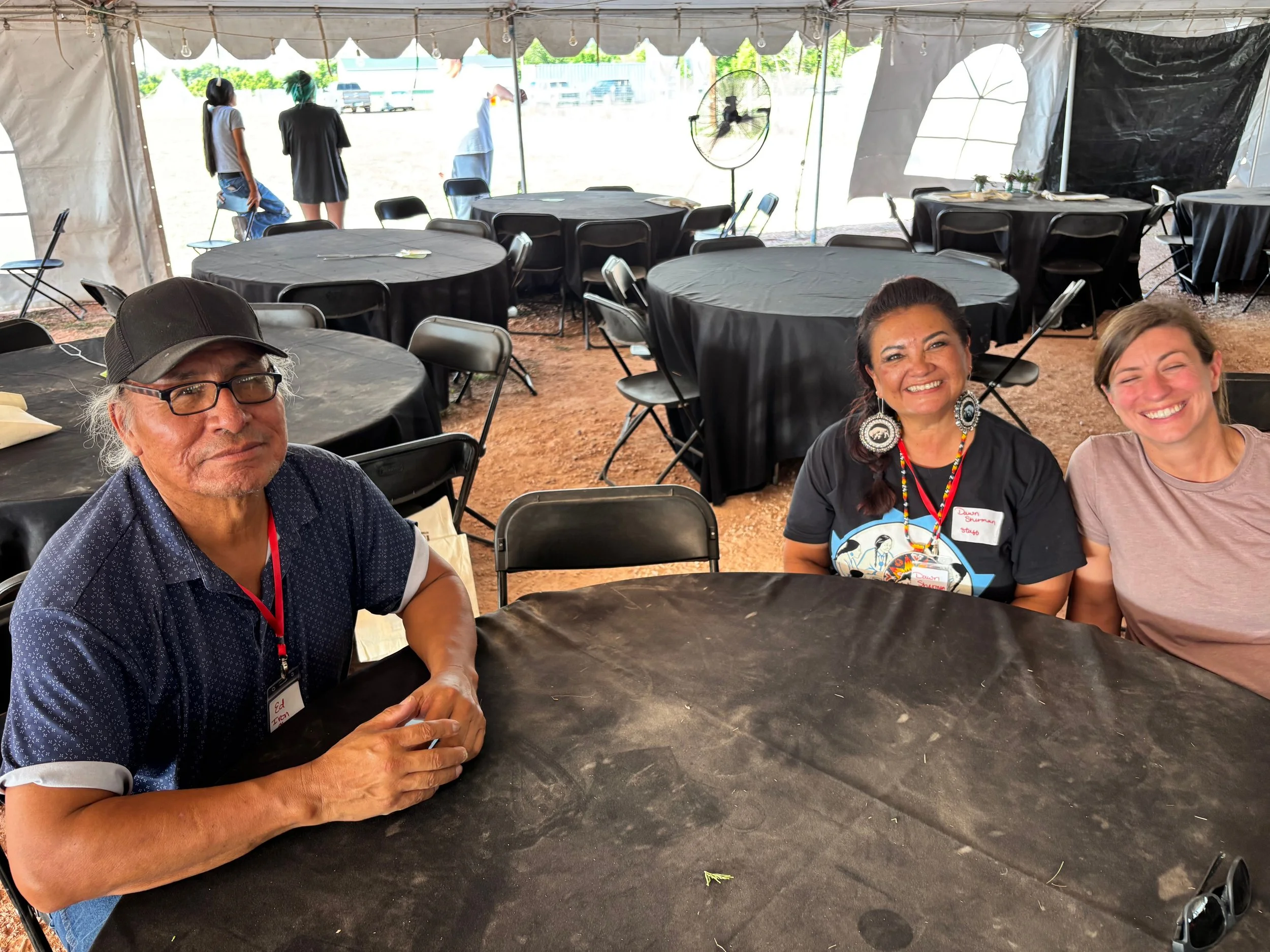
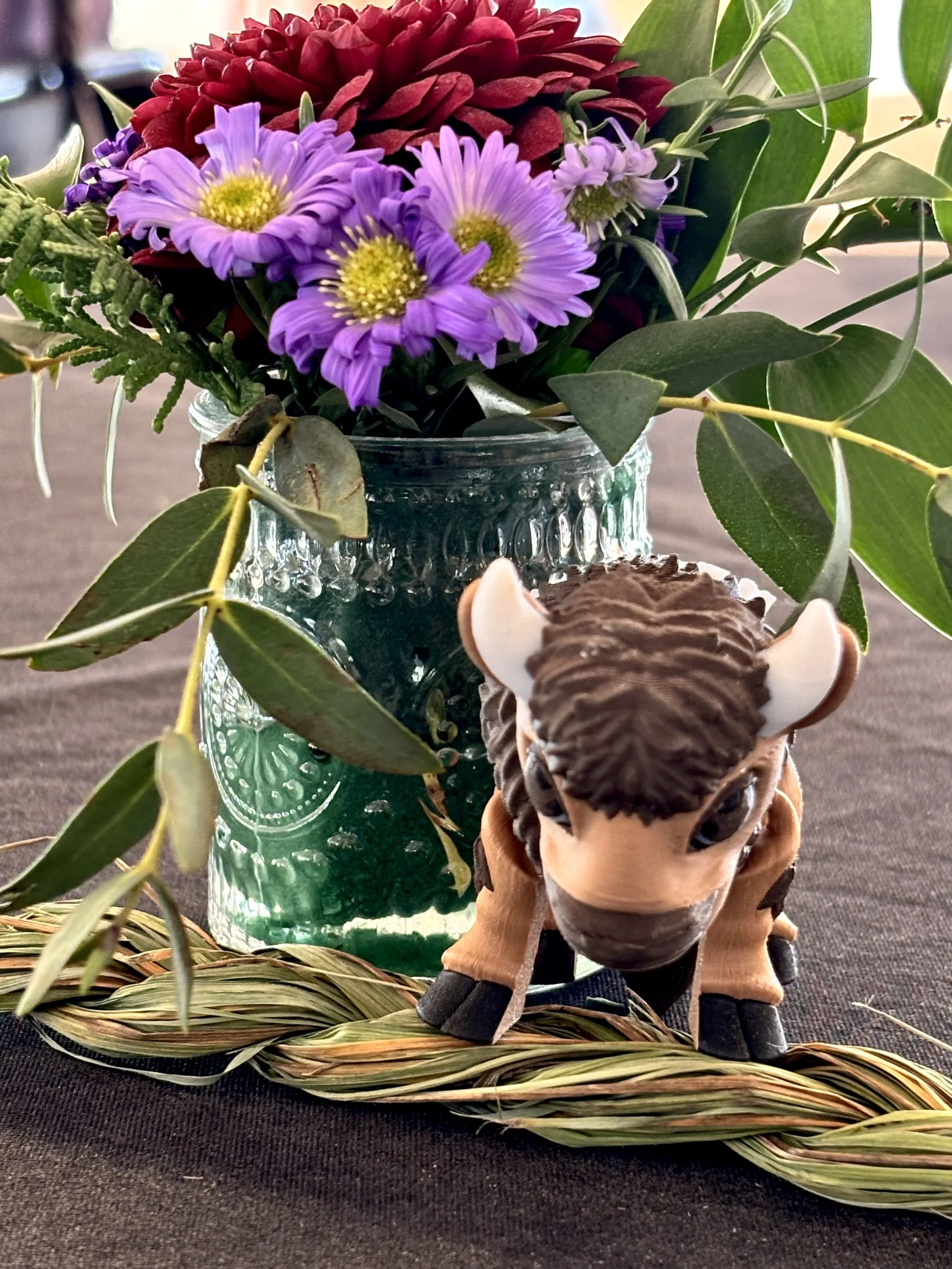
“Being back in this community felt like coming full circle,” said Tanka Fund Executive Director Dawn Sherman (Lakota, Shawnee and Delaware). “ Tanka Fund began here with our first cultural harvest. More than over a decade later, Buffy, and the spirit Grandpa Birgil are still with us. They helped us start this whole thing.”
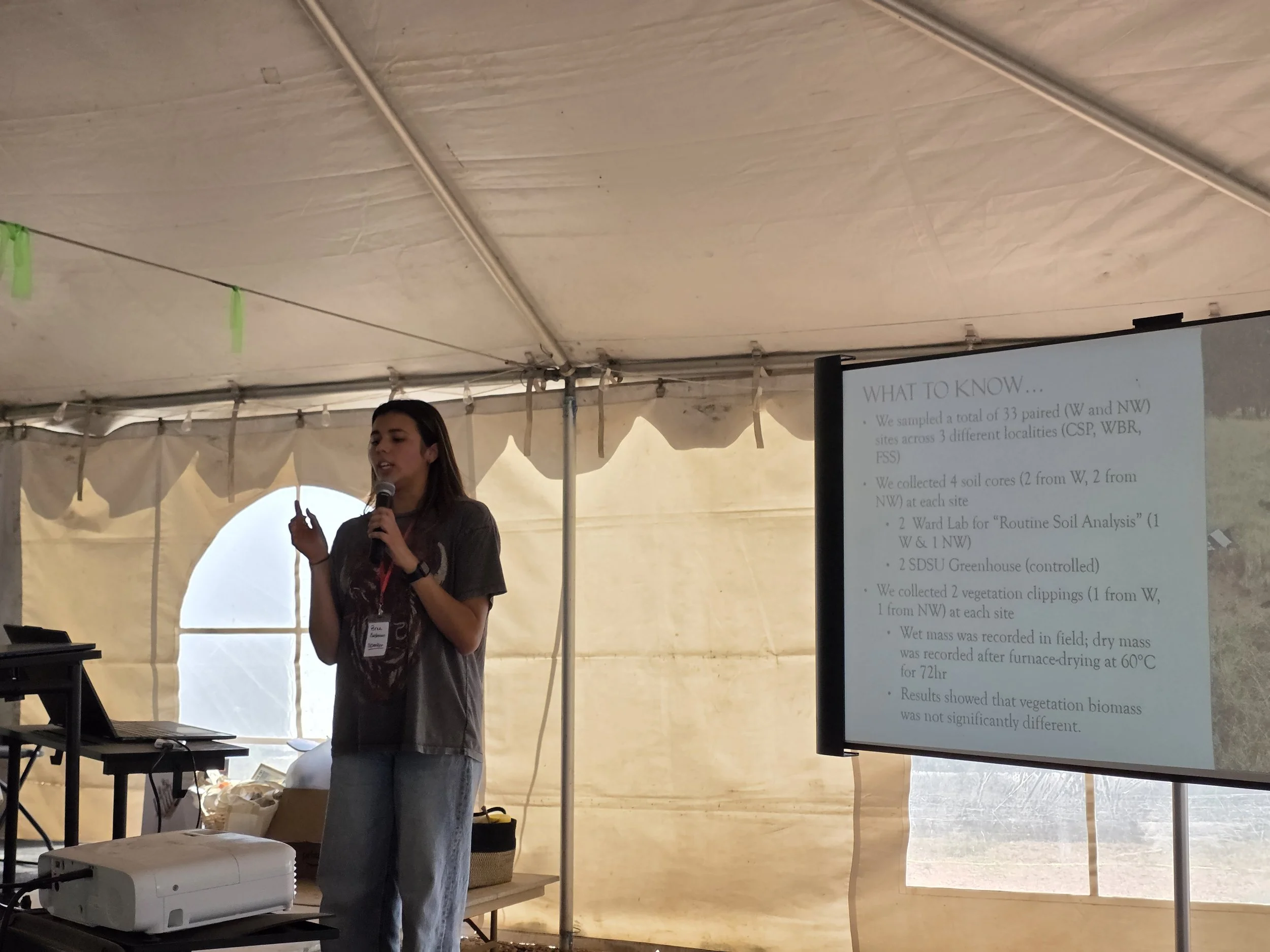
This was Tanka Fund’s first-of-its-kind event and we shared Buffalo teachings and collective stories, stewardship and Buffalo behaviors, gave resources around caretaking, but also tackled the problematic history of colonization. The latter being the government-sanctioned catalyst for the disruptions to the Native daily diets because Buffalo were slaughtered to near extinction.
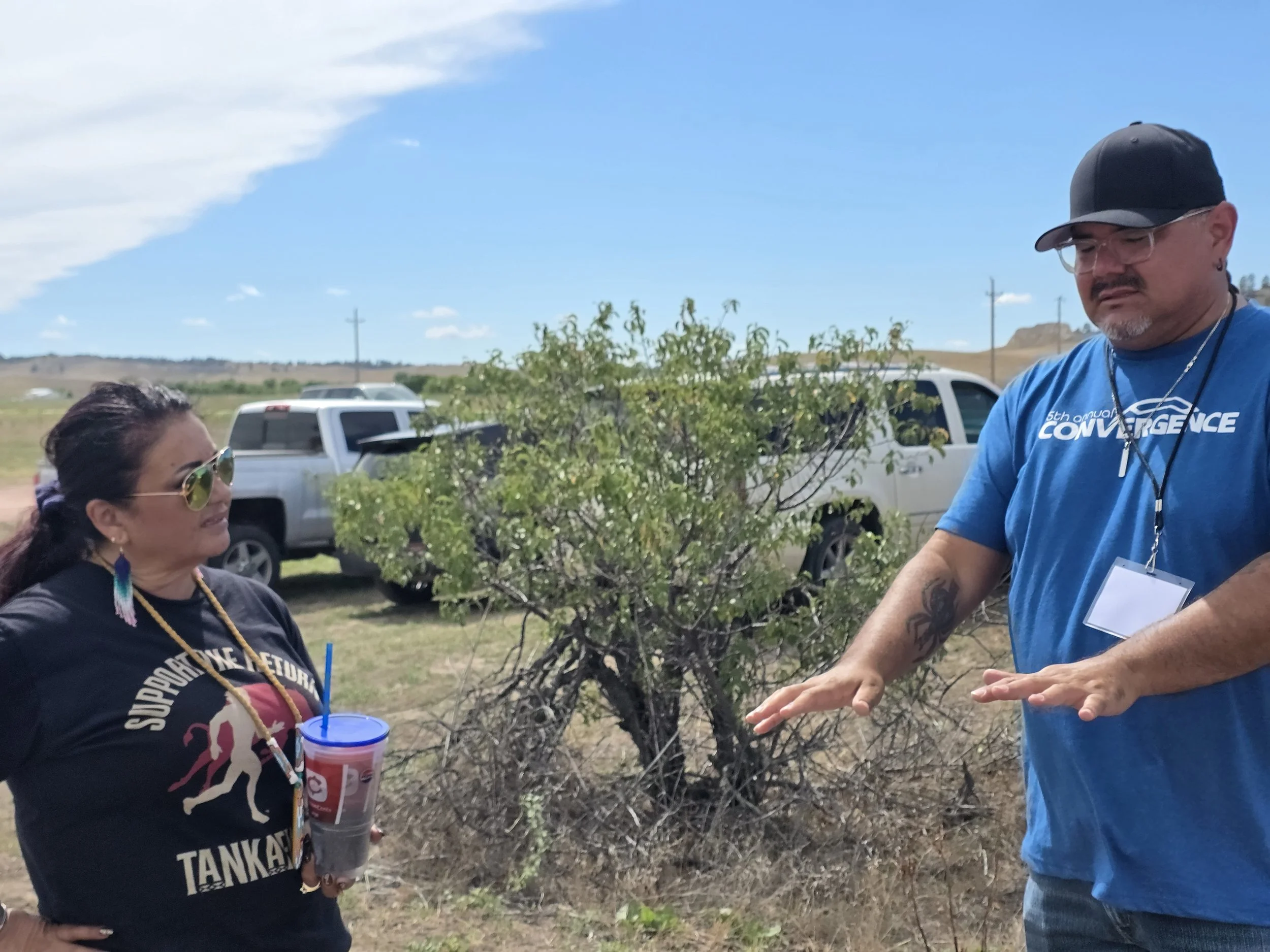
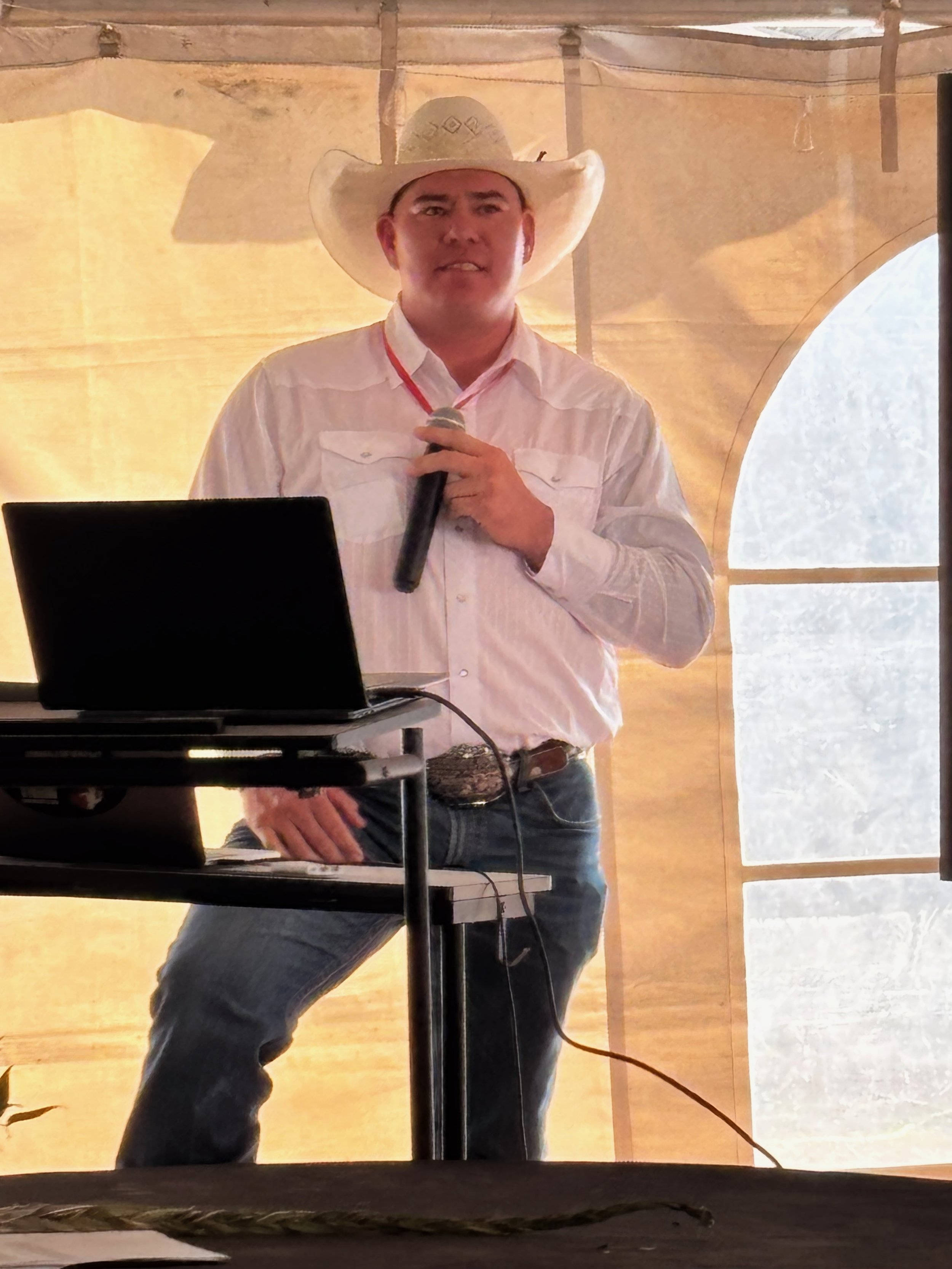
Dereck Stonefish (Oneida of the Iroquois Confederacy), Training Coordinator at the Native American Institute and CEO of Indigenous Forward Consulting, spoke about the historical and intergenerational trauma created by genocidal policies and practices such as boarding schools and forced relocation to reservations. Those disruptions, he said, led to “absolute loss of everything known as normal, including the way that we ate, including the way that we move.”
“We see that disruption to our food system on the plains. We see disruption happen when people went on to the Trail of Tears,” he said. “And this is how commodities started. Originally, they were called rations that were given out. You had to have a little card, and they would punch your card, give you a little box of food, and throw a jug of alcohol in there. Even during Prohibition, they were feeding Natives alcohol.”
Dereck connected that history to what Native families continue to experience today, describing the reliance on food assistance and the long lines that can form for trucks delivering frozen and boxed foods rather than fresh options.
Buffalo restoration lives amongst this reality.
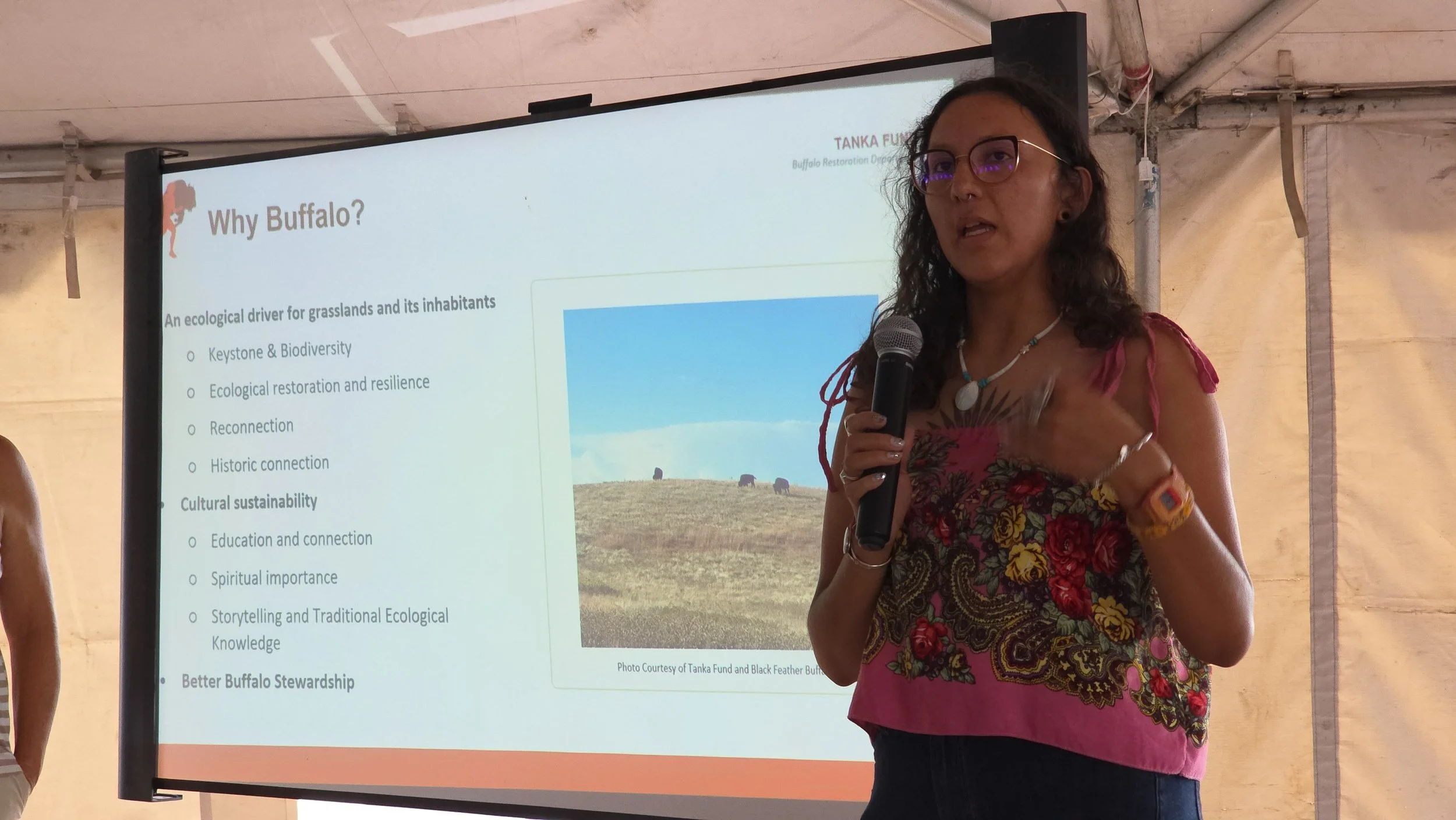
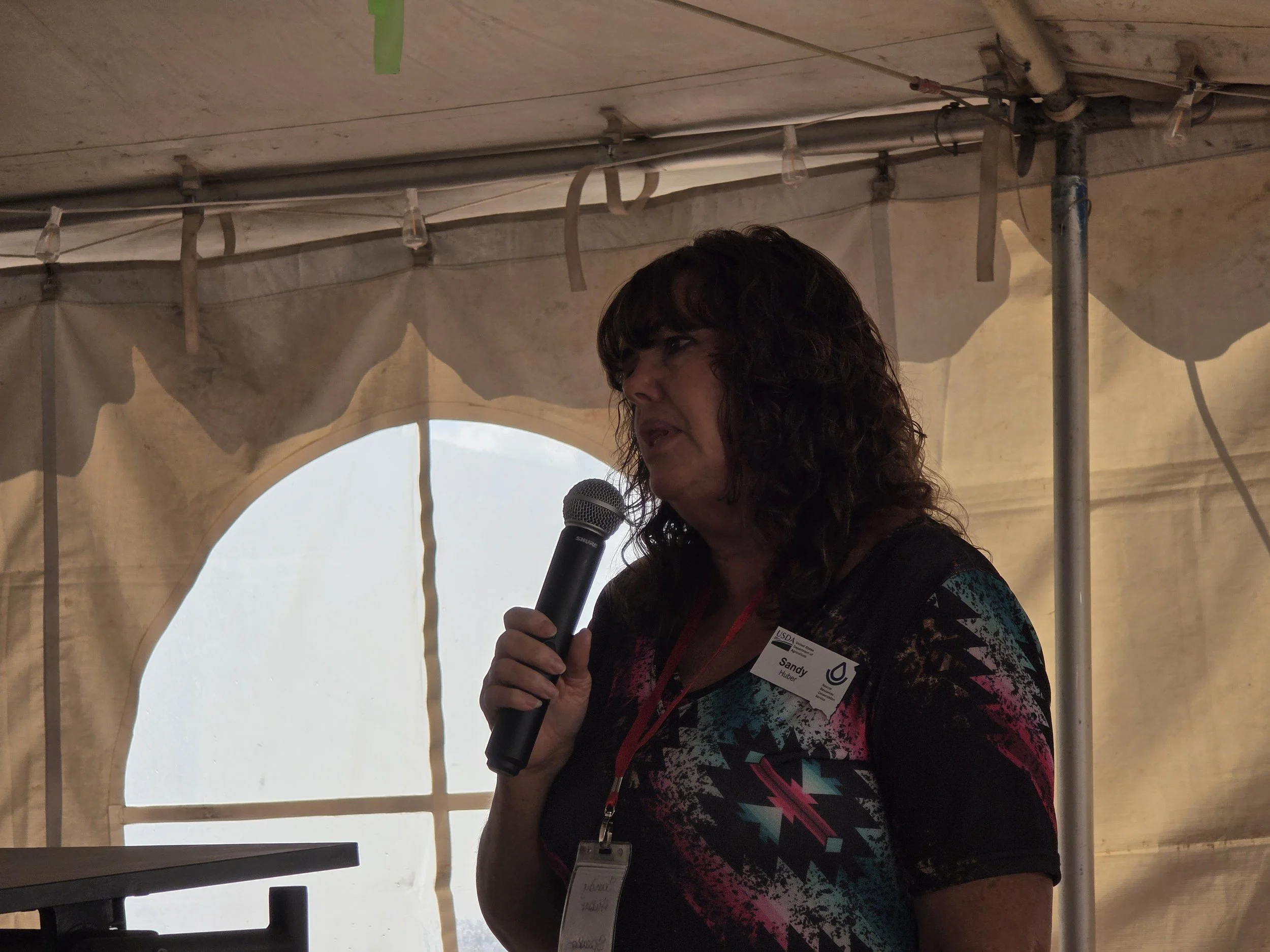
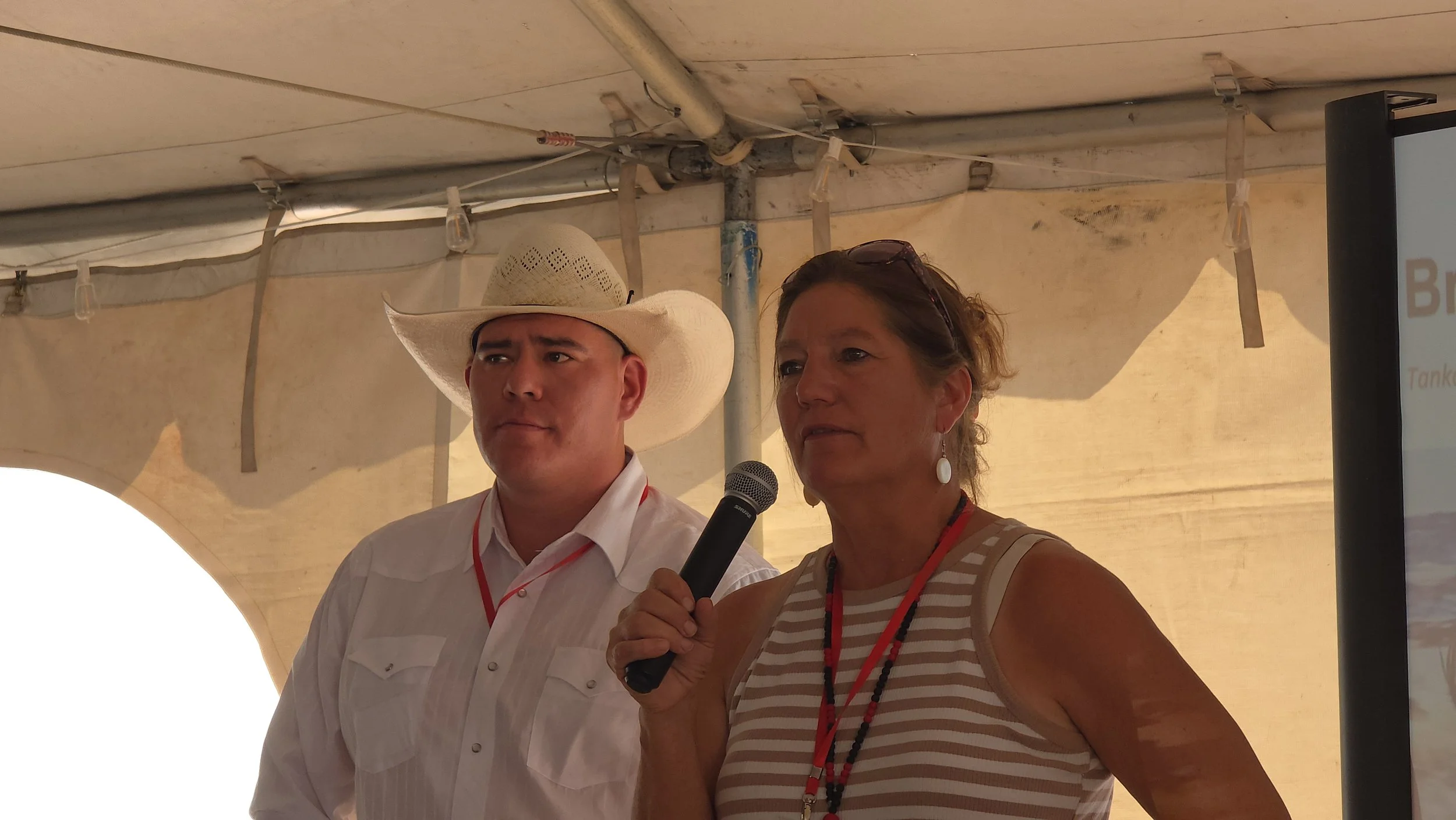
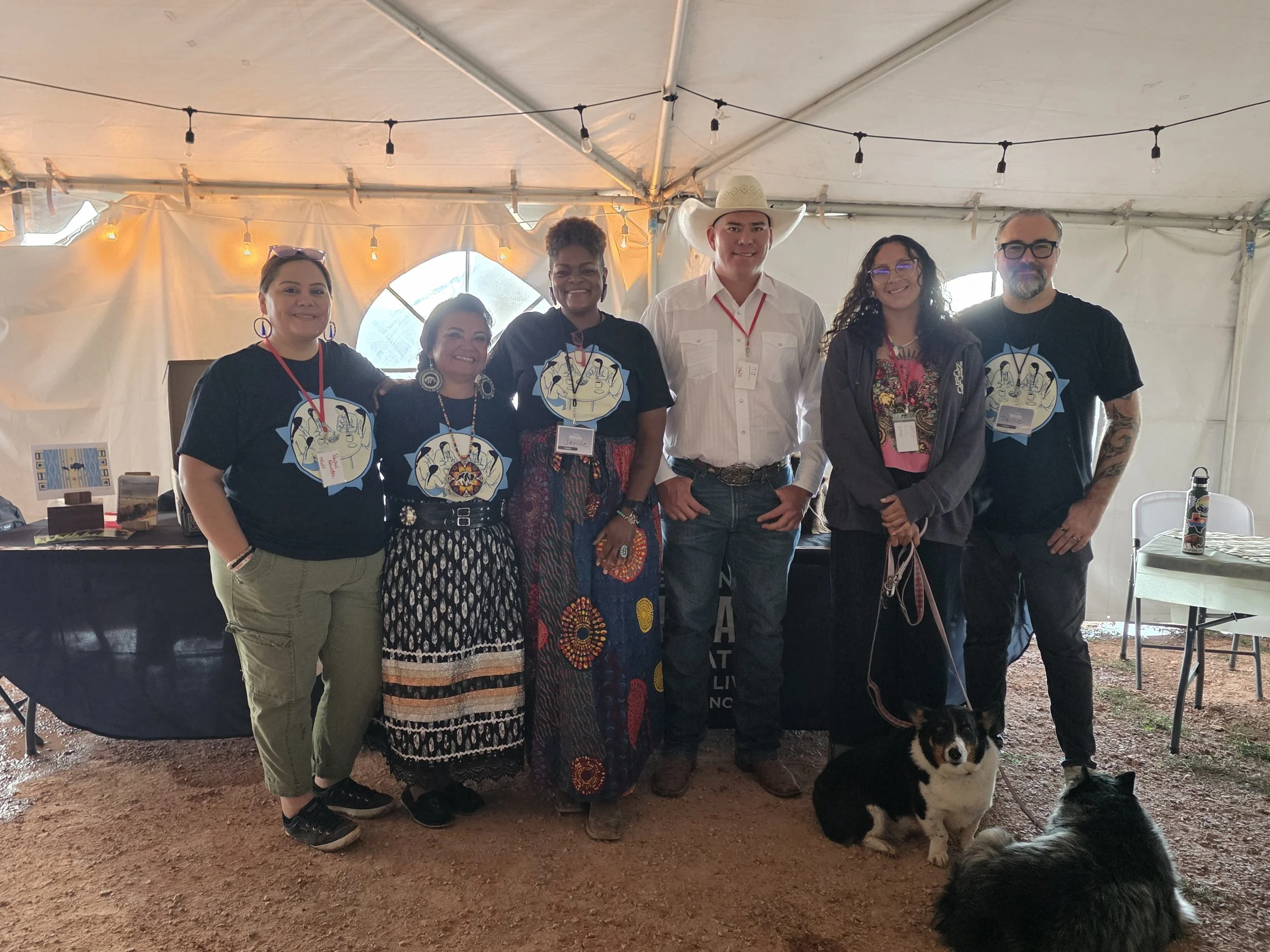
Returning Buffalo to Native lands creates opportunities to strengthen the food systems that were deliberately fractured. That work is closely connected to our mission of bringing Buffalo back to Native lands, lives, and economies. During our Buffalo Healing Day at Makoce’s Convergence, attendees got to explore that relationship from multiple angles, including how Buffalo play a key role in improving land and how caretakers learn from the herds themselves. Tanka Fund Technical Service Provider Tyler “TJ” Heinert (Rosebud Sioux) reflected on this and why the day was significant.
“I think having events like the healing at the table is important. It gives ranchers and partners an opportunity to be heard and learn from each other. Without collaboration we cannot succeed to our fullest potential as Native American ranchers,” he said. “To me Buffalo restoration is building that connection with our Buffalo relatives, and to recreate that ecosystem that was lost over time. They will teach us everything we need to know, we just need to slow down and listen.
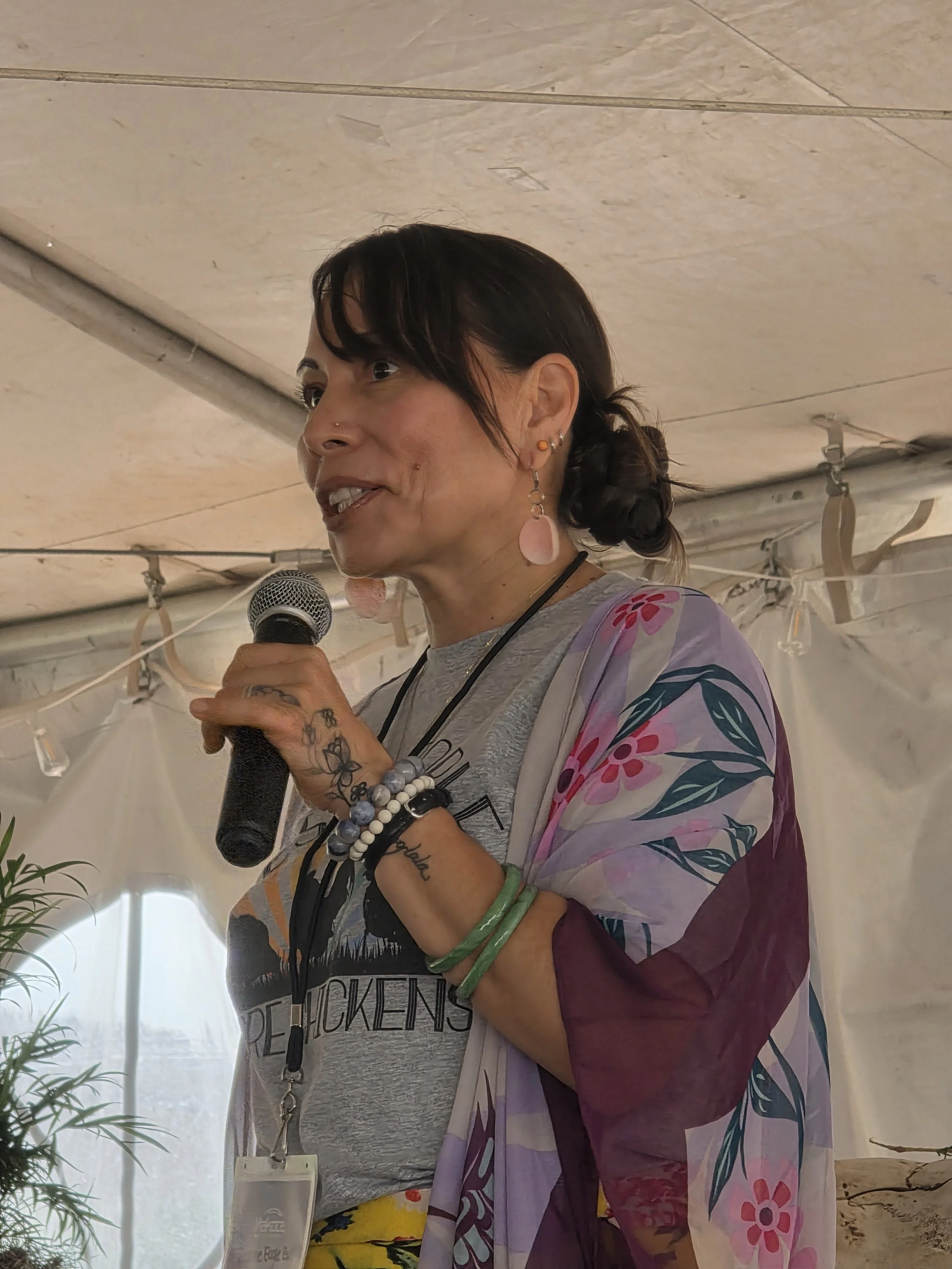
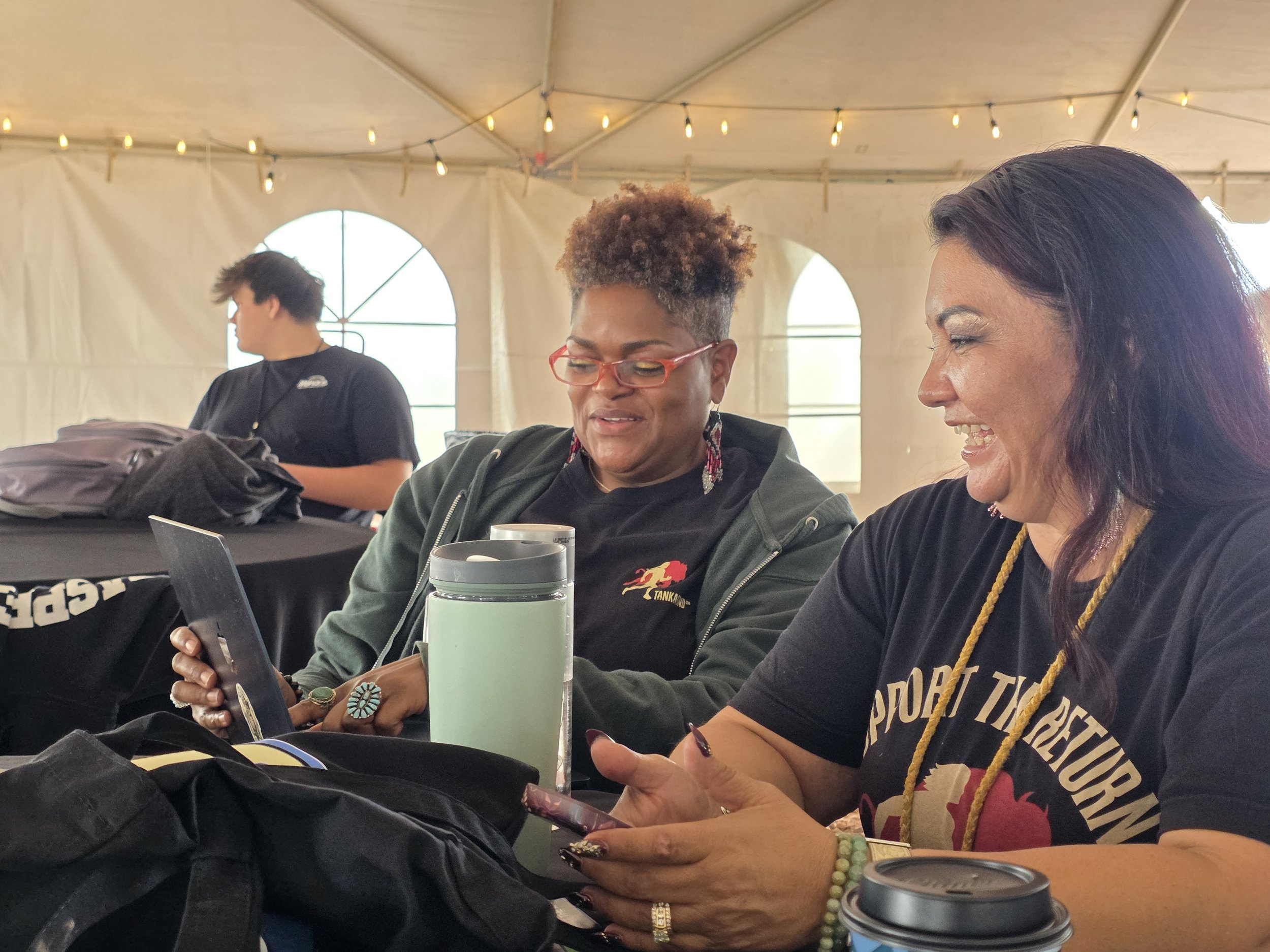
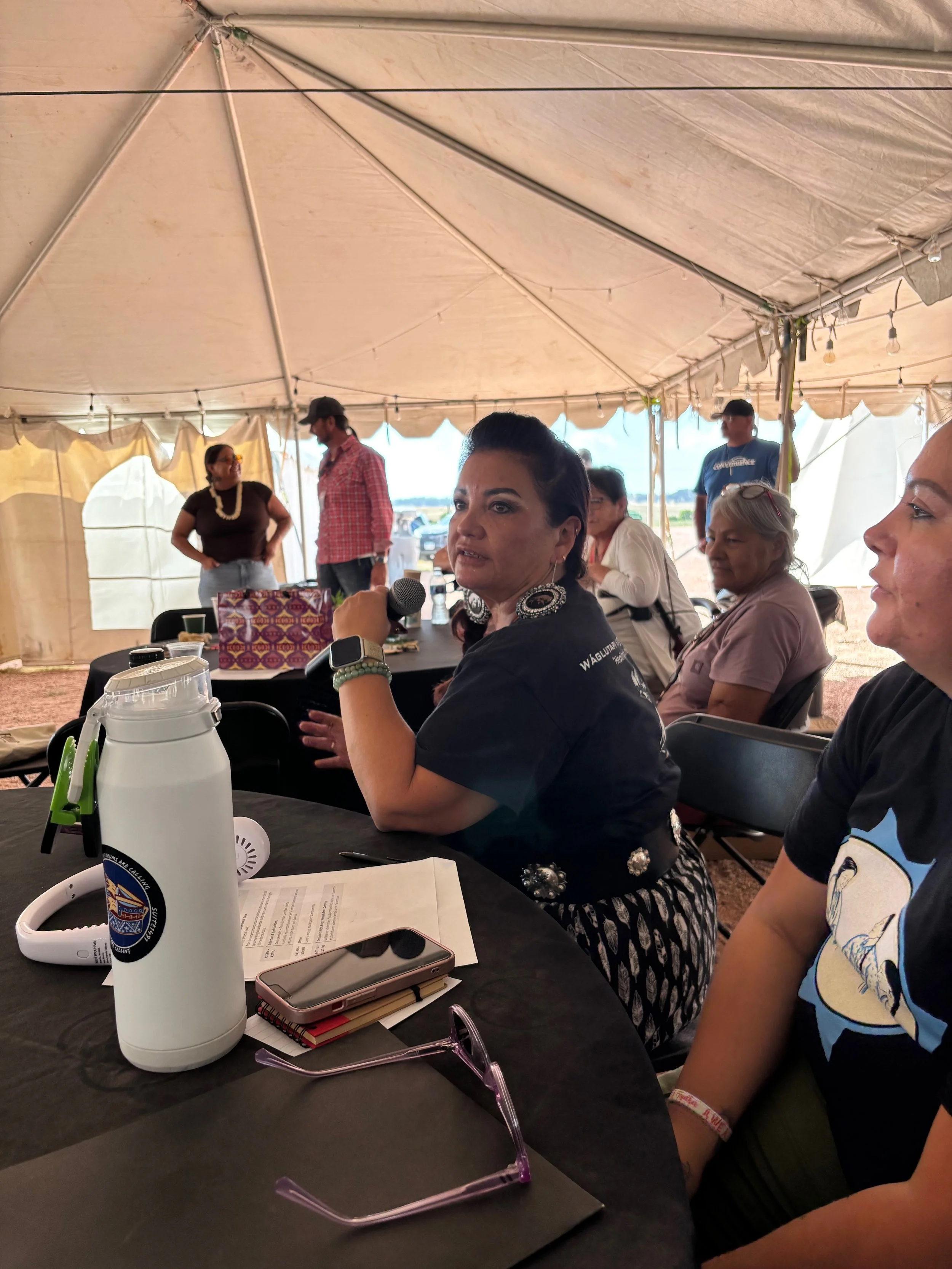
That opportunity to listen was a highlight of the event as emcee Jeanne Eagle Bull (Oglala Lakota), President of Oyáte Woókiye, invited attendees to share memories of their own familial tables.
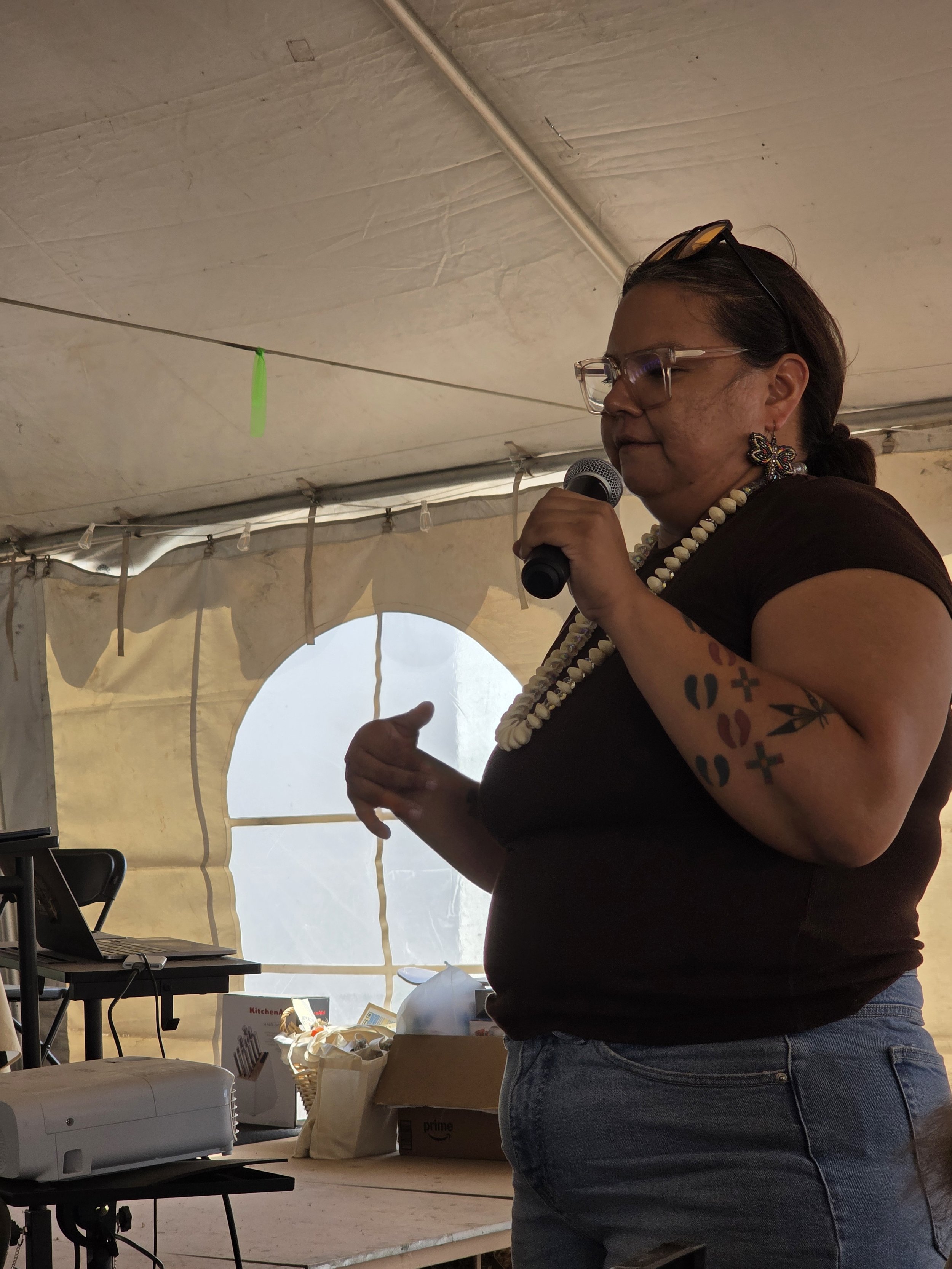
Monica Rattling Hawk (Oglala Lakota) of World Wildlife Fund spoke about harvesting Buffalo and cleaning the taniga (intestines), describing the process as vastly cleaner and less traumatizing than experiences with beef. Additionally, she spoke about the medicines Buffalo consume from the land and how that relationship, in turn, carries medicine to the people.
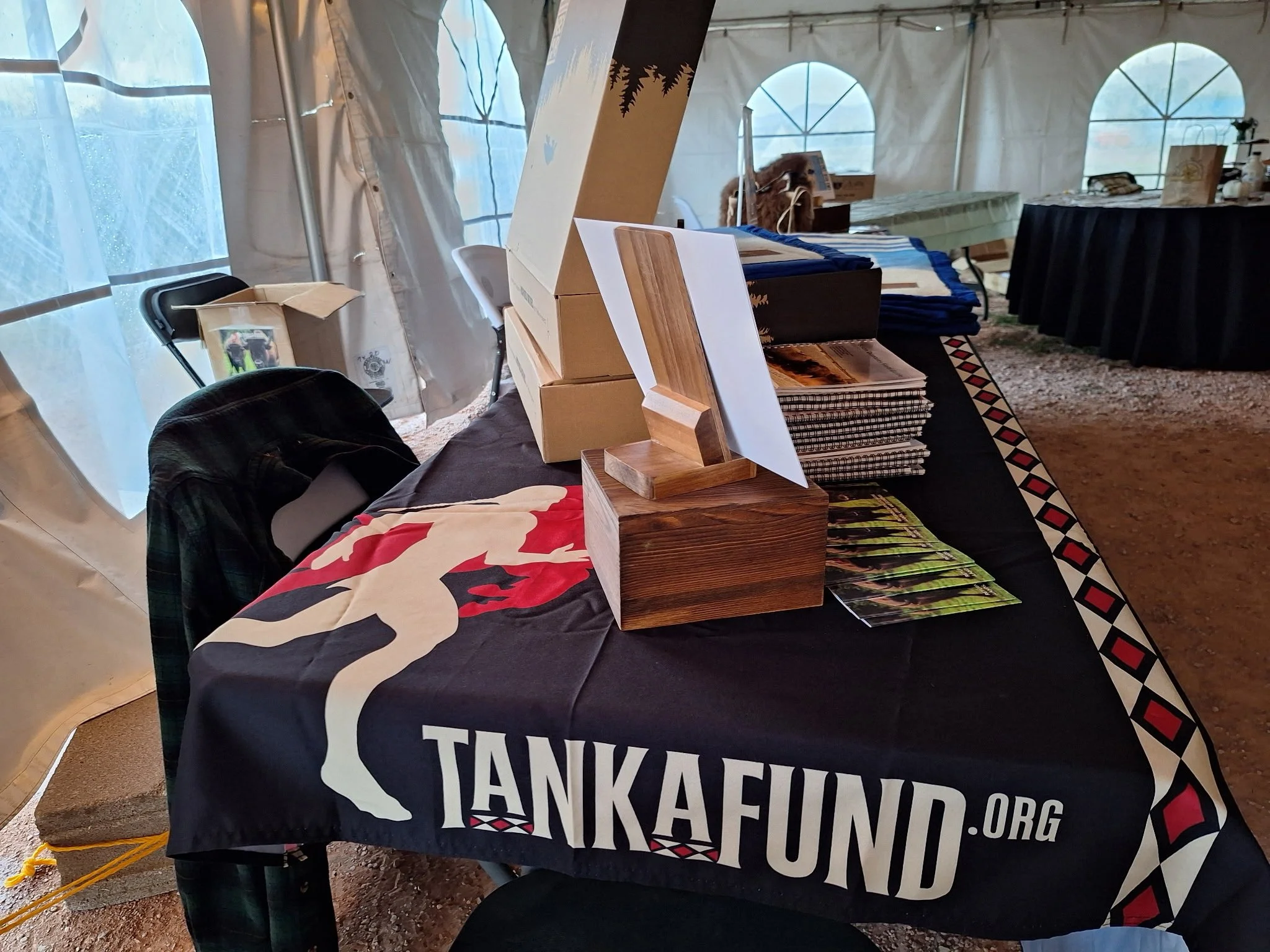
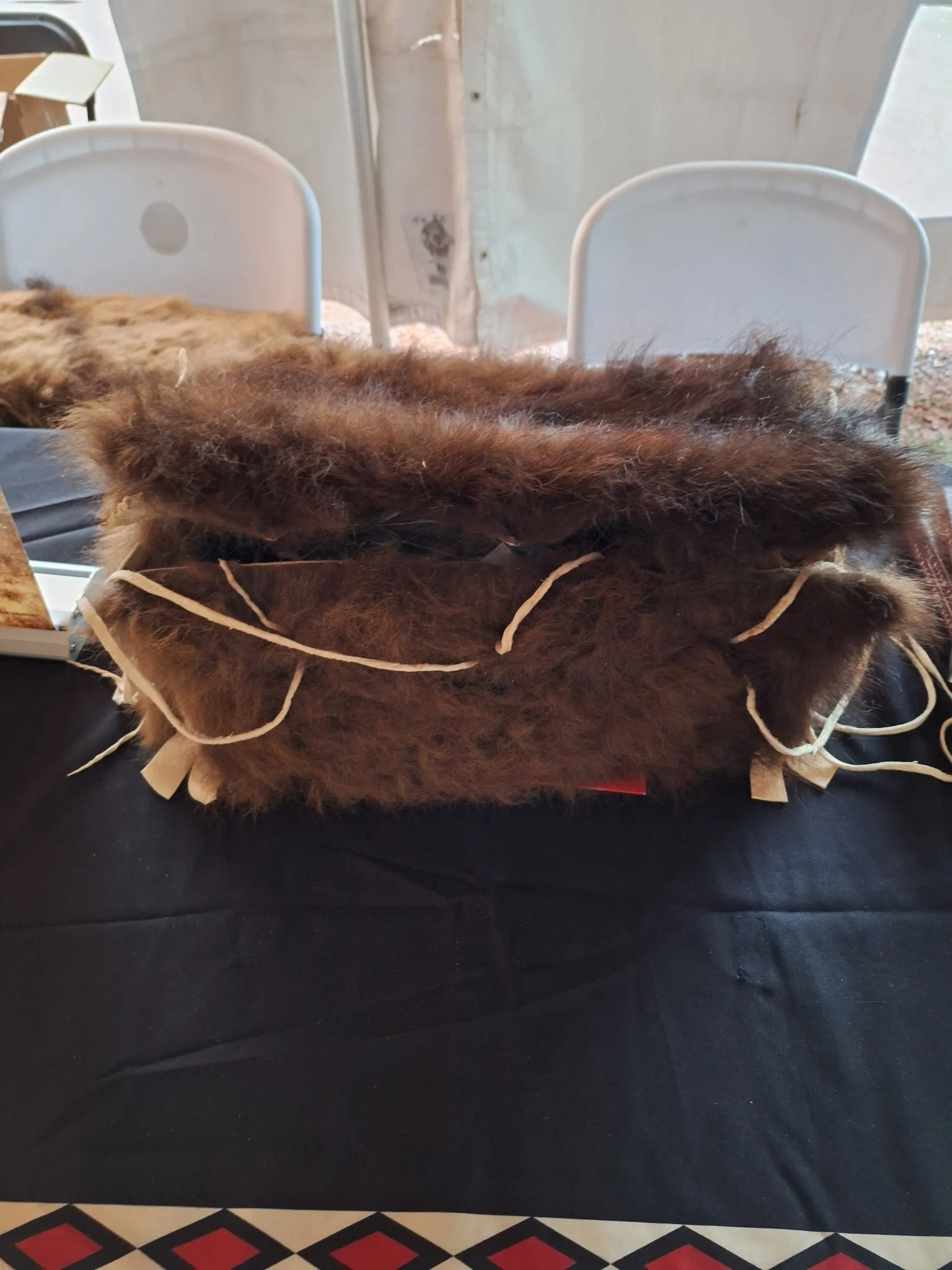
Later, Summer Afraid of Hawk (Mnicoujou and Oglala Lakota), also with World Wildlife Fund, echoed that connection while sharing Tanka Fund’s Buffalo Box and discussing the different parts of the Buffalo. She spoke about how learning about Buffalo, understanding their uses and taking part in harvesting can help the people heal.
“When we restore the Buffalo, then our communities can get to heal,” she said. “When you always take care of the Buffalo, they will always take care of you.”
Throughout the day, our relative did just that.
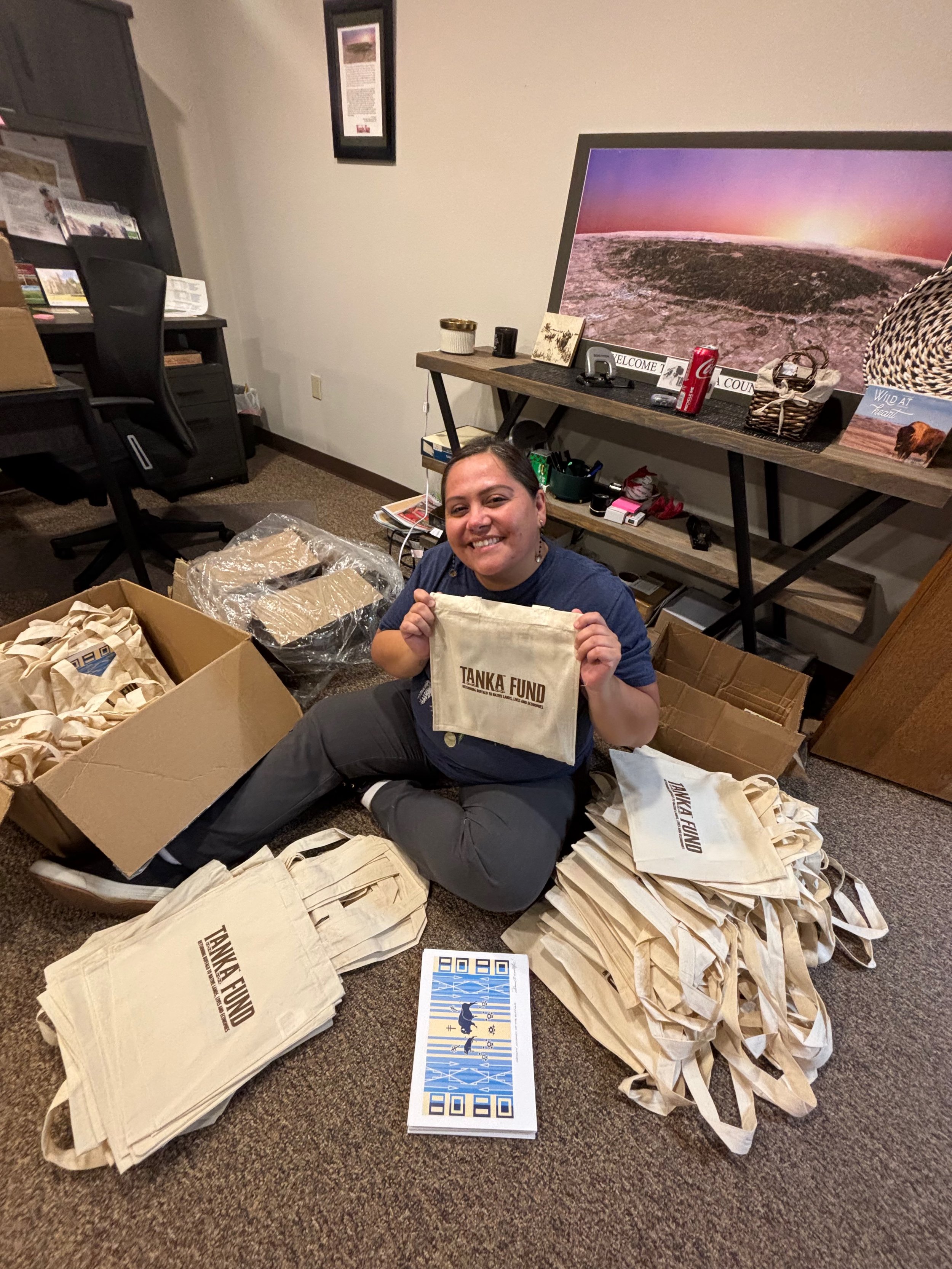
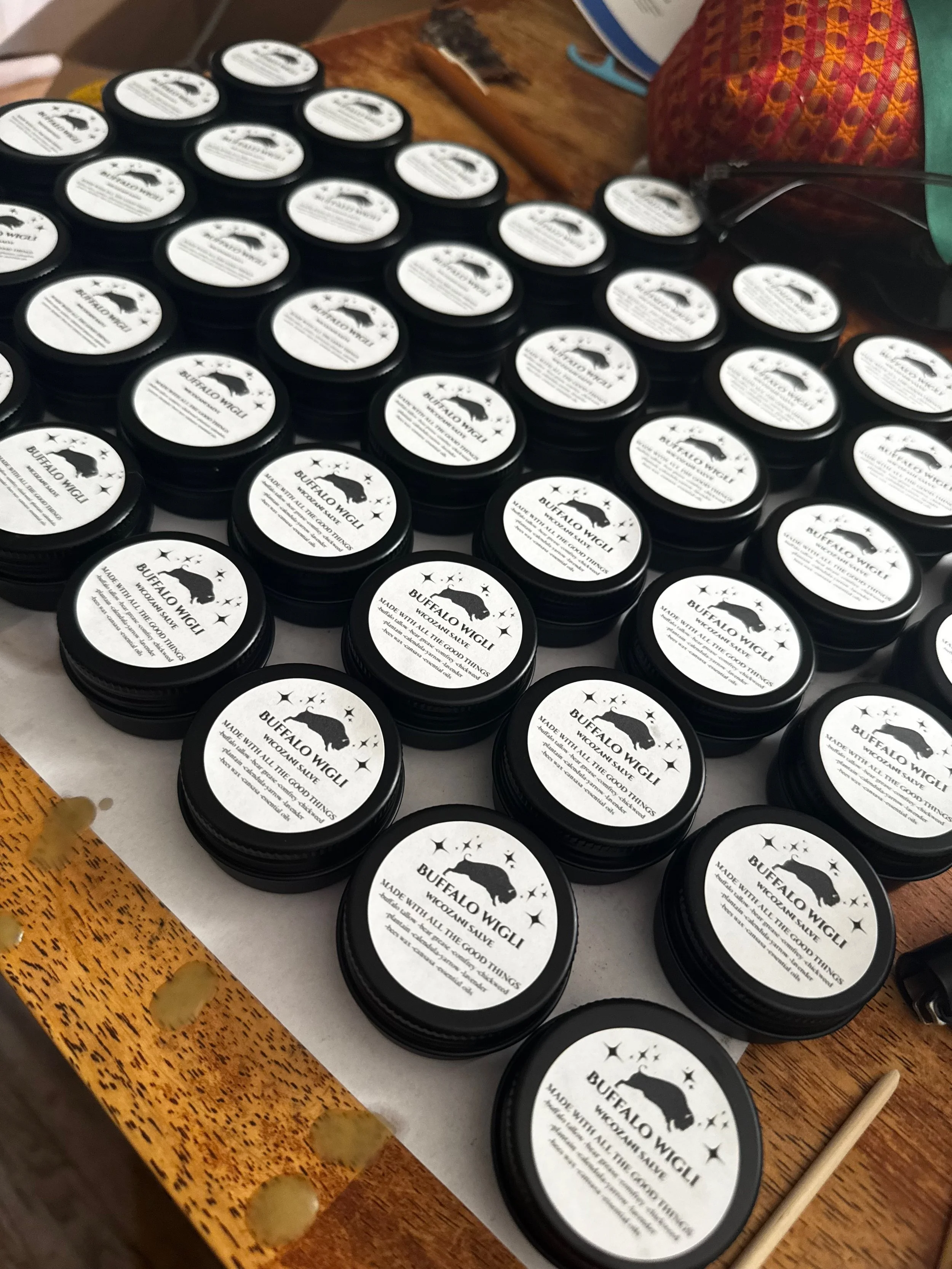
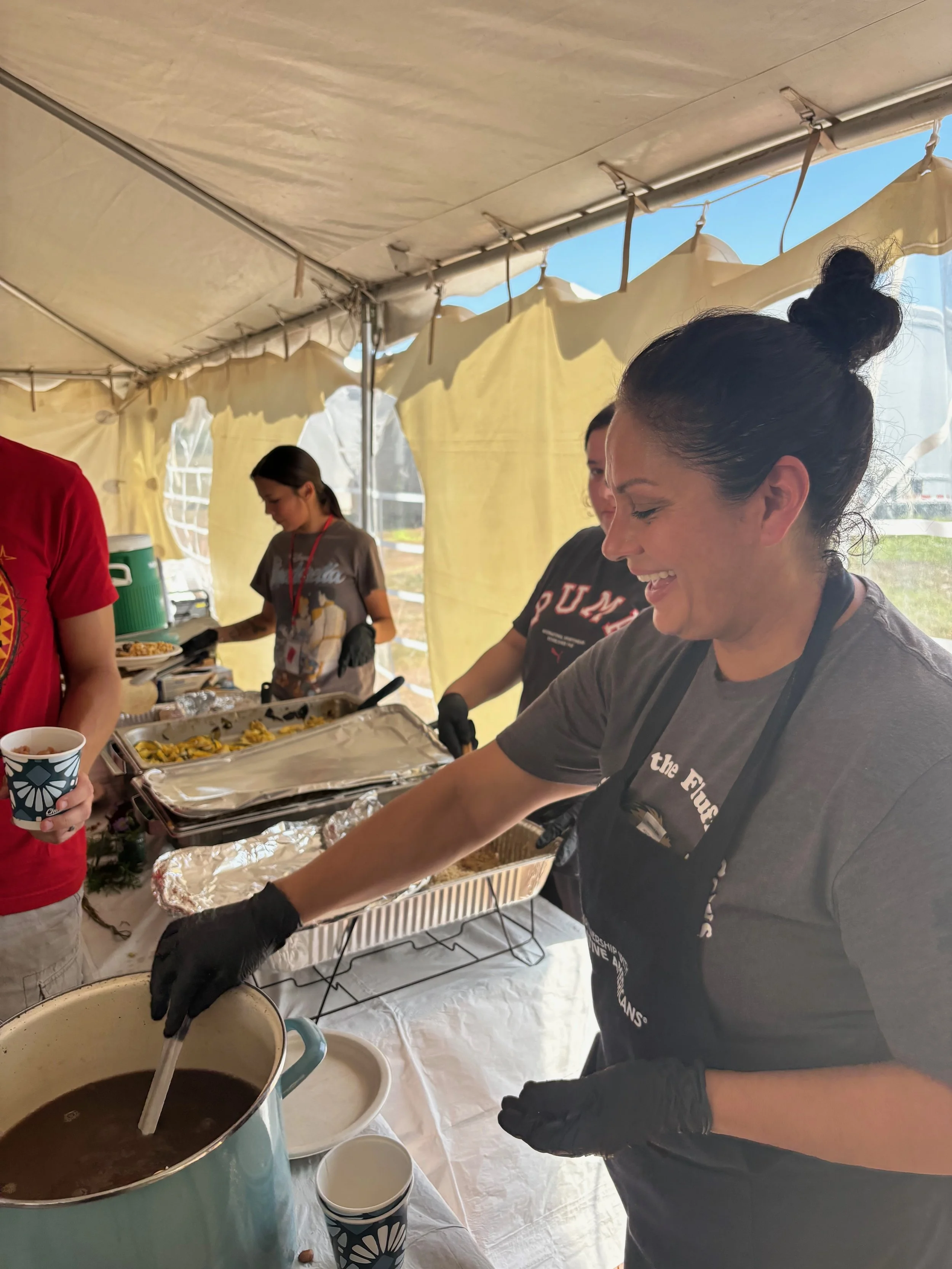
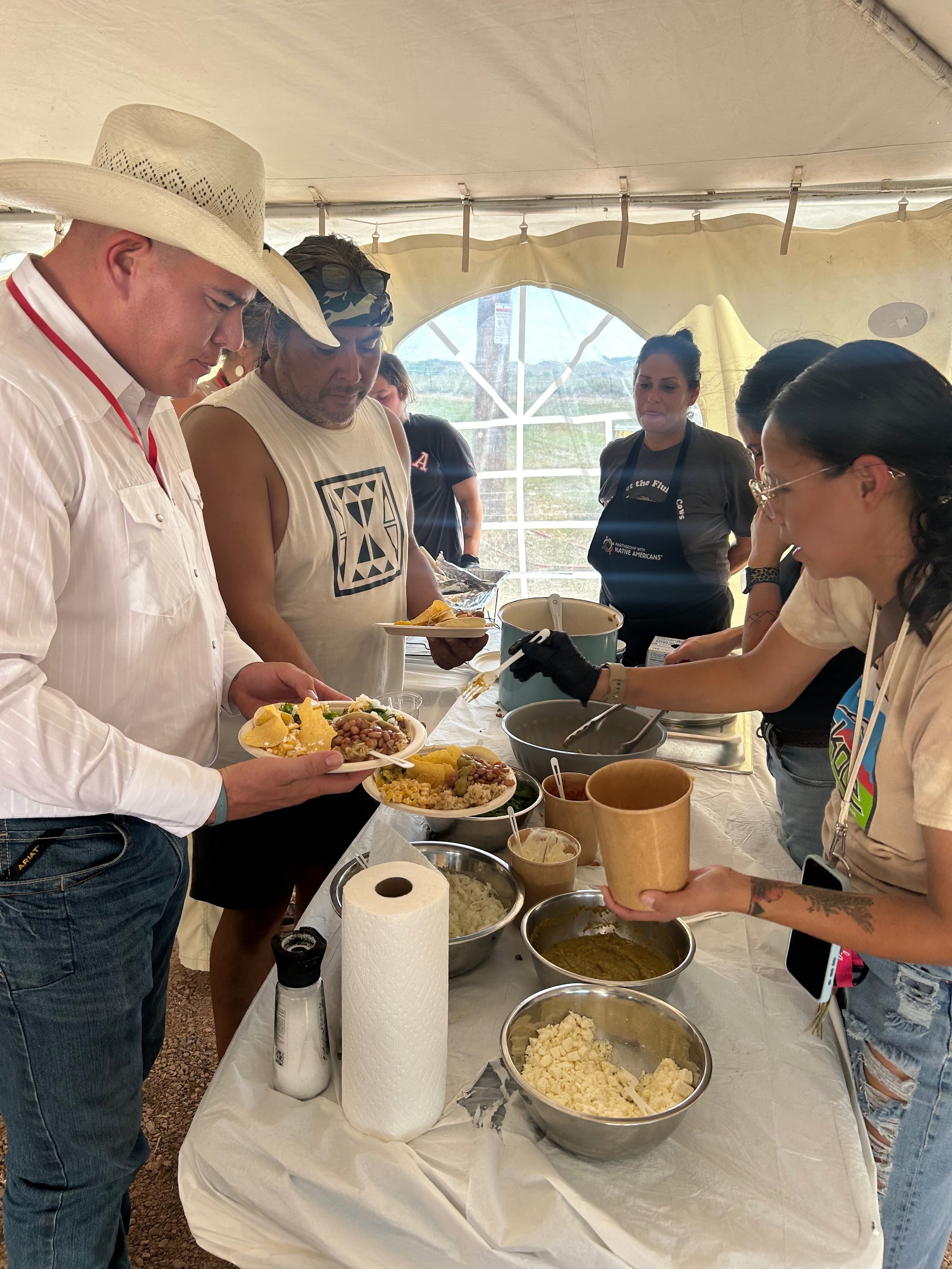
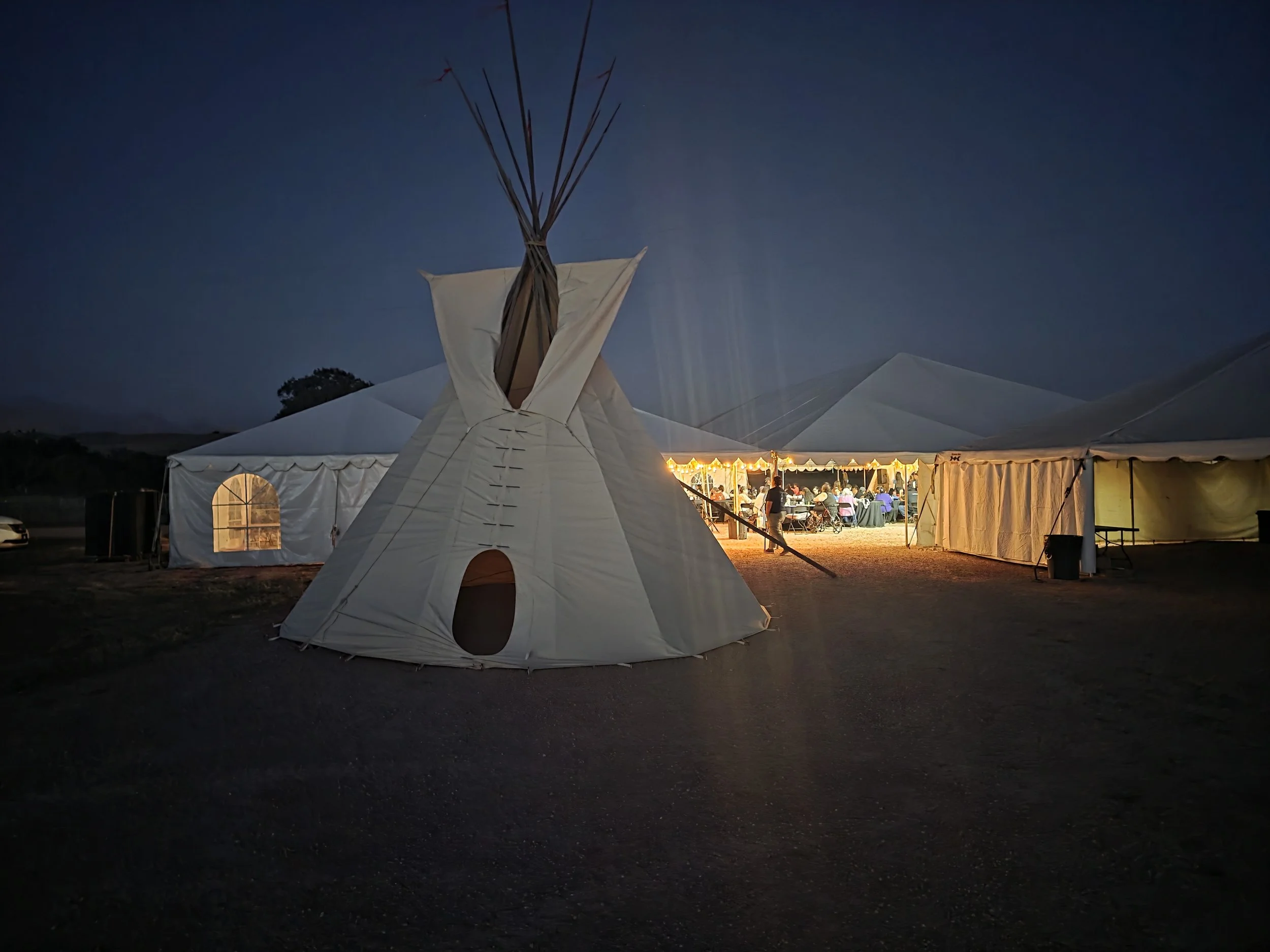
The Buffalo we served came from our rancher partner Bamm Brewer (Ogala Lakota, Charging Buffalo Ranch) and was prepared by local caterer The Hangry Buffalo. We gave out gift bags that included lip balm from our rancher partners at Native Wise LLC and tallow from our friend Irona Howe. As the evening turned to community BINGO, the tables were full of local Oyáte of every generation who gathered and left with prizes, stories, and full bellies.
To Augusta “Gusti” Rattling Hawk (Oglala Lakota), our Buffalo Restoration Director, that sense of community goes hand in hand with the Buffalo.
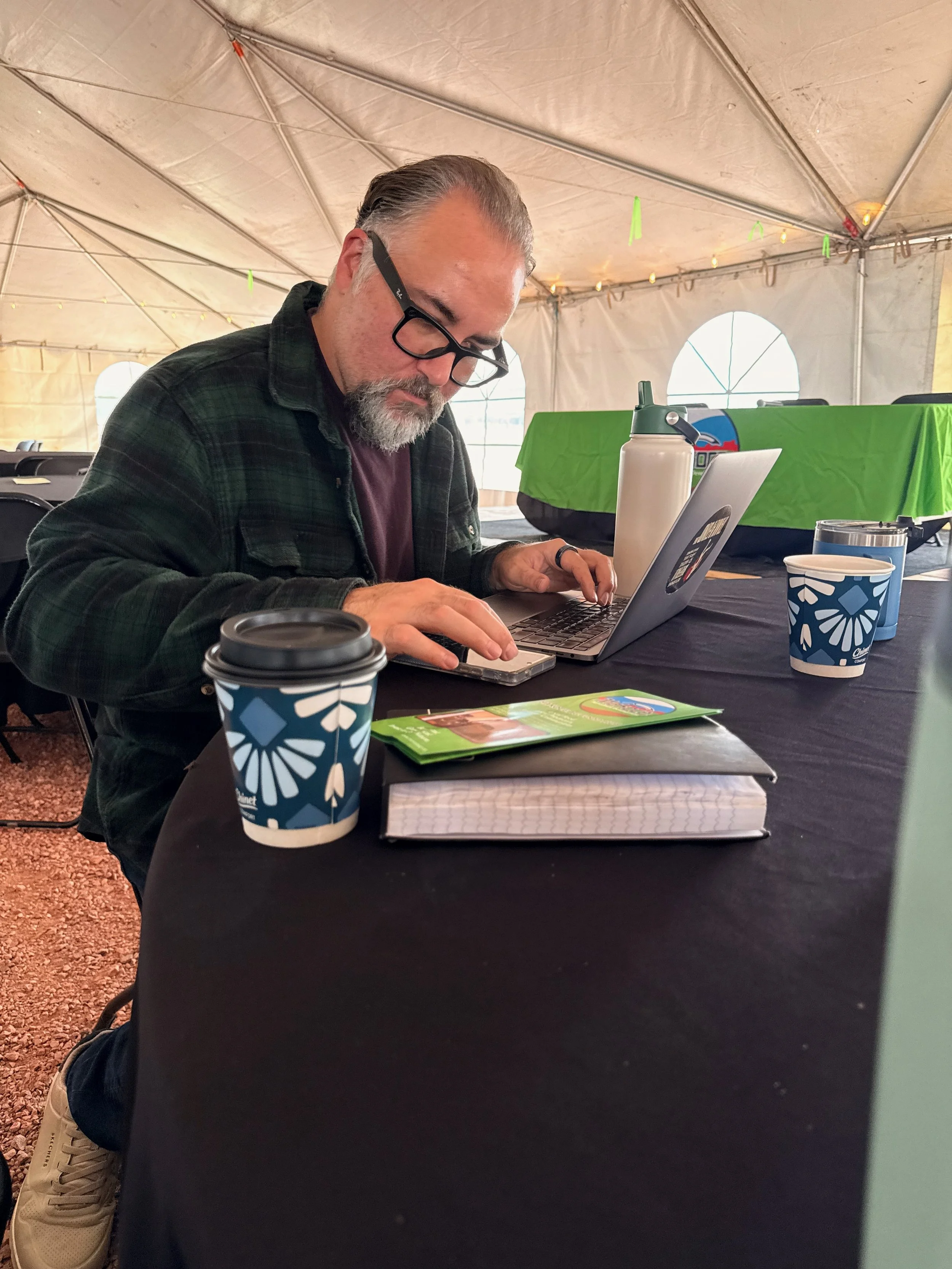
“At the collective table, I often heard the phrase ‘we must…,’ and I often reflect on how meaningful the language felt when shared over that cup of coffee. Now we must continue to listen to our communities as they guide us through life,” they said. “Whether around a table or a campfire — being together as a collective can make us stronger but it is also important for all of us to be present for Buffalo restoration. Every person and position is important, as Buffalo goes beyond the table. To restore Buffalo, we need people who understand them, our communities, art, ceremony, those who do the work, those who advocate. Buffalo, to me, are the embodiment of connection and we must continue to remember where restoration work started, with each other with what we have.”