In the room where it happened: NBA 2026
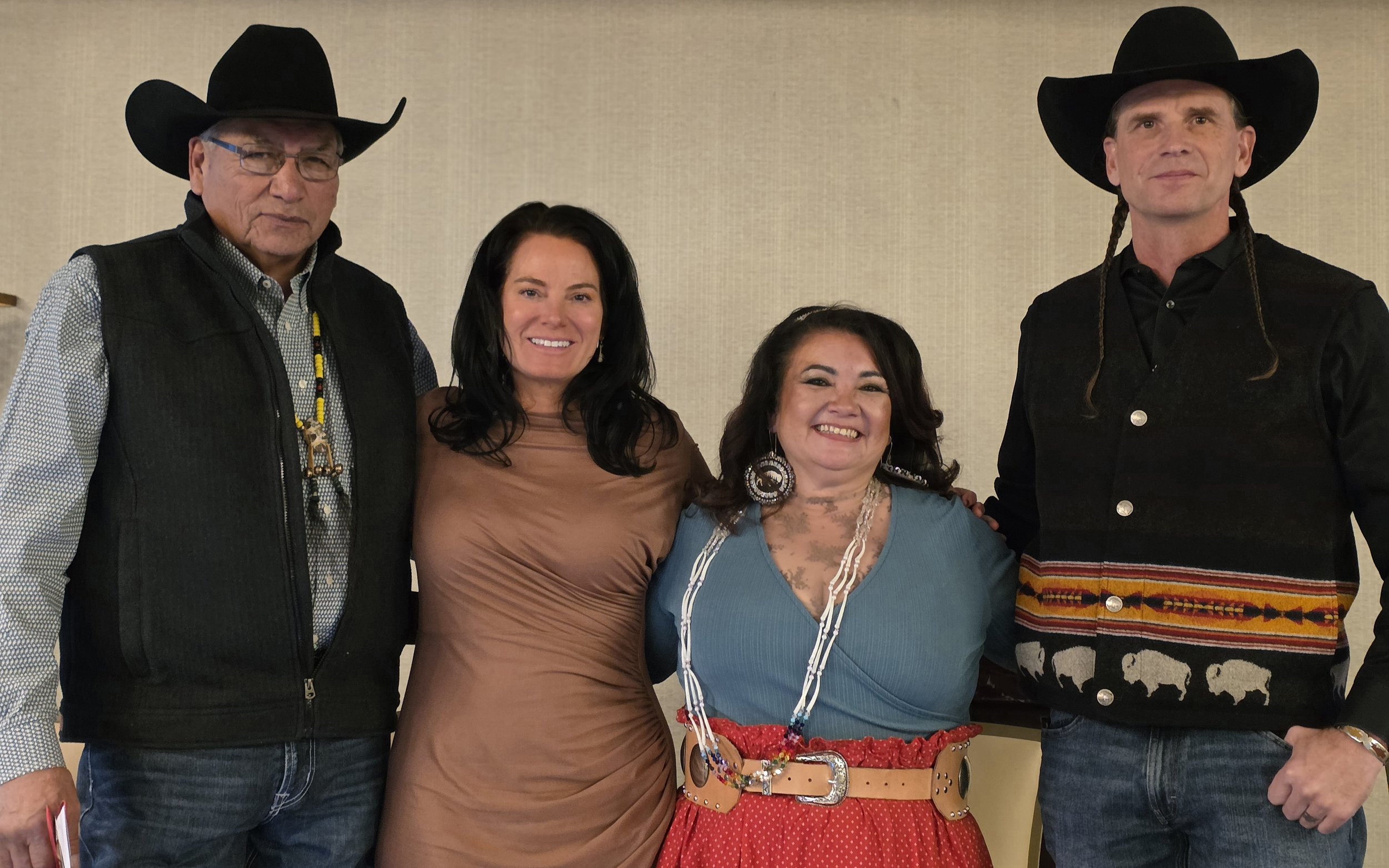
Tanka Fund’s leadership joined Native leaders at the National Bison Association Winter Conference to advocate for Buffalo restoration centered on Native producers, culture, and community well-being. Executive Director Dawn Sherman highlighted the unique barriers Native ranchers face, emphasized that restoration cannot be measured by economics alone, and reinforced that returning Buffalo is about nourishment, youth, and the future of Native communities.
5 Key Points
Presence matters: Tanka Fund showed up at the National Bison Association Winter Conference to ensure Native voices and perspectives were represented in national conversations about Buffalo.
Native producers face added barriers: Beyond shared industry challenges, Native ranchers navigate additional land governance and regulatory processes that slow restoration efforts.
Restoration is not just economic: Framing Buffalo restoration solely in financial terms ignores cultural relationships with Buffalo and the land.
Buffalo restoration supports health and nourishment: Restoring Buffalo includes respectful harvests that provide food, strengthen health, and support community well-being.
The future is the focus: Restoration is about ensuring the next generation has access to Buffalo, culture, and healthy food systems — “It’s about these kids.”
Read longer story below.
Continuing to restore Buffalo to Native lands, lives, and economies means navigating and at times confronting deeply different worldviews.
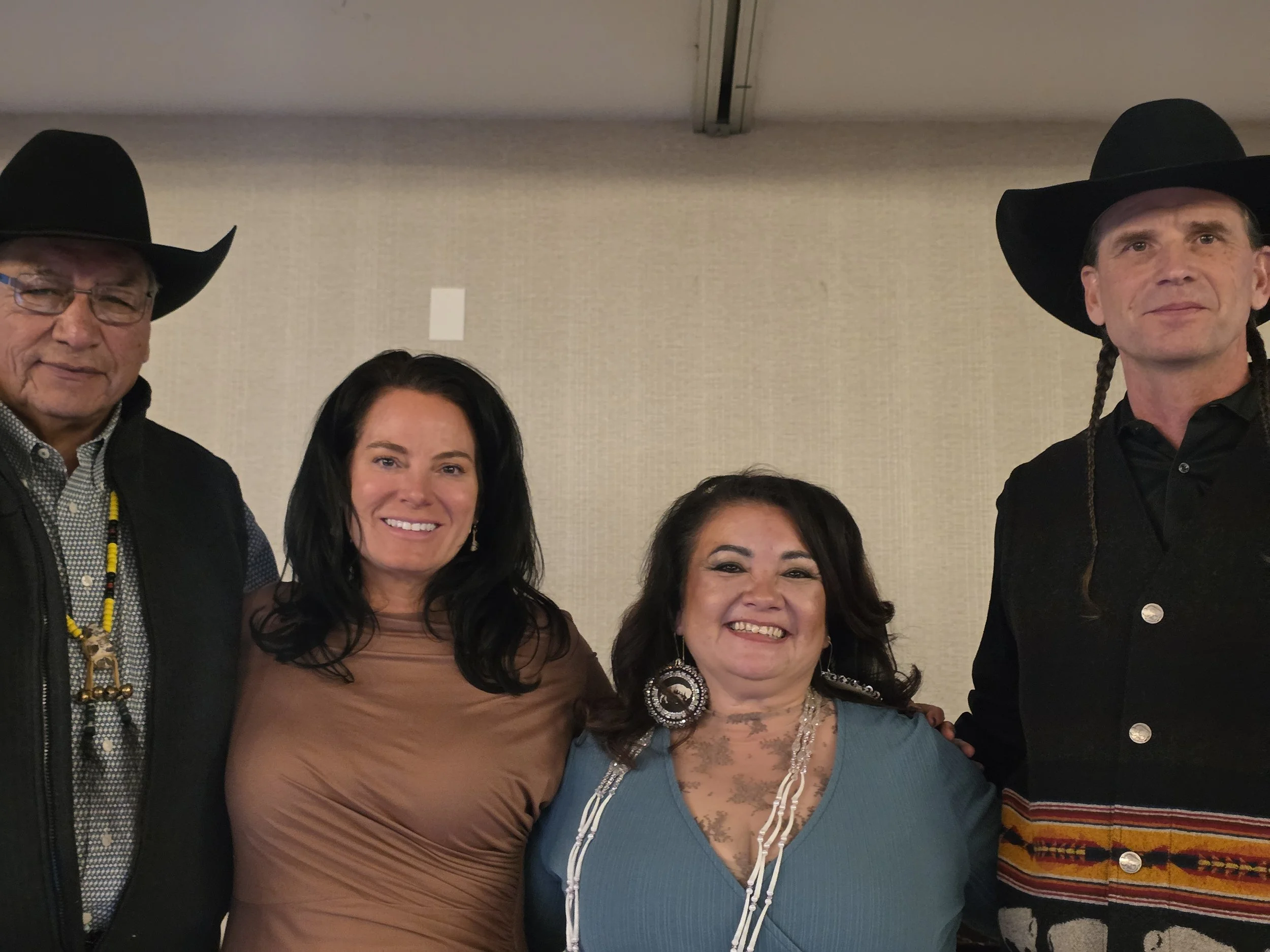
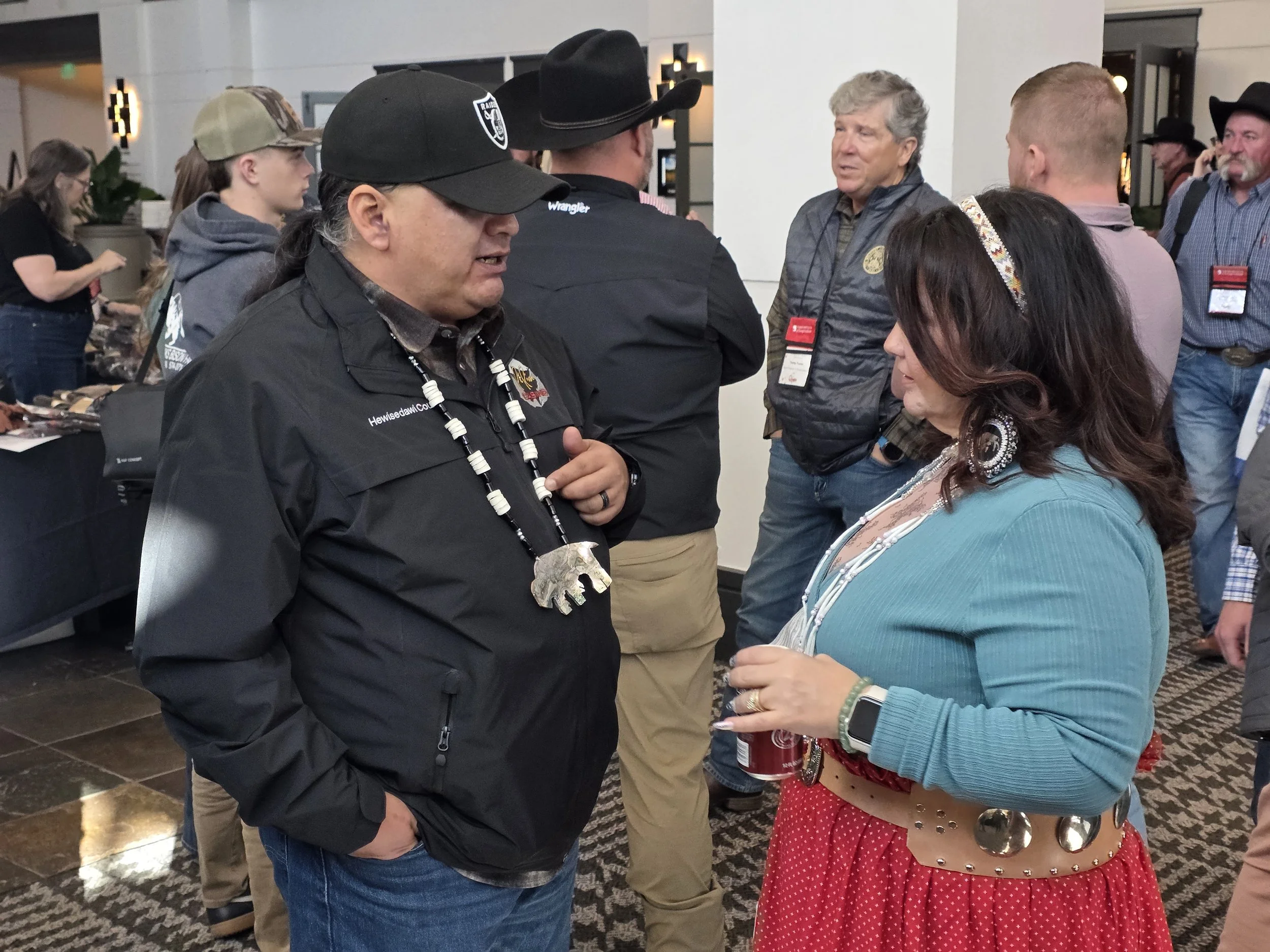
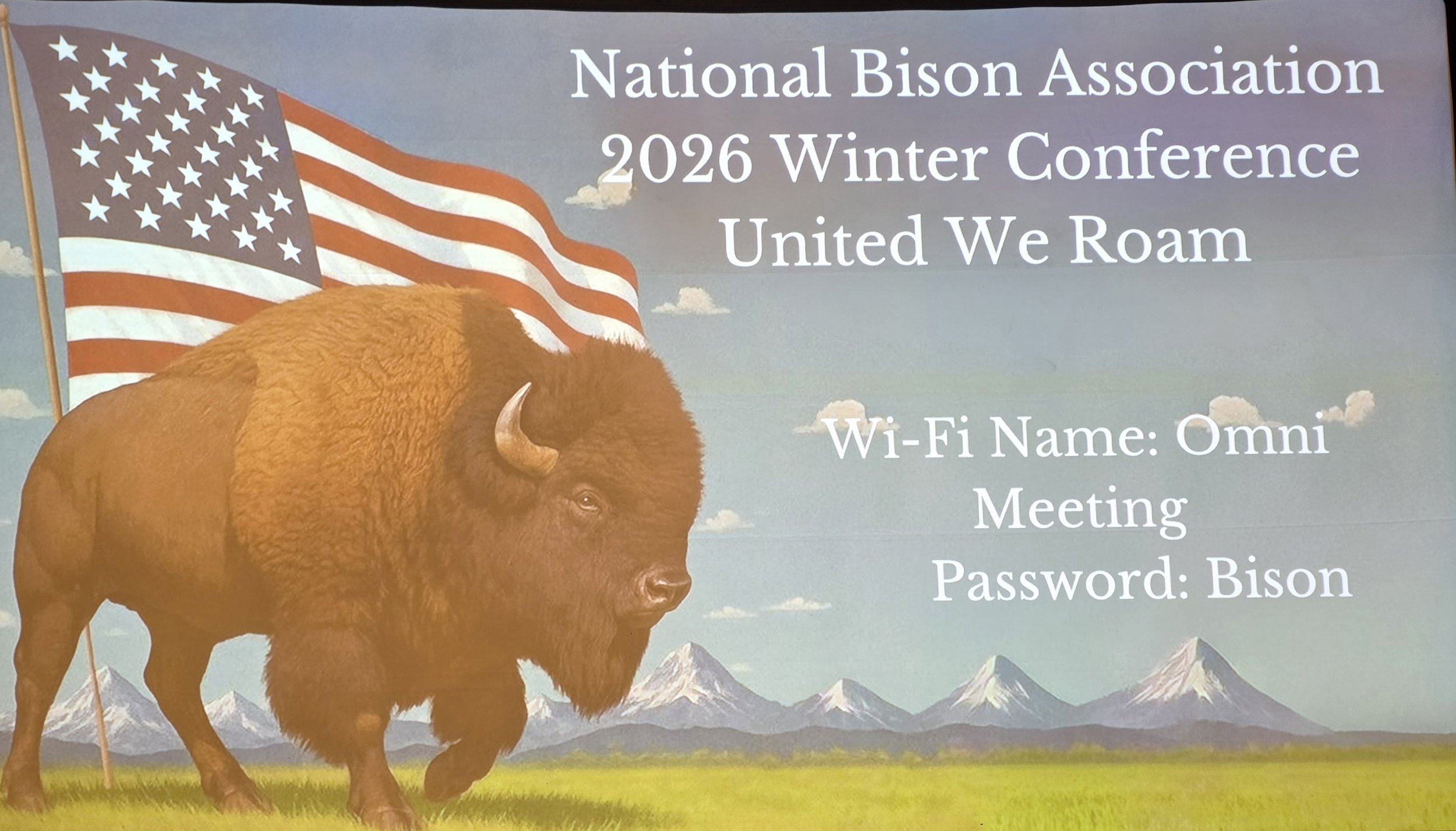
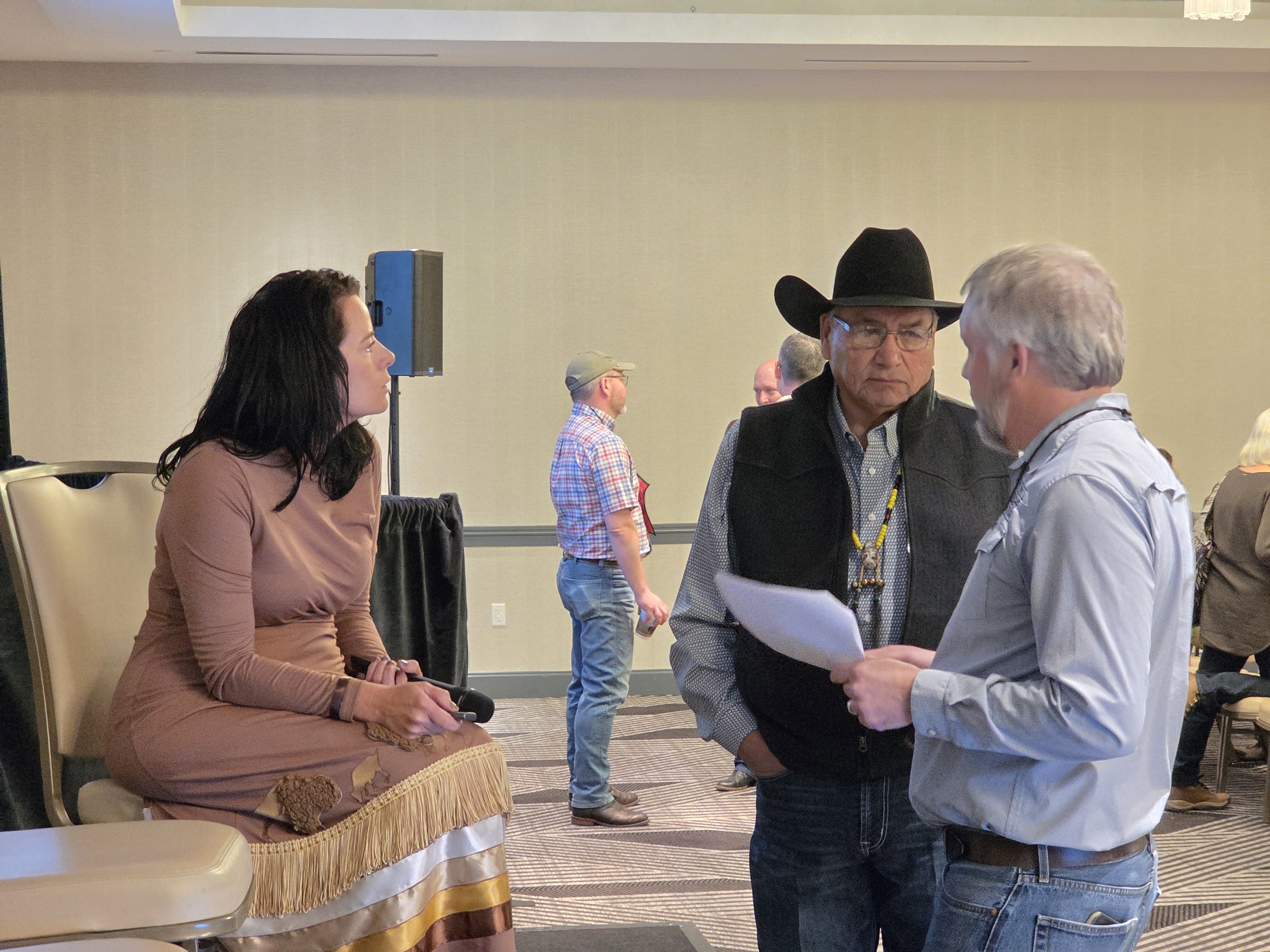
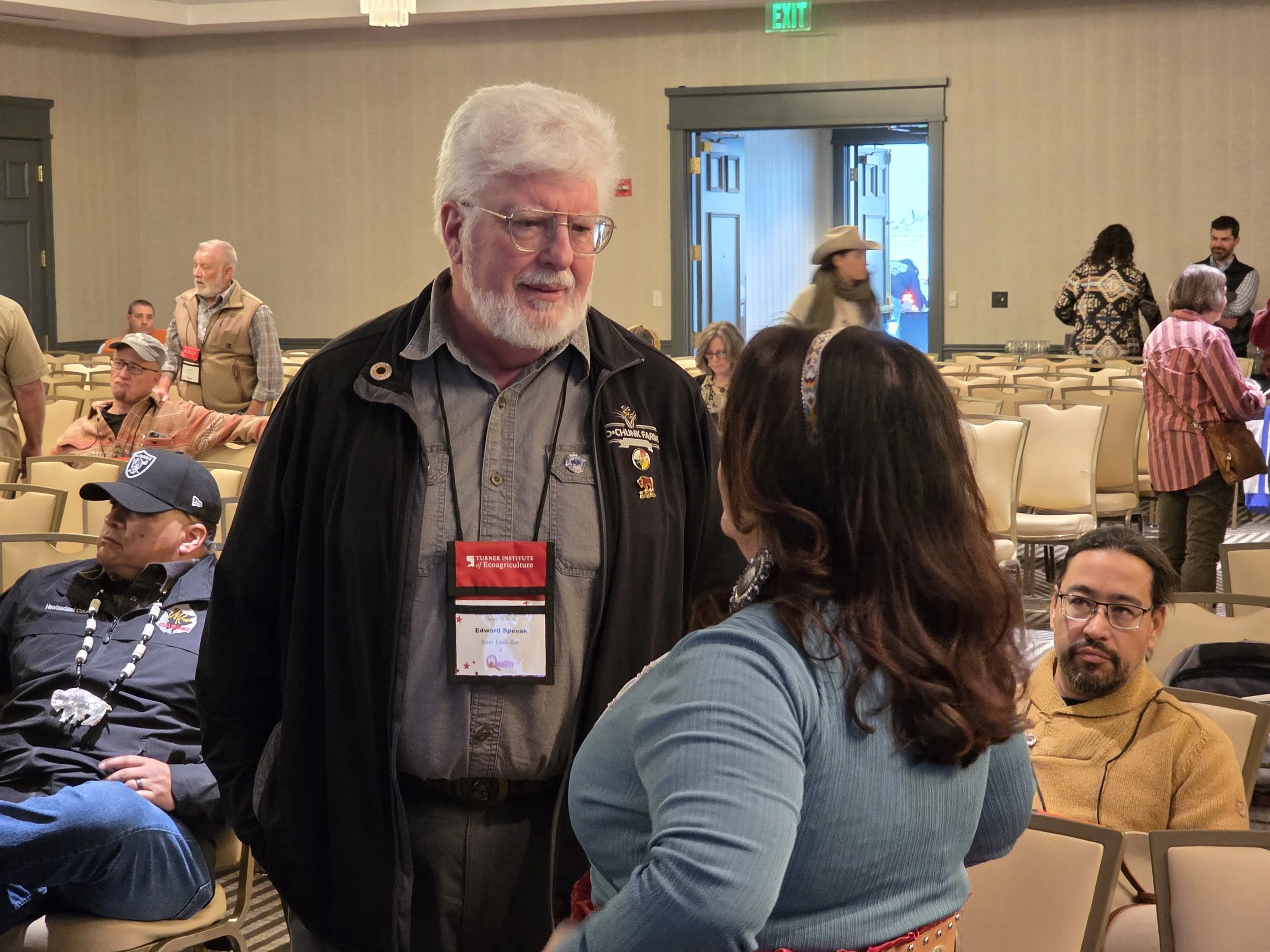
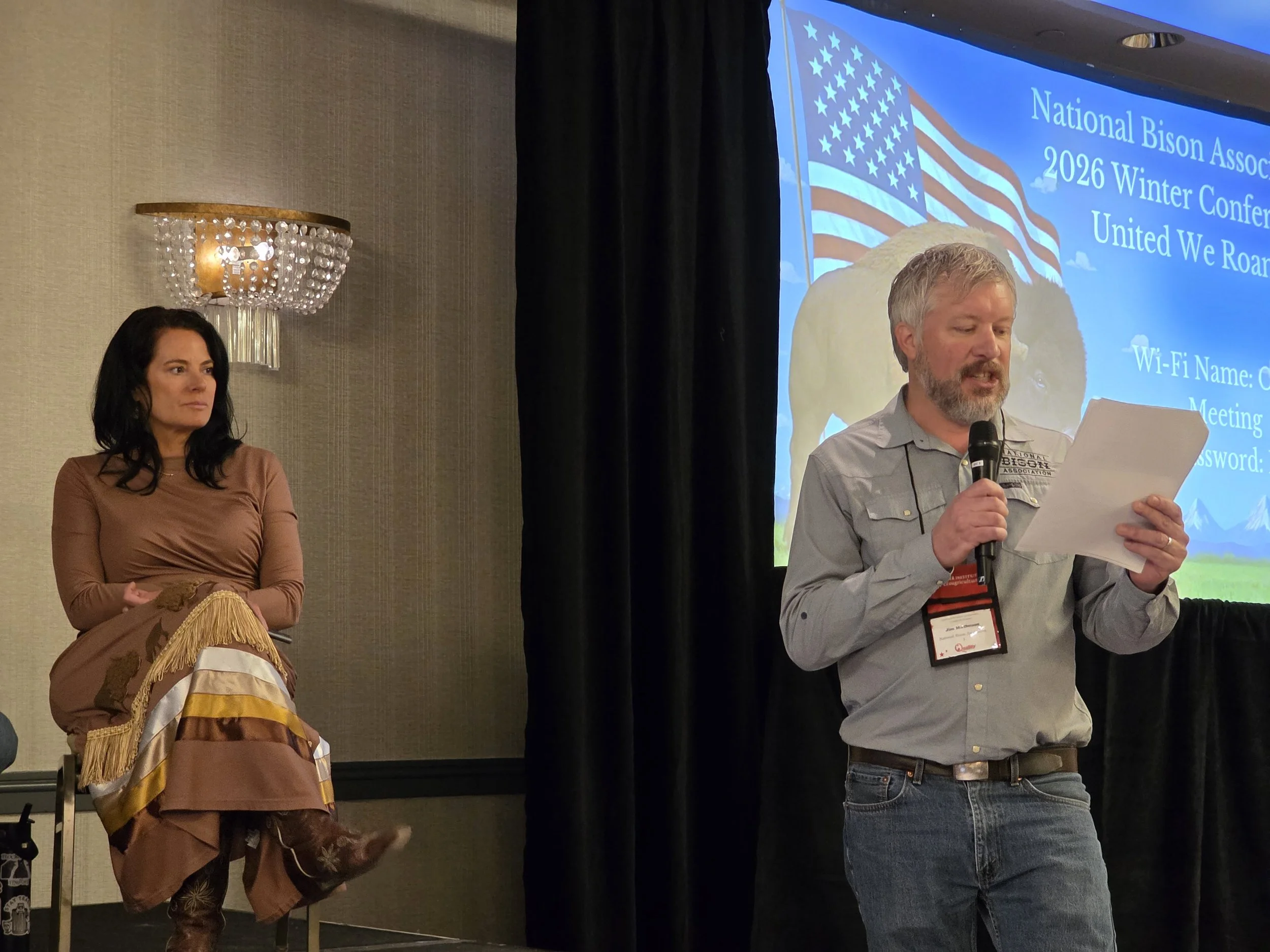
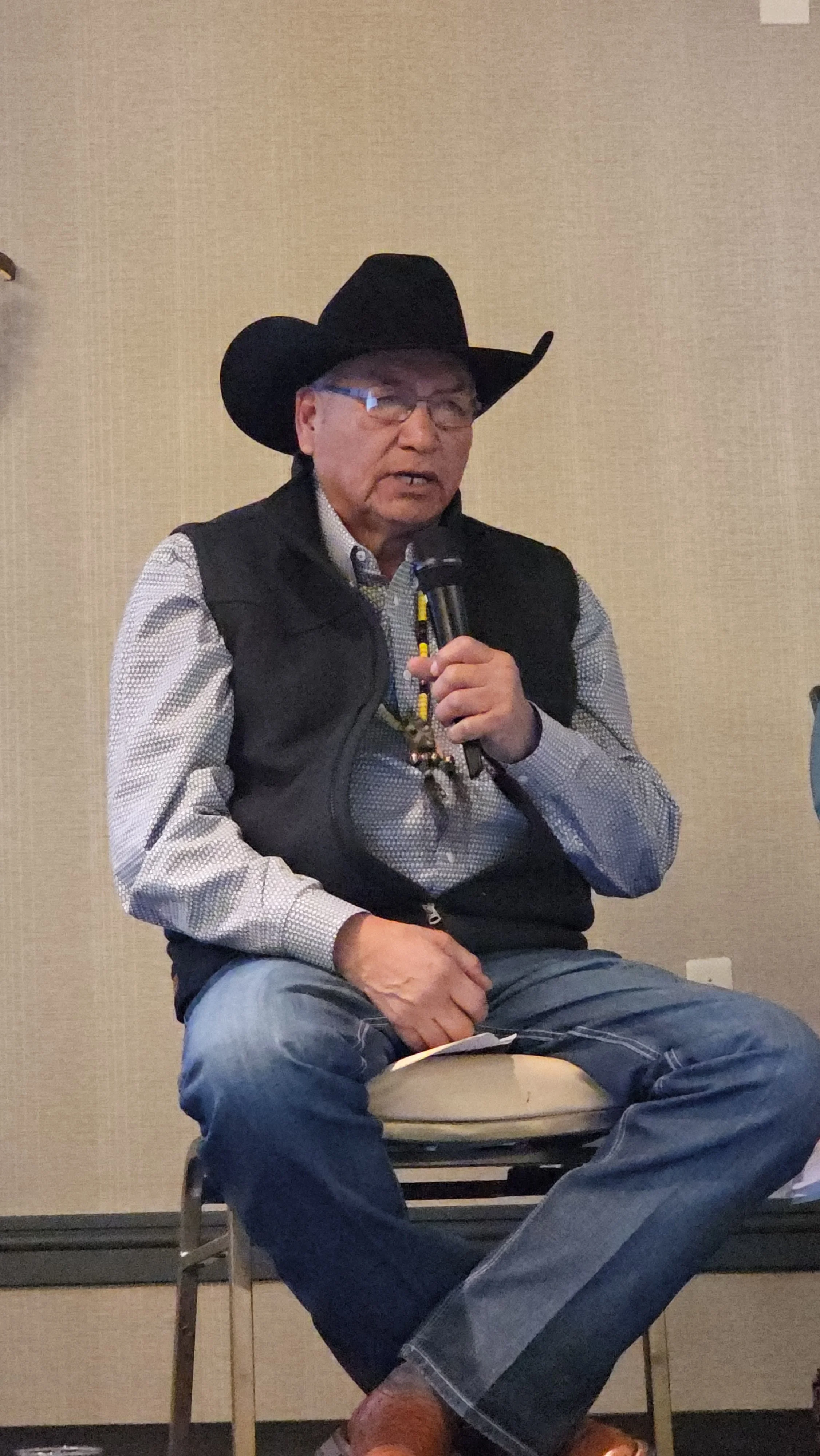
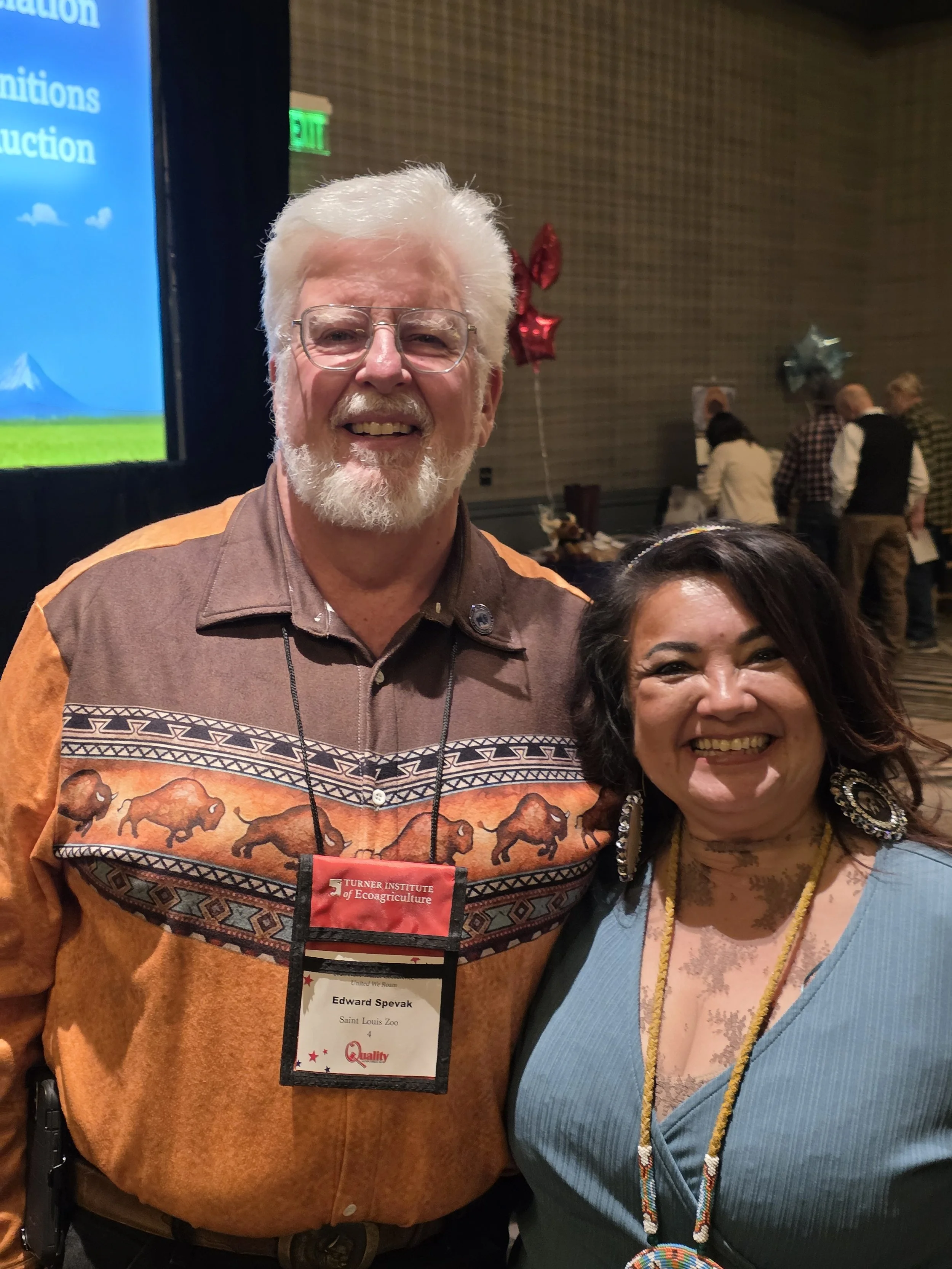
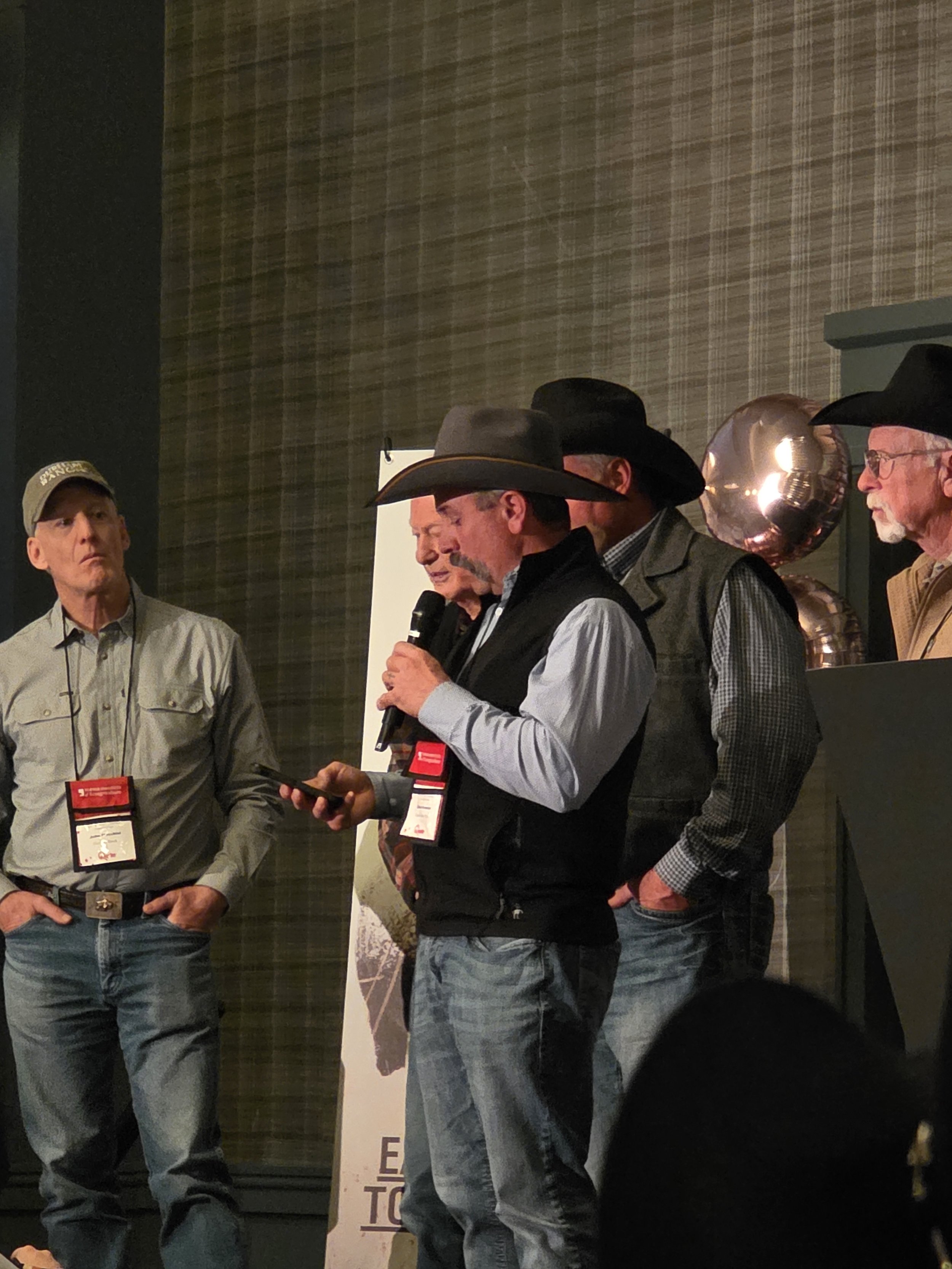
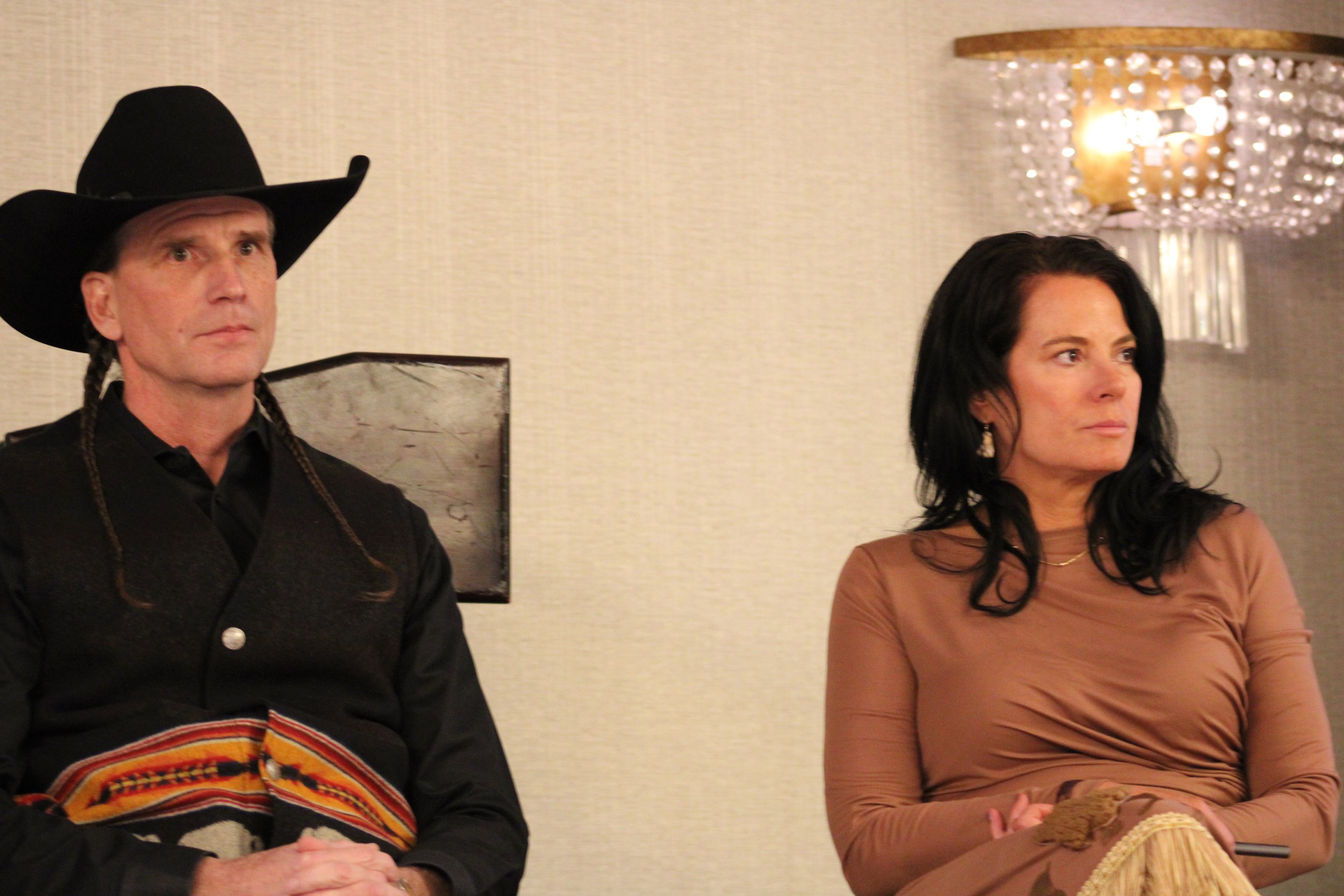
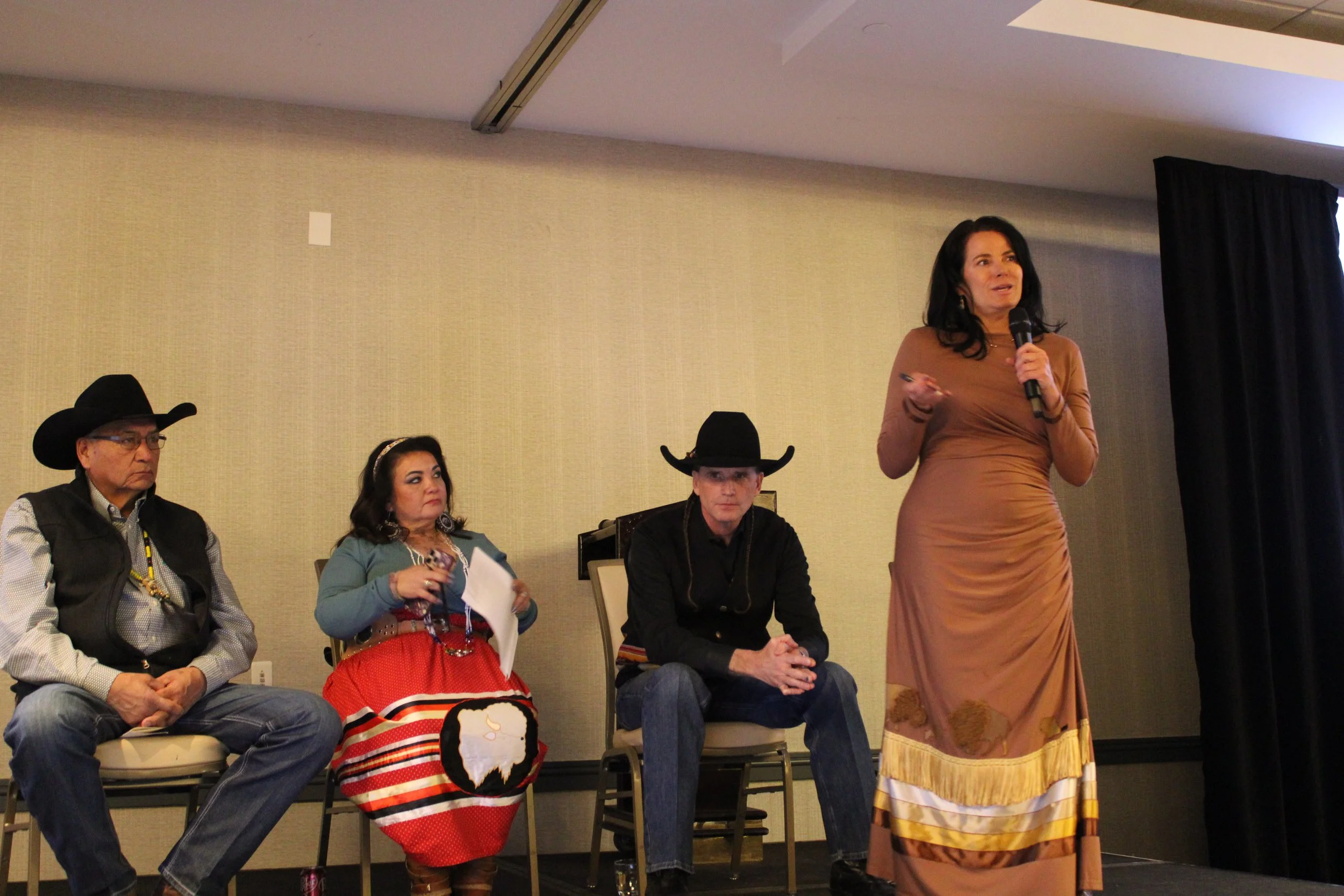
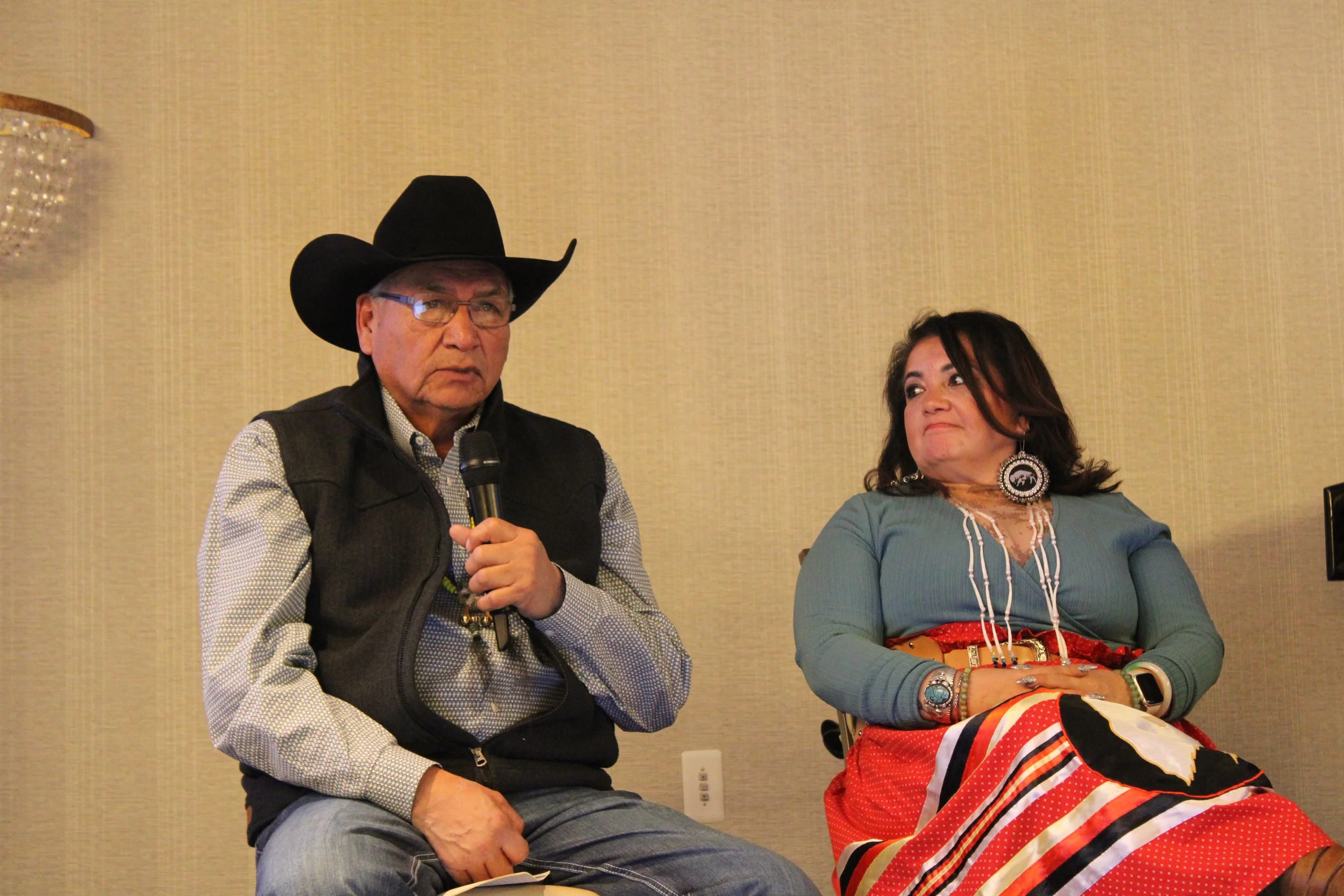
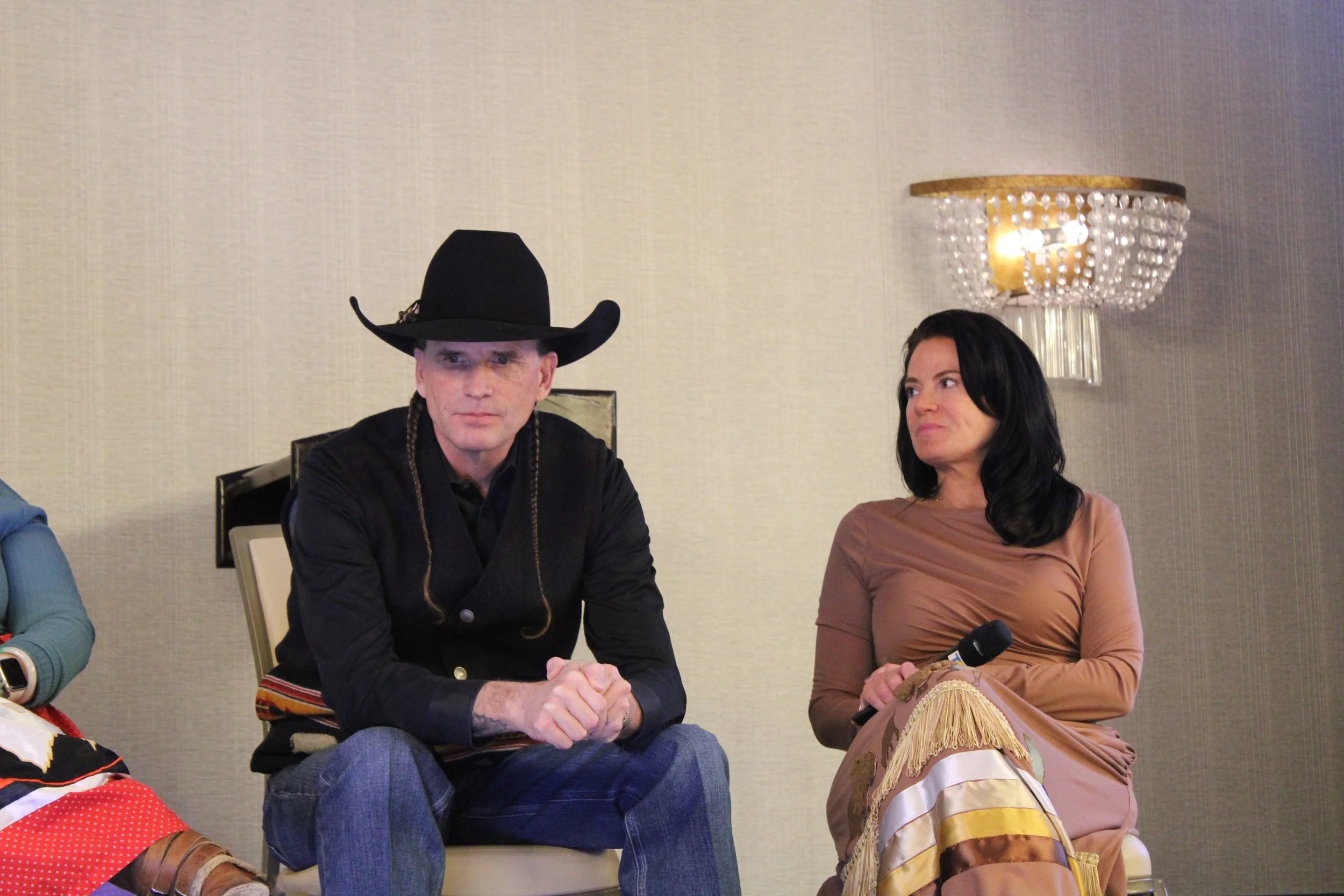
To make an impact, you have to be in the room. That is exactly what Tanka Fund’s leadership team did, alongside Native leaders from several organizations, at the National Bison Association Winter Conference held at the Omni Interlocken in Broomfield, Colorado.
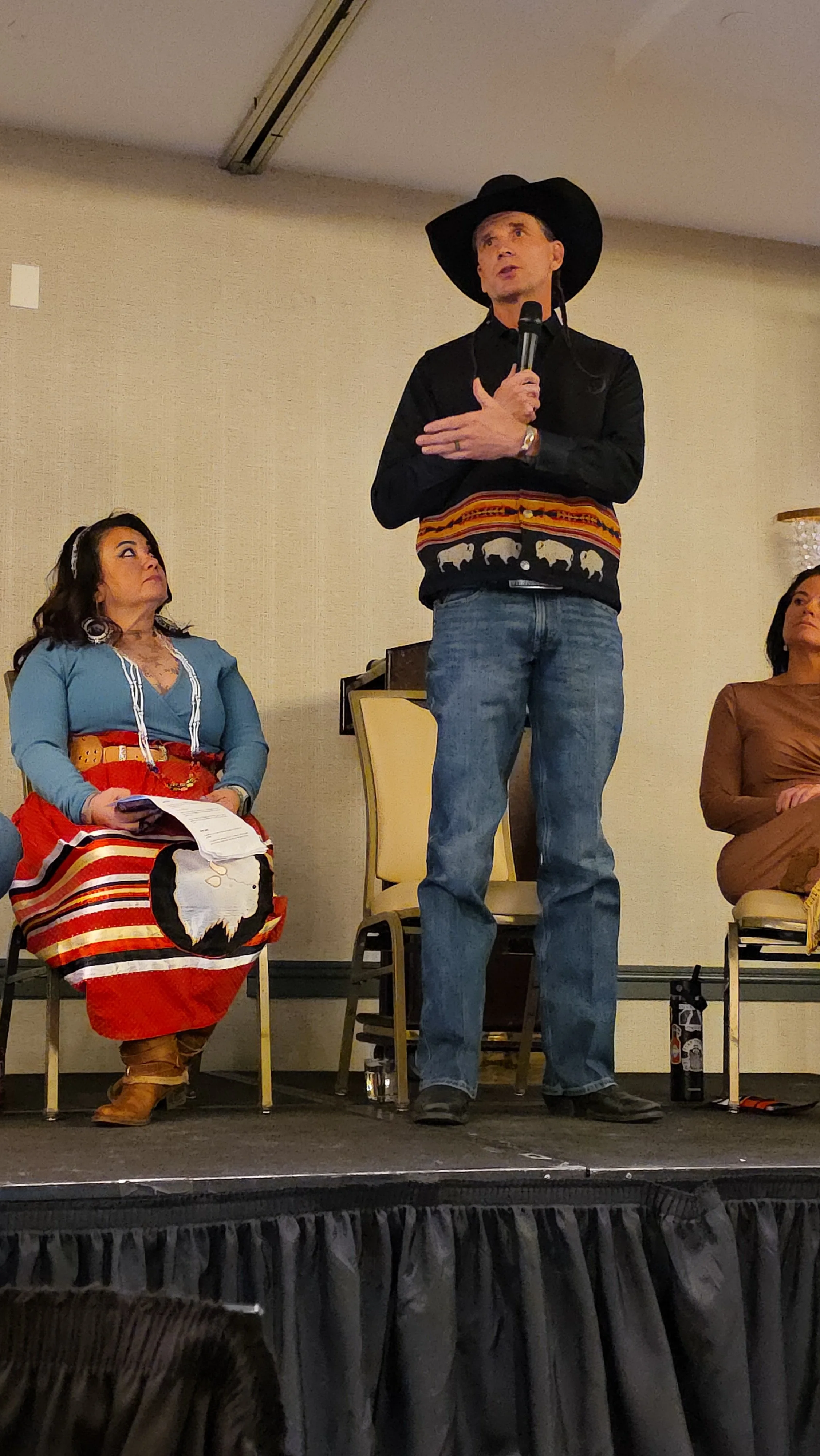
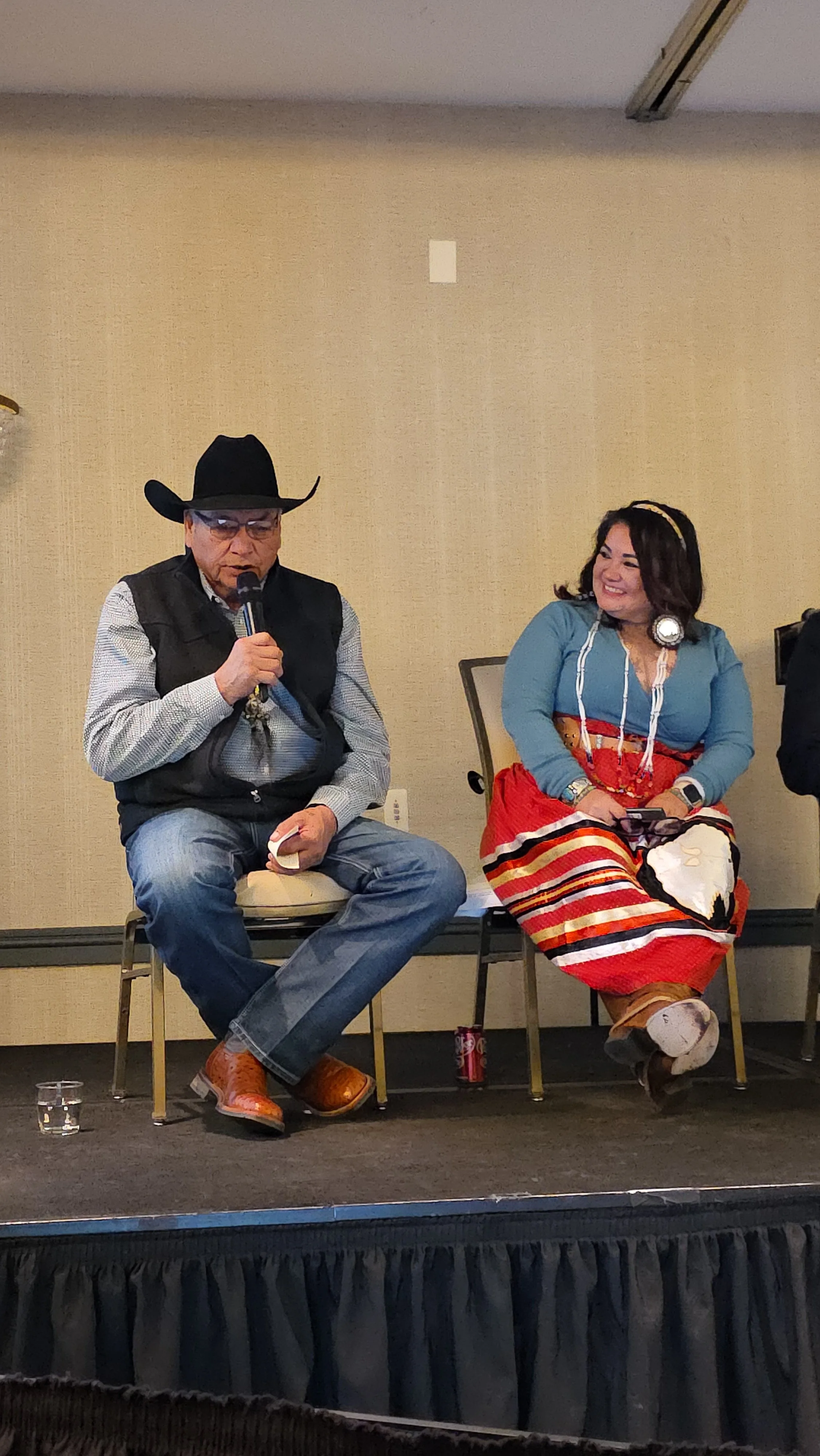
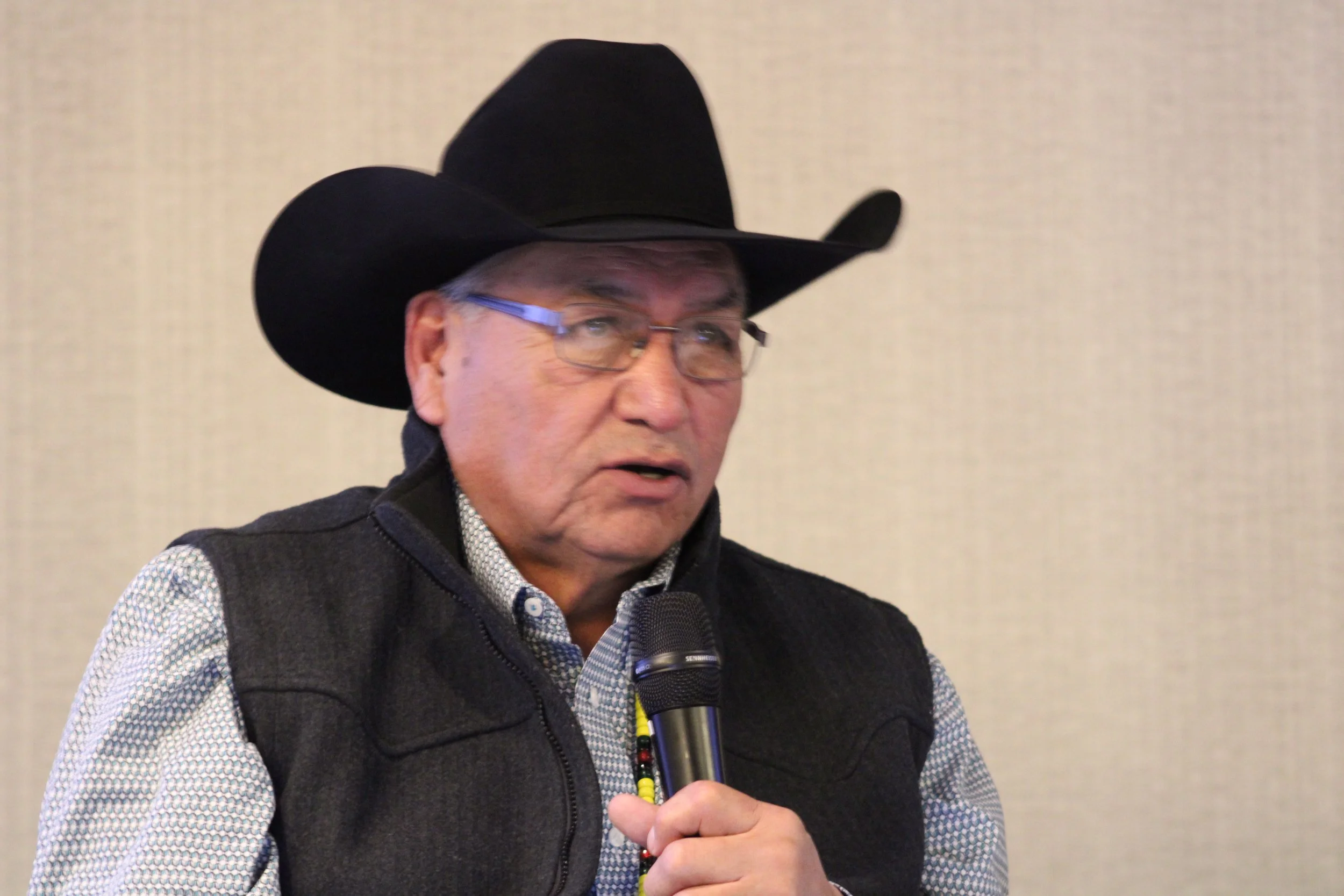
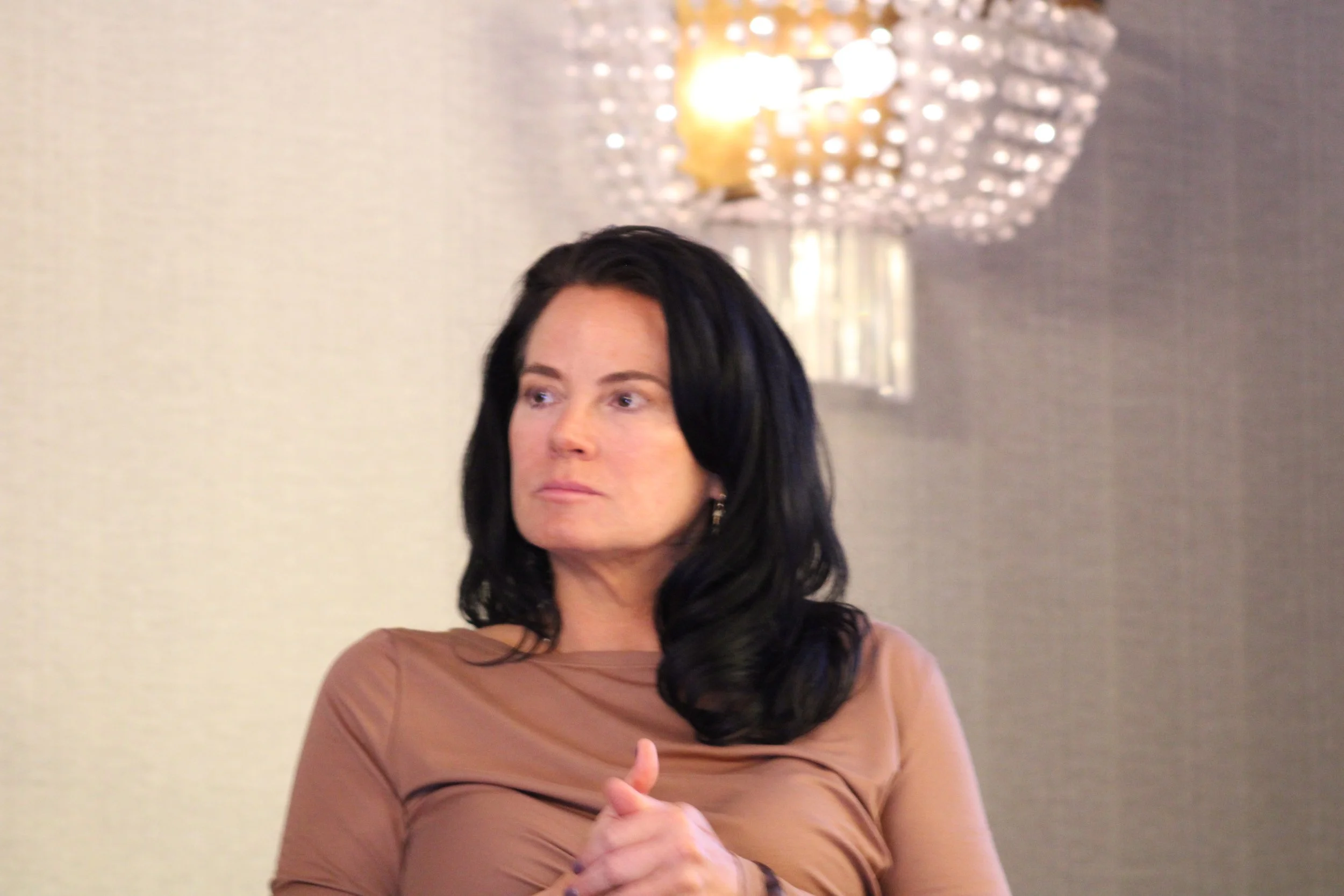
Tanka Fund Executive Director Dawn Sherman participated in a panel centered on returning Buffalo to the land, with a spotlight on Native ranchers and producers. During the discussion, Dawn shared Tanka Fund’s mission while naming the on-the-ground barriers Native producers regularly face, including costs, access to land, markets, and infrastructure. She also emphasized solutions rooted in Buffalo restoration that connect directly to youth, food access, and culture.
“It was entrepreneurs and that entrepreneurial thought, along with ranchers, that brought Buffalo back. It was not the government,” Dawn said. “It’s going to take that same mindset and all of us working together to continue to reach the Buffalo numbers we want.”
While ranchers across the country share challenges related to markets, costs, and infrastructure, Native producers often face additional land governance and regulatory processes that can significantly slow restoration. Herd expansion, water development, and infrastructure improvements on Tribal lands may require multiple approvals, conservation program considerations, and coordination across agencies and Tribal systems. These timelines can extend years beyond what most producers experience.
“There are shared experiences whether you are in Indian Country or not,” she said. “But there is an extra layer that Native ranchers have to go through.”
That complexity becomes especially apparent when restoration efforts are framed strictly in economic terms.
“How do you put a dollar value on your relatives?” Dawn asked, referring to Buffalo and the land itself.
Dawn stressed that restoration must be tied to nourishment, health, and community well-being.
“You have to eat them to restore them,” she said. “You do it in a respectful way that nourishes your body, your health, and creates healthy communities. Buffalo have always been the base of our nutrition.”
Through sponsoring cultural harvests, Tanka Fund is helping reconnect Native communities to Buffalo as food. Dawn shared that more than 120 students from the Pine Ridge Reservation and Rapid City participated in a recent harvest Tanka Fund co-hosted. For many of these students, it is the first time they had access to Buffalo as part of their diet.
“Culture is who we are,” she said.
Restoration is not just about herd numbers. It is about whether the next generation grows up with access to Buffalo, culture, and healthy food systems
“It’s not about us,” Dawn said. “It’s about these kids.”