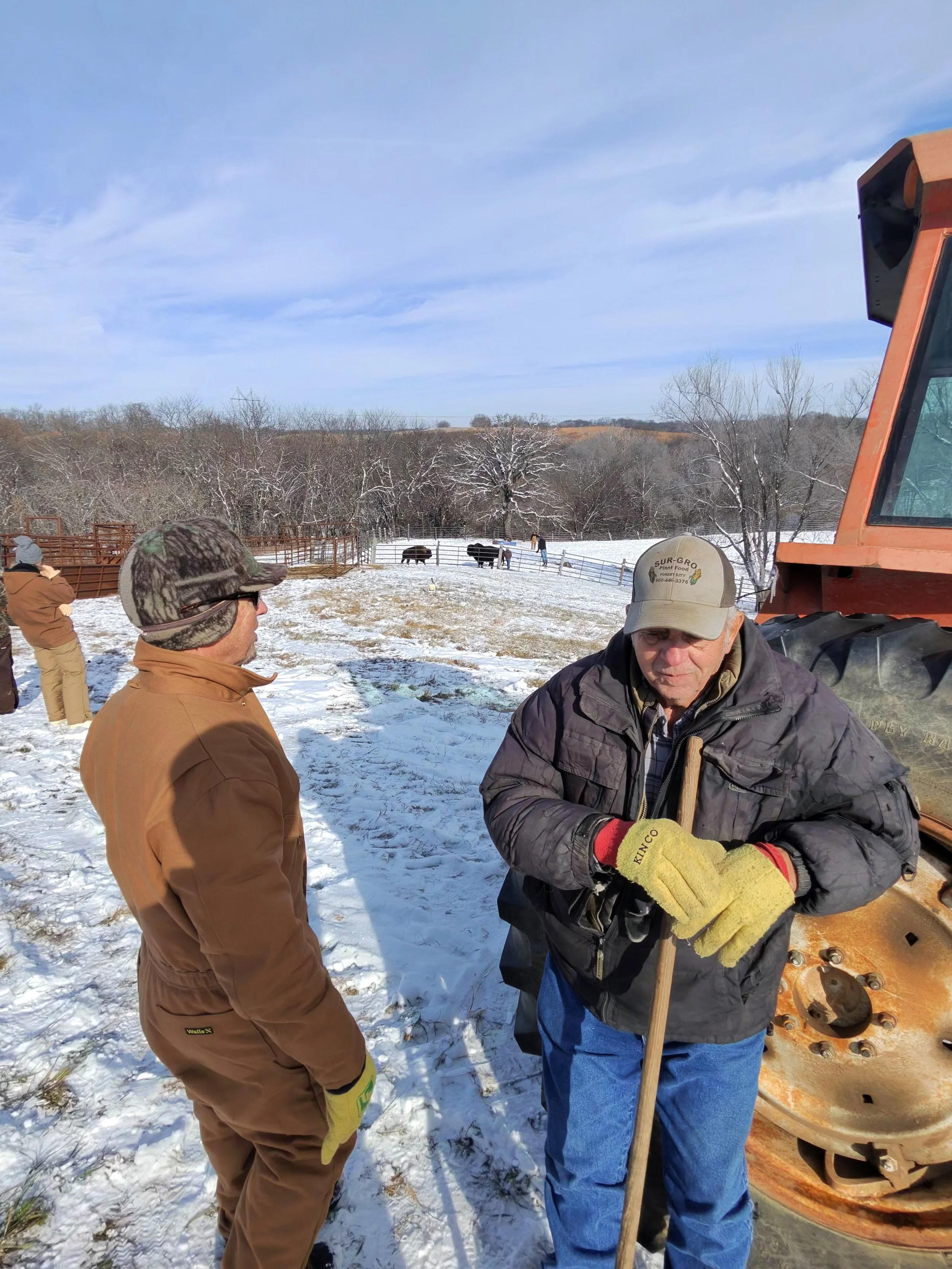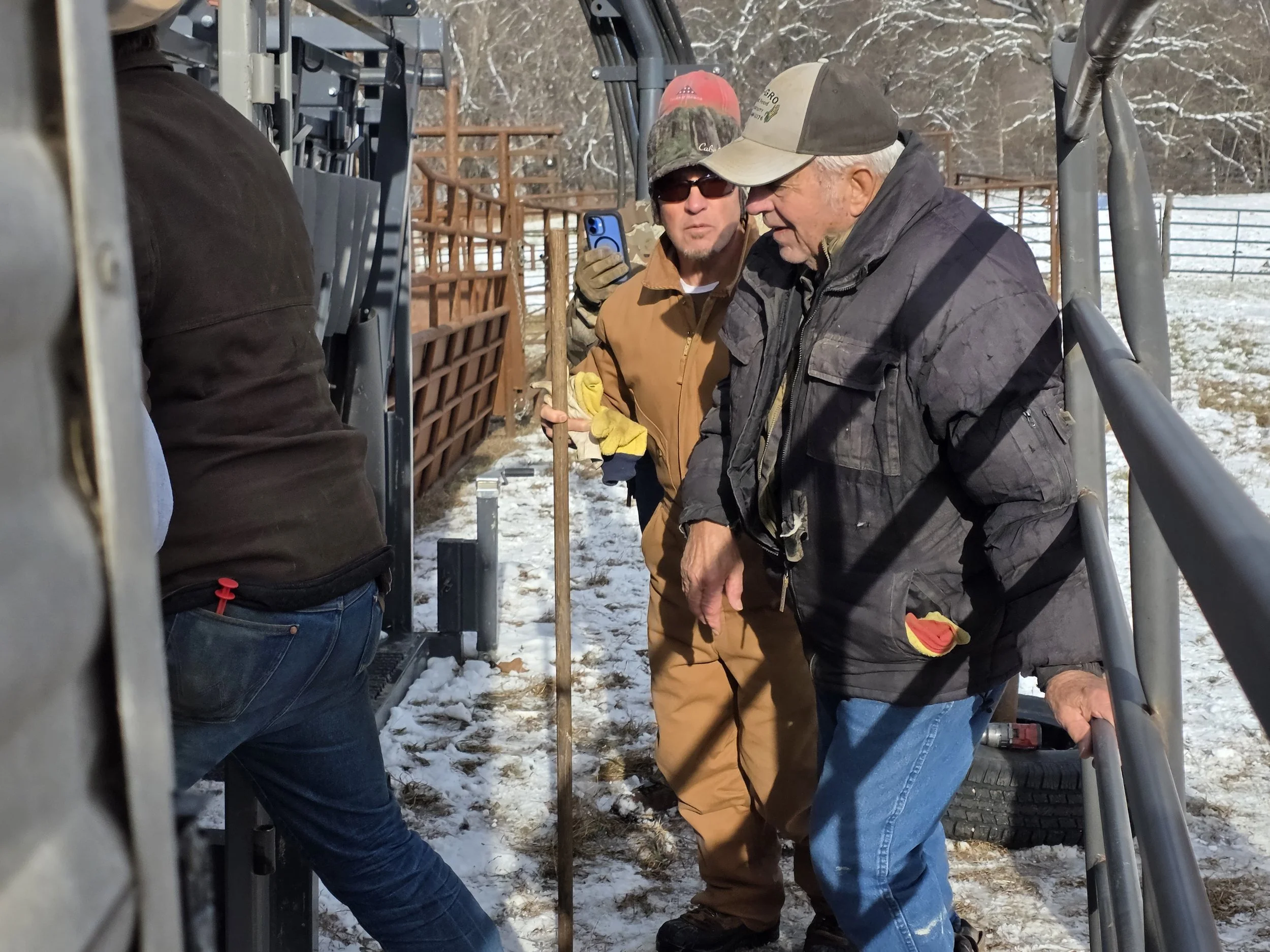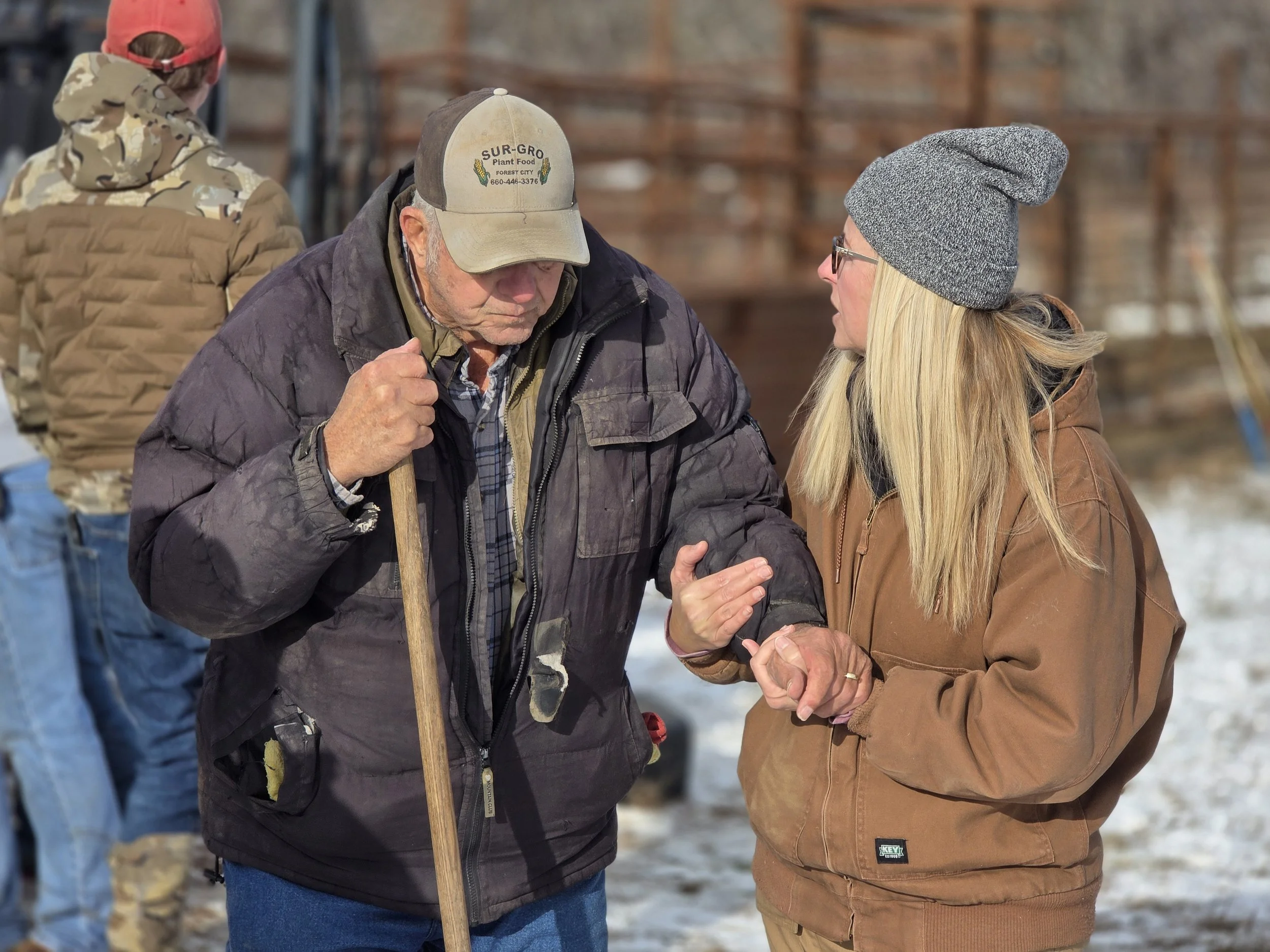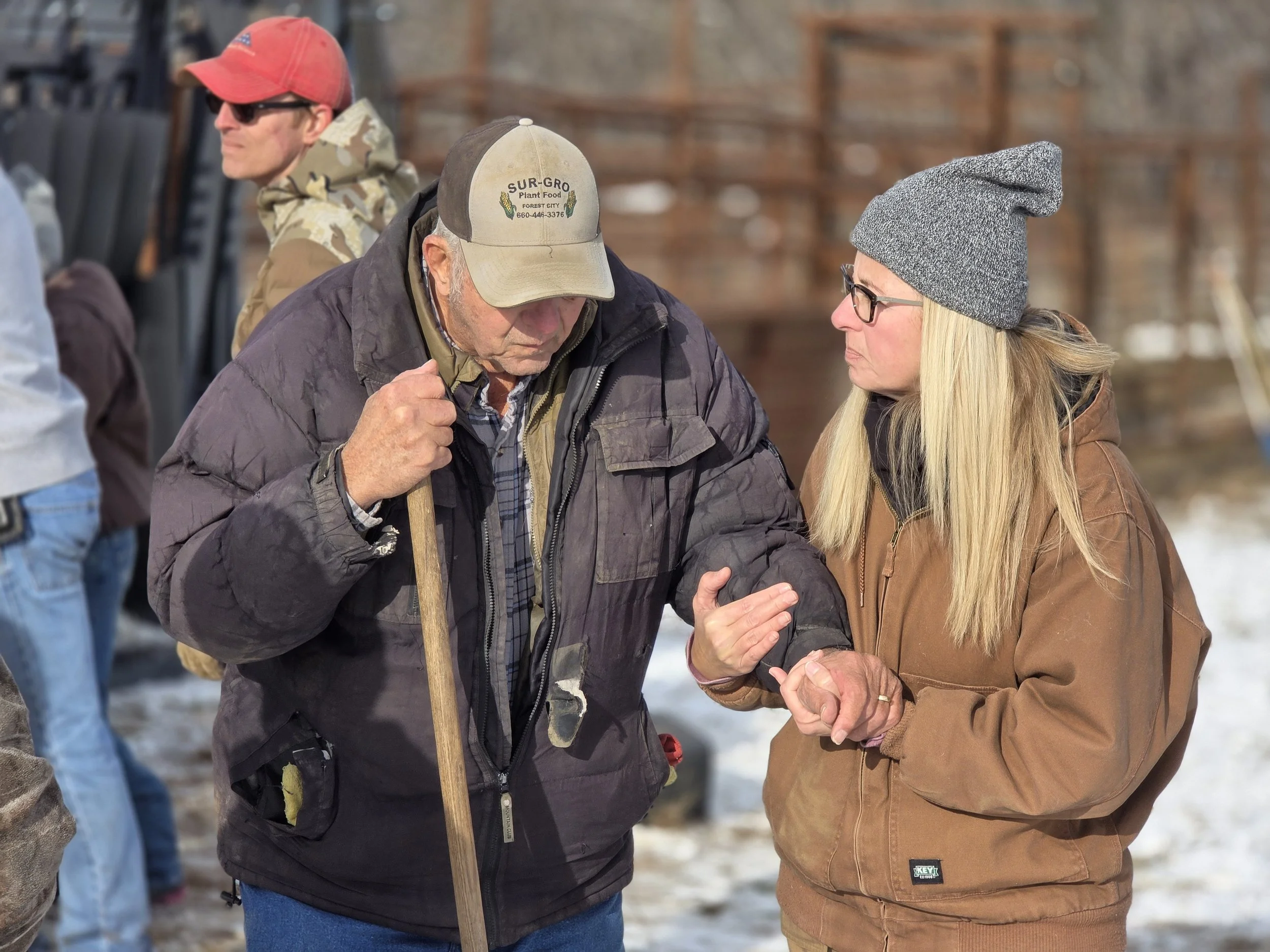
From one Buffalo caretaker to another
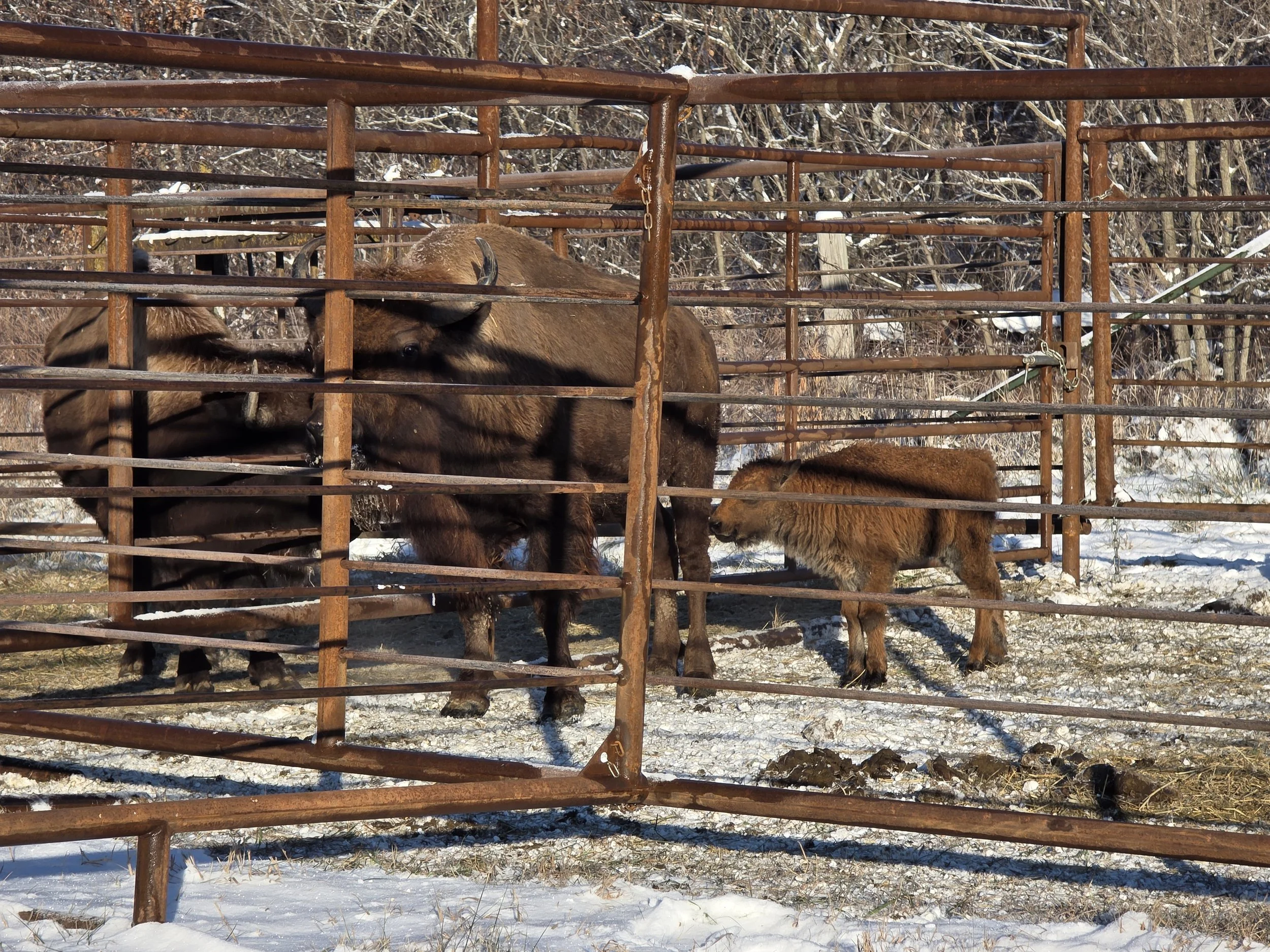
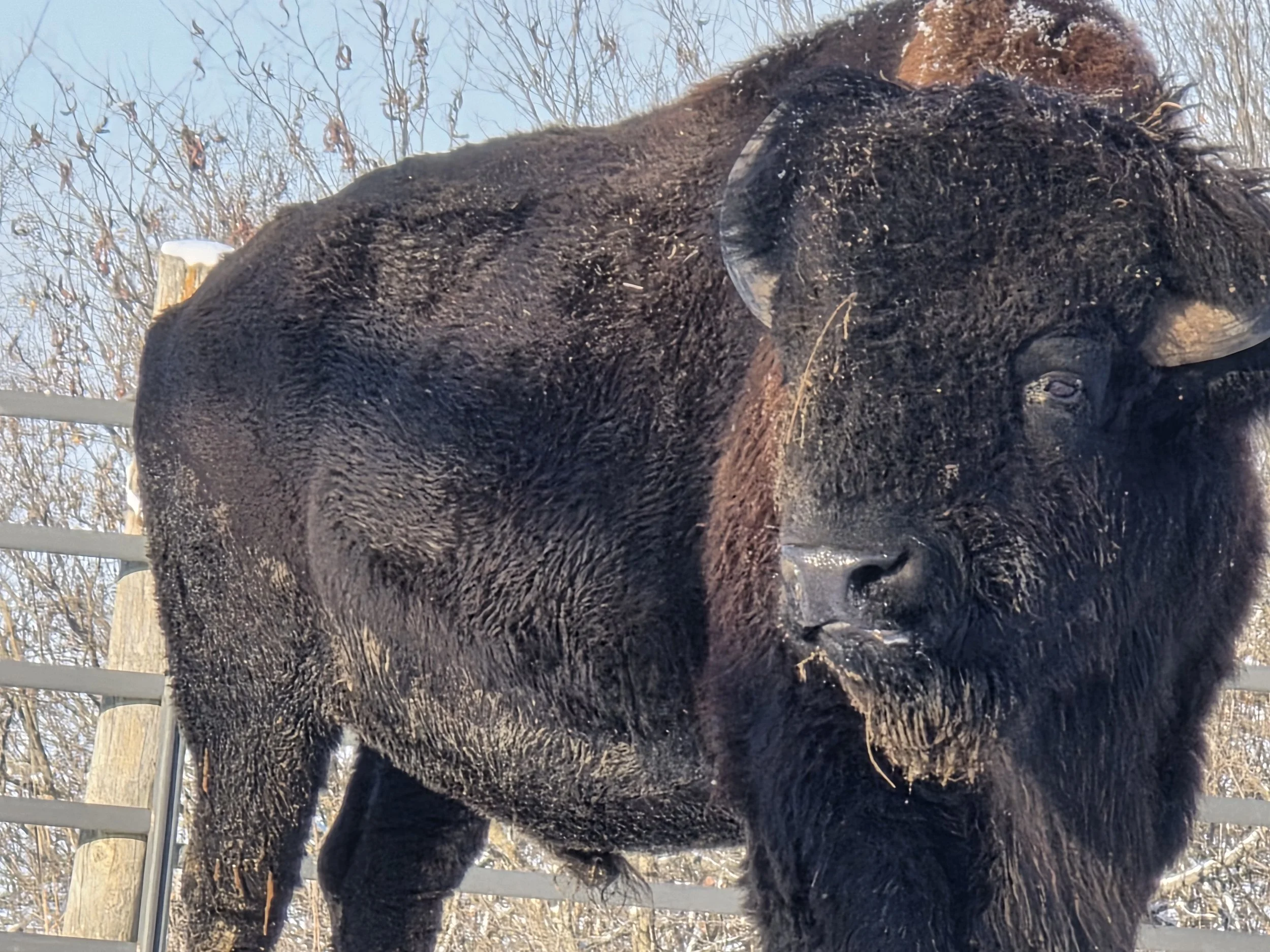
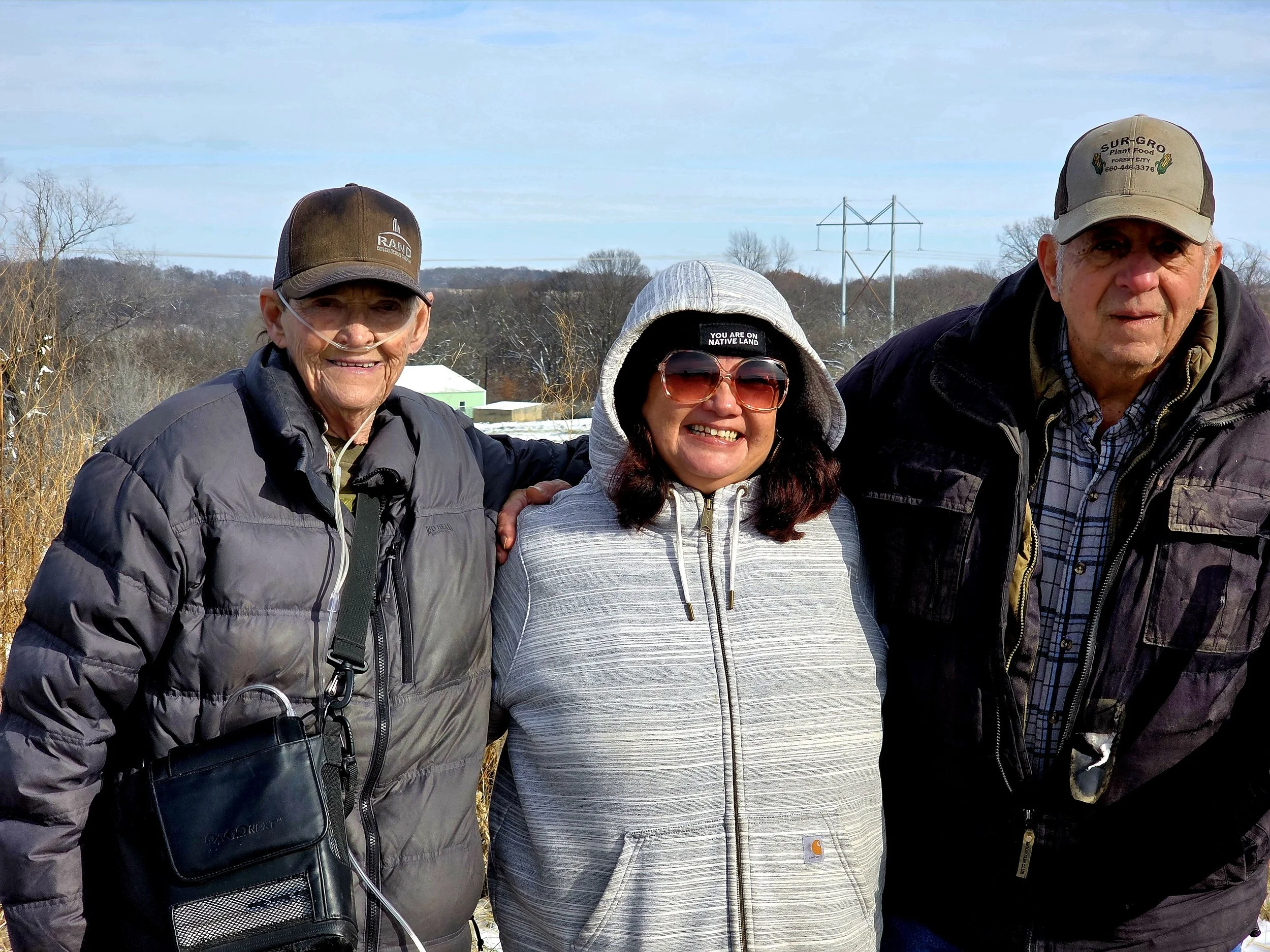
After 25 years of caring for his Buffalo, Clifford Eugene Steeby made the bittersweet decision to let them go with intention. No longer physically able to care for them he chose to ensure the herd he loved would move forward with care and purpose. Through a connection made by his daughter Susan and Tanka Fund, Clifford’s Buffalo are now part of a growing herd on the Pine Ridge Reservation, continuing a legacy rooted in respect, responsibility, and relationship.
5 Key Points
A lifetime of care: Clifford spent 25 years tending to his Buffalo, knowing them individually and caring for them deeply.
Letting go with intention: His decision was guided by declining health and made with acceptance, not failure.
A family-led connection: Clifford’s daughter initiated the transfer after discovering Tanka Fund’s work.
A shared mission realized: Virgil Two Eagle Sr. welcomed the 14 Buffalo to Two Eagle Buffalo Ranch on Pine Ridge, expanding a herd rooted in tradition and responsibility.
Why it matters: Through Tanka Fund, Buffalo are kept out of commodity markets and returned to Native ranchers — supporting food systems, cultural continuity, and local economies.
Read longer story below.
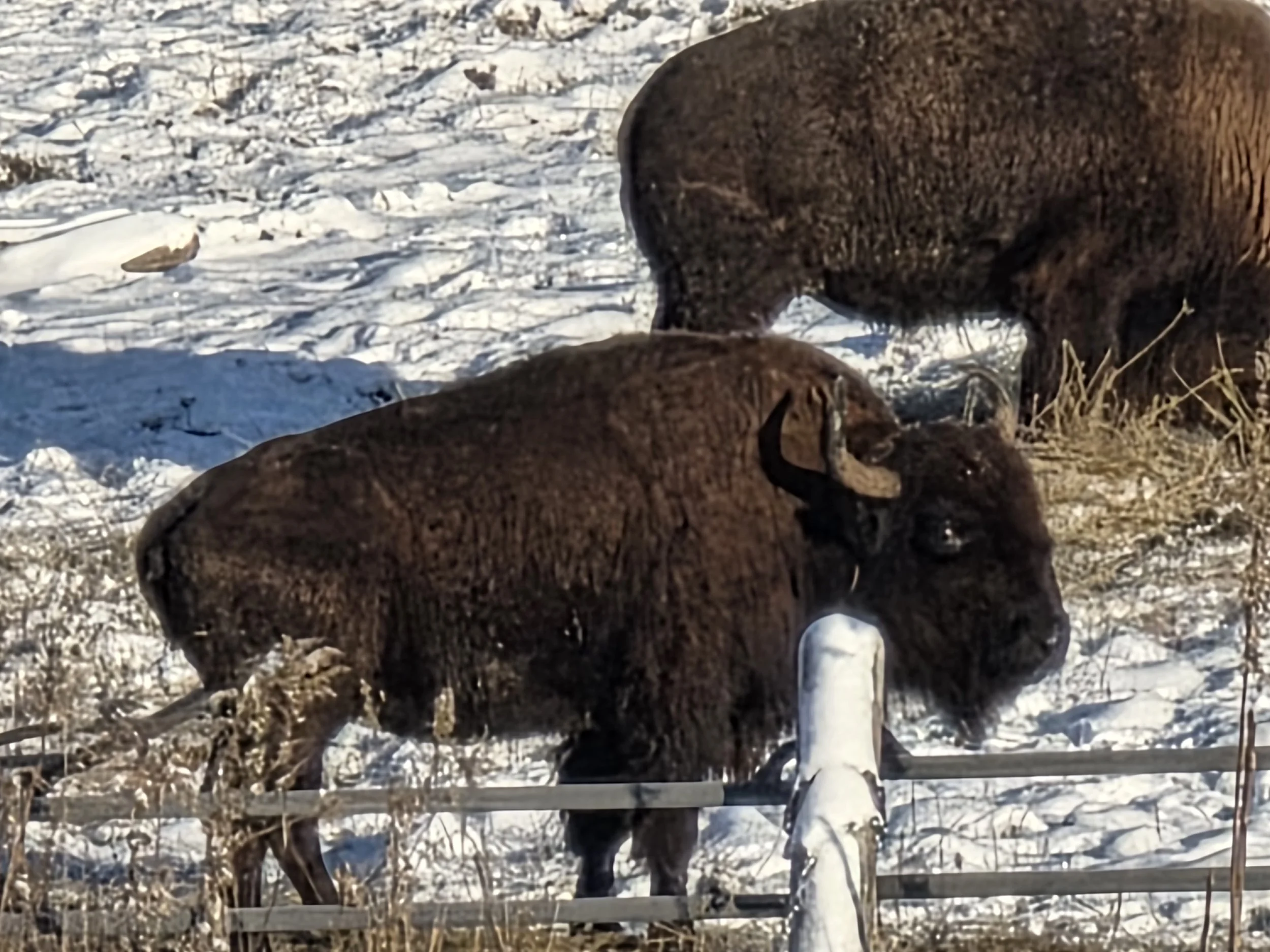
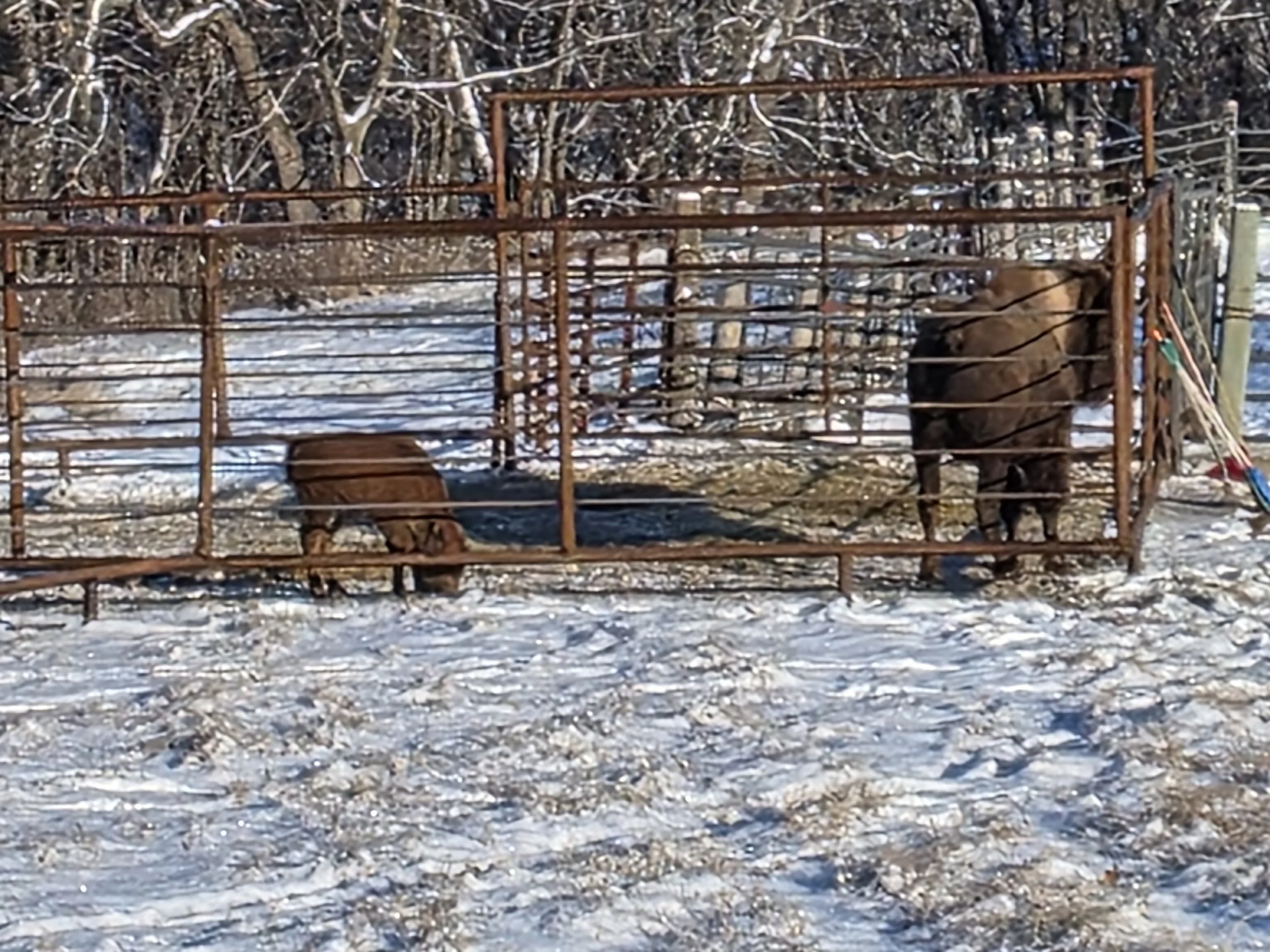
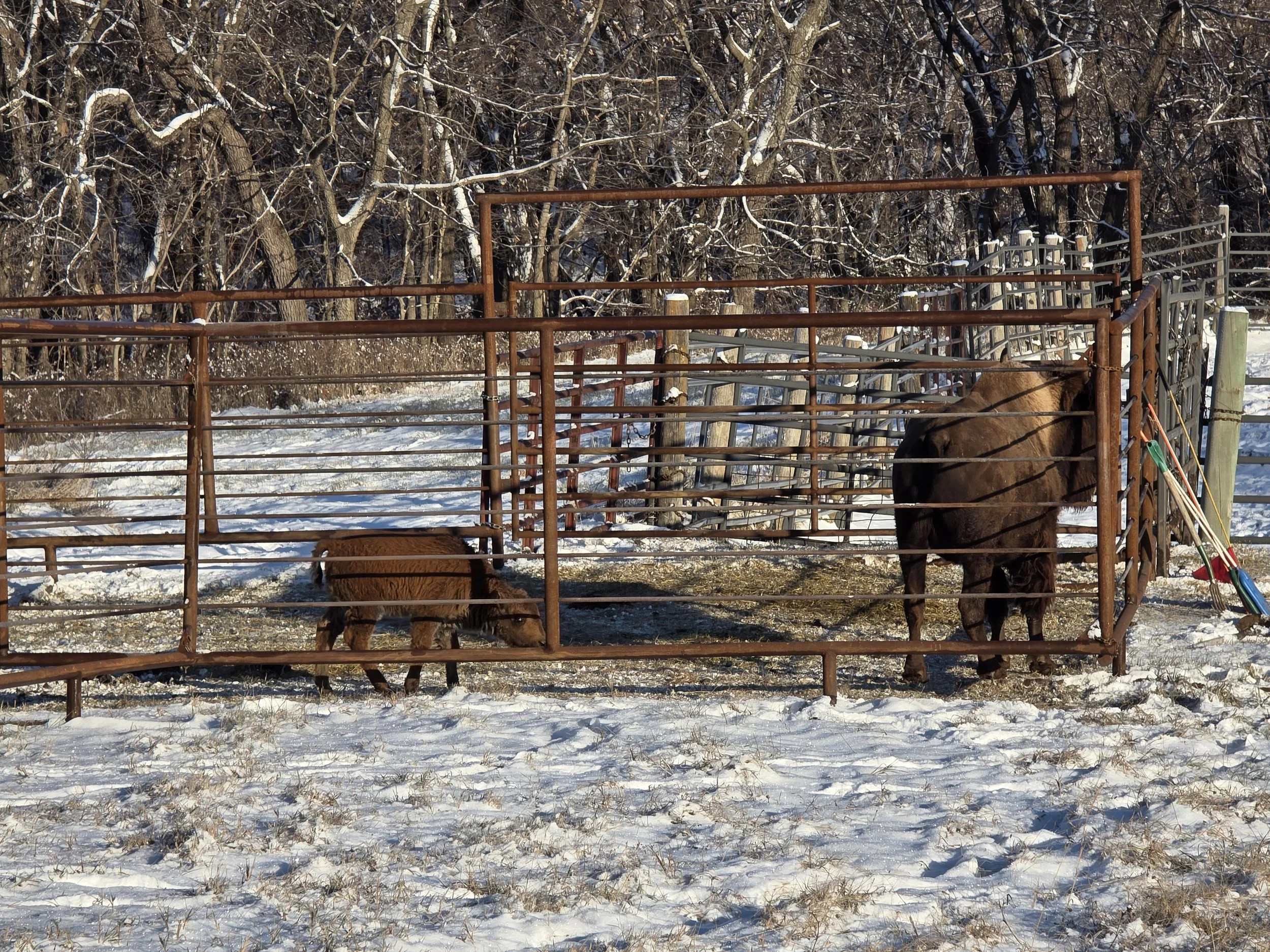
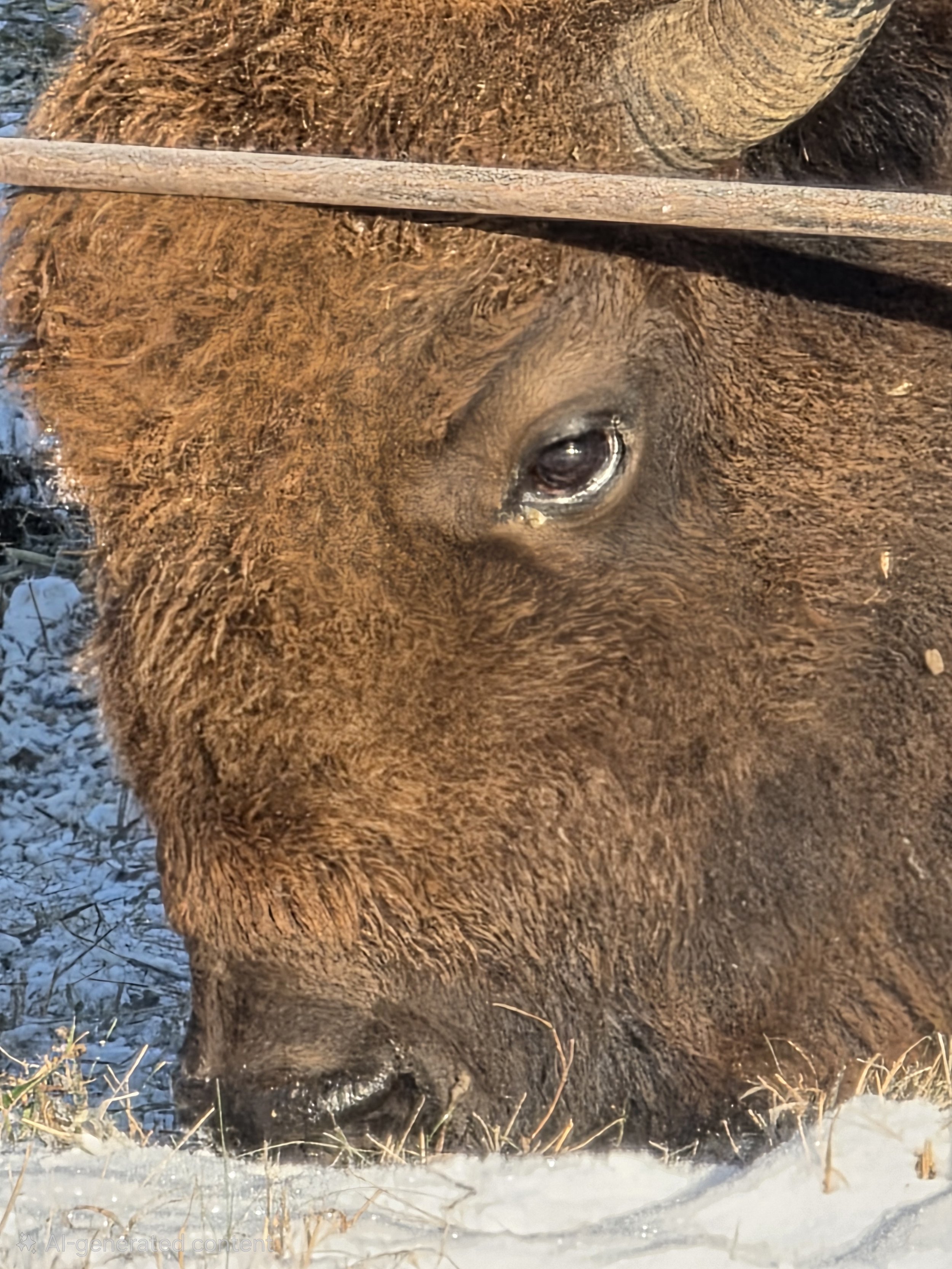
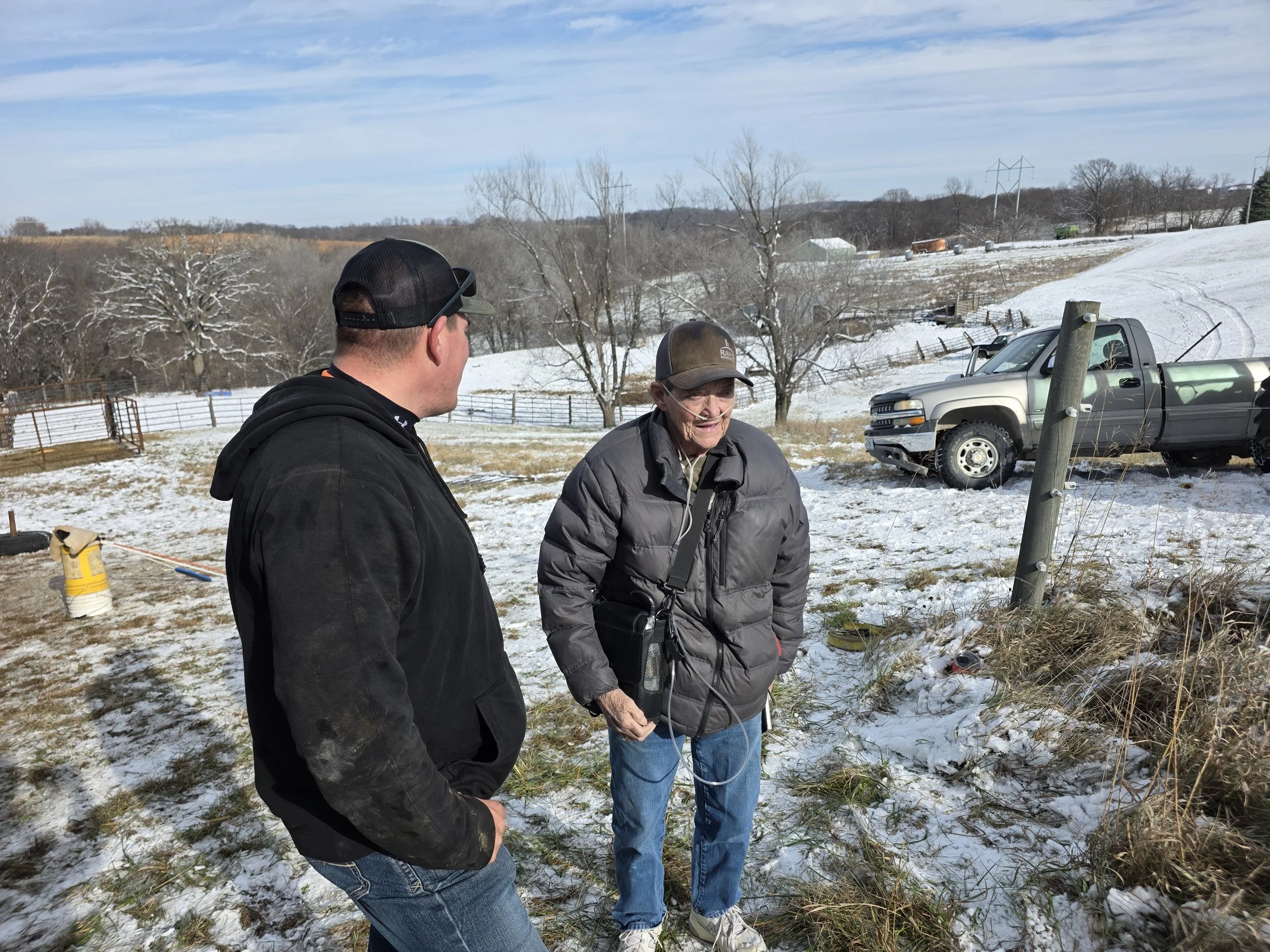
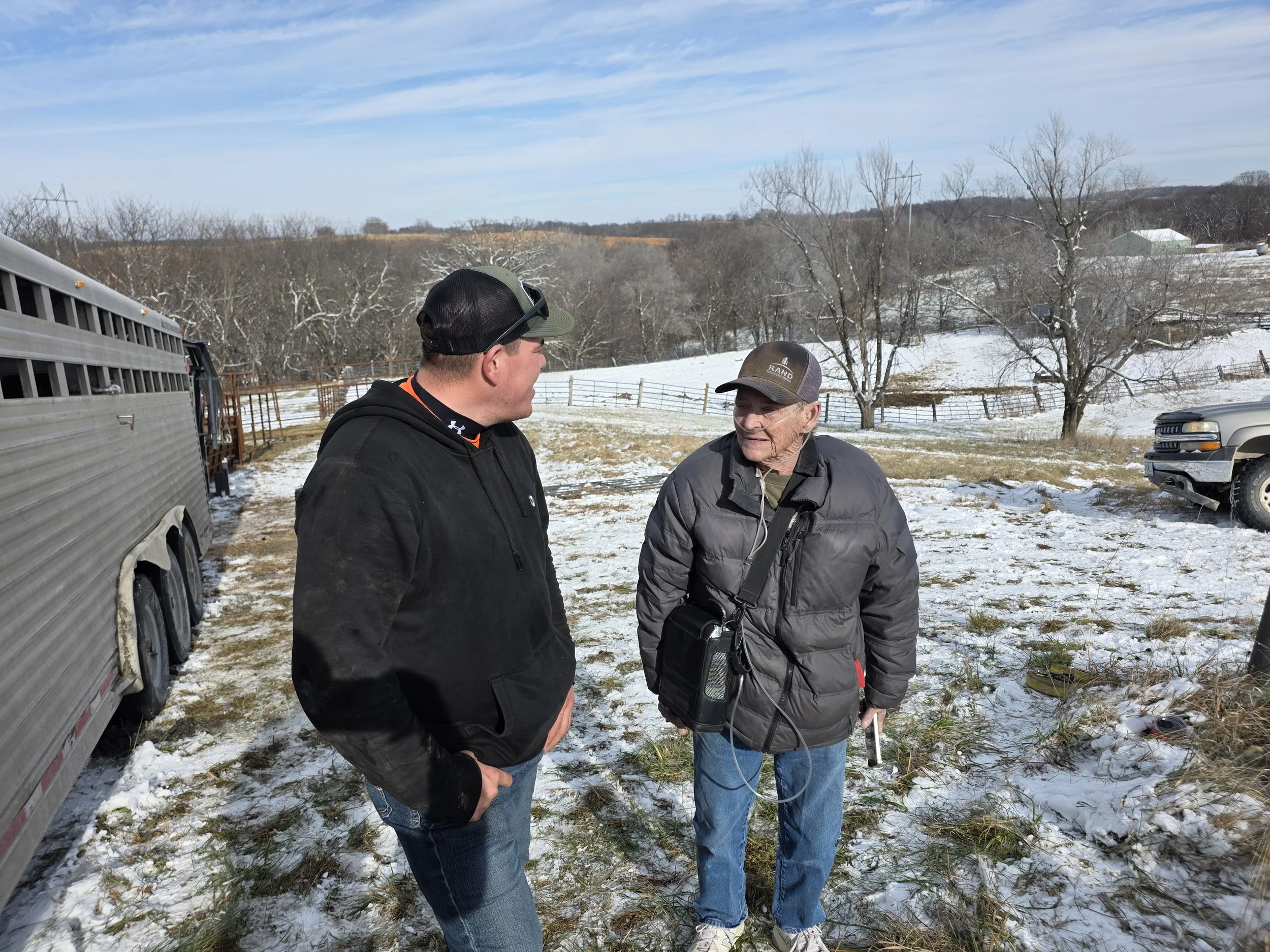
After 25 years of caretaking, Clifford Eugene Steeby made the bittersweet decision to let his Buffalo go.
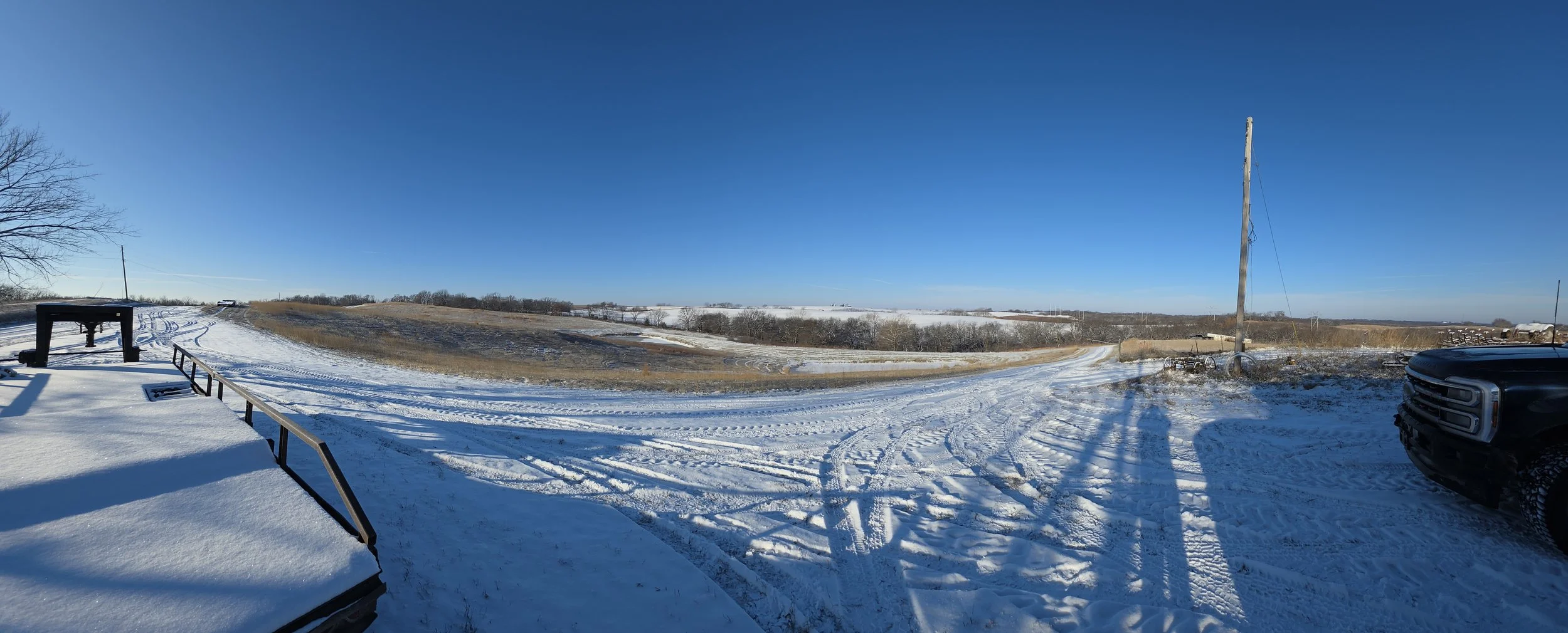
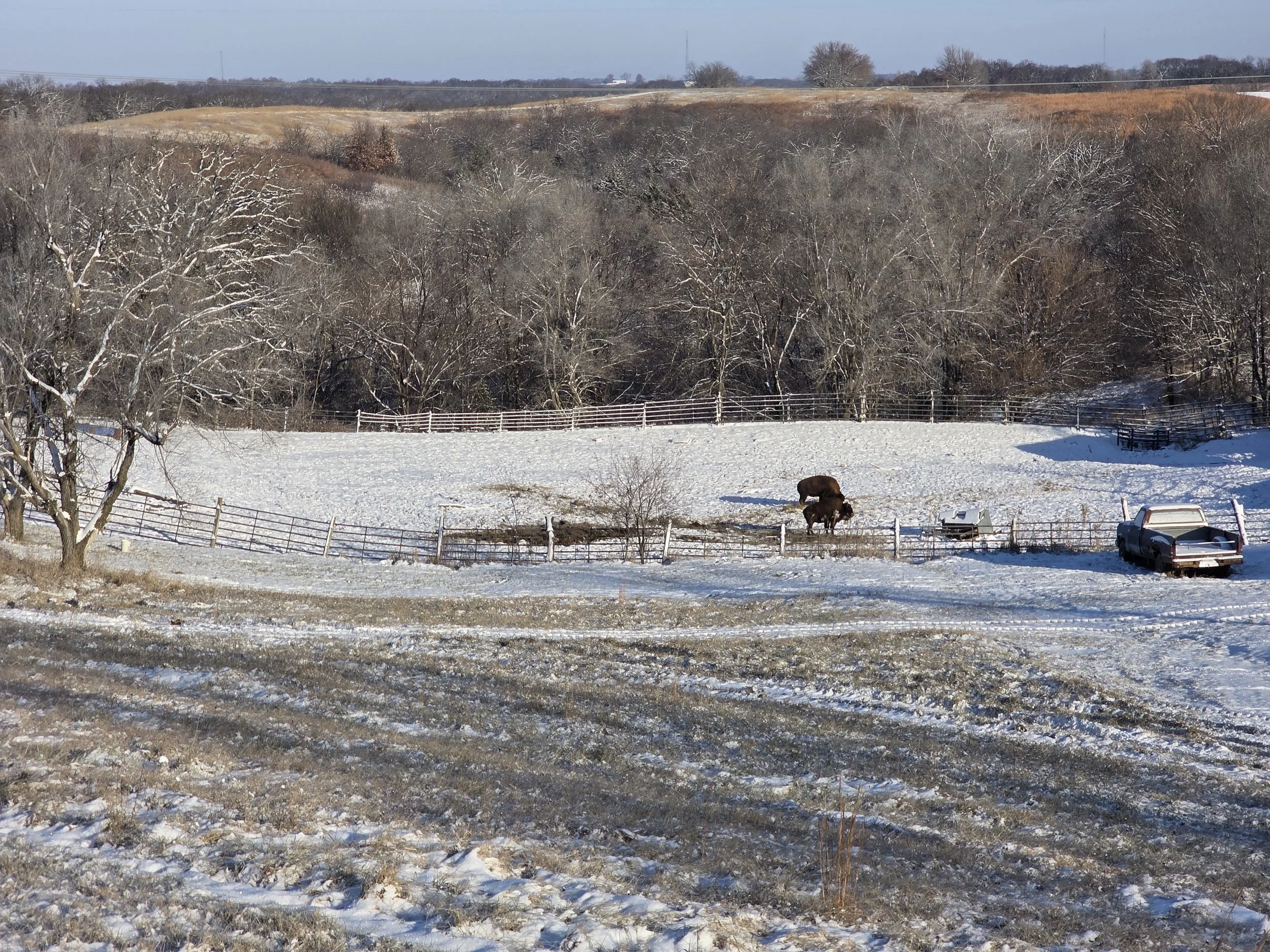
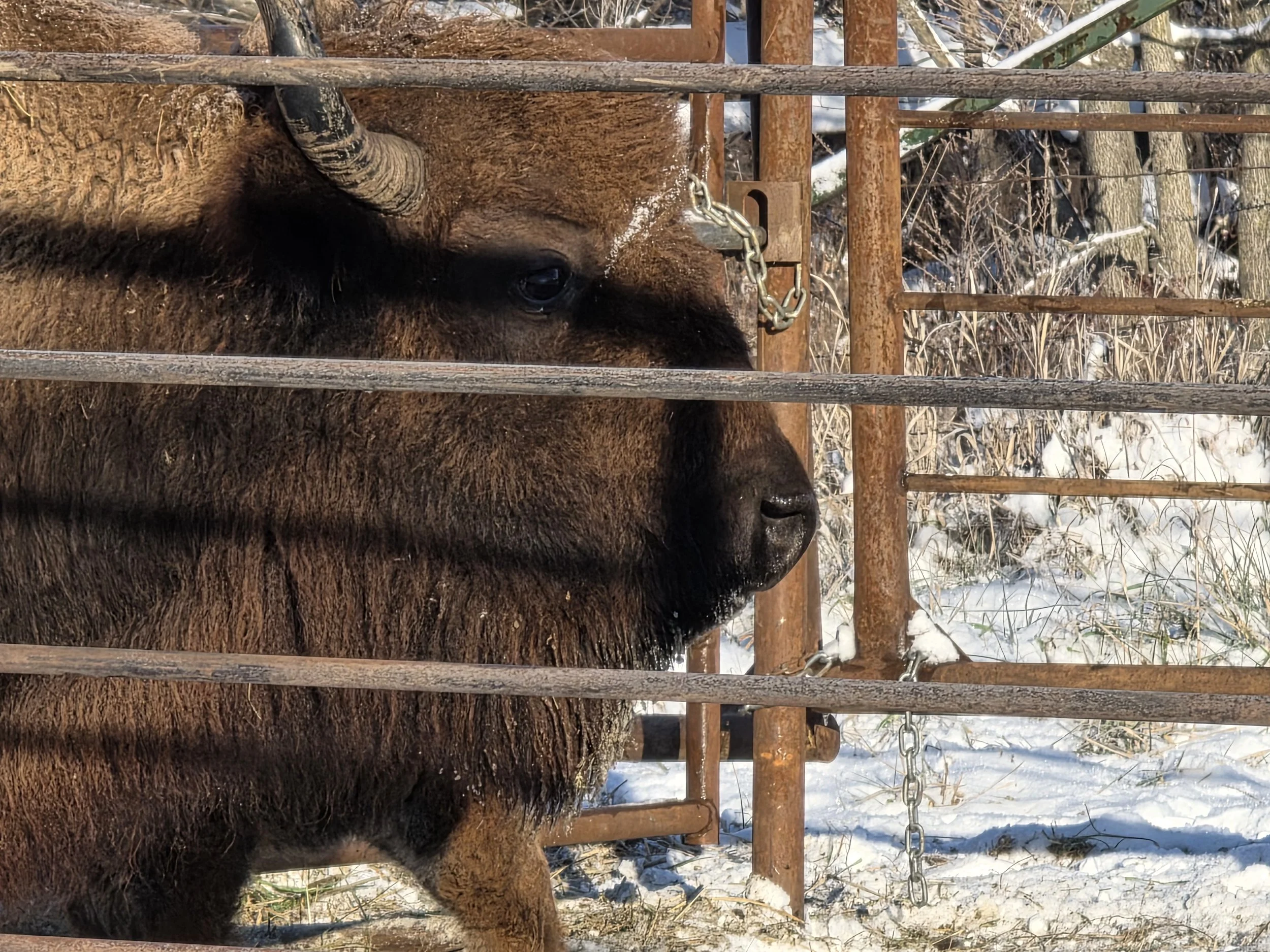
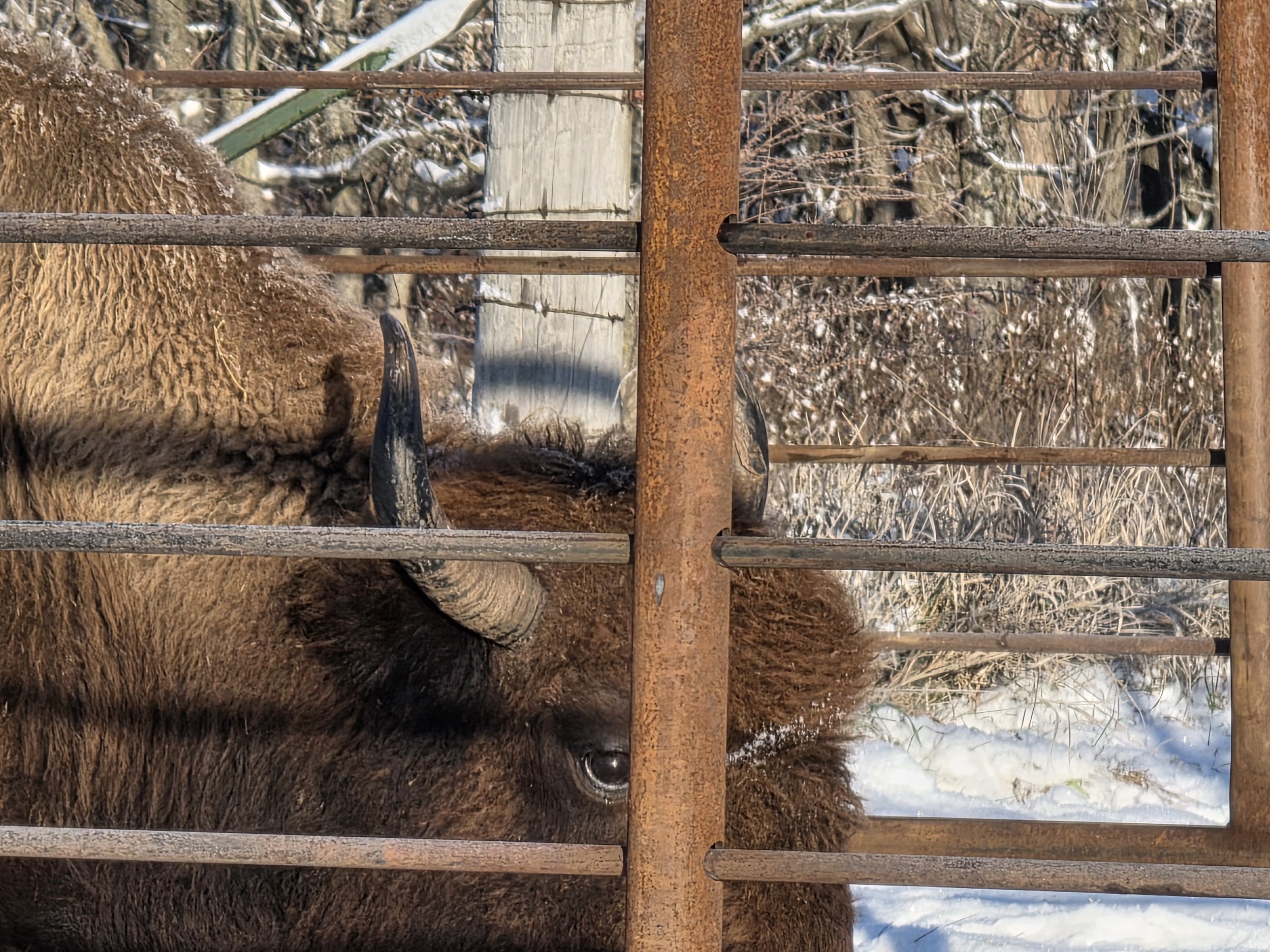
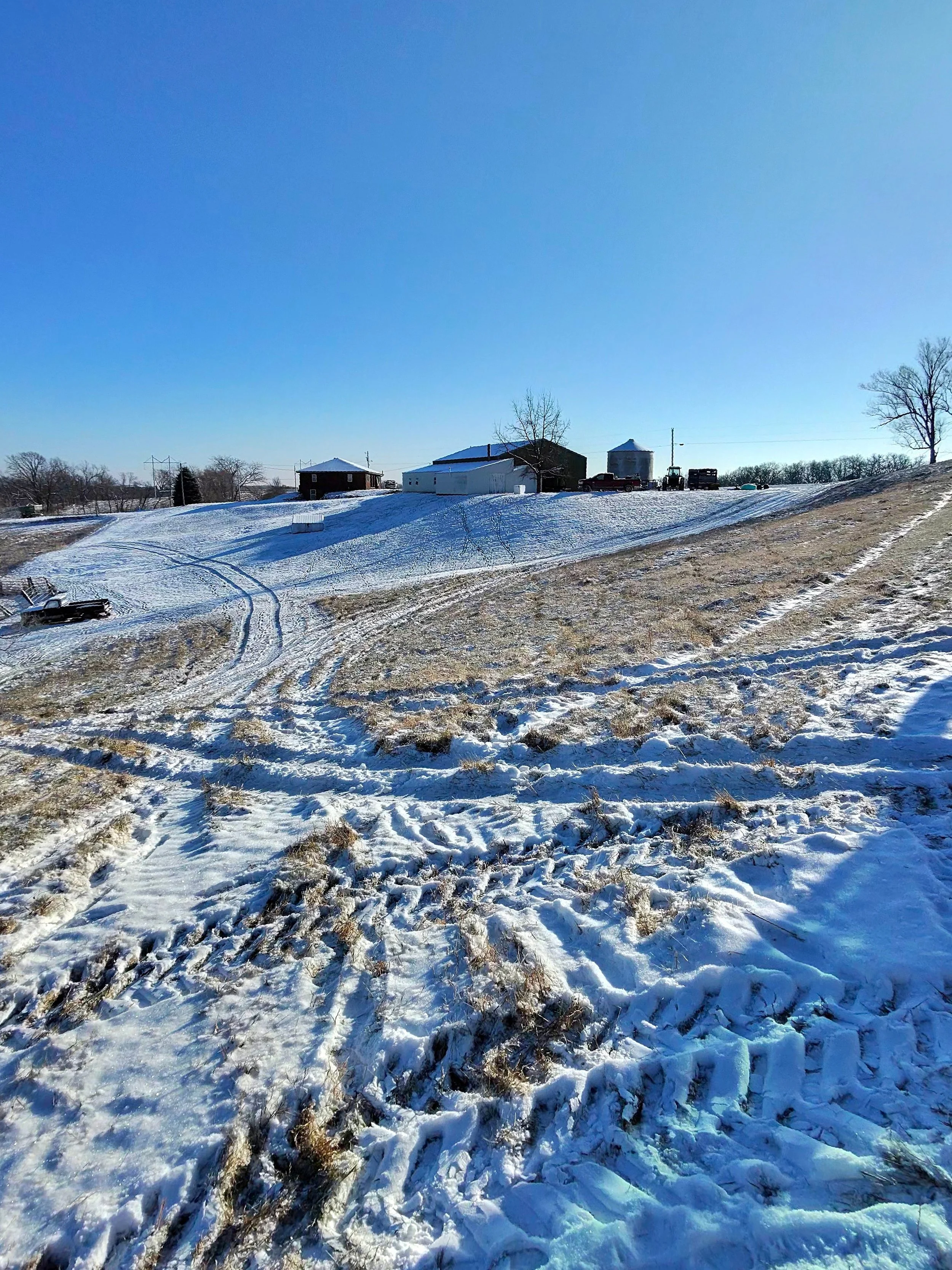
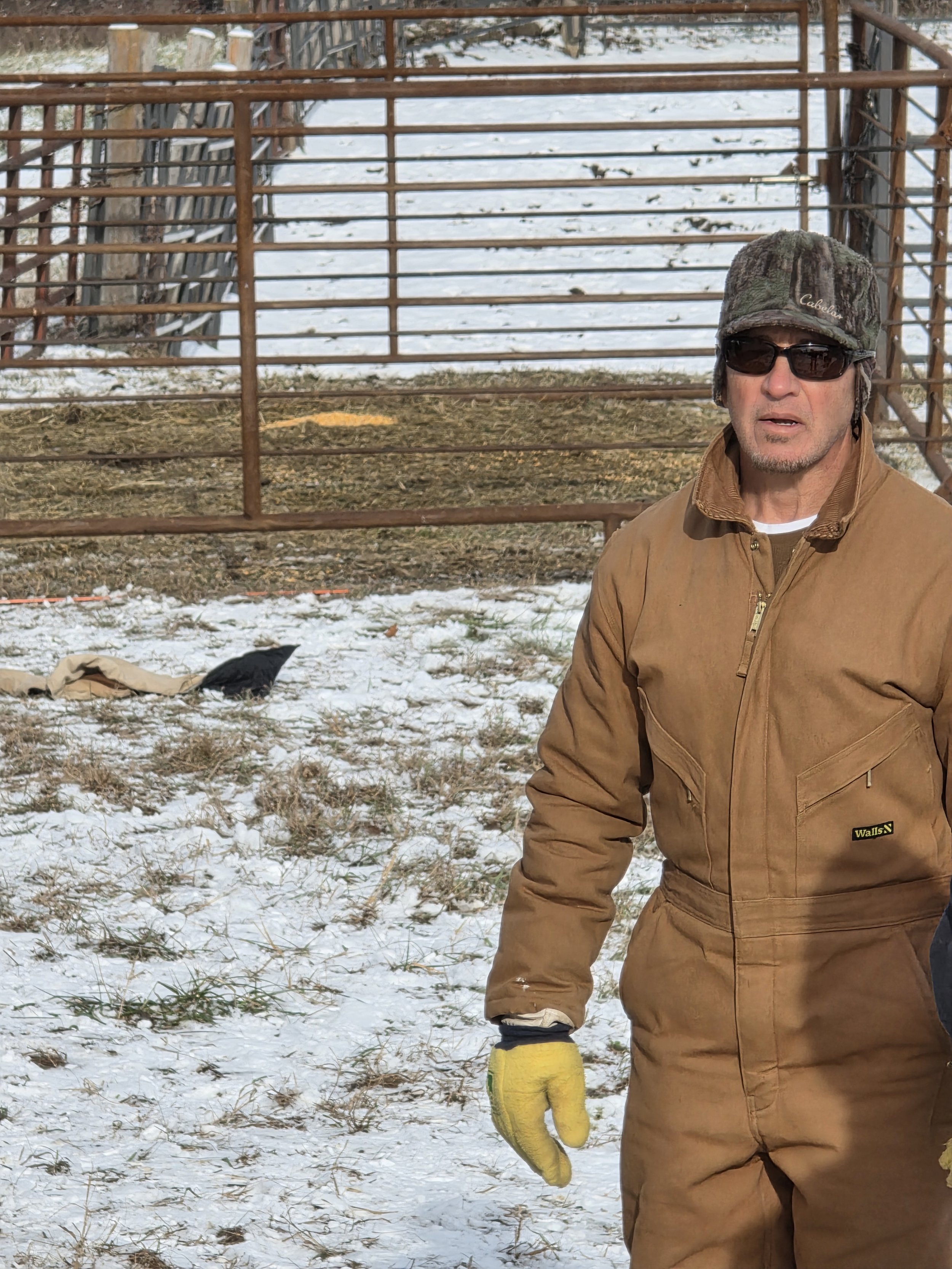
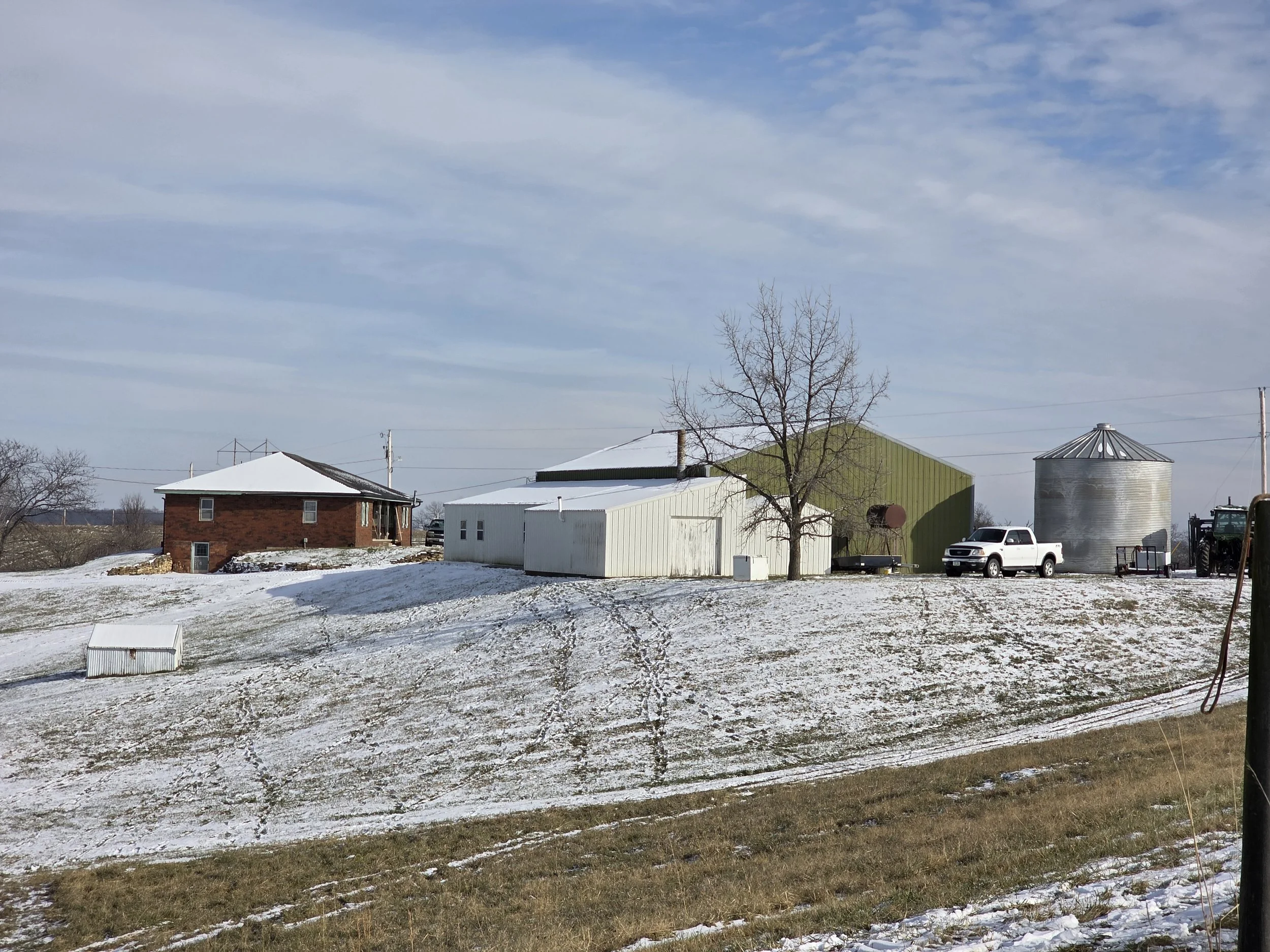
Letting go meant that the Buffalo he had spent decades observing on his ranch in Oregon, Missouri — learning their temperaments, their movements, which ones lingered at a distance and which walked straight up to him — would now join the herd of a rancher he had never met. His increasingly limited capability over time to physically look after them became the catalyst for that decision, one made with acceptance rather than defeat.
“It’s a lot of work,” he said quietly. “It was meant to be this way.”
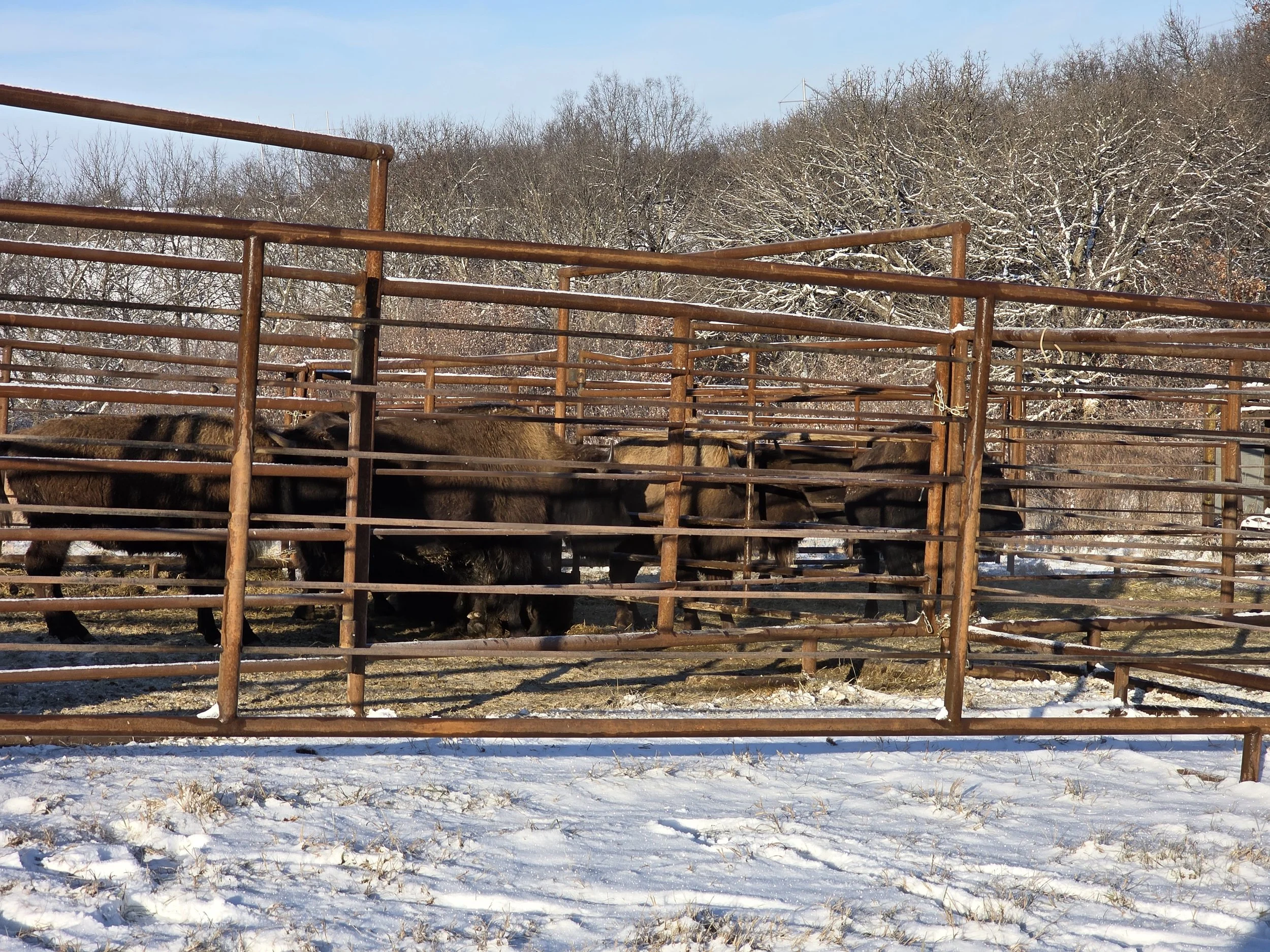
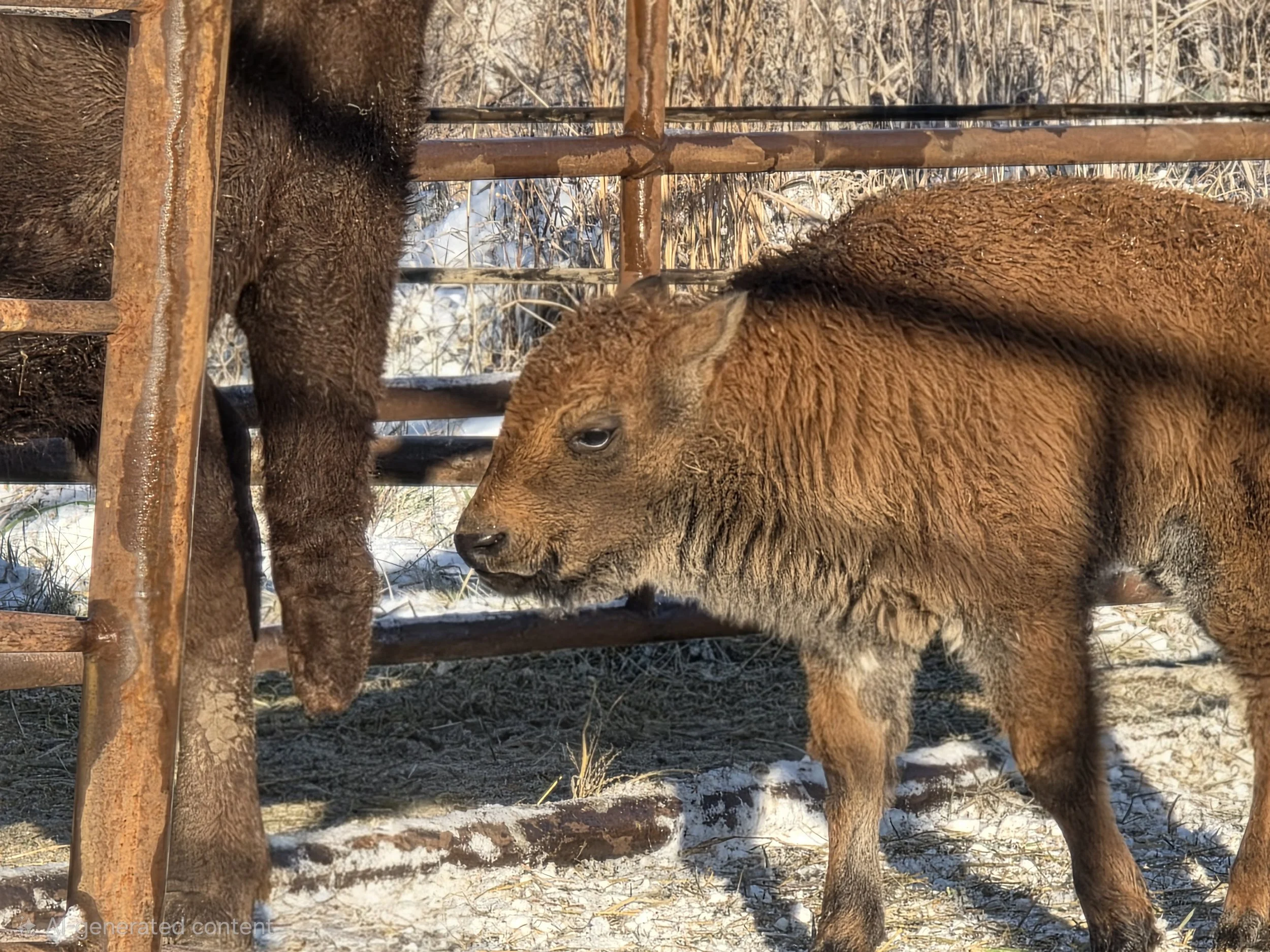
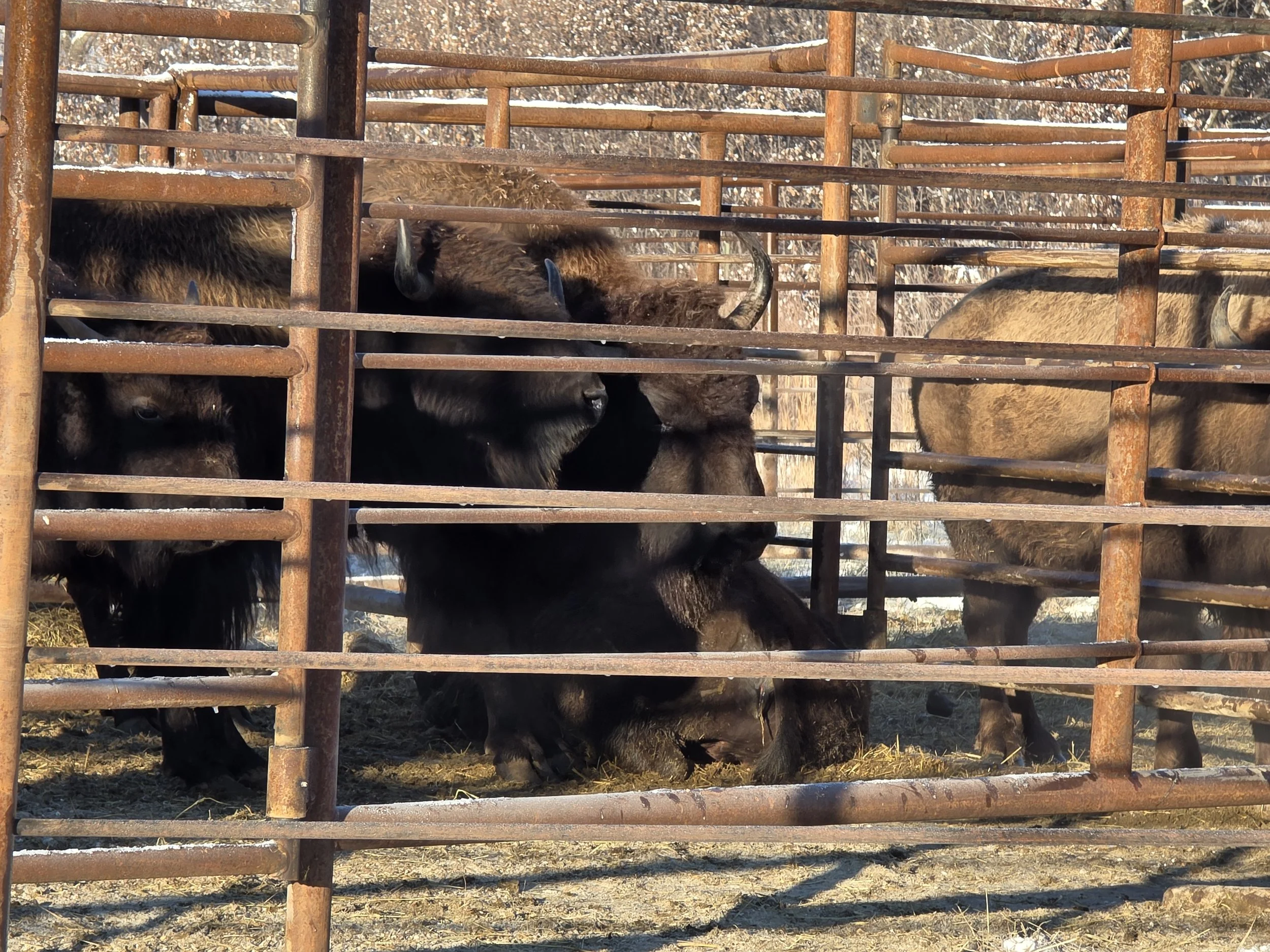
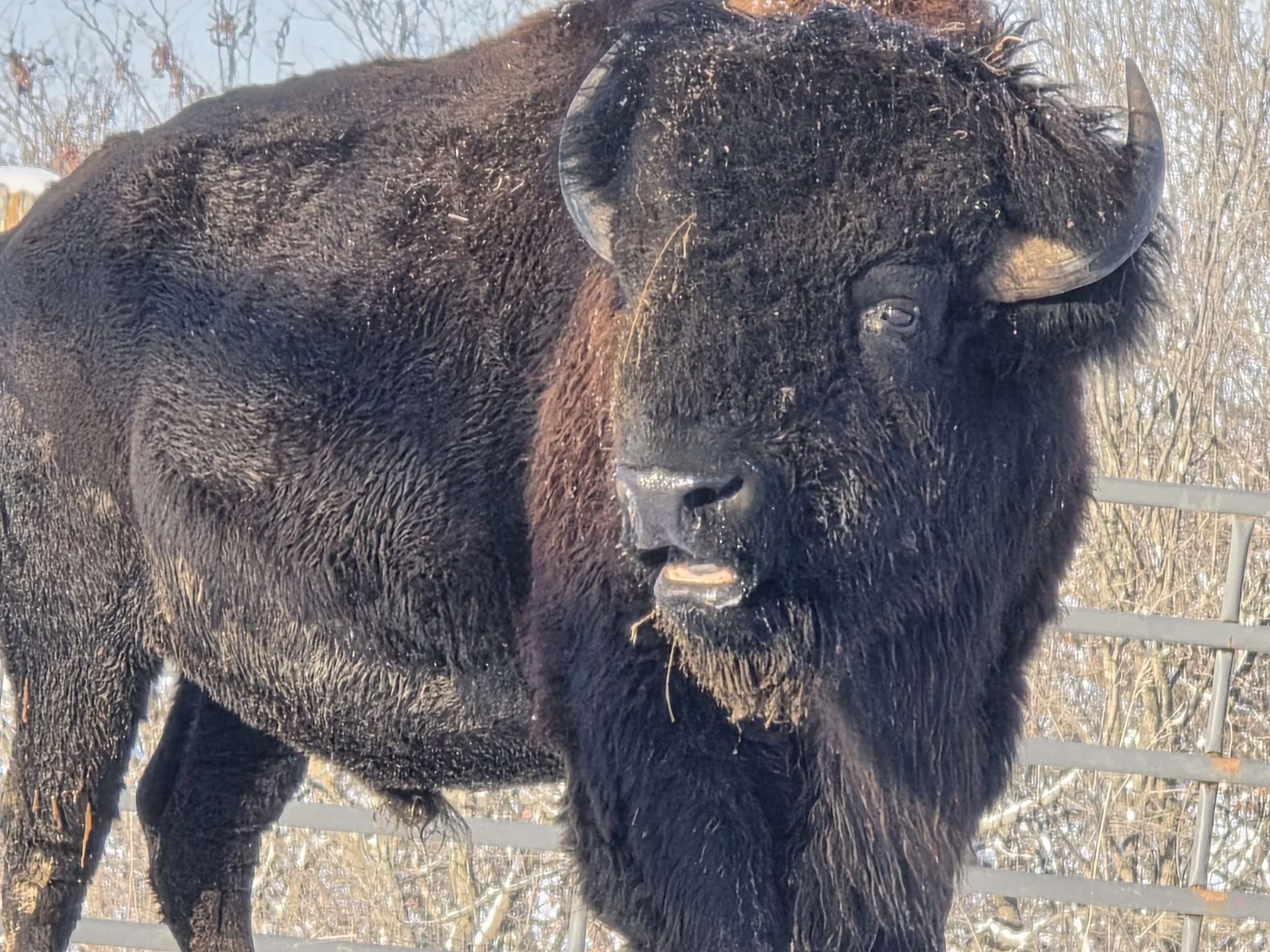
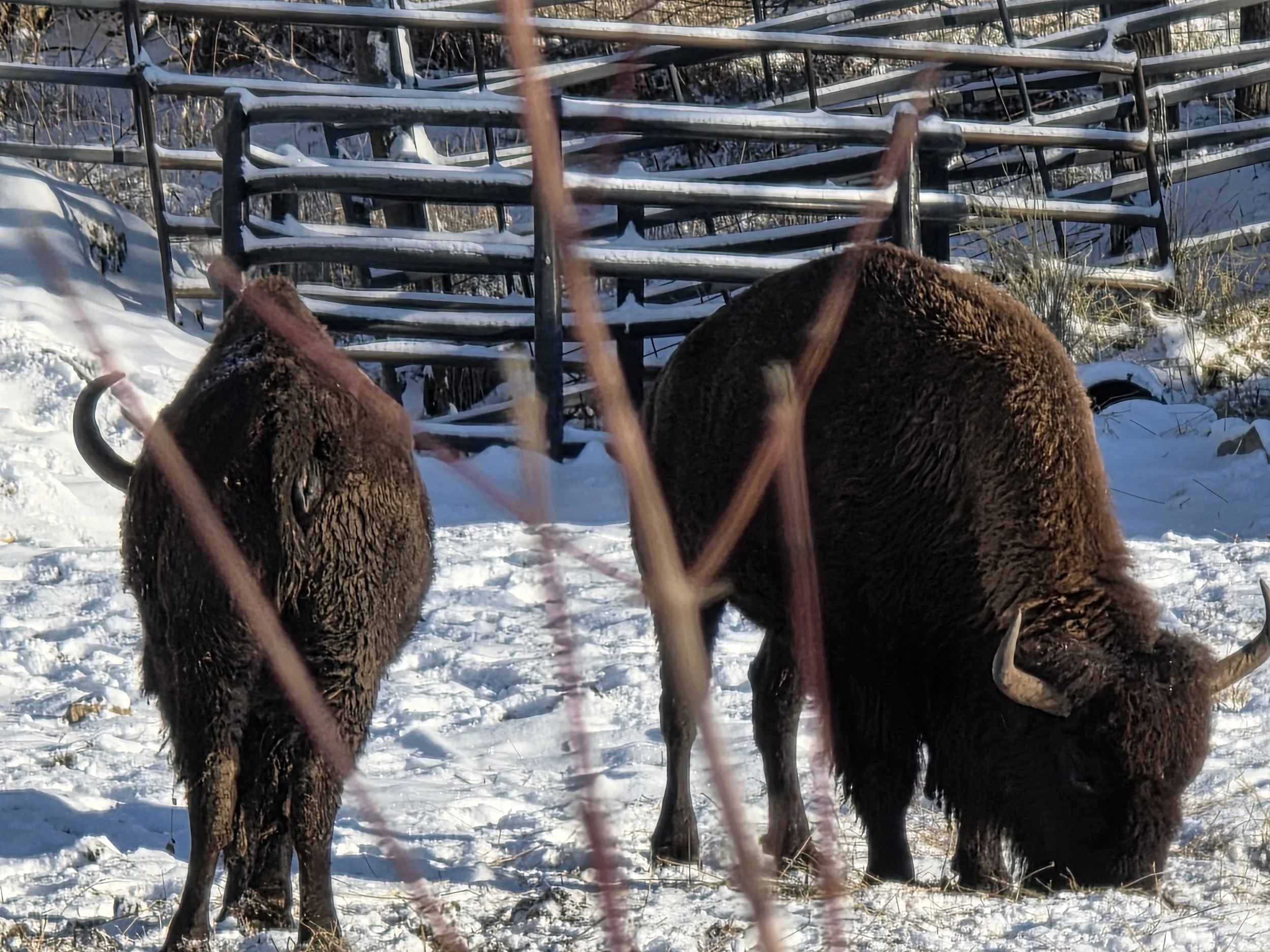
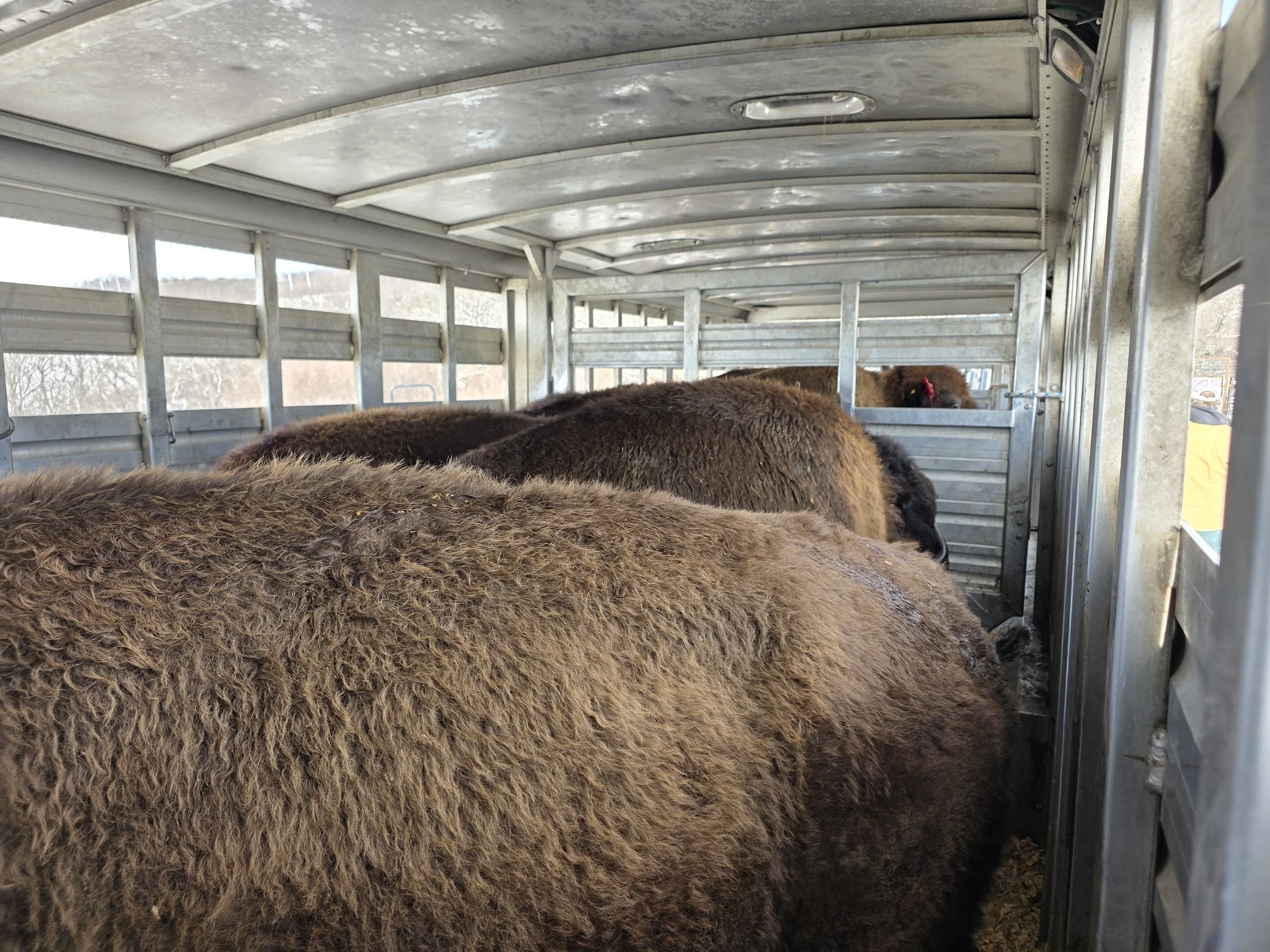
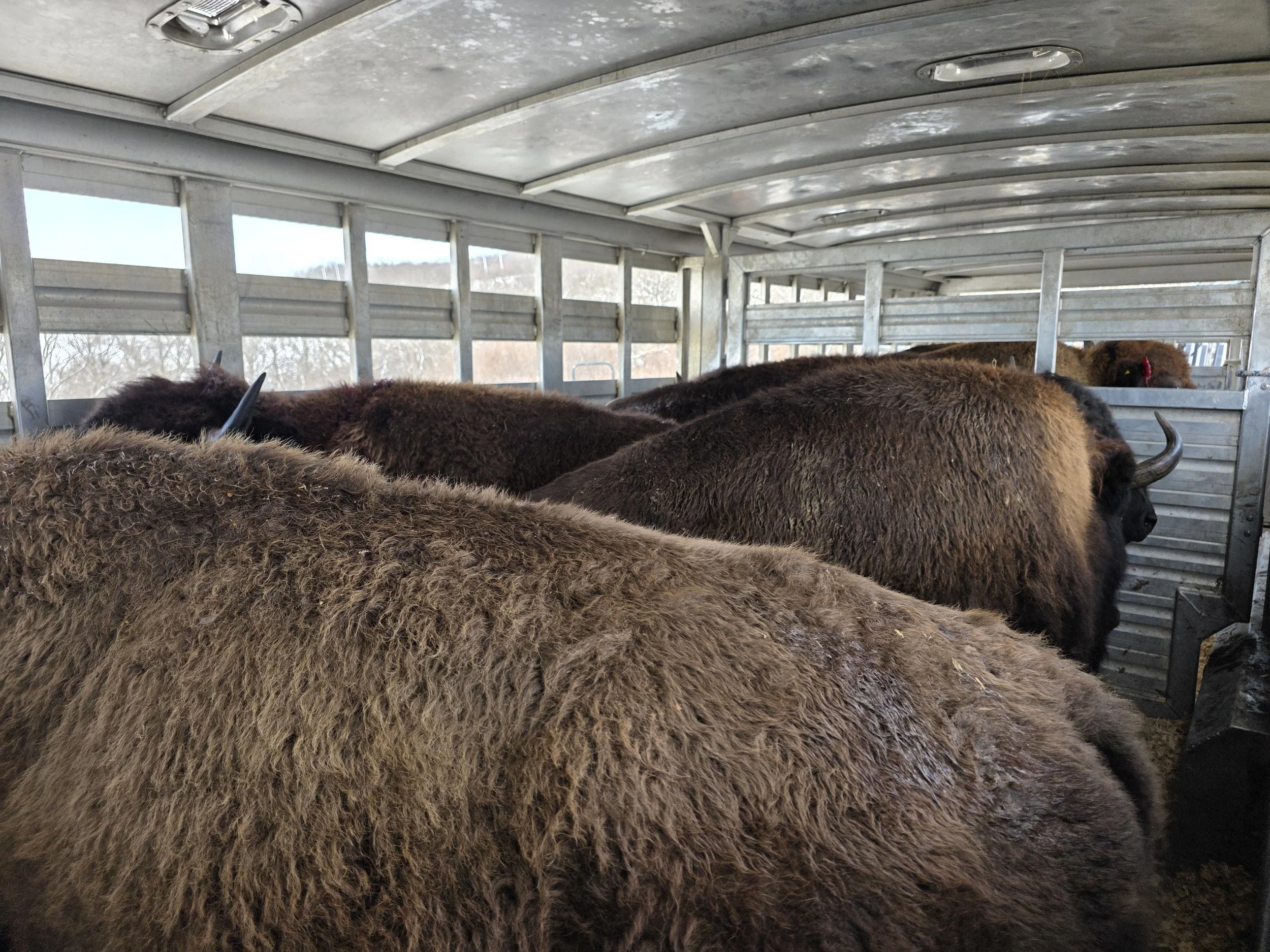
At the end of 2025, Virgil Two Eagle Sr., of the newly renamed Two Eagle Buffalo Ranch on the Pine Ridge Reservation in South Dakota, received Clifford’s 14 Buffalo. The transfer expanded Virgil’s herd and fulfilled a shared mission through Tanka Fund partners to return Buffalo to the lands, lives, and economies of Native ranchers.
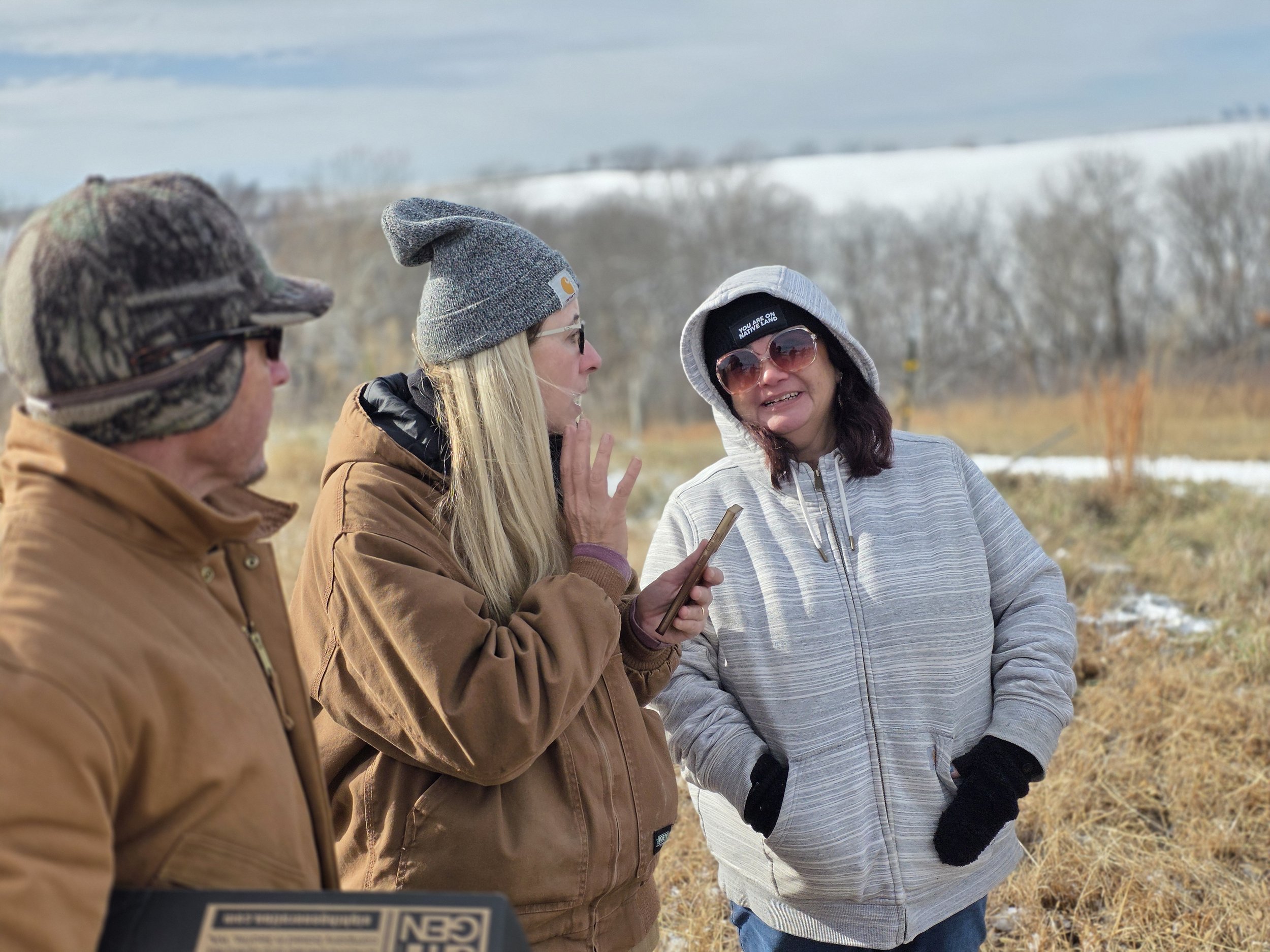
Clifford’s daughter, Susan, played a key role in initiating the connection after seeing Tanka Fund’s online media, which led to the coordination of the transfer.
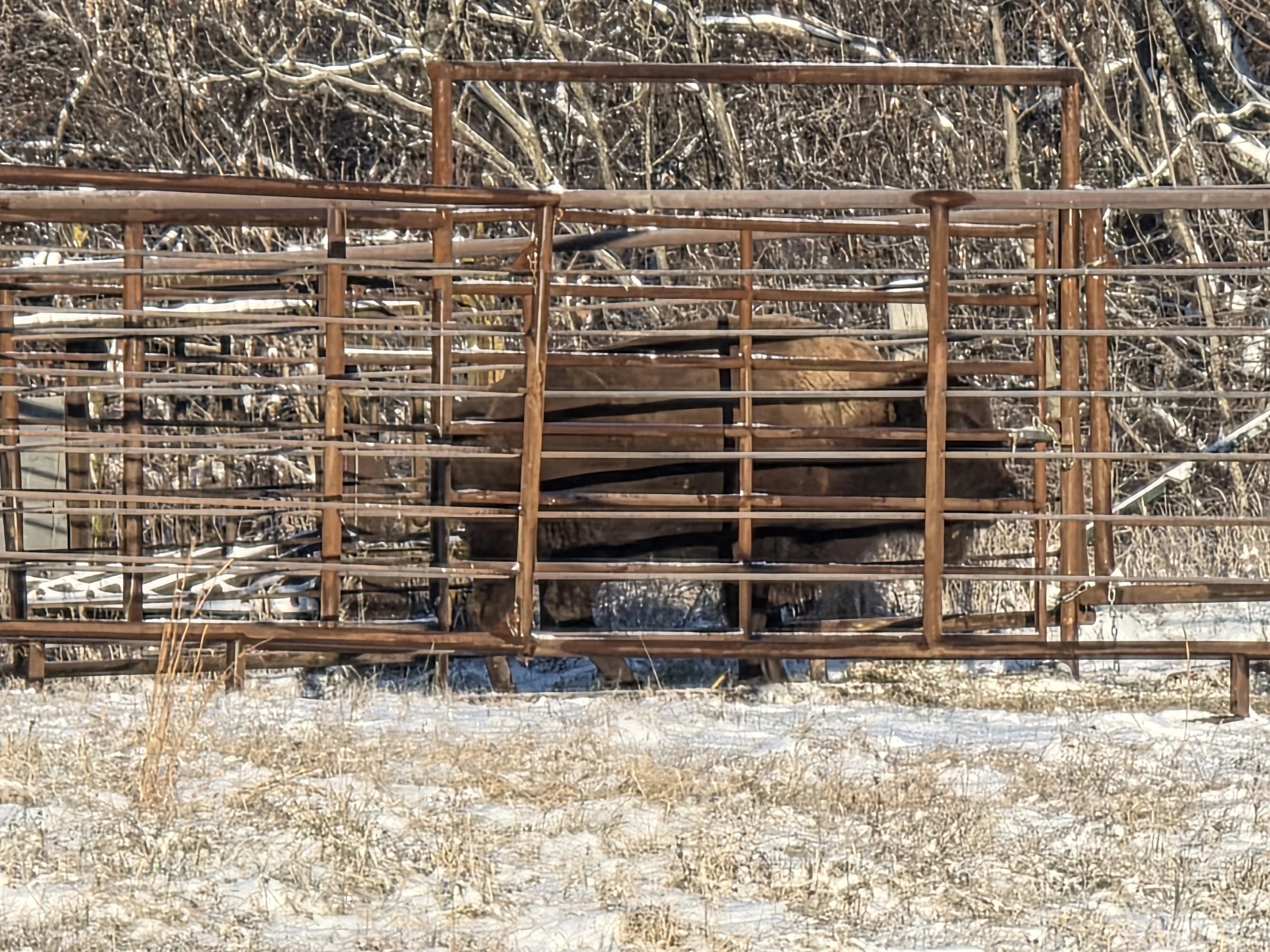
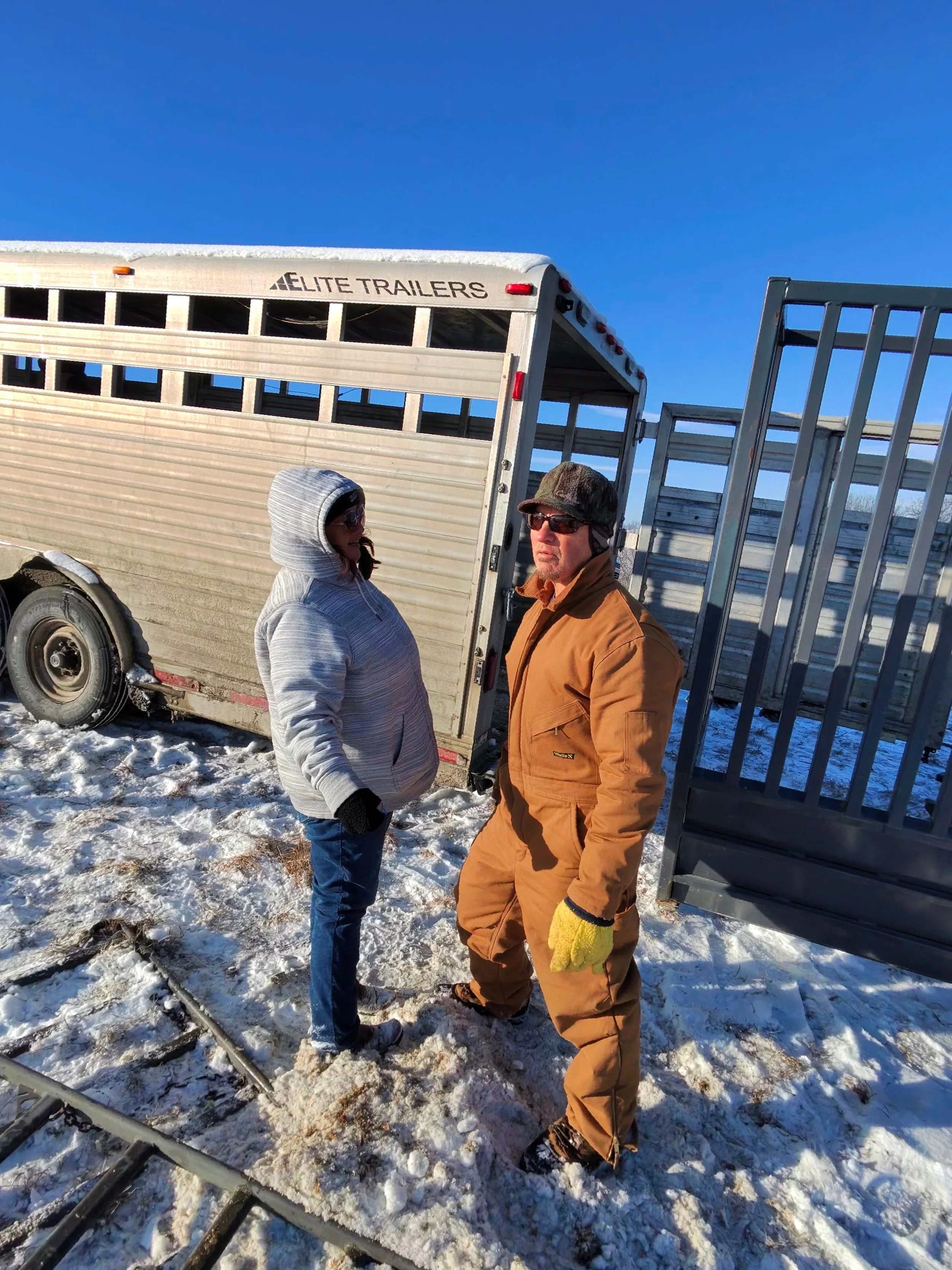
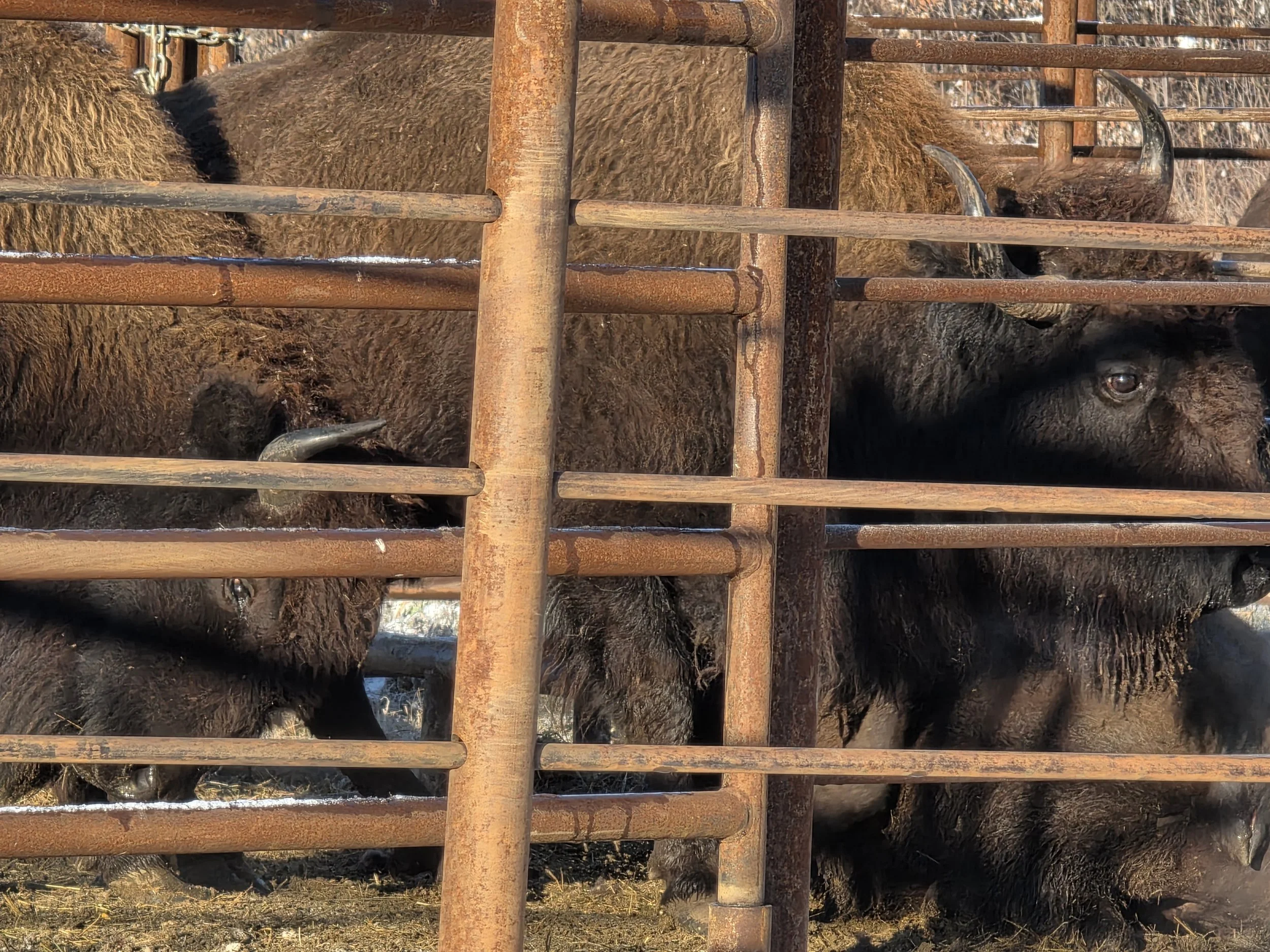
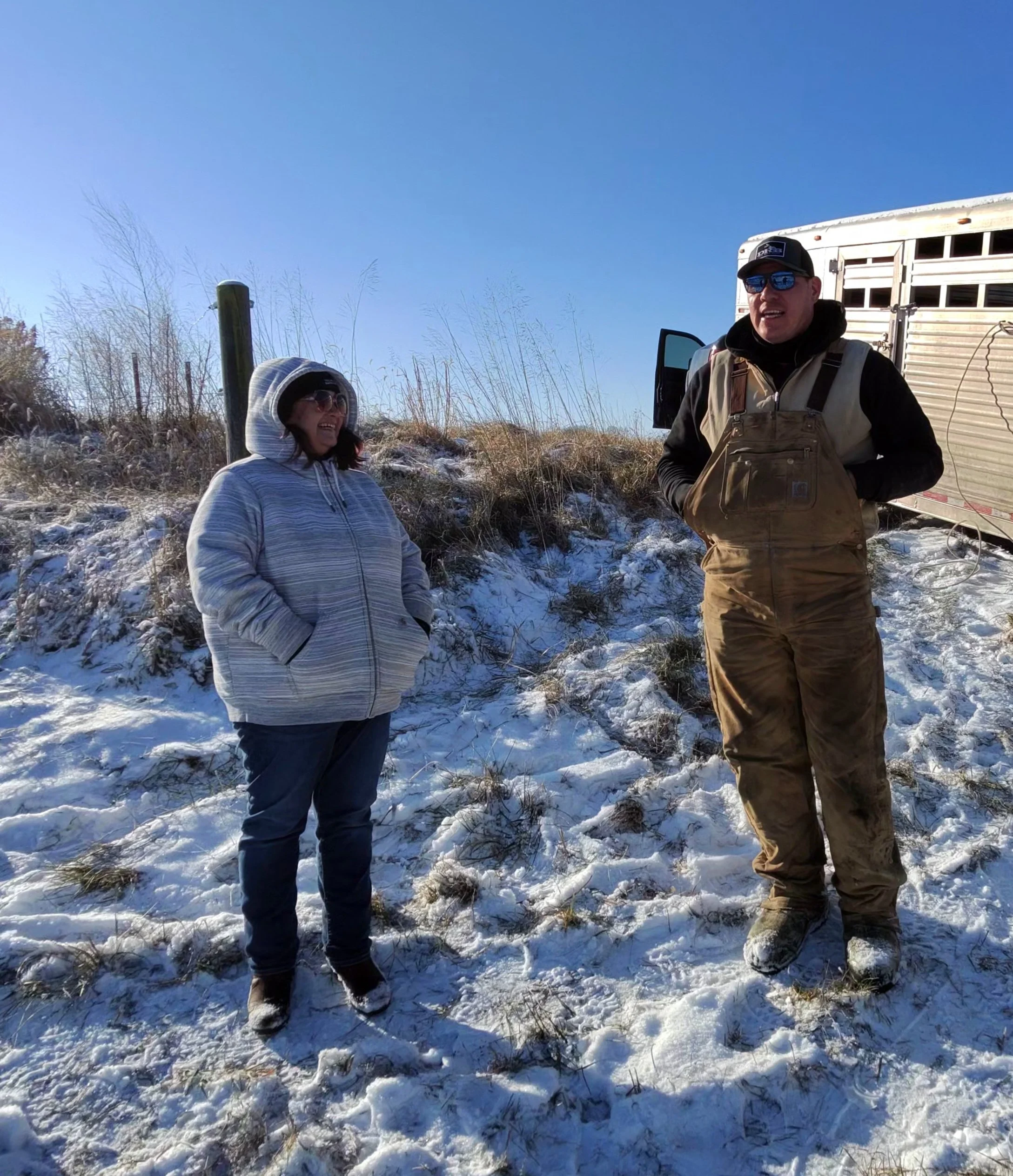
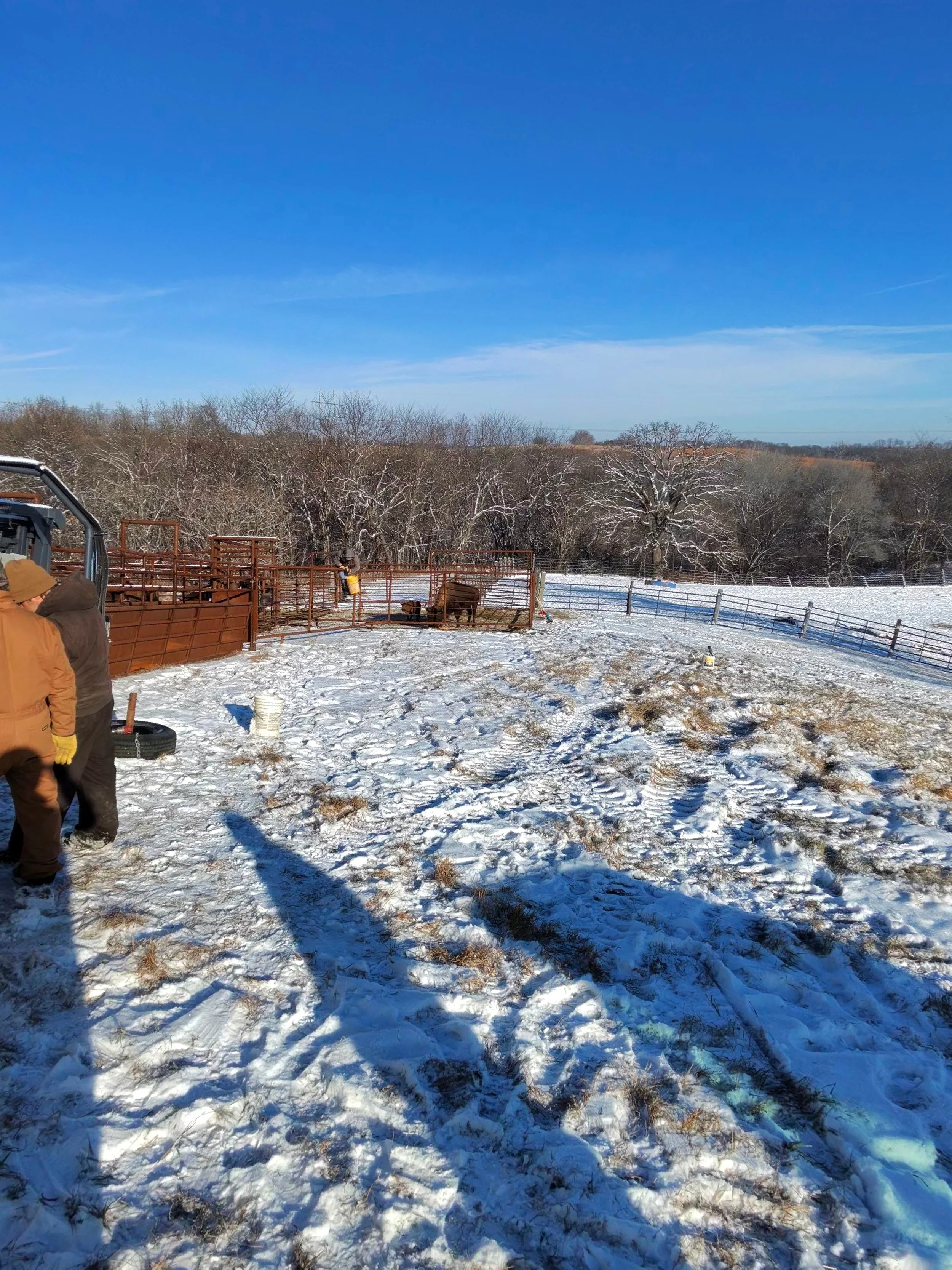
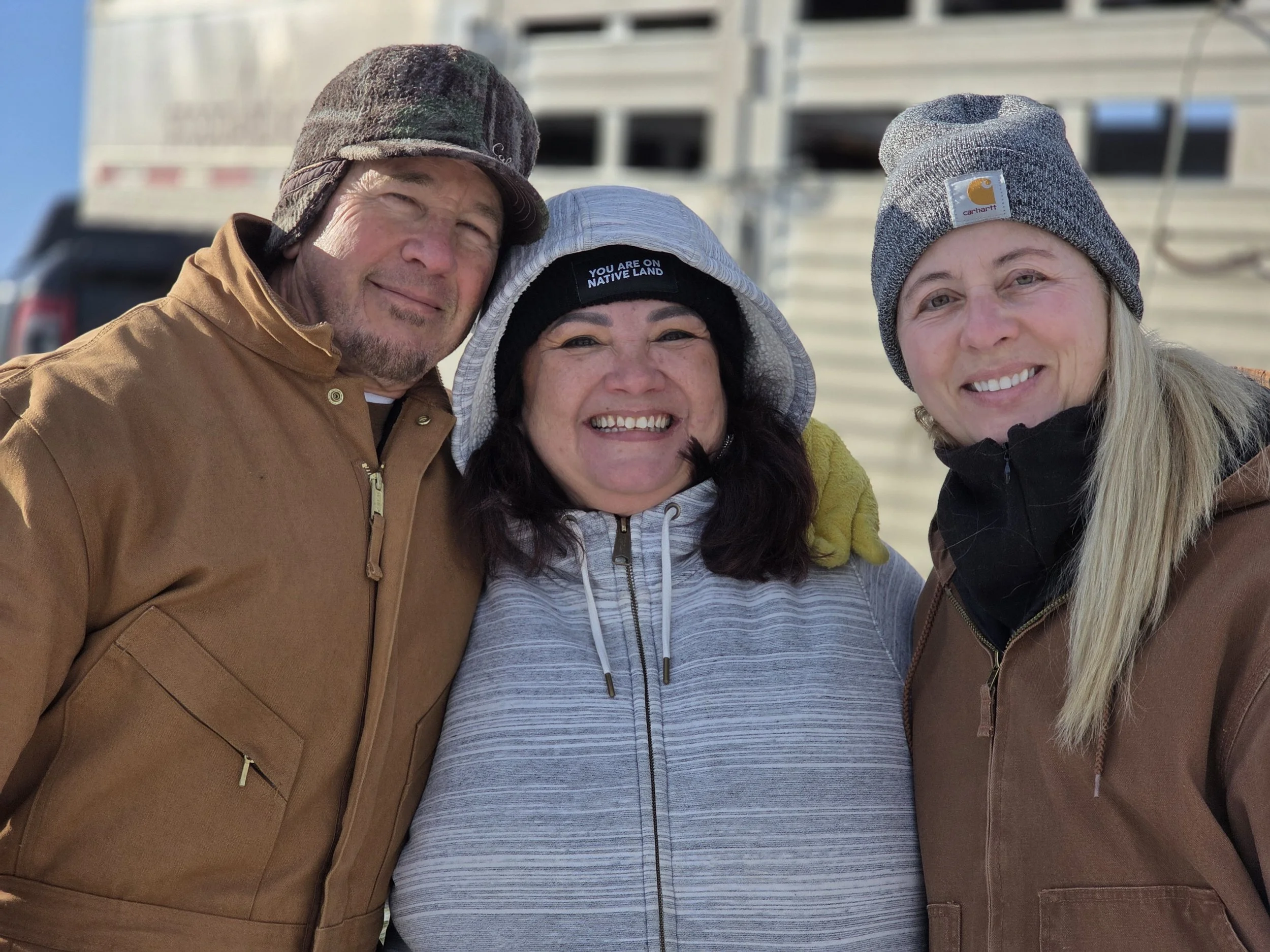
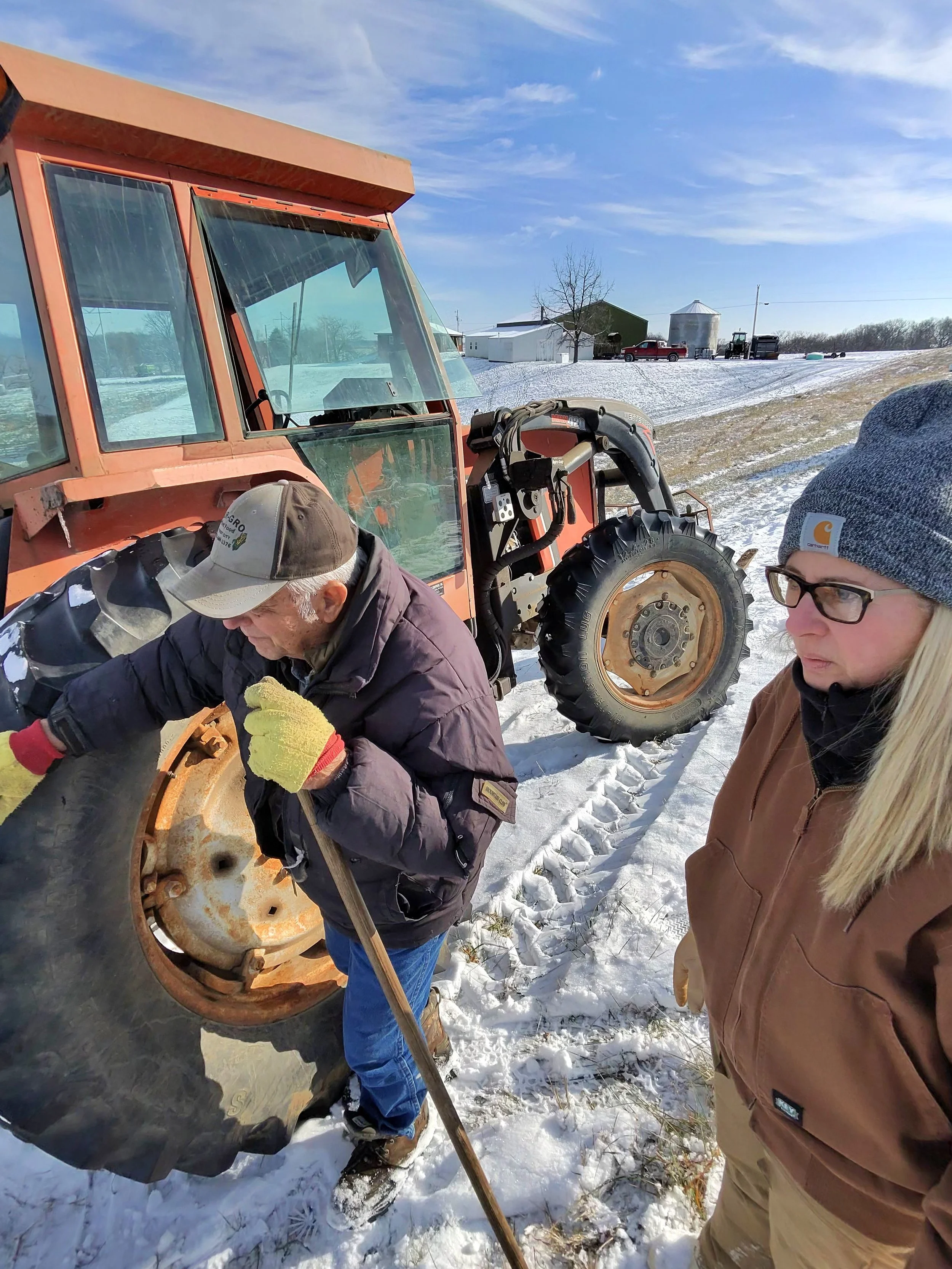
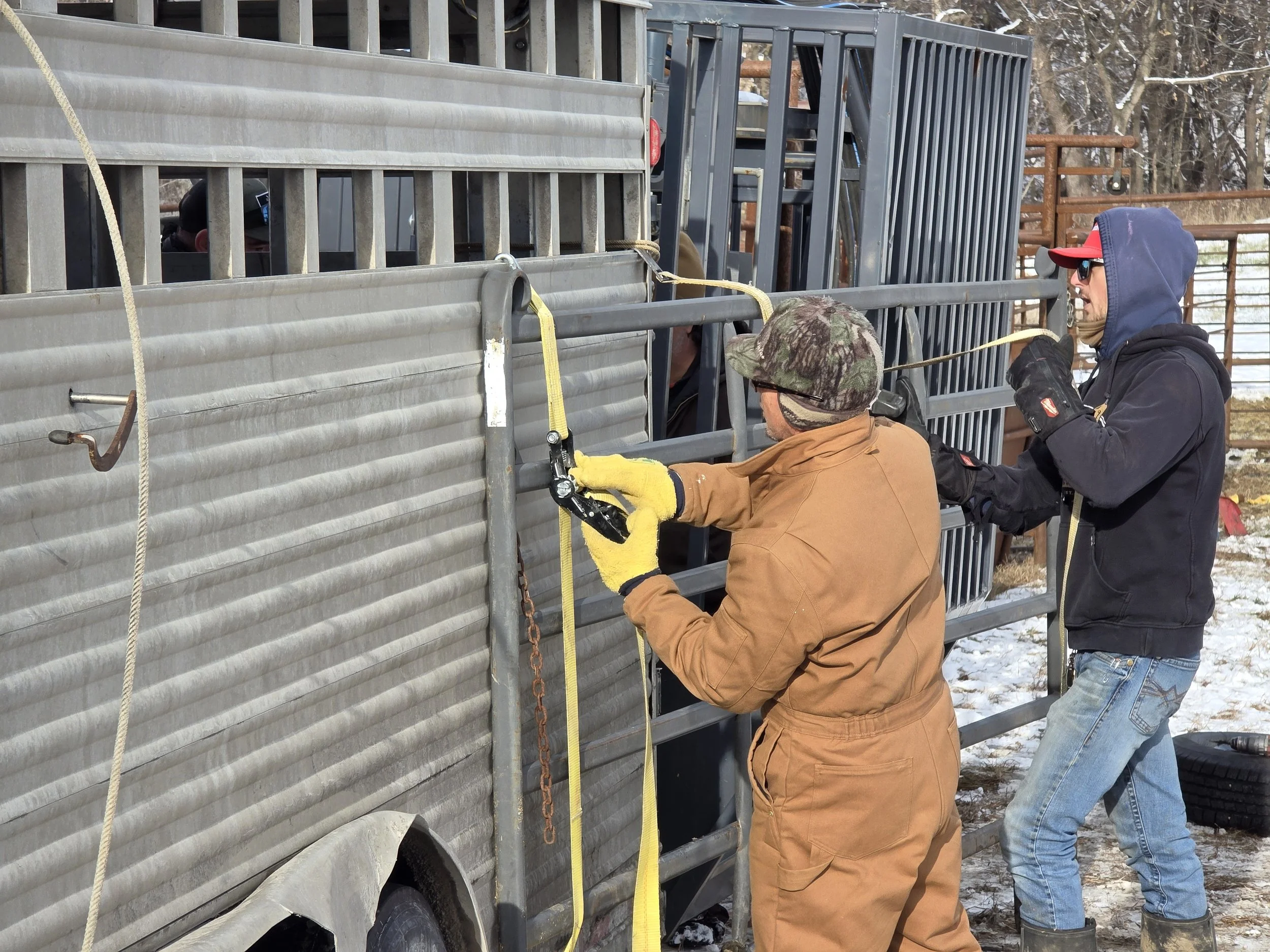
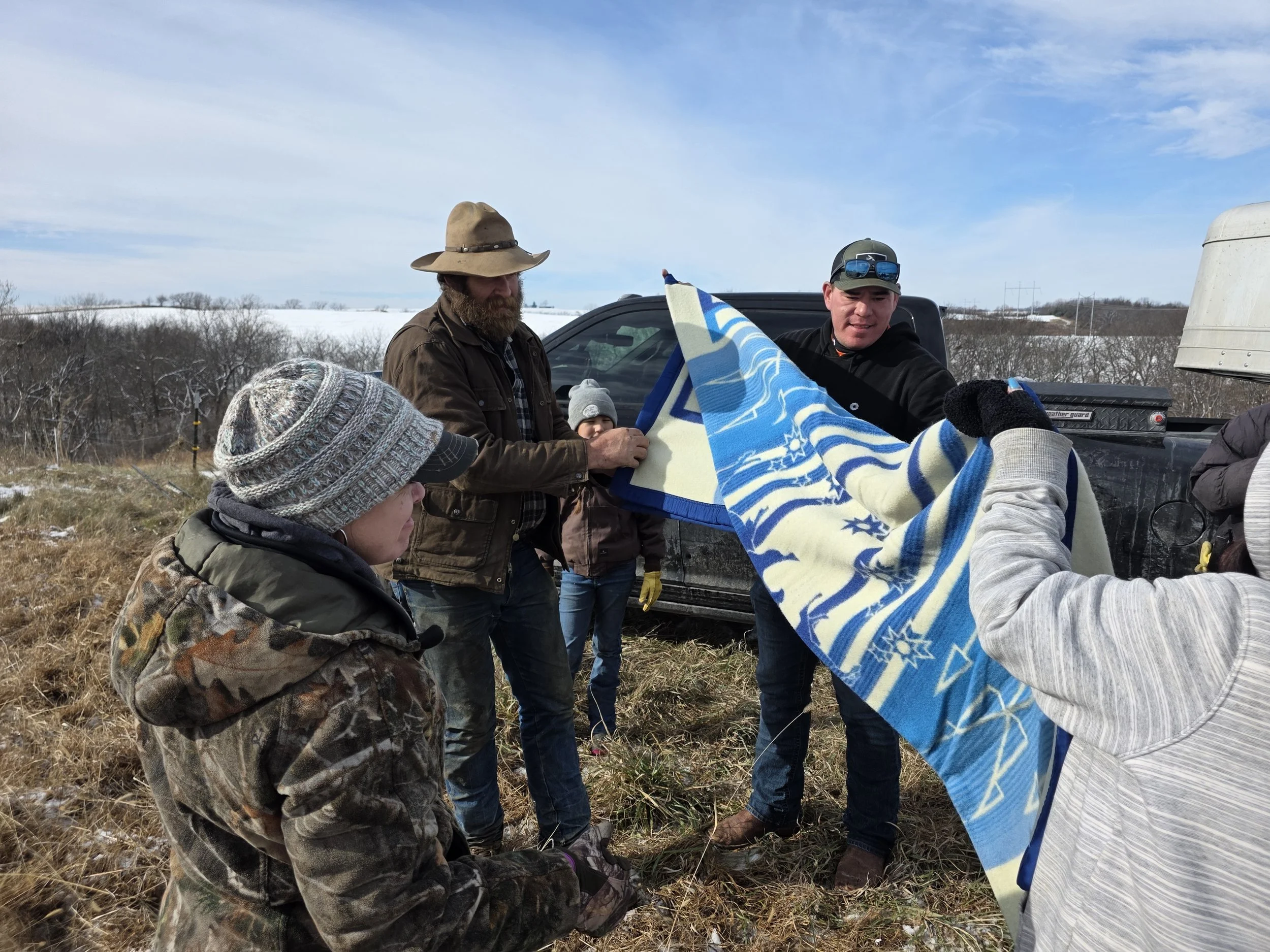
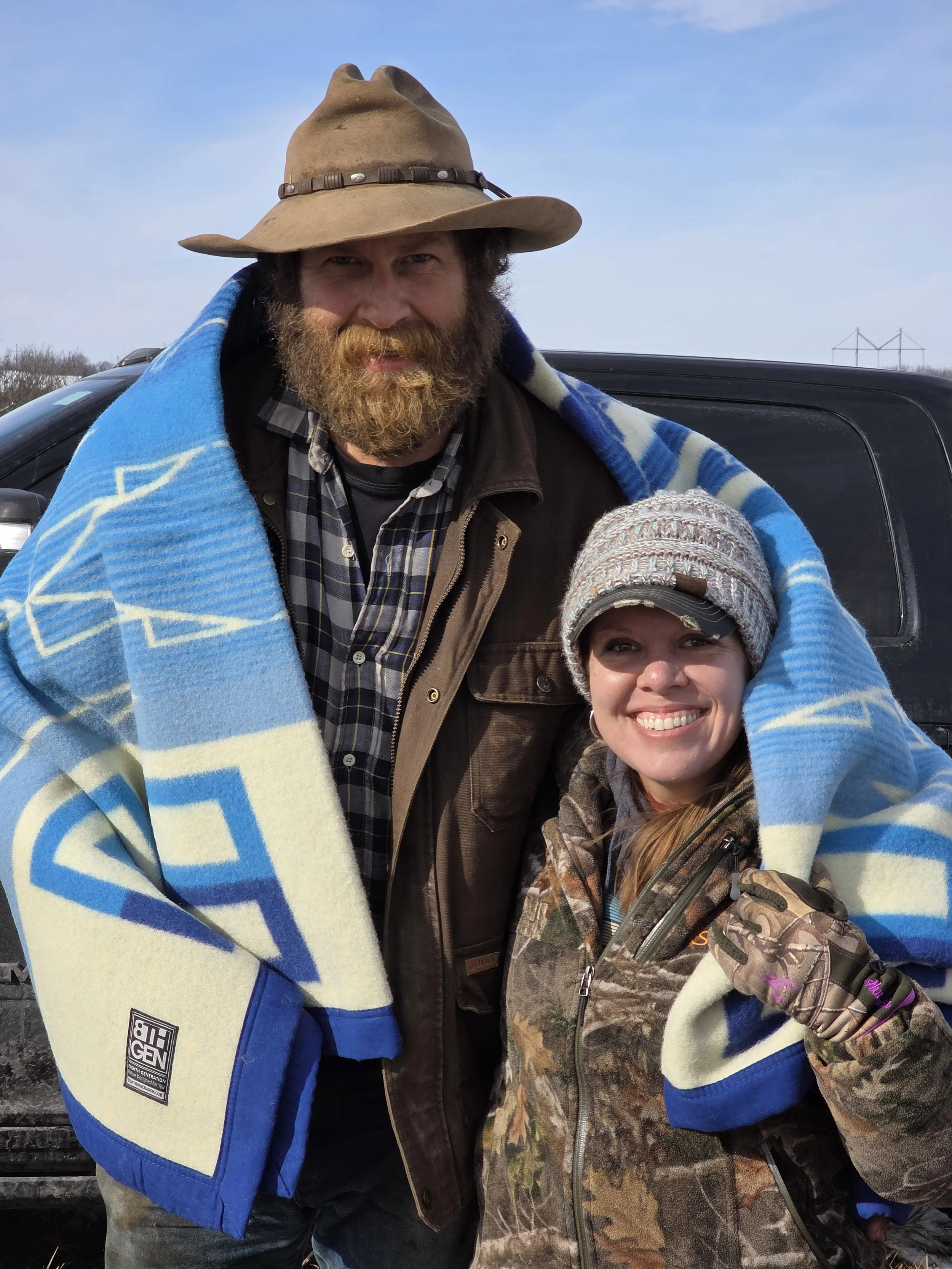
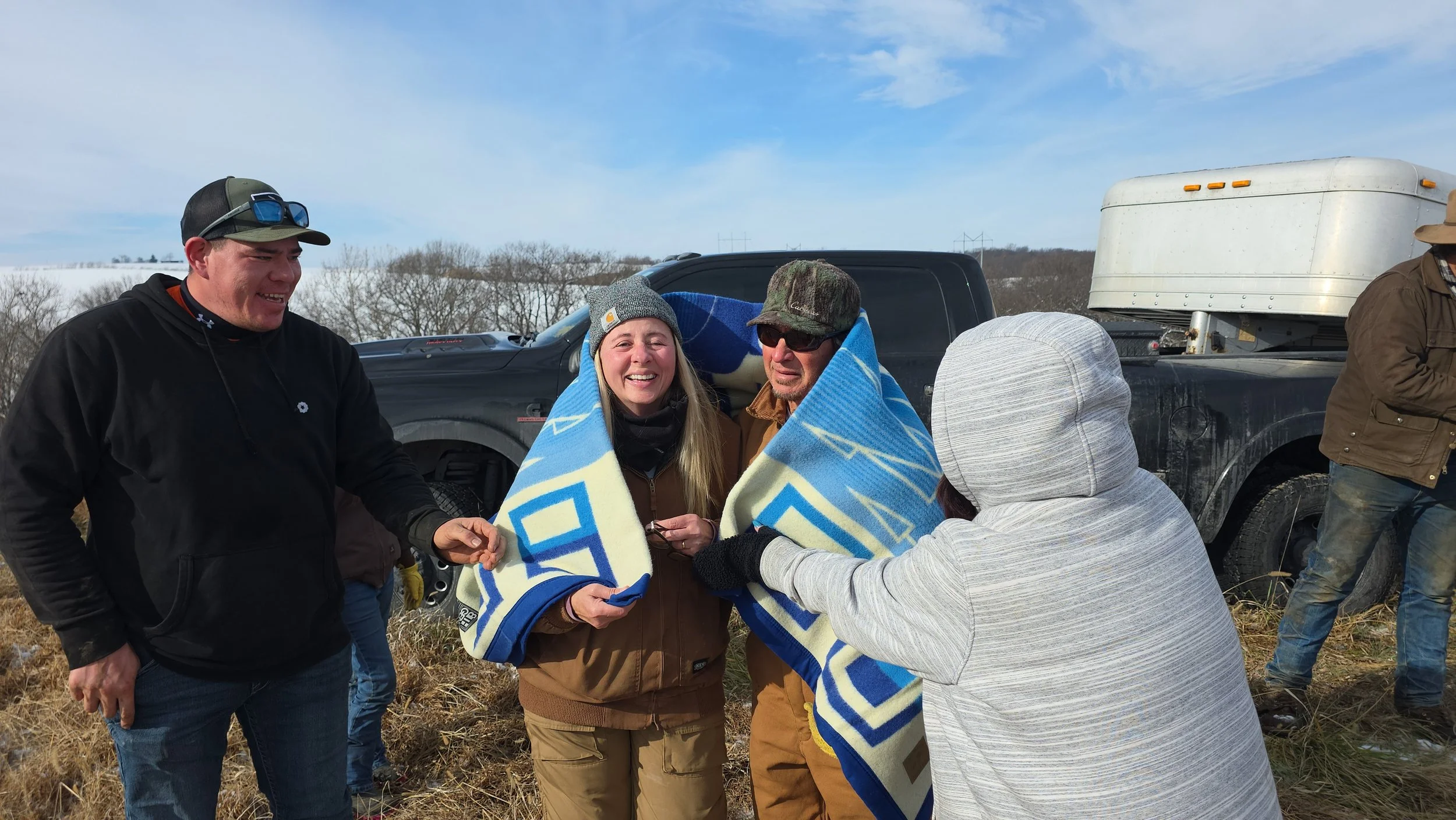
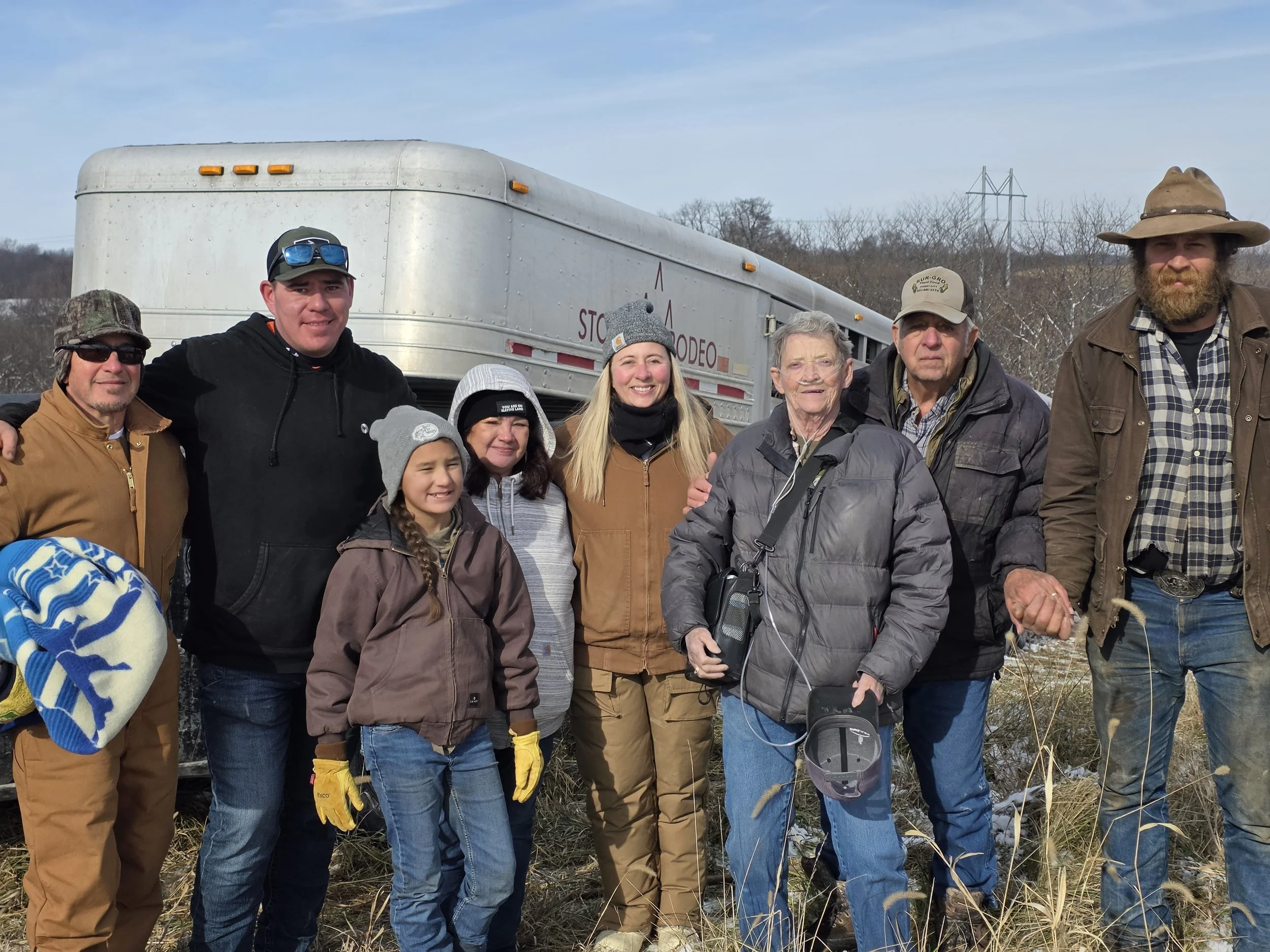
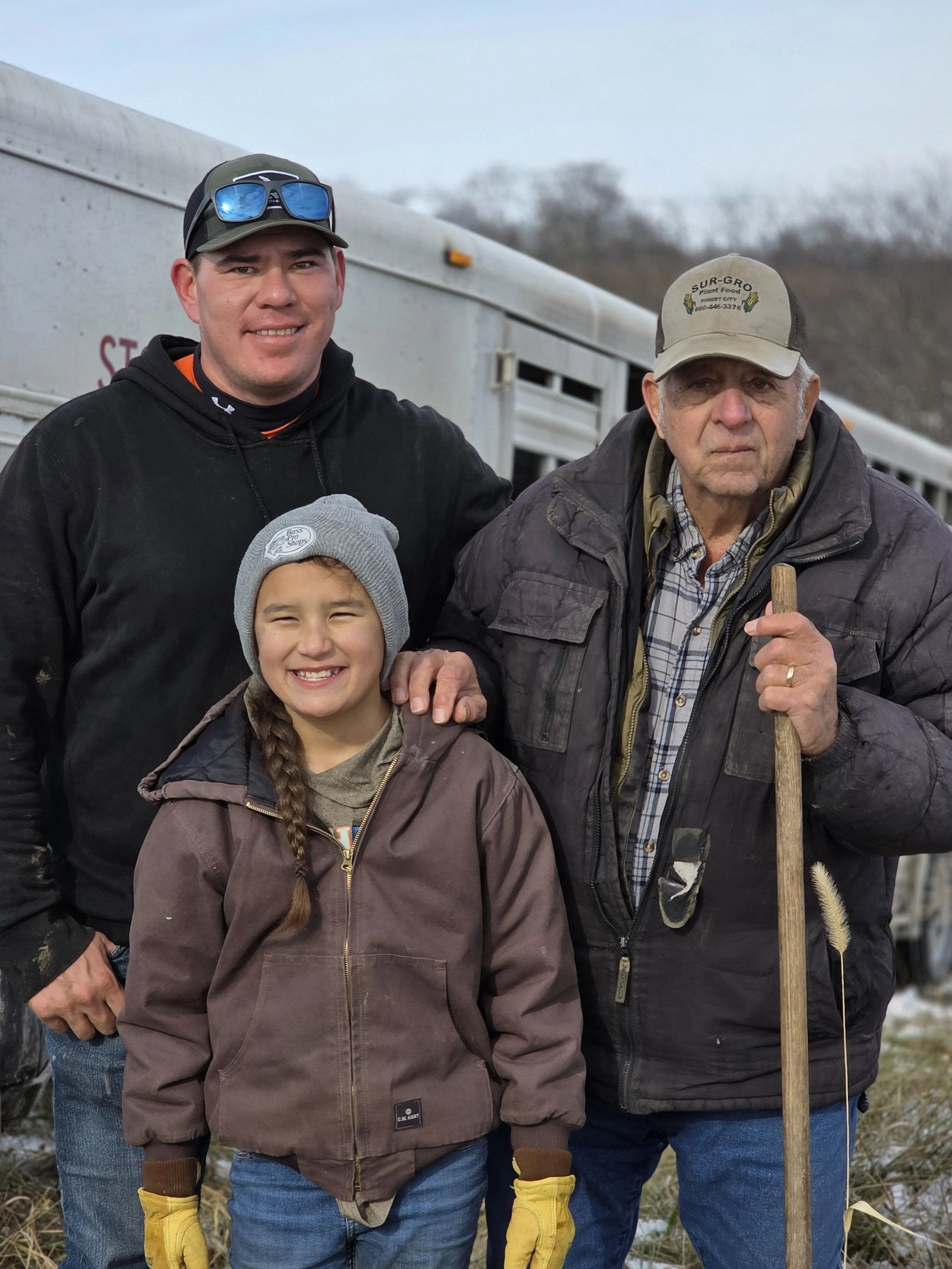
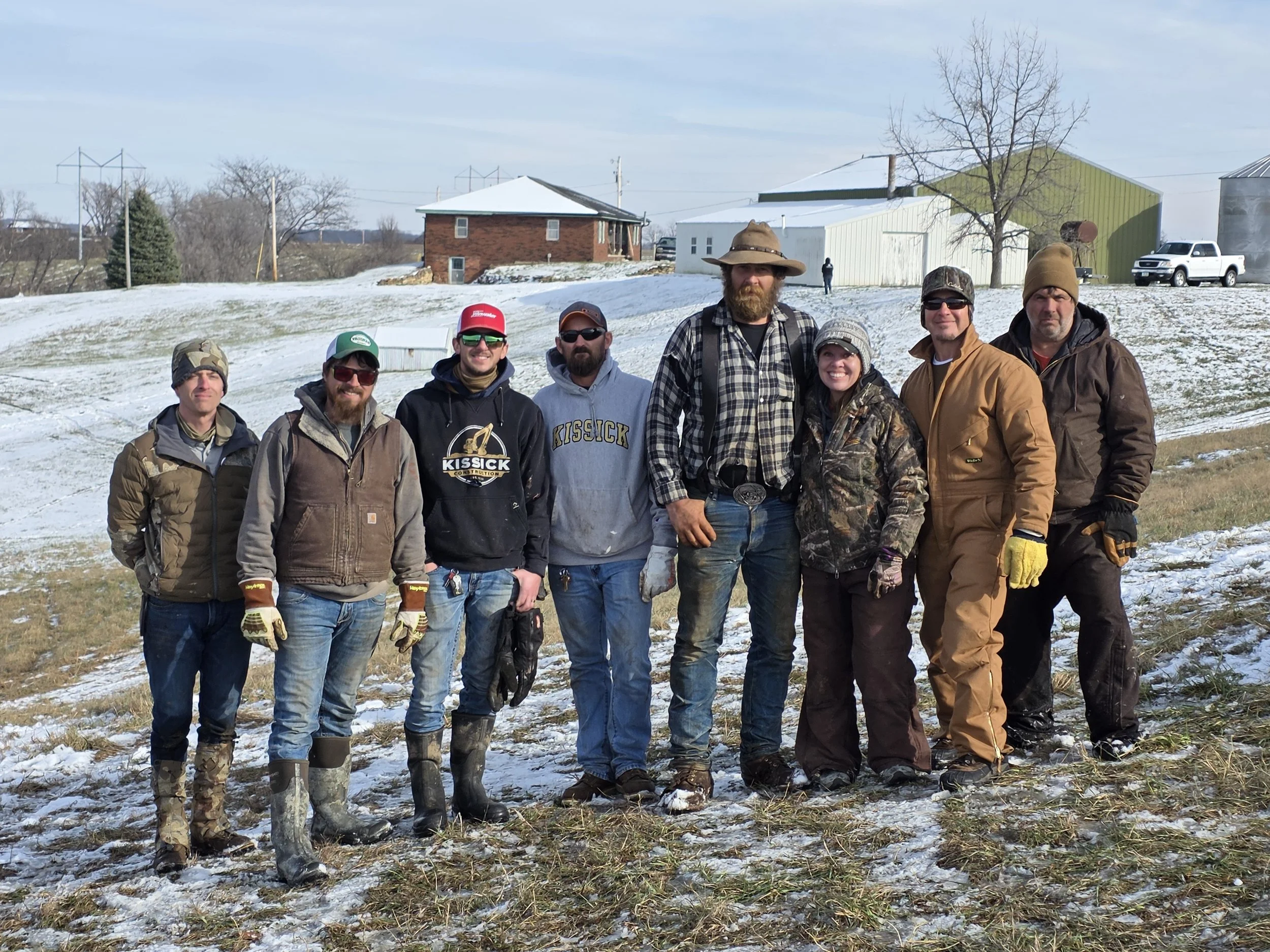
Family members were present and assisted during the loading and movement process, standing alongside Clifford as each animal was guided toward their next chapter. The Buffalo appeared calm, well-fed, and healthy. You could see the care in the herd itself and it was apparent that this was not a man giving something up because he had not tried.
What mattered most to Clifford was not where the Buffalo went, but that they “would be somewhere good.” He wanted them to thrive, to be in a place where their lives would continue with purpose.
Although not Native himself, Clifford shared an understanding long held by Native communities — that Buffalo are more than animals. They represent feeding the people, healing, and a deep relationship to land, culture, and survival.
For Virgil, caretaking Buffalo is not only a family-held tradition; it is a way of life.
“The Pte Oyate (Buffalo Nation) is a big part of who I am and who we are as Lakota people,” Virgil said. “I always treat them with respect, honor, and dignity — just like our ancestors have done throughout time. I take care of them, they take care of me.”
Virgil is one of Tanka Fund’s longtime rancher partners. He took over his late uncle John Black Feather’s ranch — then called Black Feather Ranch — in 2017. Today, Two Eagle Buffalo Ranch spans more than 3,600 acres and supports a herd of more than 30 animals, including Clifford’s former Buffalo.
Virgil said he could immediately tell the herd had been well cared for by a family that loved them.
“So, in turn, I am very honored to continue taking care of the little herd with respect,” he said.
Today, those Buffalo are part of a larger restoration movement on Pine Ridge. They are helping build herds that feed Native families, teach youth cultural harvests, and rebuild economies rooted in Buffalo agriculture.
This is what supporting Tanka Fund makes possible. When a rancher can no longer carry the physical burden alone, the Buffalo do not disappear into commodity markets. They go home. They return to lands where they are relatives, teachers, and providers.
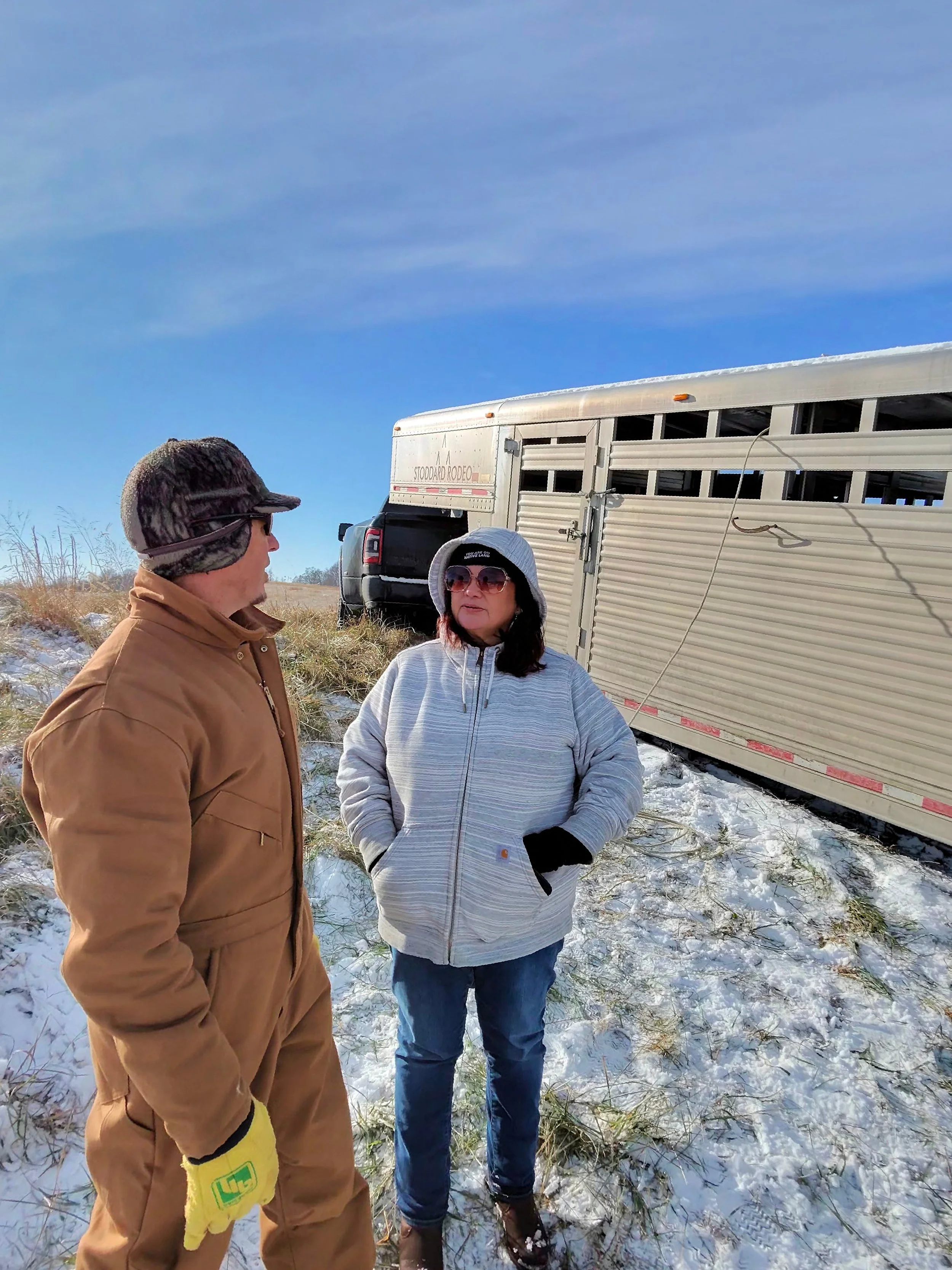
On the day of the transfer from Missouri to South Dakota, Clifford’s family stood together, guiding the Buffalo into the trailer. Clifford watched quietly. He, too, had fed his community with what his herd provided.
“I just always thought it was a great animal,” he said.