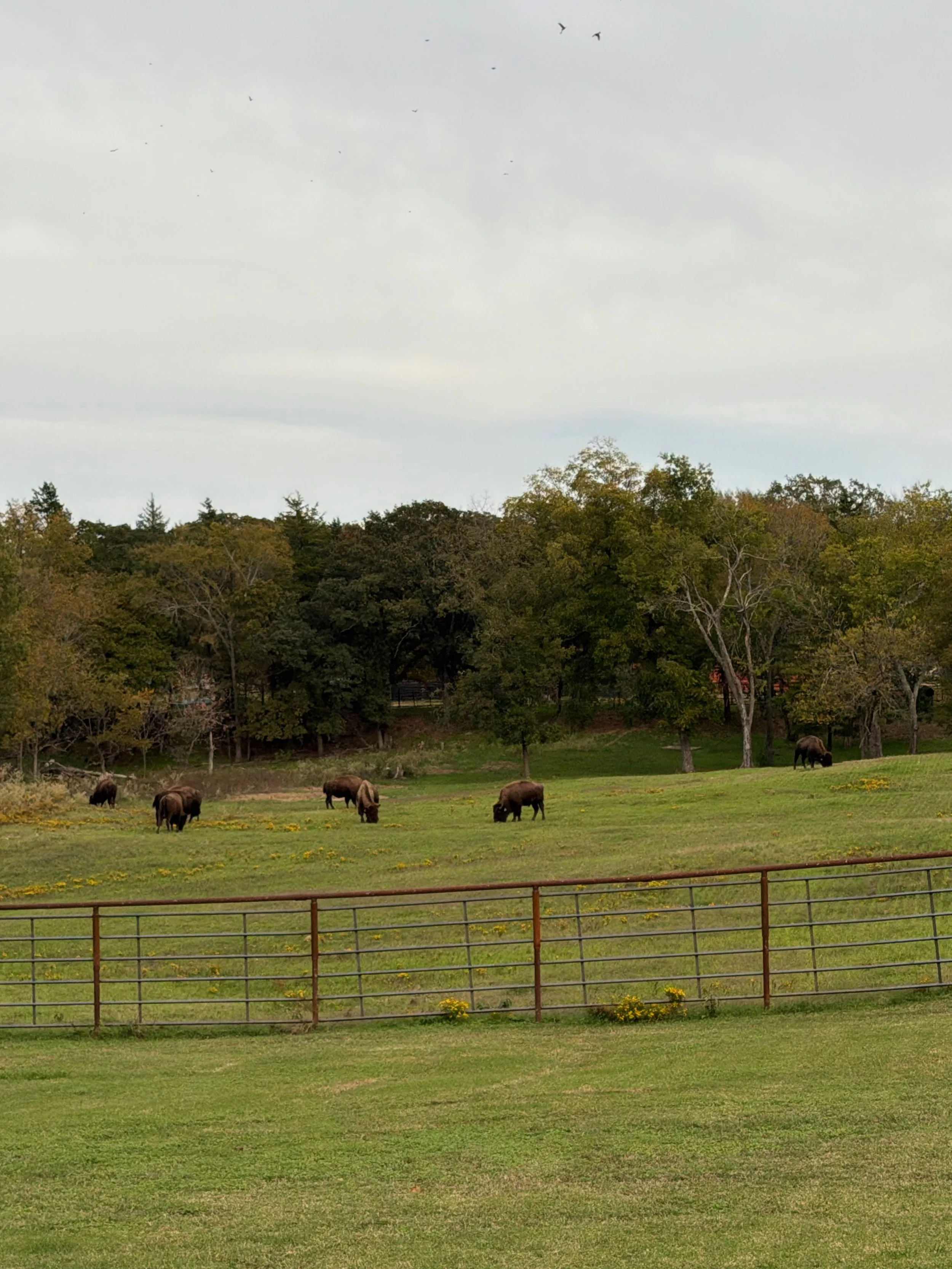
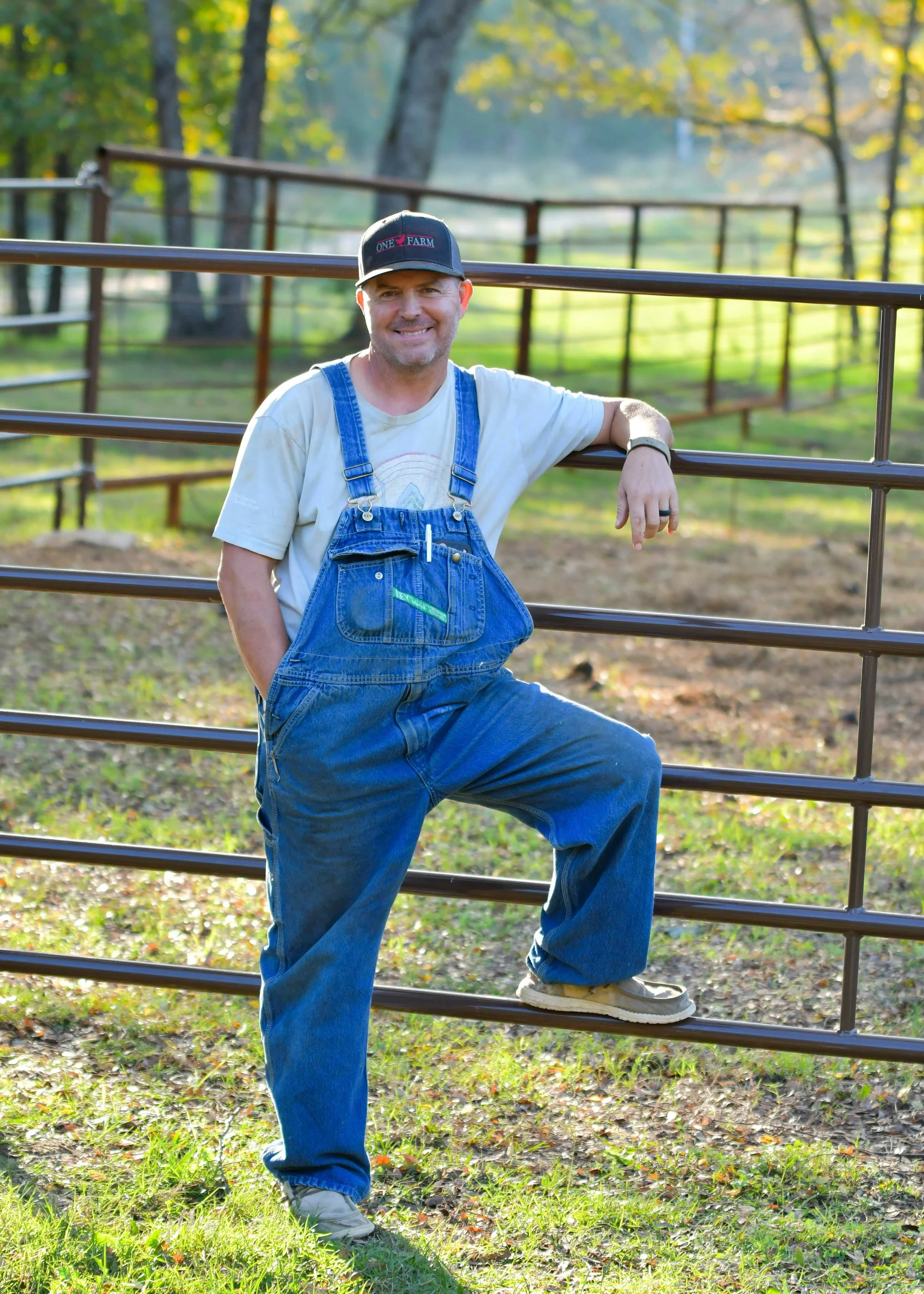
The view from Jeff Caskey’s porch will never be the same.
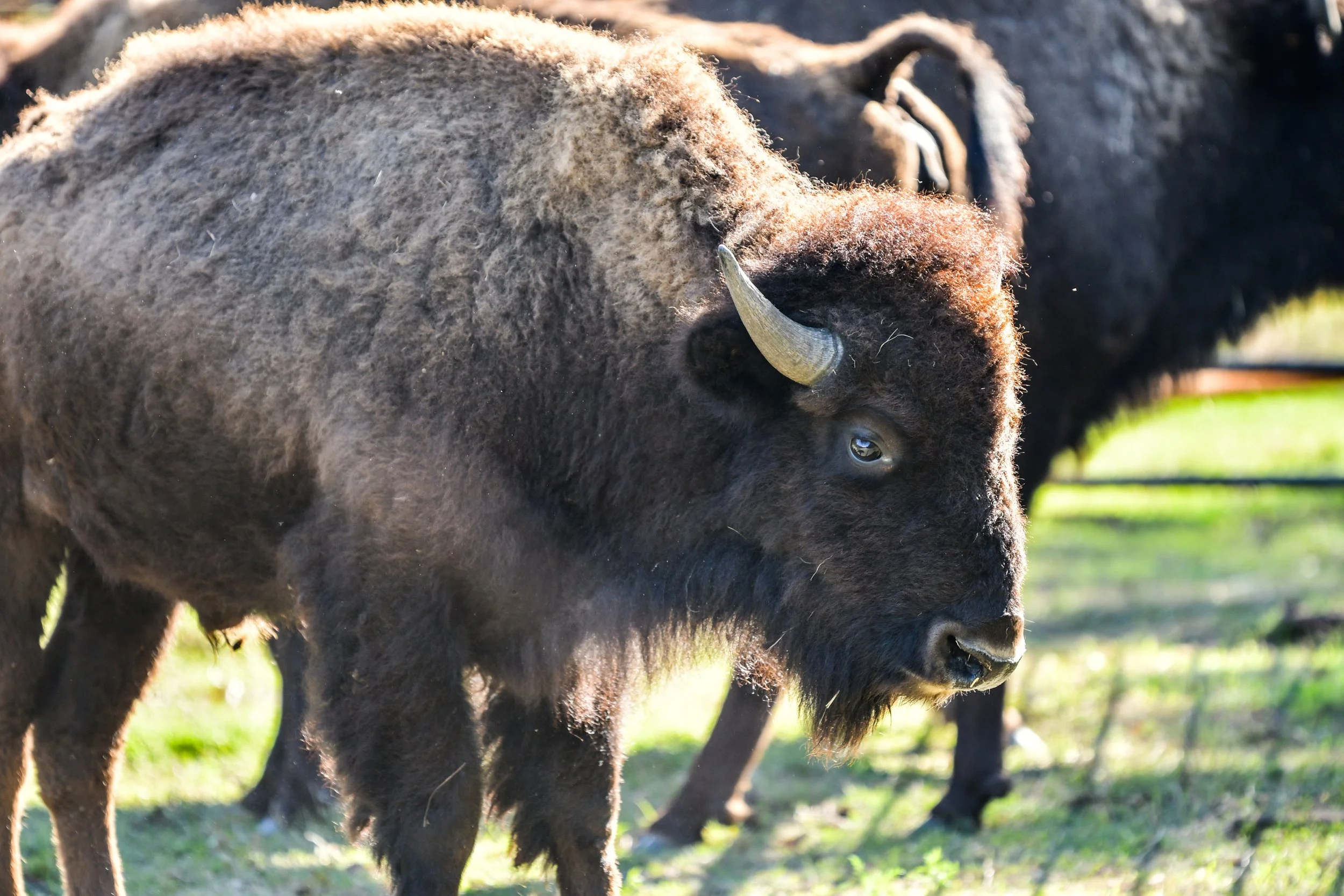
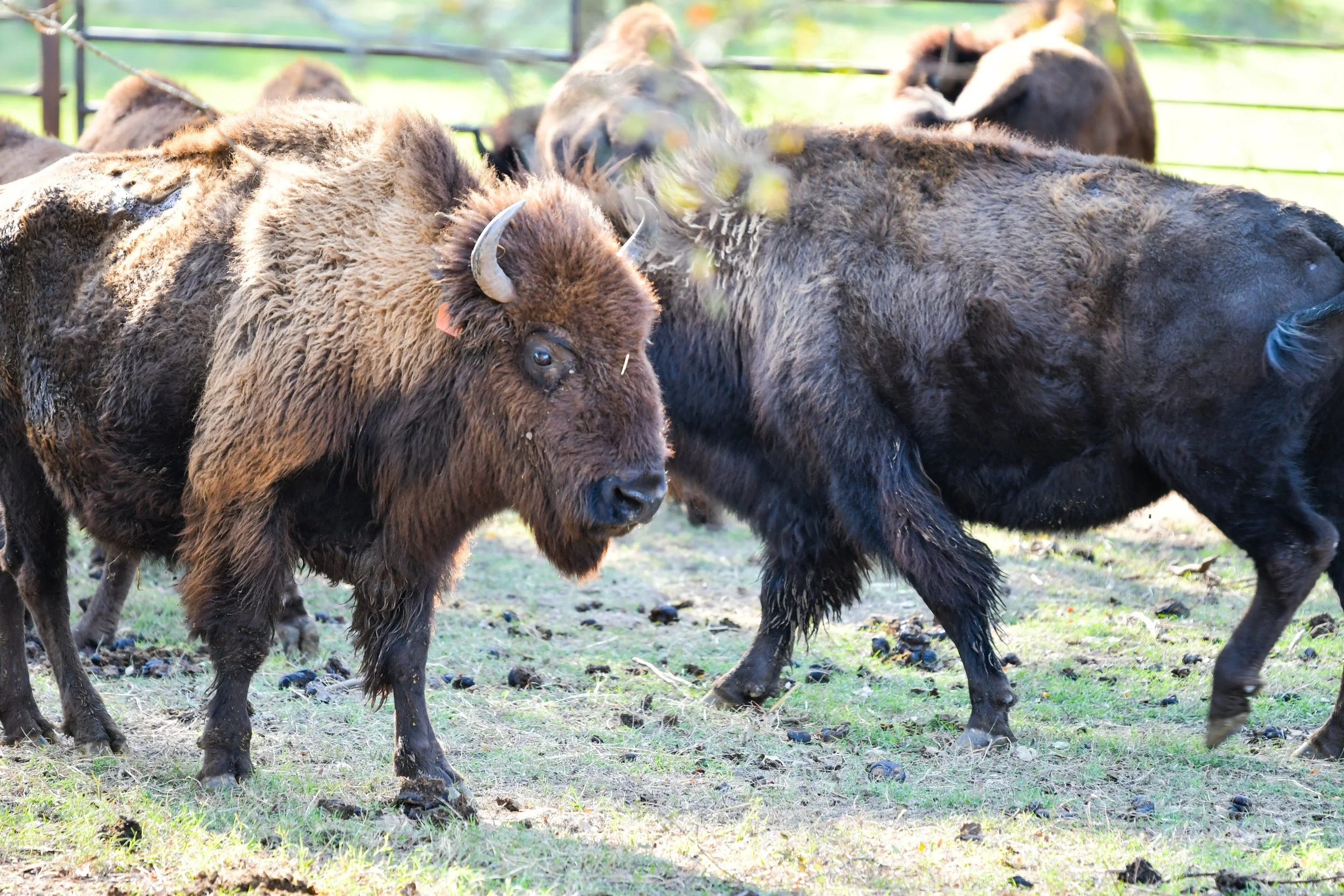
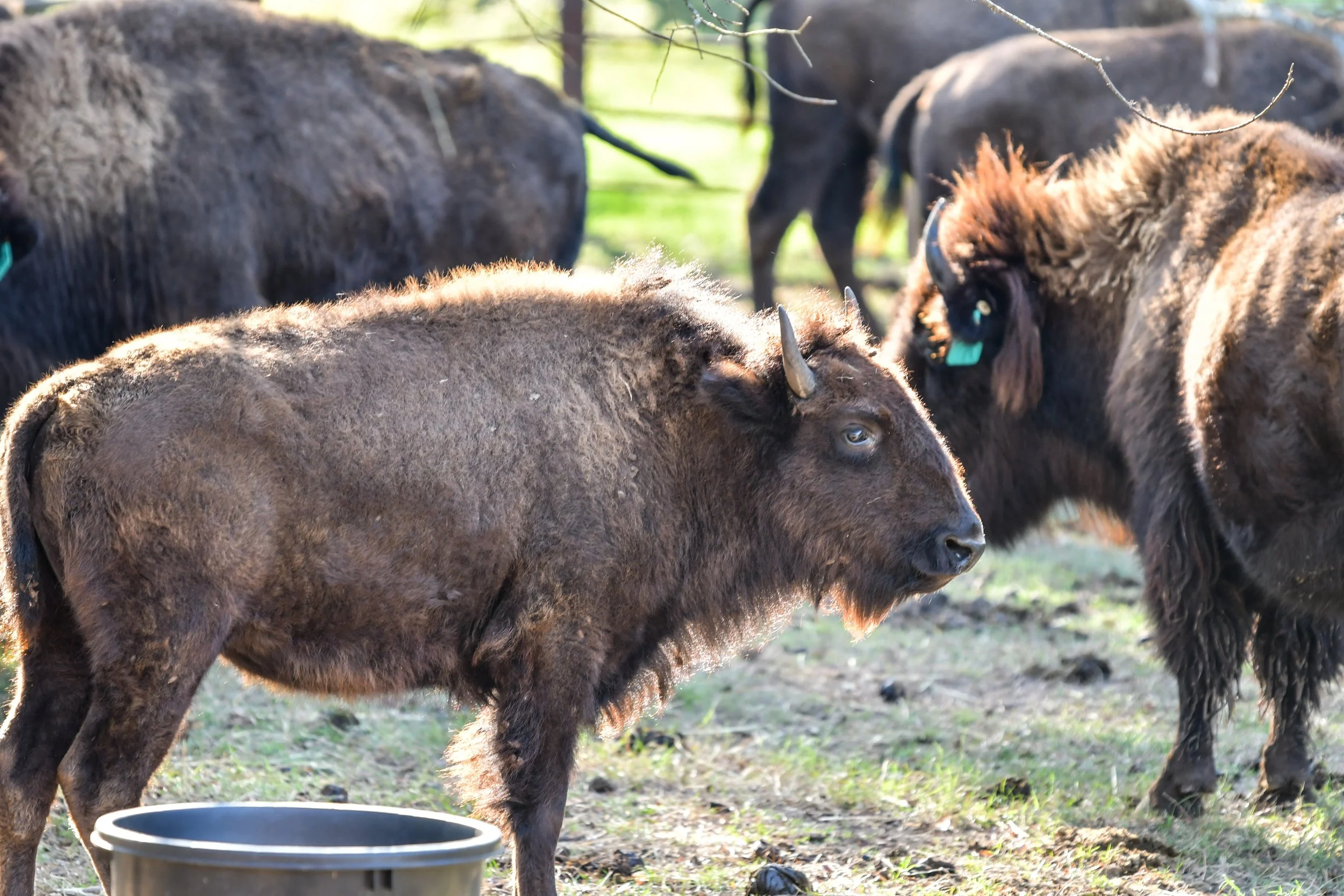
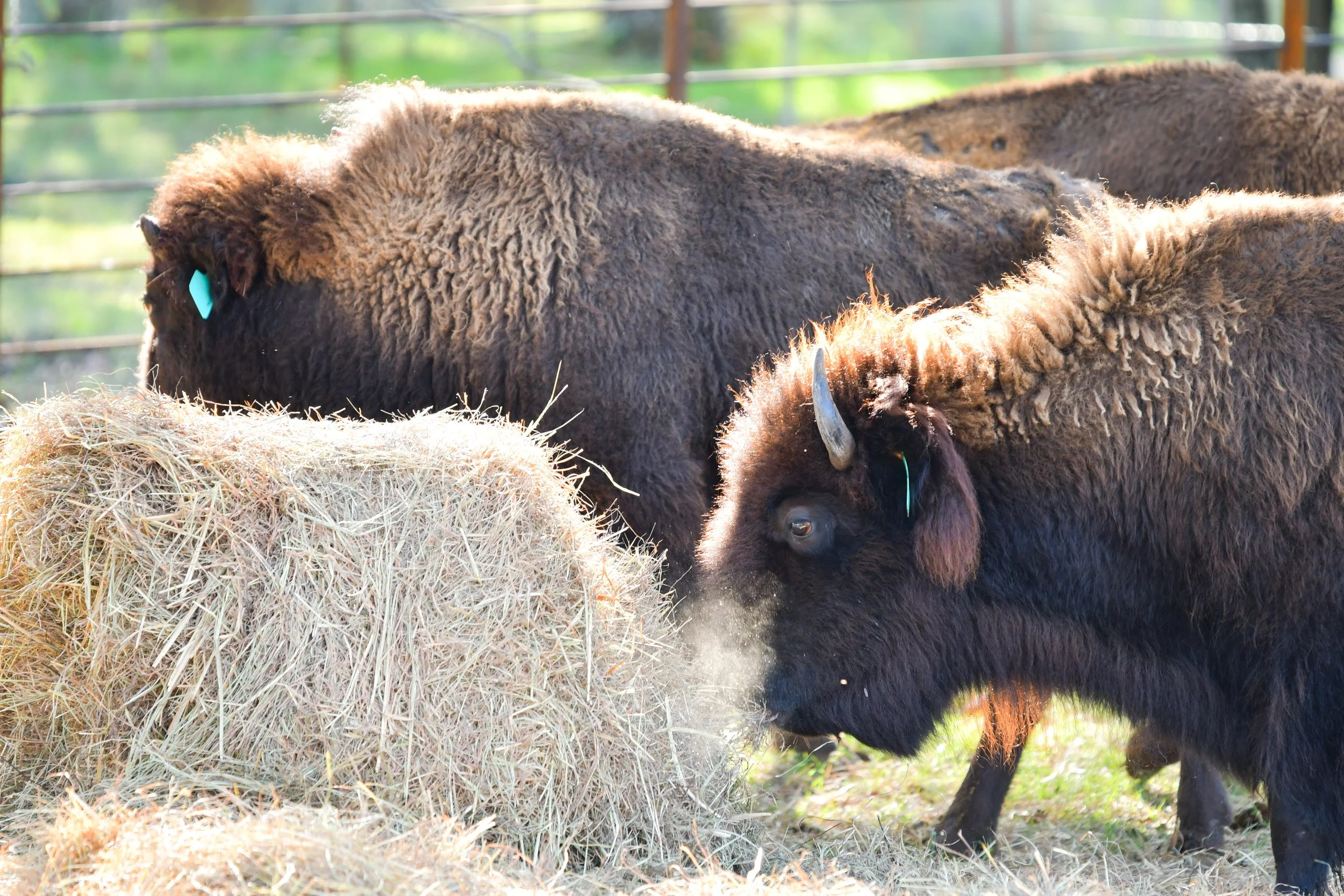
For the last 15 years, Jeff (Cherokee Nation) has been a cattle rancher just outside of Tishomingo, Oklahoma, but as of this month, 11 Buffalo also call his land home.
“My Cherokee grandfather Joe Caskey was a cattleman and businessman and loved it. He died before I got to know him, but I was always told how much he loved being on the land with the animals,” he said. “My focus has really been on how to make the land sustainable in the last five years versus the traditional approach to ranching. So, the Buffalo are a piece of the puzzle that I am putting together to make the land look, feel, and operate like it used to before.”
Jeff said his father grew up on a cattle ranch and, having experienced firsthand how hard the work was, chose a different path. But Jeff never lost “that fire” to work with animals and said he can’t think of anything he’d rather do. He grew up showing livestock in 4-H and FFA, working on local ranches and dairy operations, and went on to earn a Bachelor of Science in environmental science of natural resources from Oklahoma State University.
Jeff and his wife, Amy, have four children. His operation, now called Six Thunder Ranch in Milburn, Oklahoma, includes 245 leased acres for cattle and hay production and 80 acres of family-owned land where the Buffalo live. The herd was delivered earlier this month through Tanka Fund’s partnership with The Nature Conservancy. That land hasn’t felt those hooves in well over a century.
“It’s exciting to have them here — on this land they used to roam on,” he said.
For the last few years, Jeff has strategically transitioned part of his operation to accommodate Buffalo, taking a calculated, infrastructure-first approach. He has invested in essential handling equipment and fencing to ensure his ranch was fully prepared before bringing Buffalo onto the land. Through funding from Tanka Fund, he also acquired a chute to safely handle individual animals when they require care.
As a technical assistance specialist for the Intertribal Agriculture Council, Jeff is no stranger to what it takes to prepare land for grazing animals. To get his land ready, Jeff conducted prescribed burns, which he plans to repeat on a three- to five-year rotation. He also planted winter cover crops in various areas and plans to establish a rotational grazing system to help sustain native grasses as well as introduced grasses high in protein. Jeff said these efforts create a “good balance,” though he chuckled a little at the undertaking.
“It’s a small operation out here — it’s just me!” he said and later added, “What I’m anxious to see is the difference between grazing cattle out here and then putting Buffalo out here and watching the way that they manage the land differently from cattle. I think we are going to see a difference. It’s going to keep the land more in balance the way it’s naturally supposed to be.”
Jeff recalls visiting Sulphur, Oklahoma, as a child, where a national park maintains a Buffalo herd. He remembers it as a more confined, tourist-style setting and wants to give people the opportunity to experience Buffalo in a different way. He said members of his community have followed his journey for some time and have been looking forward to the arrival of Buffalo. He hopes to use his ranch as a place where people can learn more about these relatives.
“This is really special because we don’t have a lot of Buffalo here,” he said, adding that he hopes it inspires others to do the same. “If I can do it, anybody can do it … A big part of this we want to encourage is education. To see them as they graze and ask questions. That exposure is an important part and will aid the next generation of Buffalo ranchers.”
For Jeff, there is also a cultural significance to raising Buffalo that goes beyond his work as a rancher.
“They roamed here naturally … that’s part of the reason that I decided to get Buffalo. Their ancestors and my ancestors ran through here on the same land together in balance,” he said. “People took that away, and now it will be people that bring them back.”