
Tanka Fund welcomes Augusta "Gusti" Rattling Hawk as Buffalo Restoration Director
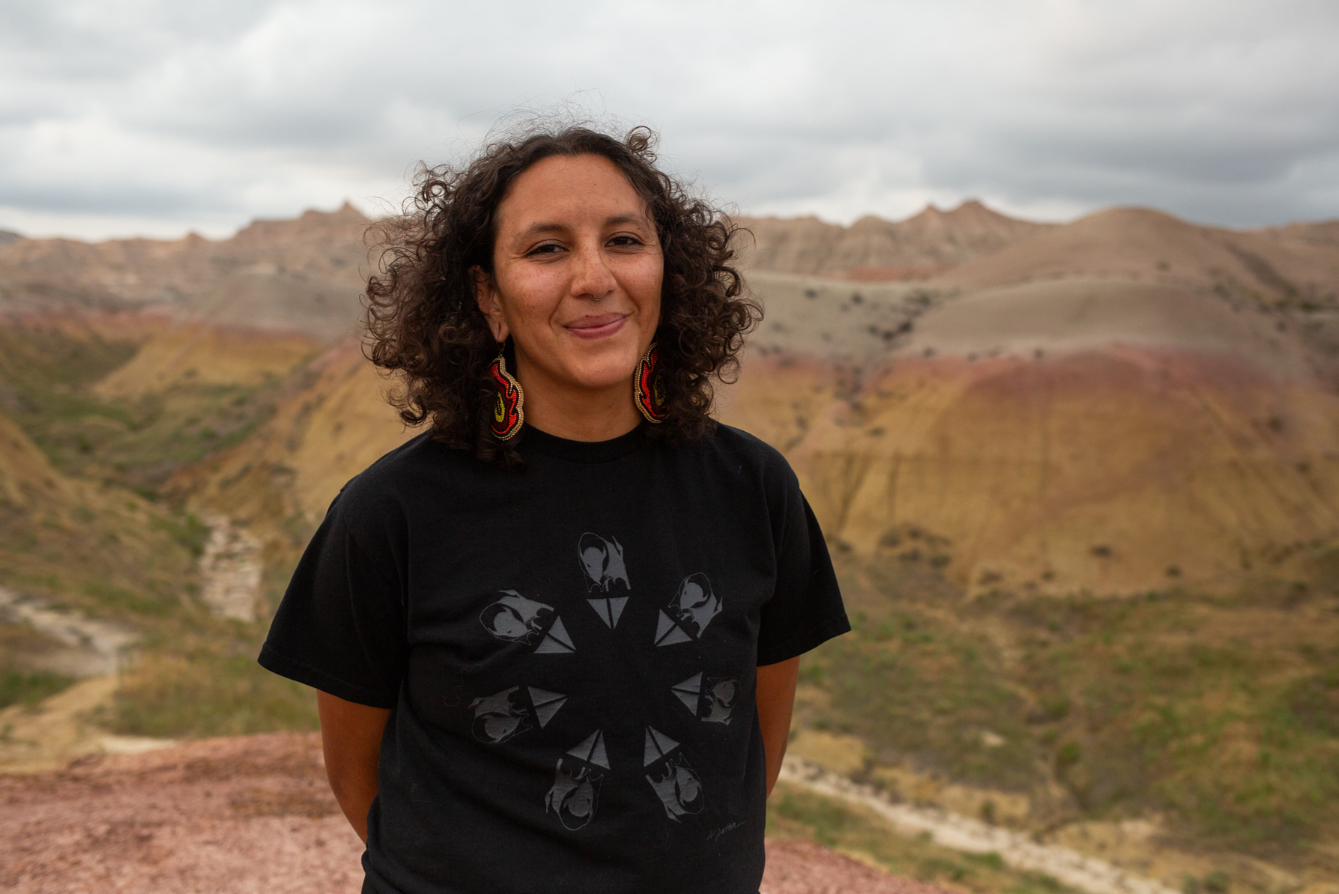
It is with great excitement and deep honor that we announce Augusta "Gusti" Rattling Hawk as Tanka Fund's new Buffalo Restoration Director. As we continue our mission of returning Buffalo to the lands, lives, and economies of Native people, Gusti represents exactly the kind of leadership that will carry this work into the next generation. Their commitment to Indigenous knowledge, ecological restoration, and service to Tribal Buffalo producers embodies the values that have guided Tanka Fund since its beginning.
An enrolled Oglala Lakota from Wambli, South Dakota, Gusti grew up in the Badlands surrounded by horses, dogs, and open prairie that would later inspire their life's work. They earned a Bachelor of Arts in Environmental Science, modified with Native American Studies, from Dartmouth College and are currently pursuing a master’s degree in applied Ecology through the University of Nebraska–Lincoln School of Natural Resources.
For more than five years, Gusti has worked directly with Buffalo producers and Tribal Nations as a Technical Service Provider, supporting conservation planning, ecological restoration, USDA-NRCS partnerships, and Buffalo education. Their graduate research integrates Lakota Traditional Ecological Practices, Buffalo management, and restorative fire to advance healthy grasslands and resilient ecosystems.
“As Executive Director, I could not be more excited about having the next generation lead the way for Tanka Fund and the Buffalo restoration movement. We believe the future belongs to leaders who honor our ancestors while embracing innovation, science, and Traditional Ecological Knowledge together,” Dawn Sherman, Tanka Fund Executive Director, said. “Gusti represents that future. I invite our Board, partners, ranchers, Tribal Nations, funders, and supporters to join me in welcoming Gusti to this important leadership role. Together, we will continue building a stronger Buffalo economy, healthier grasslands, and a future where Native communities once again thrive alongside the Buffalo.”